Integrated ERP ecommerce is now the backbone of scalable B2B commerce. Learn how connecting ERP, WMS, and logistics to your online channels improves inventory accuracy, cross‑border sourcing, dropshipping, and customer experience for global buyers sourcing from China.
An integrated ERP–ecommerce stack has become the operating backbone for modern B2B commerce – especially for platforms like Looperbuy that help global sellers source from China and run lean, inventory‑light businesses. From my work with B2B manufacturers and cross‑border sellers, I see that the winners are those who treat ERP–ecommerce integration not as “IT plumbing,” but as the engine for real‑time sourcing, dropshipping, and scalable fulfillment.
Table of Contents
What Is ERP Ecommerce – And Why It Matters Now
At its core, ERP ecommerce means connecting your online sales channels with an Enterprise Resource Planning system so that inventory, orders, payments, and financials move through one coherent flow instead of a patchwork of spreadsheets and manual updates. The ERP coordinates internal resources – stock, production, purchasing, finance – while the ecommerce platform exposes offers, prices, and availability to buyers in real time.
For B2B sellers and sourcing platforms, this connection is no longer optional. Global buyers expect accurate lead times, reliable stock information, and frictionless cross‑border delivery whether they are placing a one‑off trial order or setting up recurring shipments from Chinese factories. When ERP and ecommerce speak the same language, you remove the typical operational friction: overselling, conflicting prices, and opaque logistics.
ERP vs Ecommerce: Two Different Engines In One Machine
Many teams still blur the line between ERP and ecommerce, treating them as overlapping systems. In practice, they solve different problems and operate at different layers of your business.
Core differences in focus
– ERP is the internal control layer for resources, processes, and financials across departments.
– Ecommerce is the digital front door – the customer‑facing layer where products are discovered, configured, and ordered.
– ERP aims at process integrity, compliance, and planning accuracy, while ecommerce is about reach, conversion, and self‑service.
– ERP is typically closed to external users, whereas ecommerce exposes carefully selected ERP data (inventory, pricing, credit) to buyers and partners.
A useful way to explain this to stakeholders: ERP keeps your promises realistic; ecommerce is where you make those promises to the market.
How ERP Integration Transforms Ecommerce Operations
When ERP and ecommerce are integrated properly, the result is a single operational spine from product sourcing to cash collection. Below are the capabilities I see driving the biggest impact for B2B sellers and sourcing platforms.
1. Seamless order‑to‑cash
Once an order is placed online, a mature integration immediately:
– Creates the sales order in ERP
– Reserves inventory or triggers a purchase or manufacturing order
– Calculates landed costs and taxes
– Issues invoices and updates accounts receivable
This reduces manual entry, shortens cycle times, and makes it realistic to support higher order volumes – critical when you are aggregating demand from hundreds of buyers into Chinese factories.
2. Real‑time inventory and lead times
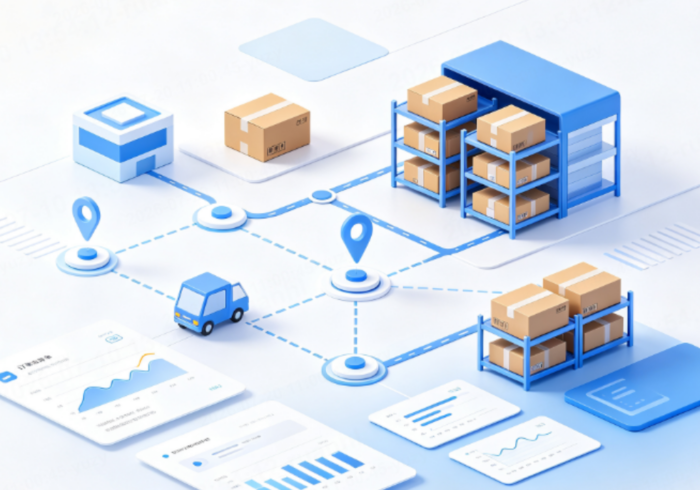
For cross‑border B2B flows, inventory visibility is everything. An integrated ERP–ecommerce setup lets you:
– Display stock availability across multiple warehouses and supplier locations
– Reflect safety stock and production lead times in online delivery estimates
– Avoid overselling and last‑minute substitutions that erode trust
Platforms that treat the ecommerce portal as the single “source of truth” for availability and lead times, fed by ERP and WMS, tend to see fewer service escalations and more repeat business.
3. Pricing, contracts, and complex catalogs
ERP typically holds the complex logic that B2B commerce relies on: contract pricing, volume breaks, customer‑specific payment terms, and regional tax rules.
When this logic is surfaced in ecommerce:
– Buyers see their negotiated prices and credit limits at checkout
– Multi‑tier catalogs and configurable products become manageable
– Cross‑border buyers can quickly understand MOQs, bundled items, and shipping options from China without manual quoting for every line item
4. Customer data, personalization, and analytics
Integrated data from both systems lets you build a 360‑degree view of each account:
– Online browsing and quote requests from ecommerce
– Order history, invoices, and credit utilization from ERP
– Support tickets and field interactions from CRM modules
This unified profile powers targeted offers (for example, replenishment reminders on fast‑moving SKUs, or cross‑selling compatible components), as well as operational analytics on margins, returns, and supplier performance.
Essential ERP Features For Growing Ecommerce Businesses
From an implementation standpoint, not every ERP module delivers equal value to ecommerce. In my experience, the following capabilities make the real difference.
Must‑have functional pillars
– Inventory management – multi‑warehouse tracking, allocation rules, lot/serial control, and reorder planning.
– Order management – sales order processing, backorders, credit checks, and automated status updates.
– Shipping and fulfillment – pick/pack/ship workflows, carrier integrations, label printing, and returns handling.
– Financials – multi‑currency invoicing, tax handling, and revenue recognition aligned with online order data.
– CRM or customer modules – account hierarchies, contacts, terms, and interaction history that can inform ecommerce personalization.
– Reporting and analytics – dashboards that combine online conversion metrics with fulfillment and margin performance.
A practical rule: if a data point is needed to keep a promise made on the storefront, it should live in ERP and be exposed through the integration, not maintained separately in ecommerce.
Preparing Your Business For ERP–Ecommerce Integration
Integrations fail not because of APIs, but because the organization is not ready. Before you connect anything, you need a clear roadmap.
1. Clarify objectives and KPIs
Teams that succeed define exactly what “better” looks like:
– Faster order‑to‑ship times for cross‑border orders from China
– Lower rate of stockouts and overselling
– Reduced manual touches per order
– Improved on‑time delivery and fewer customer disputes
Agree on 3–5 metrics and benchmark them before you start.
2. Map and clean your data
Most legacy setups carry years of duplicated SKUs, inconsistent units of measure, and partially translated product names. A focused cleanse should:
– Standardize product identifiers and attributes
– Consolidate supplier and customer records
– Align units, currencies, and tax codes across systems
This is especially important for sourcing platforms that manage thousands of Chinese suppliers and need consistent data to power reliable search and filtering.
3. Design the integration architecture
Rather than hard‑wiring each system to each other, many modern B2B businesses use middleware as an integration hub. In this pattern:
– The middleware pulls catalogs, prices, and balances from ERP
– Ecommerce calls the middleware via APIs for up‑to‑date data
– Orders, returns, and payments flow back from ecommerce to ERP through the same hub
This reduces point‑to‑point complexity and makes it easier to add new channels (for example, marketplaces or mobile apps) later.
Choosing ERP Software For Ecommerce: Key Criteria
The “best” ERP differs for each business, but there is a shared evaluation playbook that consistently yields better outcomes.
What to look at first
– Fit to your business model – Does it support multi‑company, multi‑warehouse, and multi‑currency flows that are common in cross‑border sourcing from China?
– Scalability and flexibility – Can it handle spikes in volume during promotions or seasonal sourcing cycles without performance degradation?
– Integration capabilities – Mature APIs, event‑driven hooks, and proven connectors for ecommerce platforms, logistics providers, and payment services.
– Customization without fragility – Configuration tools for workflows and fields that do not require constant code changes or break on every upgrade.
– Vendor reliability and ecosystem – Implementation partners, documentation, and community support, especially for complex B2B and manufacturing flows.
Example feature focus by business need
| Business scenario | ERP capabilities to prioritize | Why it matters for ecommerce |
| Global dropshipping from China | Multi‑warehouse, 3PL and carrier integrations | Accurate cross‑border delivery times and costs |
| Make‑to‑order industrial products | Configurator, BOM, production planning | Realistic lead times and configuration validation |
| Marketplace or sourcing platform | Multi‑vendor, settlement, fee management | Correct payouts and consolidated reporting |
| High‑volume spare parts | Advanced inventory, demand forecasting | Reduced stockouts and optimized safety stock |
B2B Perspective: ERP Ecommerce For Cross‑Border Sourcing And Dropshipping
From a B2B sourcing and logistics point of view, the real power of ERP‑enabled ecommerce is in how it shrinks risk for both buyers and sellers.
Reducing inventory and logistics risk
By centralizing inventory and order data in ERP and exposing only trusted information to ecommerce, platforms can:
– Offer shorter lead times based on real supplier performance data
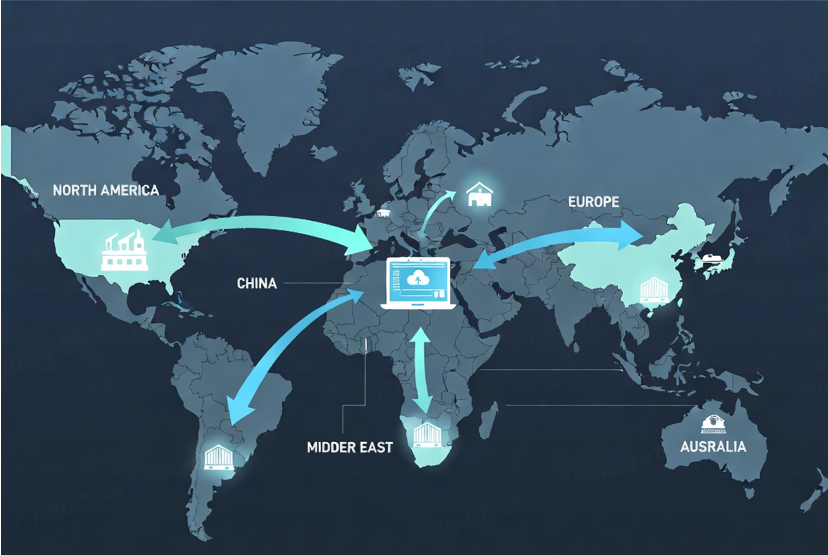
– Coordinate consolidated shipments from multiple Chinese suppliers into one export flow
– Support dropshipping models where goods move directly from factories or bonded warehouses to end buyers
For Looperbuy‑type platforms, this is exactly how you help global sellers avoid heavy stockholding, warehousing complexity, and fragmented payments.
Enabling self‑service B2B buying
When ERP, WMS, and logistics systems are integrated behind the scenes:
– Buyers can simulate landed cost by region before placing an order
– They can see order status, customs clearance progress, and delivery ETA without emailing support
– Your operations team can focus on exceptions instead of routine tracking and data entry
This is the level of self‑service that shifts B2B buyers away from traditional, email‑driven sourcing to scalable, digital‑first procurement.
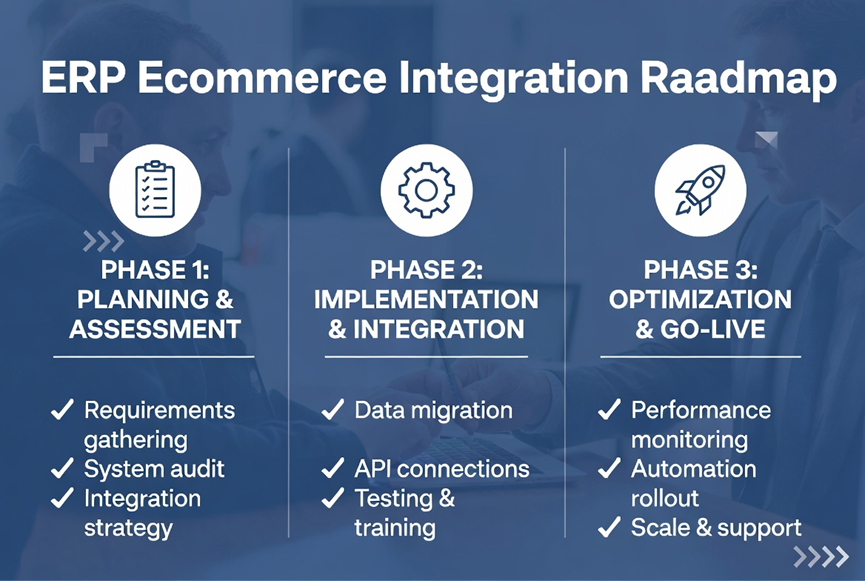
Practical Roadmap: Implementing ERP–Ecommerce Integration In Phases
Based on typical projects I see in B2B manufacturing and sourcing, a phased approach works best.
Phase 1 – Stabilize data and basic flows
1. Clean and standardize product, supplier, and customer data.
2. Connect basic order and inventory sync between ecommerce and ERP.
3. Expose accurate stock, prices, and order history on the portal.
Phase 2 – Extend to logistics and finance
4. Integrate WMS and carriers to automate shipping, labels, and tracking.
5. Connect payment gateways and automate invoicing and settlements in ERP.
6. Roll out self‑service tracking and downloadable documents for customers.
Phase 3 – Optimize and innovate
7. Introduce forecasting, replenishment rules, and supplier scorecards.
8. Use analytics to refine MOQs, shipping consolidation strategies, and warehouse locations.
9. Test new models like virtual warehousing or region‑specific dropshipping.
This iterative delivery keeps business risk manageable while still moving you towards a fully integrated, data‑driven operating model.
FAQs
1. What is ERP ecommerce in simple terms?
ERP ecommerce is the integration of your online sales channels with your central business system so that inventory, orders, and financials stay synchronized in real time instead of being managed separately.
2. Why is ERP integration important for B2B sourcing platforms?
Because it connects supplier inventory, logistics, and buyer demand in one flow, ERP integration allows sourcing platforms to offer accurate availability, reliable lead times, and scalable dropshipping without heavy stockholding.
3. Does a small B2B seller really need ERP for ecommerce?
Smaller sellers can start with lighter tools, but once orders, SKUs, or warehouses multiply, ERP becomes the only realistic way to keep pricing, stock, and financials consistent across channels.
4. How long does ERP–ecommerce integration typically take?
Timelines vary widely, but for a focused scope (orders, inventory, and basic financials) many B2B businesses deliver a first phase within a few months, then iterate towards logistics and advanced analytics.
5. What is the biggest risk when connecting ERP and ecommerce?
The main risk is poor data quality and unclear ownership of processes, which can turn an integration into a fragile tangle of point‑to‑point connections rather than a stable, scalable backbone.
References
1. Virto Commerce – *Understanding ERP Ecommerce: Software Comparison and Benefits* (2023). [Link]
2. Virto Commerce – *B2B Supply Chain Management in Ecommerce: Strategy Guide* (2026). [virtocommerce]
3. Worldwide Express – *B2B E‑Commerce Logistics: Strategies for 2026 Success* (2026). [worldwideexpress]
4. Netsuite – *ERP Trends and Predictions for 2026 & Beyond* (2026). [netsuite]
5. Hellotoguestpost – *Best ERP Software for Ecommerce in 2026* (2026). [hellotoguestpost]
6. Ossisto – *B2B Procurement Platform Guide for Efficient Sourcing* (2025). [ossisto]
7. Lilypad Applications – *Scaling B2B E‑Commerce Inventory* (2025). [linkedin]
8. Kladana – *Top ERP Trends to Watch in 2026* (2024).[kladana]
9. BigCommerce – *Optimizing B2B Procurement for the Future* (2025). [bigcommerce]
10. Zigpoll – *Best Practices to Ensure Smooth Integration Between Your B2B Ecommerce Platform and 3PL Software*. [zigpoll]