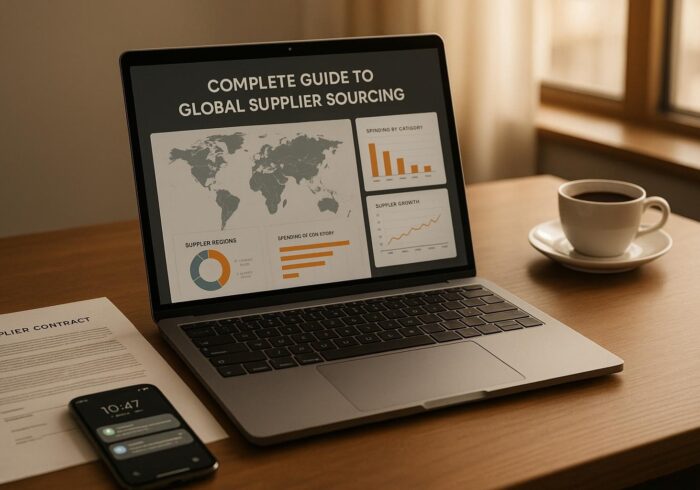
The global store brands sector represents a significant and growing portion of the retail market, yet B2B buyers often face a complex landscape of sourcing challenges, from identifying reliable manufacturers to managing international logistics. This guide, written from the perspective of a seasoned B2B sourcing strategist, is designed to cut through the noise and provide a clear, actionable path for leveraging store brands to build a profitable business. We will explore why China remains the undisputed manufacturing hub for private label goods, how to navigate the key challenges of this sector, and how LooperBuy, a One-Stop B2B Sourcing Platform, streamlines this entire process, making global sourcing more accessible and efficient than ever before .
Table of Contents
The Strategic Importance of Store Brands in Today’s Market
Store brands, also known as private labels, have evolved from being mere low-cost alternatives to becoming powerful strategic assets for retailers and brands. They offer higher profit margins, build customer loyalty, and provide a unique product mix that differentiates a business from its competitors . In practice, platforms and retailers typically rely on two main sourcing strategies: sourcing from the common contract manufacturer (CM) that also serves a national brand manufacturer (NBM), or sourcing from a third-party manufacturer (TPM) . The choice between these strategies hinges on a complex interplay of procurement cost, the mitigation of double marginalisation, and alleviating cannibalisation of existing brand sales . This shift underscores why a platform like LooperBuy, which provides access to a vast, vetted network of Chinese suppliers, is invaluable. It allows businesses to explore both strategies with unprecedented ease, connecting directly with the right manufacturing partners to meet their specific store brand goals, whether they are developing a premium line or a cost-competitive entry-level product.
China’s Unrivaled Position as the Manufacturing Hub for Store Brands
For over a decade, China has been the world’s primary manufacturing hub, and its ecosystem for producing store brands is unmatched . This dominance is not accidental; it is the result of a deep and mature supply chain infrastructure that provides B2B buyers with distinct advantages that directly benefit the store brands strategy. For the global buyer, this means unparalleled product diversity. China’s manufacturing capabilities span 90% of global B2B supply categories, from industrial components to consumer goods, ensuring that your store brand can find exactly the product it needs . Furthermore, Chinese suppliers offer B2B pricing that is 25-40% lower than European or North American alternatives, which is critical for maximising the profit margins that make store brands so attractive . Finally, China’s fulfillment capacity is second to none. With over 200 major ports and a robust network of logistics hubs, the country can handle both bulk and small-batch B2B orders with global reach, ensuring that your store brand products can be delivered to customers anywhere in the world efficiently.
Regional Specializations for Store Brand Production
A key aspect of China’s advantage is its regional specialisation, which allows buyers to find suppliers with deep expertise in specific product categories .
- Zhejiang Province: The powerhouse for printing, labeling, packaging, and general consumer goods. This region is ideal for store brands requiring custom packaging, labels, or a wide variety of consumer products.
- Guangdong Province: The epicentre for electronics, cosmetics, personal care, and chemical formulations. A prime destination for private label beauty, skincare, and tech accessories .
- Jiangsu Province: A hub for high-tech manufacturing, advanced materials, and premium packaging. This region excels in producing high-quality components and sophisticated packaging solutions.
- Shandong Province: Known for its strength in food-grade packaging, agricultural products, and integrated supply chains for bulk goods, making it essential for food and beverage store brands.
Understanding these clusters helps in strategically targeting sourcing efforts. For a B2B platform like LooperBuy, leveraging these regional strengths means providing clients with suppliers who are not only manufacturers but are also part of an ecosystem of raw material providers, subcontractors, and logistics partners, which significantly reduces lead times and improves operational agility .
Overcoming Key Pain Points in Sourcing Store Brands
Sourcing private label goods from China can be fraught with challenges, but the right partner can turn these obstacles into advantages. The following are some of the most common pain points and how a one-stop platform like LooperBuy addresses them.
The Challenge of Unvetted Suppliers and Quality Inconsistencies
One of the most significant risks in sourcing store brands is partnering with unvetted suppliers, which can lead to low-quality products, missed deadlines, and non-compliance with international standards . LooperBuy’s solution is a rigorous supplier vetting process that verifies manufacturing capacity, certifications (ISO, CE), track record in B2B order fulfillment, and quality control protocols. This ensures that the suppliers you connect with are legitimate and capable of producing high-quality store brand products consistently.
The High Cost of Hidden Logistics and Middlemen
Hidden logistics costs and multiple middlemen can quickly erode the profit margins that make store brands appealing. Traditional channels often involve agents, freight forwarders, and brokers, each adding their own markup. LooperBuy eliminates these layers by offering direct supplier access with no middleman markups and integrated cost calculators that provide a transparent, all-inclusive estimate of product costs, freight, duties, and final-mile delivery. This upfront clarity is crucial for maintaining the competitive pricing of store brands.
Slow, Unreliable Global Logistics
Cross-border shipping can be a major bottleneck, plagued by port congestion, customs delays, and inefficient load optimisation. LooperBuy’s global logistics network, which includes major carriers, dry ports, and consolidated shipping options, significantly reduces transit times and provides 24/7 real-time shipment tracking. This reliability is essential for store brands that need to manage inventory and meet retail deadlines.
Lack of End-to-End Procurement Visibility
Managing client commitments becomes difficult without real-time updates on production and shipping. LooperBuy offers end-to-end procurement visibility, providing updates from the factory floor to final delivery. This transparency allows brand owners to keep their clients and retail partners informed with accurate timelines, building trust and long-term relationships.
LooperBuy: The One-Stop Platform for Your Store Brands Sourcing
LooperBuy is a One-Stop B2B Sourcing Platform that consolidates the entire process of sourcing store brands into a single, seamless workflow. We connect global buyers directly with vetted Chinese suppliers, offering an unparalleled range of products and delivering seamless logistics that eliminate the barriers of cross-border trade. Whether you are a brand owner, wholesaler, or manufacturer, our service is designed to make direct China sourcing simple, risk-free, and profitable. LooperBuy’s platform allows you to easily import high-quality products from China’s leading marketplaces, giving you direct access to factory-direct goods with a stable and reliable supply chain . With access to over 10,000 pre-vetted suppliers across 50+ categories, you can source all your store brand products from a single platform, saving time and streamlining your procurement process. We also leverage a global logistics network, including major carriers and dry ports, to reduce shipping times and costs while providing complete, end-to-end visibility for every order.
Building a Successful Store Brand: A 5-Step Sourcing Strategy with LooperBuy
Step 1: Define Your Store Brand Sourcing Requirements
Start by defining your store brand’s product category, target volume, quality standards, and destination market. Use LooperBuy’s AI-powered sourcing tool to generate a customized procurement checklist that includes regulatory compliance requirements for your target market (e.g., EU REACH, US FDA) and optimal logistics options.
Step 2: Browse and Select Vetted Chinese Suppliers
Explore our supplier directory, which features only pre-vetted Chinese manufacturers. Use advanced search filters to find suppliers by product category, certification, minimum order quantity (MOQ), and delivery speed. Review supplier profiles, client reviews, and sample product data to select the perfect match for your store brand needs .
Step 3: Get an Upfront, All-Inclusive Cost Estimate
Once you have chosen a supplier, our integrated cost calculator will generate a fixed, all-inclusive cost estimate for your store brand products. The estimate will include all expenses: product costs, ocean/air freight, customs duties, port fees, and final-mile delivery, with no hidden surcharges.
Step 4: Complete Pre-Shipment Quality Inspection and Documentation
LooperBuy offers complimentary pre-shipment quality inspections for all B2B orders over $5,000, ensuring your store brand products meet your exact quality standards before they leave China. Our team of experts also reviews all export/import paperwork to ensure full compliance with your destination market’s regulations .
Step 5: Track Shipment in Real-Time and Receive Seamless Delivery
Once your store brand goods are in transit, our 24/7 real-time tracking platform lets you monitor every step of the journey. You will receive automated alerts for customs clearance progress and estimated arrival times, with our logistics team available to resolve issues quickly. Your store brand products are delivered fully cleared and on time.
Real-World Success: How LooperBuy Powers Store Brands Growth
The effectiveness of LooperBuy’s model is best illustrated by the success of our clients. One European industrial wholesaler specialising in electrical and construction supplies faced three critical challenges with their store brand line: high sourcing costs from European suppliers, fragmented procurement from eight different vendors, and slow shipping times of 6-8 weeks. By partnering with LooperBuy, they gained access to 200+ vetted Chinese suppliers with pricing 30% lower than their previous vendors. They consolidated all sourcing to a single platform, eliminating fragmentation and reducing administrative work by 40%. Our optimised logistics cut shipping times to Europe to 2-3 weeks. Within six months, the wholesaler achieved transformative growth: profit margins increased by 22%, client retention rose by 30%, and they added 15 new store brand categories to their portfolio, attracting 50+ new corporate clients. This example demonstrates how LooperBuy can turn sourcing challenges into tangible growth opportunities .
Conclusion: Scale Your Store Brands Business with LooperBuy
The global store brands market offers immense opportunities for growth, but success hinges on a smart, streamlined sourcing strategy. By leveraging LooperBuy, a One-Stop B2B Sourcing Platform, you can navigate the complexities of the Chinese supply chain with confidence. We provide the tools, network, and expertise to connect you with vetted suppliers, manage logistics, and ensure quality, enabling you to focus on building your brand and expanding your business. Sign up for LooperBuy today to unlock your free account and start sourcing high-quality private label goods at competitive prices. Our dedicated B2B support team is ready to guide you through every step of the process with a 100% risk-free trial for new users.
Frequently Asked Questions (FAQ)
1. What are store brands and why are they important for my B2B business?
Store brands, also known as private labels, are products manufactured by a third party but sold under a retailer’s or brand’s own name. They are crucial for B2B businesses because they offer higher profit margins, build customer loyalty, and provide a unique product mix that differentiates a business from its competitors.
2. Is China still a good source for manufacturing store brands?
Yes. China remains the dominant global manufacturing hub due to its product diversity, cost-efficiency (pricing 25-40% lower than Western alternatives), robust supply chain, and advanced logistics infrastructure, making it highly suitable for store brand production .
3. How do I find a reliable supplier for my store brands?
Finding a reliable supplier involves thorough vetting. Look for suppliers with a proven track record, industry certifications (like ISO), and good on-time delivery rates. You can also attend trade shows like the Canton Fair or use platforms like LooperBuy, which pre-vets suppliers to ensure quality and reliability .
4. What is LooperBuy, and how can it help me with sourcing store brands?
LooperBuy is a One-Stop B2B Sourcing Platform that connects global buyers with vetted Chinese suppliers. It helps by streamlining the entire sourcing process, from finding suppliers to managing logistics and quality control, all through a single platform. This reduces costs, eliminates middlemen, and provides end-to-end visibility .
5. Can LooperBuy handle shipping and logistics for my store brand orders?
Yes, LooperBuy has a global logistics network that includes major carriers, dry ports, and consolidated shipping options. The platform offers real-time cost estimates, shipment tracking, and can reduce transit times, ensuring your store brand products are delivered on time and cost-effectively.
References
- Zhou, W., & Yang, F. (2025). Store brand sourcing strategy for an online platform: should it always seek for a low-cost manufacturer? Journal of the Operational Research Society. https://www.tandfonline.com/doi/figure/10.1080/01605682.2025.2600082
- LianLian Global. (2024). LooperBuy Global Sourcing Platform. https://global.lianlianpay.com/products/looperbuy
- Alibaba.com. (2025). Private Label Supplier Sourcing Guide: Evaluate Top Manufacturers in China. https://www.alibaba.com/price-comparison/private-label
- LianLian Global. (2024, September 13). 连连国际牵手LooperBuy,解锁跨境B2B寻源新时代 [LianLian International Partners with LooperBuy to Unlock a New Era of Cross-Border B2B Sourcing]. https://global.lianlianpay.com/article/MTE1NjM2LDE1Ng.html
- WorldFirst. (2025, April 28). How to find Chinese private label manufacturers for online stores? https://www.worldfirst.com/au/insight/importing-from-china/find-chinese-private-label-manufacturers/
- WordPress.org. (2026). BuckyDrop – Branded Dropshipping for WooCommerce. https://mai.wordpress.org/plugins/buckydrop-dropshipping-for-woocommerce/
- Alibaba.com. (2025). How to Find and Choose High-Quality Private Label Suppliers. https://www.alibaba.com/price-comparison/hs-private-label
Article Summary
This expert guide provides B2B brand owners, wholesalers, and manufacturers with a comprehensive strategy for sourcing private label goods from China using the LooperBuy platform. It explains why China remains the dominant manufacturing hub and outlines common challenges in sourcing store brands. The guide then details how LooperBuy solves these issues through a vetted supplier network, transparent cost calculators, and streamlined global logistics. It provides a 5-step actionable process for sourcing store brands and includes a real-world success story demonstrating the platform’s effectiveness.
Hot Tags
store brands, store brands sourcing, private label sourcing, store brands strategy, LooperBuy, B2B store brands, China store brands supplier, store brands logistics, store brands cost optimization, global B2B store brands