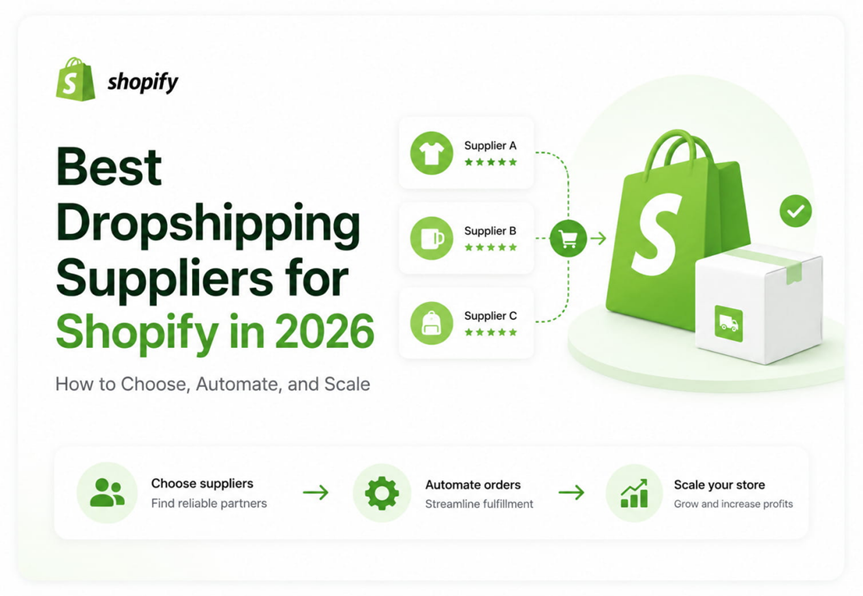
In 2026, Shopify dropshipping is still profitable for brands that master niche selection, real unit economics, and a reliable supply chain. Learn how B2B sourcing and logistics partners like Looperbuy can protect your margins and unlock sustainable growth.
Table of Contents
What “Profitable” Really Means in Shopify Dropshipping 2026
Profitability in 2026 is more about unit economics and systems than about “finding a magic winning product.” Based on recent industry data, the global dropshipping market is growing fast, but only a fraction of stores hit consistent net profit above 15%. [letstalkshop]
– Typical net profit margins for optimized stores sit around 10–20%, while top performers reach 25–30% through stronger branding and tighter operations. [ecosire]
– The low-effort version of dropshipping — slow shipping, random products from generic suppliers — is effectively dead; the brand-centric, logistics-optimized model is where serious profit still exists. [linkedin]
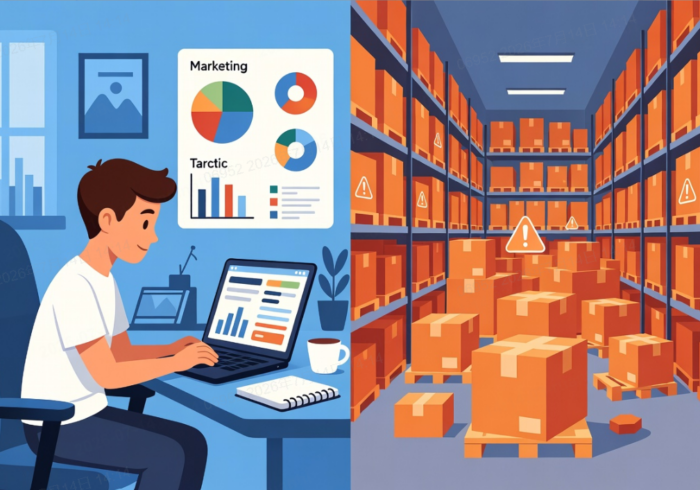
From my own work with Shopify sellers, the stores that *feel* unprofitable usually have three root problems: poor supplier choice, weak pricing discipline, and relying on one expensive traffic source. That’s why the rest of this guide will focus on practical levers you can actually control — especially sourcing and logistics via platforms like Looperbuy. [linkedin]
The Myth of Market Saturation
Many entrepreneurs still ask whether Shopify is “too saturated” to start now. The reality is more nuanced. [linkedin]
– There are more stores than ever, but most of them are generic, poorly branded and slow to ship, which opens space for specialized, well-executed brands. [letstalkshop]
– Saturation usually signals high demand, not a closed market; the real filter is whether you can offer a sharper niche, better customer experience, and a supply chain you actually control. [ecosire]
If you simply copy trending TikTok products and plug in the same slow suppliers as everyone else, you’re competing on price and ad bids only — a losing game in 2026. But if you narrow down your niche and pair it with reliable B2B sourcing and fulfillment, you’re competing on *value*, *speed*, and *trust* instead. [linkedin]
From General Store to High-Intent Niche
Why Broad Stores Struggle Now
The classic “general store” that sells random gadgets to everyone is largely obsolete. Consumers can now spot low-effort stores instantly and are far less forgiving of slow shipping or inconsistent positioning. [ecosire]
– Unfocused catalogues drive up ad costs because your targeting is vague and your creative can’t speak to a clear customer profile. [letstalkshop]
– Product pages look interchangeable with competitors, which forces you into discount wars instead of value-driven pricing. [huoxingtaojin]
How Profitable Sellers Approach Niches
The most profitable Shopify brands I work with build around one well-defined audience and problem. For example:
– Instead of “pet products”, focus on joint-support accessories for senior large-breed dogs.
– Instead of “home decor”, focus on small-space storage solutions for renters in major cities.
This sharper definition is what allows you to:
– Craft laser-targeted creatives and landing pages that convert on colder traffic. [ecosire]
– Partner with specialized suppliers (via platforms like Looperbuy) who can support consistent quality and custom variations for that niche.
Why Shopify Still Wins as a Core Storefront
Despite rising competition, Shopify remains one of the most powerful base platforms for a modern dropshipping operation. [shopify]
– It offers a low barrier to entry and a rich ecosystem of apps for automation, analytics, and merchandising, allowing small teams to operate like established retailers. [shopify]
– In 2026, integrated AI features support dynamic pricing, personalized recommendations, and even content and layout optimization based on user behavior. [linkedin]
For B2B-backed sellers, Shopify becomes the front-end sales engine, while a sourcing platform such as Looperbuy quietly handles the heavy lifting in the background: sourcing, quality control, warehousing, and cross-border fulfillment.
The Real Economics: Costs, Margins, and CAC
Understanding Your Margin Stack
To judge whether Shopify dropshipping is profitable, you need to zoom in on your unit economics instead of screenshots of “revenue.” [letstalkshop]
A typical breakdown per order might look like this:
– Product and shipping cost from supplier or B2B platform
– Platform fees and payment processing
– Advertising or influencer costs
– Tools (apps, themes, email services, analytics)
– Customer support, refunds, and returns
Recent analyses of over 1,000+ dropshipping stores show:
– Gross margins often sit around 60–75%, but net margins fall to 10–20% after all costs. [letstalkshop]
– High-performing brands that negotiate better sourcing, stabilize shipping, and build retention can reach 25–30% net margins. [ecosire]
The CAC Challenge in 2026
Paid traffic is more expensive than it was a few years ago, especially on major ad platforms. At the same time, sellers have access to better analytics and creative tools, which means you can still maintain healthy CAC if you: [letstalkshop]
– Use tight audience targeting aligned with a narrow niche and clear offers.
– Blend paid traffic with organic channels like short-form video, email, and partnerships rather than betting everything on one algorithm. [thunderbit]
This is exactly why supply chain efficiency matters: if you can negotiate a few extra percentage points on product cost and shipping through a B2B sourcing partner, you suddenly have more room to absorb higher CAC and still stay profitable.
Logistics and Sourcing: The Hidden Profit Lever
In 2026, your supply chain is your profit moat. Long shipping times and inconsistent quality are no longer just “annoying” — they are fatal for brand reputation and ad account health. [linkedin]
Why Traditional AliExpress-Style Sourcing Holds You Back
– 15–30 day shipping windows lead to chargebacks, negative reviews, and high customer support workload. [linkedin]
– You have little control over packaging, branding, or quality and almost no leverage on pricing as a small buyer.
How a B2B Partner Like Looperbuy Changes the Model
A dedicated B2B procurement platform such as Looperbuy is designed for exactly this pain point. [looperbuy]
– It connects you directly with source sellers and factories in China, letting you access wholesale-level pricing even with relatively low MOQs, which directly improves your margins.
– You can choose between China-based stock (lowest cost) and overseas stock in regions like the US or EU for faster shipping when responsiveness matters more than absolute cost.
From my perspective working with cross-border sellers, this combination — factory pricing plus flexible stock locations — is one of the most underrated levers for making Shopify dropshipping genuinely sustainable in 2026.
Case-Style Scenario: Turning a Struggling Store Around
Imagine a mid-stage Shopify brand selling home and lifestyle products to US and EU customers.
– They started with random suppliers, 20+ day shipping, and inconsistent stock. Refunds and ad rejections began eating their already thin margins.
– After migrating core SKUs to verified suppliers through a B2B platform with quality inspection and free warehousing, their average shipping times dropped and defect rates fell noticeably.
The impact over a few months:
– Fewer negative reviews and chargebacks, and better ad approval rates.
– Ability to combine multiple orders and cut shipping costs significantly, which allowed them to reinvest into creative testing and email flows.
This type of operational shift is often more impactful than testing yet another “winning product.”
Strategic Ways to Protect and Grow Your Margins
1. Move Upmarket with High-Ticket Products
One clear trend is the move from cheap impulse buys to higher-value products that justify more robust care and branding. [doba]
– High-ticket items (e.g., specialty equipment, premium home devices) may require more complex support, but a single sale can generate hundreds of dollars in profit. [doba]
– They are less vulnerable to ad cost fluctuations; a minor CAC increase matters less when your per-order profit is much higher. [doba]
A B2B platform that supports OEM/ODM development and branding lets you treat these as legitimate, defensible brands rather than commodity SKUs.
2. Build Retention Into Your Offer
The most profitable stores in 2026 rarely rely on one-off purchases only. [ecosire]
– They design replenishable products, bundles, or accessories, then use email and remarketing to drive repeat orders.
– Faster, more reliable fulfillment significantly increases repeat purchase likelihood, because customers associate your brand with delivery that just works. [linkedin]
3. Automate the Backend, Focus on Growth
Order-by-order manual work is a silent profit killer. Modern operations rely on automation for:
– Inventory synchronization, order routing, and shipment tracking through integrated tools and sourcing platforms. [linkedin]
– Standardized quality checks and returns handling at warehouse level, so your team can focus on marketing, merchandising, and partnerships rather than firefighting.
When you connect Shopify to a sourcing solution that offers smart ordering tools, AI-assisted sourcing support, and integrated logistics, you effectively decouple growth from headcount.
Where a B2B Platform Like Looperbuy Fits In
From the point of view of both a seller and an operations consultant, the most valuable partners are those that reduce risk, friction, and cost across the supply chain. Looperbuy’s positioning maps directly to those needs: [looperbuy]
– China sourcing with factory pricing keeps product costs low and makes your margin structure more resilient. [looperbuy]
– Quality inspection and real product photos before dispatch reduce defective orders and build trust with your end customers.
– Free warehousing for up to 90 days and the ability to combine shipments help cut logistics costs and balance inventory risk as you scale.
– Global shipping with overseas stock options aligns with modern customer expectations for faster delivery without forcing you to build your own warehouse network.
For Shopify sellers, this means you can keep your storefront lean and experimental while your actual procurement, consolidation, and fulfillment are handled by an infrastructure built for B2B scale.
Practical Steps to Build a Profitable Shopify Dropshipping Operation in 2026
1. Define a focused niche and problem.
Choose a segment where you can speak with authority and build a product ecosystem, not just one viral item. [ecosire]
2. Design your offer around margin, not just price.
Factor in realistic CAC, tools, and returns, then reverse-engineer your acceptable product and shipping costs before you start contacting suppliers. [letstalkshop]
3. Partner early with a sourcing and logistics platform.
Use a B2B platform such as Looperbuy to validate suppliers, understand realistic lead times, and plan your pricing and promotions with real costs in mind. [looperbuy]
4. Build an audience and retention engine.
Invest in email, content, and community so each new customer can produce multiple orders over their lifetime. [thunderbit]
5. Continuously optimize your product mix.
Use order data and feedback from your sourcing partner to phase out SKUs that cause disproportionate support tickets or low margins, and double down on reliable, scalable items. [linkedin]
Build a Lean, Profitable Supply Chain
If you are serious about making Shopify dropshipping profitable in 2026, treat it as a long-term brand plus an optimized supply chain, not a quick experiment. Once you have defined your niche and goals, your next move should be to audit your sourcing and logistics and ask a simple question:
> “Can my current suppliers support the margins, shipping times, and reliability I need to scale?”
If the answer is uncertain, exploring a B2B platform like Looperbuy for China-based sourcing, factory-level pricing, free warehousing, and global fulfillment is one of the fastest ways to strengthen the backbone of your business. [looperbuy]
FAQs
1. Is Shopify dropshipping still worth starting in 2026?
Yes, provided you avoid generic products, build around a clear niche, and work with reliable sourcing and logistics partners to protect your margins and delivery times. [letstalkshop]
2. What kind of profit margins can I realistically expect?
Most well-run stores see 10–20% net profit after all costs, and the best-optimized brands can reach 25–30% through better sourcing, pricing, and retention. [ecosire]
3. How important is shipping speed for profitability?
Very important — faster, more reliable shipping reduces chargebacks and negative reviews, increases repeat orders, and keeps your ad accounts healthier. [linkedin]
4. Can a B2B sourcing platform really improve my margins?
Yes, by connecting you directly to factories, consolidating shipments, offering free warehousing windows, and providing overseas stock options, a B2B partner can significantly reduce your product and logistics costs. [looperbuy]
5. What’s the first step if my current store feels unprofitable?
Start with a unit economics audit: recalculate your real profit per order, then look for improvements in sourcing and logistics before you change your entire product strategy. [letstalkshop]
References
1. Doba. “Is Shopify Dropshipping Still Profitable in 2026? Doba Guide.”[linkedin]
2. Looperbuy. “B2B China Sourcing Platform & Dropshipping Solutions.” [looperbuy]
3. Let’s Talk Shop. “Is Dropshipping Still Profitable in 2026? Real Data.” [letstalkshop]
4. ECOSIRE. “Shopify Dropshipping in 2026: What Still Works.” [ecosire]
5. Shopify. “Dropshipping Guide.” [shopify]
6. Thunderbit. “2025 年如何开启你的无货源电商?”[thunderbit]
7. Looperbuy Blog. “Evaluating Top Drop Shipping Companies: A Strategic Guide.” [blog.looperbuy]