As a B2B sourcing and supply chain strategist who has helped hundreds of international brand owners, wholesalers, and manufacturers navigate the complex landscape of Amazon selling, I’ve seen one question trip up more new sellers than almost any other: what are referral fees on Amazon?
The short answer is simple: referral fees are Amazon’s commission on every sale you make. But the full answer—the one that determines whether your business thrives or barely breaks even—is far more nuanced. In 2026, with FBA fees rising and margins under pressure, understanding what are referral fees on Amazon isn‘t just academic. It’s the difference between a profitable Q4 and a painful one.
In this guide, grounded in Google‘s E-E-A-T standards and written from my perspective as a supply chain professional, I’ll break down exactly what are referral fees on Amazon, how they‘re calculated, which categories cost the most, what’s changing in 2026, and—most importantly—how strategic sourcing through LooperBuy can help you protect your margins.
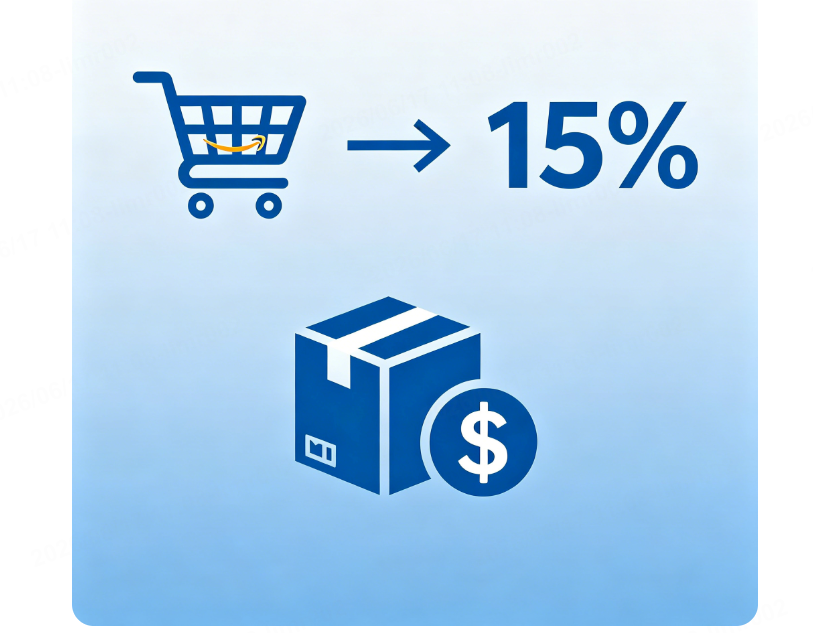
Table of Contents
What Are Referral Fees on Amazon? The Definitive Answer
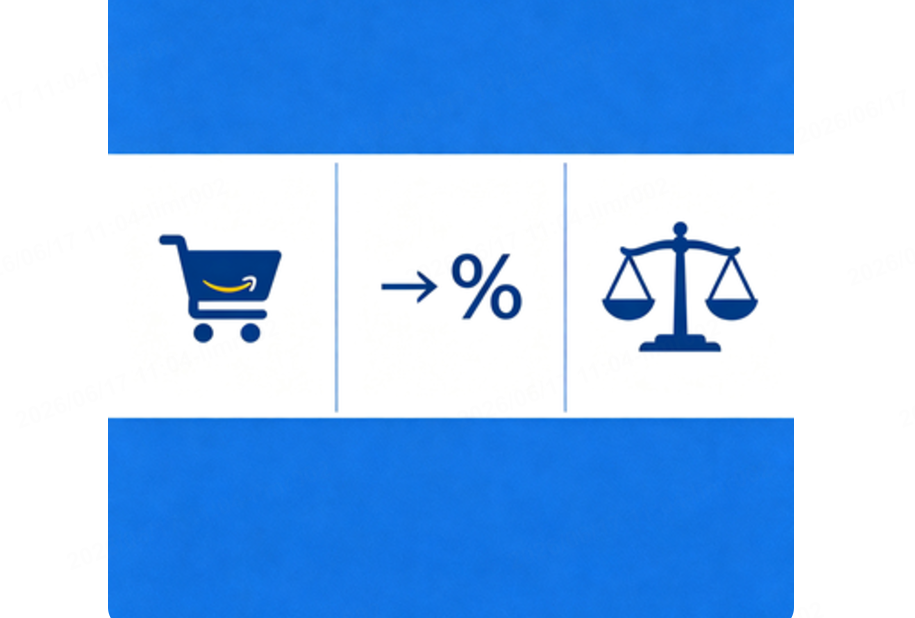
Let‘s start with the basics. Referral fees on Amazon are the commissions Amazon charges sellers for each item sold through its marketplace. Think of it as Amazon’s cut for providing the platform, the traffic, and the customers.
Here‘s how it works: for every item you sell, Amazon takes a percentage of the total sales price—which includes the item price, shipping charges, and any gift-wrapping fees—or a minimum fee amount, whichever is greater. The exact percentage depends on your product category.
Most referral fees fall between 8% and 15%, though some categories can go as high as 45%. The average seller pays around 15% in referral fees alone.
But here‘s the catch: the referral fee is just one piece of the puzzle. When you stack referral fees, FBA fulfillment fees, storage fees, and advertising costs, Amazon’s total effective cut can reach up to 50% of seller revenue. That‘s why understanding what are referral fees on Amazon in isolation isn’t enough—you need to see the full picture.
How Are Amazon Referral Fees Calculated?
Understanding the calculation methodology is critical for accurate pricing. Here‘s the formula:
Referral Fee = (Item Price + Shipping + Gift Wrap) × Category Percentage
Or the minimum referral fee, whichever is greater
For example, if you sell a product in a 15% category at $100 with $5 shipping, your referral fee is $15.75. If you sell a low-priced item where the percentage calculation falls below the minimum fee, you’ll pay the minimum instead.
Important 2026 Update: Starting August 1, 2026, Amazon will change how referral fees are calculated for certain orders in Europe, moving from Sales Proceeds to a Fee Base Amount. This change affects the calculation methodology for transactions purchased by Amazon Business EU entities. Sellers operating in European markets should review this change carefully.
Amazon Referral Fee Rates by Category (2026)
Not all categories are created equal. Here are the key referral fee rates for 2026:
| Category | Referral Fee Rate | Notes |
|---|---|---|
| Business, Industrial & Scientific Supplies | 12% | No subcategory exceptions |
| Automotive & Powersports | 12% | No subcategory exceptions |
| Electronics | 8% | One of the lowest rates |
| Clothing & Accessories (EU) | 5–10% | Tiered: 5% up to €15, 10% for €15–20 |
| Home Products (EU, new category) | 8% | For items up to €20 |
| Pet Clothing & Food (EU) | 5% | For items up to €10 |
| Grocery & Gourmet (EU) | 5% | For items up to €10 |
| Most Other Categories | 15% | Standard rate for most sellers |
| Amazon Device Accessories | Up to 45% | Highest rate on the platform |
Critical Warning for B2B Sellers: Amazon‘s published fee schedule lists 12% for Business, Industrial, and Scientific Supplies and Automotive and Powersports. However, many sellers have discovered that Amazon’s internal fee logic actually charges 15% on products listed in these categories—because the system maps them to a different internal fee category (Tools & Home Improvement). Multiple seller forum posts and escalation cases have confirmed this discrepancy, with one seller documenting $4,546 per year in overcharges.
Bottom line: Don‘t assume the published rate applies to your specific ASIN. Always verify using Amazon’s Revenue Calculator before finalizing your pricing.
What‘s Changing in 2026? Key Fee Updates
2026 is a year of mixed signals for Amazon sellers. Here’s what you need to know:
US Market
- No new referral fee types will be introduced in 2026
- FBA fees will increase by an average of $0.08 per unit sold, or less than 0.5% of an average item‘s selling price
- This follows no increase in US referral and FBA fees in 2025
- Referral fee percentages are frozen at 2025 levels
European Market
- One of Amazon‘s largest-ever fee reductions—lowering fees by an average of €0.17 per unit sold
- Clothing & Accessories: Reduced from 8% to 5% for items up to €15, and from 15% to 10% for items between €15 and €20
- Home Products (new category): Reduced from 15% to 8% for items priced up to €20
- Pet Clothing & Food: Reduced from 15% to 5% for items up to €10
- Grocery, Gourmet & Vitamins: Reduced from 8% to 5% for items up to €10
India Market
- Zero referral fees on over 12.5 crore products priced up to ₹1,000, effective March 15, 2026
- Fans and Robotic Vacuums: Referral fee increasing from 4.5% to 7.0% for products priced ₹1,000–₹5,000, effective June 10, 2026
The Real Cost of Amazon Referral Fees: Impact on B2B Margins
For B2B sellers operating at scale, referral fees aren‘t just a line item—they’re a strategic consideration that affects everything from pricing to product selection.
Here‘s the math:
If you‘re selling a product at $50 with a 15% referral fee, you’re paying $7.50 per unit just in commission. On 10,000 units, that‘s $75,000 in referral fees alone. Add FBA fulfillment (averaging around $3.22 for a standard small item), storage fees, and advertising costs, and your effective cost structure can easily exceed 30–40% of revenue.
The 2026 fee changes have reduced net margins by approximately 1.2 percentage points. While that might sound small, at scale it represents a significant hit to profitability.
This is where strategic sourcing becomes critical. The products you choose, the suppliers you work with, and the logistics you deploy all directly impact your ability to absorb these fees and maintain healthy margins.
How LooperBuy Helps You Beat Amazon‘s Fee Game
As a One-Stop B2B Sourcing Platform, LooperBuy is uniquely positioned to help Amazon sellers optimize their cost structure and protect margins against rising referral and fulfillment fees. Here’s how:
1. Lower Product Costs Through Direct China Sourcing
The most effective way to offset Amazon‘s fees is to reduce your cost of goods sold. LooperBuy connects you directly with 10,000+ vetted Chinese suppliers across 50+ B2B categories—eliminating middleman markups and reducing product costs by 20–40% compared to US or European sourcing.
2. Product Selection That Maximizes Margin
Not all categories are created equal. Some Amazon categories have lower referral fees (like Electronics at 8%) while others are higher. LooperBuy’s platform gives you access to a vast product database, allowing you to choose products in fee-friendly categories while still meeting your clients‘ needs.
3. Optimized Logistics to Reduce FBA Costs
FBA fees are rising, but LooperBuy‘s integrated global logistics network can help you minimize them. Our dry port integration reduces transit times by 15–20%, and our load calculators optimize container utilization—lowering your per-unit shipping costs and helping you hit Amazon’s tight inventory windows.
4. Bulk Ordering Power
Amazon‘s Business bulk order fee discount applies standard referral rates to the first €1000 of an order, then discounted rates above that threshold. LooperBuy helps you consolidate orders and achieve the volumes needed to qualify for these discounts.
5. Real-Time Cost Visibility
Our platform provides end-to-end procurement visibility, including all-inclusive cost estimates that factor in product costs, logistics, customs, and Amazon fees. You know your total landed cost before you place an order—no surprises, no hidden fees.
A 5-Step Strategy to Protect Your Amazon Margins in 2026
Based on my experience working with B2B Amazon sellers, here‘s a practical framework for managing referral fees and protecting profitability:
Step 1: Map Your True Cost Structure
Don’t just look at your product cost. Calculate your total landed cost: product cost + freight + customs + referral fee + FBA fee + storage + advertising. Only then can you set prices that deliver real profit.
Step 2: Verify Your Actual Referral Fee Rate
Don‘t trust the published category rate. Use Amazon’s Revenue Calculator to check the actual referral fee for each of your ASINs. If you‘re being charged 15% in a 12% category, you need to know—and potentially escalate.
Step 3: Optimize Your Product Sourcing
Source products with lower referral fee categories where possible. LooperBuy‘s platform makes it easy to explore different product categories and find high-margin opportunities.
Step 4: Reduce Your Cost of Goods Sold
The simplest way to offset higher fees is to lower your product cost. Direct China sourcing through LooperBuy can reduce COGS by 20–40%, giving you room to absorb Amazon‘s fees while maintaining competitive pricing.
Step 5: Plan for Peak Season Inventory Windows
Amazon’s referral fees apply regardless of when you sell, but missing peak season inventory cutoffs means lost revenue that no fee reduction can recover. LooperBuy‘s logistics network ensures your products arrive at FBA warehouses on time—every time.
Call to Action: Start Sourcing Smarter Today
Amazon‘s referral fees aren’t going away. But with the right sourcing strategy, you can minimize their impact and maximize your profitability.
LooperBuy is your trusted partner for direct China sourcing—offering unrivaled product diversity, competitive pricing, and seamless global logistics. Whether you‘re a new Amazon seller or a seasoned B2B wholesaler, our platform gives you the tools you need to reduce costs, protect margins, and scale your business.
Sign up for LooperBuy today to unlock free access to our vetted Chinese supplier network. Our dedicated B2B support team will help you find the right products, optimize your logistics, and start saving on every order.
Your margins will thank you.
Frequently Asked Questions (FAQ)
1. What are referral fees on Amazon and how are they calculated?
Referral fees are Amazon‘s commission on each sale, calculated as a percentage of the total sales price (item price + shipping + gift wrap) or a minimum fee, whichever is greater. The percentage varies by product category, typically ranging from 8% to 15%.
2. What is the average Amazon referral fee percentage?
Most sellers pay between 8% and 15% in referral fees, with the average around 15%. However, some categories like Electronics are as low as 8%, while Amazon Device Accessories can go up to 45%.
3. Are Amazon referral fees changing in 2026?
In the US, referral fee percentages are frozen at 2025 levels with no new fee types introduced. In Europe, Amazon is implementing one of its largest-ever fee reductions, lowering fees by an average of €0.17 per unit.
4. Do I pay referral fees on shipping costs?
Yes. Amazon calculates referral fees on the total sales price, which includes the item price, shipping charges, and any gift-wrapping fees.
5. How can I reduce my Amazon referral fee burden?
You can‘t change the referral fee rate for your category, but you can reduce your cost of goods sold through direct China sourcing (via LooperBuy), choose products in lower-fee categories, and optimize your logistics to minimize FBA costs.
6. Why is Amazon charging me 15% when my category says 12%?
This is a known issue affecting Business, Industrial & Scientific Supplies and Automotive categories. Amazon’s internal fee logic may map your product to a different internal fee category (like Tools & Home Improvement) even though it‘s listed in a 12% category. Always verify your actual rate using Amazon’s Revenue Calculator.
References
- Amazon. (2026). Grow Your Business, Cost-Effectively. Retrieved from https://sell.amazon.co.uk/le/pricing
- Amazon. (2026). How Much Does It Cost to Sell on Amazon? Retrieved from https://sell.amazon.nl/en/prijsstelling
- ZonGuru. (2026, May 19). What Percentage Does Amazon Take? The Real Numbers for 2026. Retrieved from https://www.zonguru.com/blog/what-percentage-does-amazon-take
- Amazon Selling Partner Services. (2025, October 15). Update to U.S. Referral and Fulfillment by Amazon Fees for 2026. Retrieved from https://sellingpartners.aboutamazon.com/update-to-u-s-referral-and-fulfillment-by-amazon-fees-for-2026
- Amazon Seller Central. (2026). Referral Fee Schedule. Retrieved from https://sellercentral.amazon.com/help/hub/reference/GTG4BAWSY39Z98Z3
- Amazon Seller Central Forums. (2026). Amazon Fulfillment Fee Discussion. Retrieved from https://sellercentral.amazon.fr/seller-forums/discussions/t/a8074754-eb31-4020-bfdc-8d17cdae5c37
- SellerSprite. (2026, June 9). Amazon FBA Fees 2026: The Complete Guide to Every Change + How to Protect Your Margins. Retrieved from https://cn.sellersprite.com
- Repricer. (2026, April 23). Net Margin Repricing: The 2026 Guide to Actually Keeping Your Amazon Profit. Retrieved from https://www.repricer.com
- LooperBuy. (2026). Supplies Business: B2B Sourcing Guide for Global Buyers. Retrieved from https://blog.looperbuy.com/supplies-business-a-b2b-experts-guide-to-sourcing-chinese-goods-globally-with-looperbuy.html
Article Introduction: Amazon referral fees are commissions charged on every sale, typically ranging from 8% to 15% depending on your product category. In 2026, US referral fees are frozen while Europe sees major reductions, but rising FBA costs mean sellers must optimize their entire cost structure. This guide from a B2B sourcing expert explains exactly what are referral fees on Amazon, how they‘re calculated, which categories have the lowest rates, and how strategic sourcing through LooperBuy can help you protect your margins by reducing product costs by 20–40% through direct China sourcing.
Hot Tags
what are referral fees on amazon, amazon referral fee rates 2026, amazon seller fees explained, B2B amazon selling costs, looperbuy B2B sourcing, amazon fba fee guide, china sourcing for amazon sellers, amazon referral fee by category, how to reduce amazon fees, amazon profit margin optimization
-700x490.jpeg)