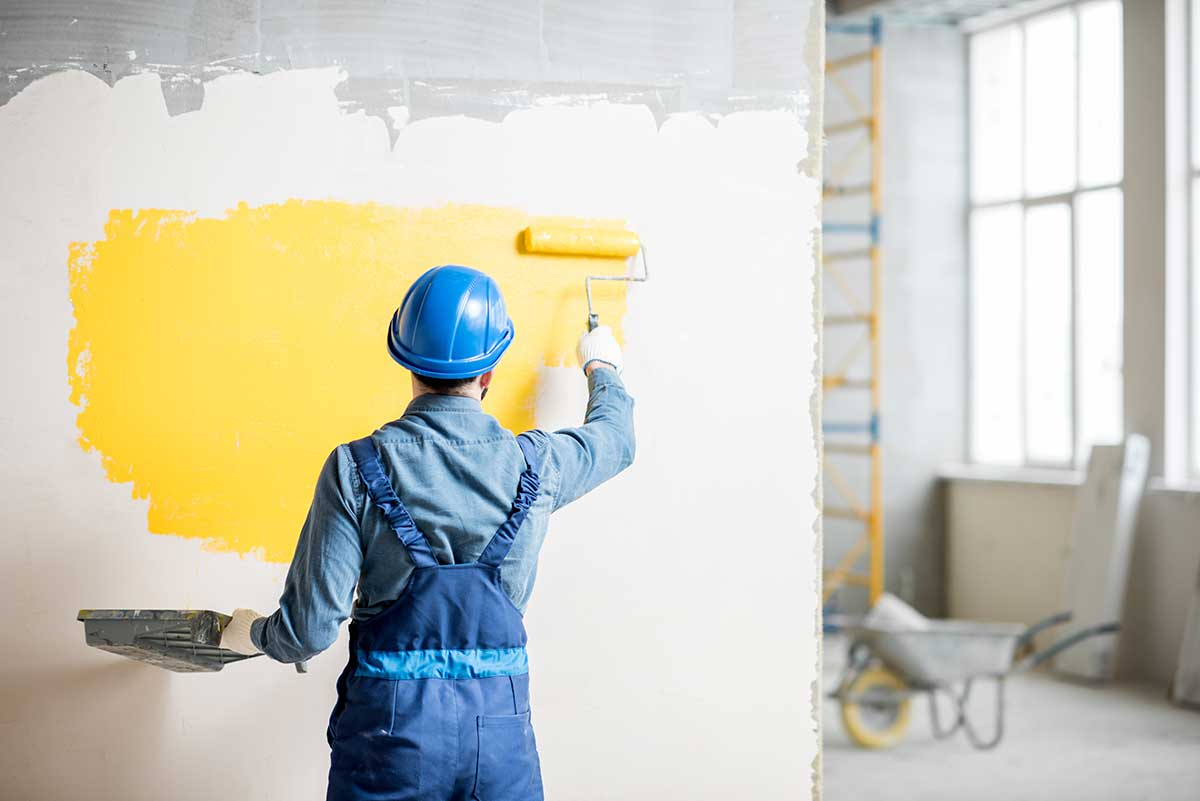
Decorator painting is a fascinating art form that combines creativity with technical skill to enhance the aesthetic appeal of various surfaces. This technique goes beyond simple wall painting; it involves intricate designs, textures, and finishes that can dramatically alter the ambiance of a room. In this article, we will explore the various aspects of decorator painting, its techniques, benefits, and how it can be used to transform your living or working space.
Table of Contents
Understanding Decorator Painting
Decorator painting refers to a range of painting techniques that are used to create decorative effects on walls, ceilings, furniture, and other surfaces. Unlike traditional painting, which typically focuses on color application, decorator painting emphasizes texture, pattern, and artistic expression. This can include techniques such as sponging, rag rolling, stenciling, and faux finishes. Each of these methods allows for a unique interpretation of color and design, enabling homeowners and decorators to express their personal style and creativity in their spaces.
The History of Decorator Painting
The roots of decorator painting can be traced back to ancient civilizations, where artisans used natural pigments to create murals and decorative elements in their environments. For instance, the Egyptians adorned their tombs with intricate paintings that told stories of the afterlife, while the Greeks and Romans used fresco techniques to embellish their public buildings and homes. Over the centuries, this practice evolved, influenced by various artistic movements and cultural trends. In the Renaissance, for example, fresco painting became popular, showcasing intricate designs and vibrant colors that celebrated humanism and nature. Today, decorator painting continues to thrive, with modern techniques and materials allowing for even greater creativity, making it accessible to both professional artists and DIY enthusiasts.
Key Techniques in Decorator Painting
Decorator painting encompasses a variety of techniques, each offering unique visual effects. Here are some of the most popular methods:
Faux Finishes
Faux finishes mimic the appearance of materials such as marble, wood, or stone. This technique can add depth and sophistication to a space without the cost of using real materials. Faux finishes are often achieved through layering colors and using specific tools to create texture. For example, a faux marble finish can be created using a combination of sponges and brushes to replicate the veining and color variations found in natural stone. This technique is particularly popular in high-end interiors where the look of luxury is desired without the associated costs.
Stenciling
Stenciling involves applying paint through a cut-out template to create patterns or designs. This technique is versatile and can be used for borders, motifs, or even entire wall designs. Stencils can be purchased or custom-made, allowing for personalized decor. The beauty of stenciling lies in its ability to create intricate designs with precision, making it an excellent choice for those who want to add a touch of elegance or whimsy to their spaces. From floral patterns to geometric shapes, the possibilities are endless, and stenciling can be adapted to suit any style.
Sponging and Rag Rolling
These techniques involve using a sponge or rag to apply paint in a way that creates a textured effect. Sponging can produce a soft, cloud-like appearance, while rag rolling offers a more pronounced texture. Both methods are excellent for adding visual interest to walls. Sponging is often used to create a subtle, layered look that can soften the overall appearance of a room, while rag rolling can add a more dramatic effect, making it ideal for accent walls or areas where a bold statement is desired.
Ombre and Gradient Techniques
Ombre painting involves blending colors from light to dark or vice versa, creating a smooth transition. This technique can be used on walls, furniture, or even fabrics, providing a modern and stylish look. Ombre effects can evoke a sense of calm and tranquility, making them perfect for bedrooms or relaxation spaces. The gradient technique can also be applied creatively to furniture pieces, such as dressers or tables, to give them a unique and contemporary flair.
Benefits of Decorator Painting
Decorator painting offers numerous advantages for homeowners and businesses alike. Here are some key benefits:
Enhanced Aesthetic Appeal
One of the most significant benefits of decorator painting is its ability to enhance the visual appeal of a space. With the right techniques, even the most mundane walls can become stunning focal points. The transformation can be so dramatic that it can change the entire atmosphere of a room, making it feel more inviting and stylish. This enhancement not only improves the immediate environment but can also influence the mood and feelings of those who inhabit the space.
Increased Property Value
Well-executed decorative painting can increase the value of a property. Potential buyers are often drawn to homes that showcase unique and appealing design elements, making decorator painting a worthwhile investment. A beautifully decorated space can set a property apart in a competitive market, attracting more interest and potentially leading to higher offers. This is particularly true in areas where home aesthetics play a significant role in buyer decisions.
Personalization
Decorator painting allows for a high degree of personalization. Homeowners can choose colors, patterns, and techniques that reflect their style and preferences, creating a space that feels uniquely theirs. This level of customization can make a house feel more like a home, as it embodies the personality and tastes of its inhabitants. Whether opting for bold colors or subtle textures, decorator painting provides the freedom to express individuality in a tangible way.
Versatility
Decorator painting can be applied to various surfaces, including walls, ceilings, furniture, and even outdoor spaces. This versatility makes it an excellent choice for both residential and commercial applications. For instance, businesses can use decorative painting to create a brand identity through their interior design, while homeowners can use it to enhance different areas of their homes, from living rooms to patios. The adaptability of decorator painting means it can be tailored to suit any environment or purpose.
Choosing the Right Decorator Painting Style
When considering decorator painting for your space, it’s essential to choose a style that complements your existing decor. Here are some popular styles to consider:
Traditional
Traditional decorator painting often features classic patterns and colors. Techniques such as stenciling and faux finishes can be used to create a timeless look that enhances the elegance of a space. This style is characterized by rich colors, intricate designs, and a sense of history, making it ideal for homes with traditional architecture or furnishings. Incorporating traditional elements can create a warm and inviting atmosphere that feels both sophisticated and comfortable.
Modern
Modern decorator painting embraces bold colors and geometric patterns. Techniques like ombre and gradient painting can create striking visual effects that align with contemporary design trends. This style often features clean lines and minimalistic designs, allowing for a fresh and airy feel. Modern decorator painting can be particularly effective in urban settings, where the aesthetic often leans towards sleek and stylish.
Rustic
Rustic styles often incorporate natural colors and textures. Techniques such as sponging and rag rolling can be used to create a warm, inviting atmosphere that reflects a connection to nature. This style is perfect for homes in rural areas or those that aim to evoke a cozy, cabin-like feel. The use of earthy tones and organic textures can create a sense of tranquility and comfort, making spaces feel more grounded and welcoming.
Eclectic
For those who love to mix and match, an eclectic style allows for a combination of various techniques and colors. This approach can result in a vibrant and dynamic space that showcases individuality. Eclectic decorator painting encourages creativity and experimentation, allowing homeowners to blend different styles and influences to create a truly unique environment. This style is perfect for those who appreciate art and design and want their home to reflect their diverse tastes.
The Process of Decorator Painting
Understanding the process of decorator painting can help you achieve the best results. Here’s a general overview of the steps involved:
Planning and Design
Before starting any painting project, it’s crucial to plan and design your approach. Consider the colors, techniques, and patterns you want to use. Sketching out your ideas can help visualize the final result. This planning phase is essential for ensuring that the chosen design aligns with the overall aesthetic of the space and meets your personal preferences. It can also help identify any potential challenges or considerations that may arise during the painting process.
Preparation
Proper preparation is key to a successful painting project. This includes cleaning the surfaces, repairing any damage, and applying primer if necessary. Taking the time to prepare will ensure that the paint adheres well and the final finish is smooth. Additionally, protecting surrounding areas with drop cloths and painter’s tape can prevent accidental splatters and ensure clean lines. A well-prepared surface will not only enhance the appearance of the paint but also extend its longevity.
Application
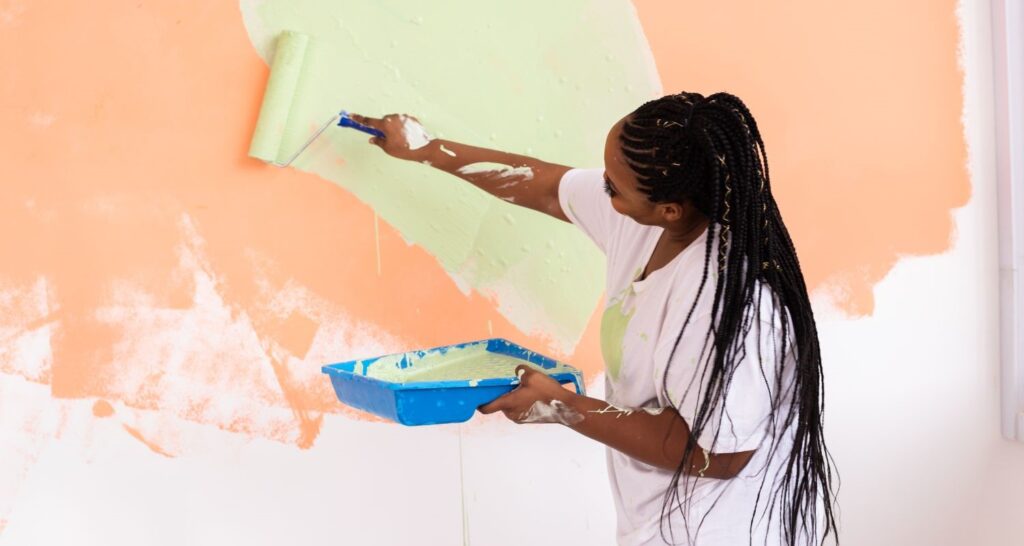
Once the preparation is complete, it’s time to apply the paint. Depending on the technique, this may involve using brushes, rollers, sponges, or stencils. It’s essential to follow the specific instructions for each technique to achieve the desired effect. For example, when using stencils, it’s important to secure them properly to avoid paint bleeding underneath. Patience and attention to detail during this phase can significantly impact the final outcome, resulting in a professional-looking finish.
Finishing Touches
After the paint has dried, consider adding finishing touches such as sealants or topcoats to protect the surface and enhance the durability of the finish. This step is especially important for high-traffic areas or surfaces that may be exposed to moisture. Finishing touches can also include adding decorative elements, such as trim or molding, to further enhance the overall design. These details can elevate the look of the painted surface and ensure it remains beautiful for years to come.
Maintenance of Decorator Painted Surfaces
Maintaining decorator painted surfaces is crucial to preserving their beauty. Here are some tips for keeping your painted surfaces looking fresh:
Regular Cleaning
Dust and dirt can accumulate on painted surfaces, dulling their appearance. Regularly dusting and gently cleaning with a damp cloth can help maintain the vibrancy of the paint. It’s important to establish a cleaning routine that suits the specific needs of each surface, as some finishes may require more delicate care than others. For example, glossy finishes may be more resistant to stains, while matte finishes might need more frequent attention to keep them looking pristine.
Avoid Harsh Chemicals
When cleaning painted surfaces, avoid using harsh chemicals that can damage the finish. Instead, opt for mild soap and water solutions to keep the surfaces clean without causing harm. Testing any cleaning solution on a small, inconspicuous area first can help ensure that it won’t adversely affect the paint. This precaution can save time and effort in the long run by preventing potential damage.
Touch-Up as Needed
Over time, painted surfaces may require touch-ups due to wear and tear. Keeping a small amount of the original paint on hand can make it easy to address any scuffs or scratches. Touching up areas promptly can prevent further damage and maintain the overall appearance of the space. Additionally, documenting the paint colors and techniques used can be helpful for future maintenance or renovations.
Conclusion
Decorator painting is a powerful tool for transforming spaces, offering endless possibilities for creativity and personalization. Whether you’re looking to refresh a room or create a stunning focal point, understanding the various techniques and styles can help you achieve your desired look. With careful planning and execution, decorator painting can enhance the beauty and value of your home or business, making it a worthwhile investment in your environment.
How To Purchase:https://looperbuy.com/search?keywords=decorator+painting
Related Questions and Answers
1.What is the difference between decorator painting and regular painting?
Decorator painting focuses on creating decorative effects and textures, while regular painting typically involves applying a single color to a surface.
2.Can I do decorator painting myself, or should I hire a professional?
While some techniques can be done by DIY enthusiasts, hiring a professional can ensure high-quality results, especially for more complex designs.
3.What materials do I need for decorator painting?
Common materials include paint, brushes, rollers, sponges, stencils, and protective gear like drop cloths and painter’s tape.
4.How long does decorator painting last?
With proper maintenance, decorator painted surfaces can last for many years. However, high-traffic areas may require more frequent touch-ups.
5.Are there any trends in decorator painting for 2024?
Current trends include bold colors, geometric patterns, and eco-friendly paints, reflecting a growing interest in sustainability and unique design.