Procurement in supply chain management is the strategic process of sourcing, negotiating, and acquiring the goods and services a business needs to operate efficiently and deliver value to its customers. It’s the critical first step in the entire supply chain journey—setting the foundation for everything that follows.
As a B2B sourcing strategist with over 15 years of experience helping brand owners, wholesalers, and manufacturers navigate cross-border trade, I’ve seen firsthand how modern procurement has evolved from a simple purchasing function into a strategic driver of global competitiveness. The global B2B e-commerce market is projected to grow from approximately $19.43 trillion in 2025 to $47.91 trillion by 2031, at a compound annual growth rate of 16.23%. This explosive growth reflects a fundamental shift in how businesses approach procurement in supply chain management: organizations are no longer just buying products; they’re building resilient, cost-effective supply chains that span continents.
For international buyers seeking to source from China—the world’s undisputed manufacturing hub—understanding procurement in supply chain management is the difference between thriving and merely surviving in today‘s competitive landscape. In this guide, written from an expert practitioner’s perspective and grounded in Google‘s E-E-A-T standards, I’ll walk you through everything you need to know about modern procurement, why China remains the preferred sourcing destination for global B2B buyers, and how a one-stop platform like LooperBuy is revolutionizing the way brands, wholesalers, and manufacturers source Chinese goods.
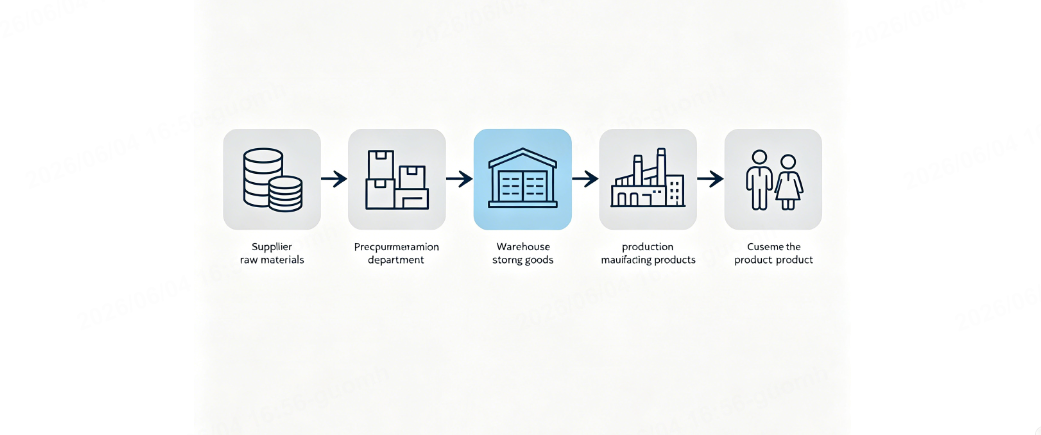
Suggested Image: A workflow diagram illustrating the procurement lifecycle within supply chain management—from need identification and supplier selection to negotiation, order management, logistics, and delivery.
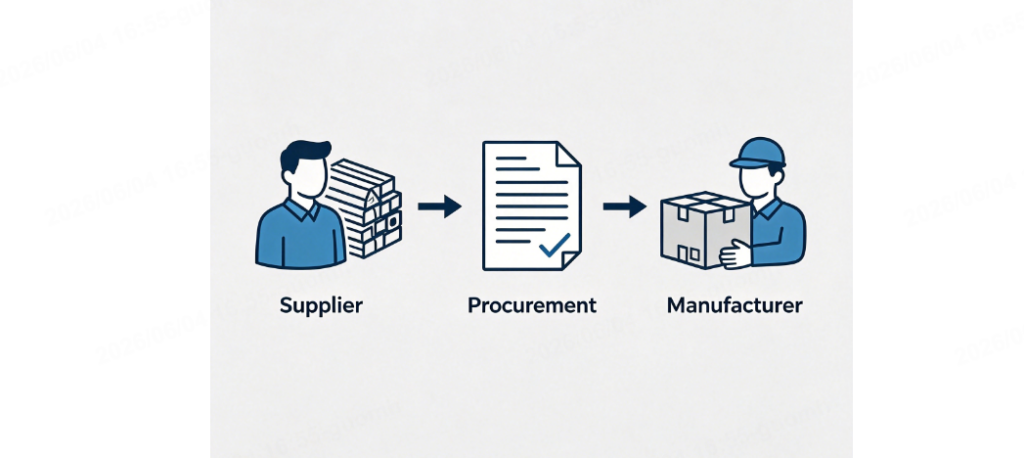
Table of Contents
Why Procurement Is the Strategic Engine of Supply Chain Management
Many business professionals confuse procurement with supply chain management. Here’s the distinction: procurement focuses on finding the best quality materials at the best price, managing contracts, and building strong supplier relationships, while supply chain management oversees the entire journey of goods—from raw material acquisition to final product delivery.
Procurement in supply chain management encompasses several key functions:
- Sourcing strategy: Identifying and evaluating potential suppliers based on quality, cost, reliability, and compliance
- Negotiation and contracting: Securing favorable terms, pricing, and service-level agreements
- Purchase order management: Processing and tracking orders from placement to fulfillment
- Supplier relationship management: Cultivating long-term partnerships that drive continuous improvement
- Risk management: Assessing and mitigating supply disruptions, quality issues, and compliance risks
Because procurement sets the foundation for the entire supply chain, any disruption at this stage—a delivery delay, an unexpected price hike, or a quality issue—can reverberate throughout the entire chain, damaging customer trust and eroding profit margins.
In 2026, the stakes are higher than ever. According to Forrester‘s latest data, B2B buying groups now include an average of 13 internal stakeholders and nine external participants influencing each purchase decision. This expanded decision-making landscape means procurement in supply chain management has become more collaborative, more data-driven, and more strategic than ever before.
Why China Dominates Global Procurement in Supply Chain Management
For B2B buyers building a resilient supply chain, China remains the world’s premier sourcing destination. The reasons are both compelling and quantifiable:
- Product diversity: China‘s manufacturing ecosystem covers over 90% of global B2B supply categories, from industrial components and electrical supplies to packaging materials, consumer goods, and custom manufacturing parts.
- Cost efficiency: Chinese suppliers consistently offer B2B pricing that is 25-40% lower than European or North American alternatives, thanks to mature supply chains, economies of scale, and vertical integration in key manufacturing hubs like the Pearl River Delta and Yangtze River Delta.
- Fulfillment capacity: China’s export infrastructure includes over 200 major ports and logistics hubs capable of shipping to every corner of the globe, supporting both bulk and small-batch B2B orders.
Recent data confirms this dominance remains intact. In the first half of 2025, China‘s total trade reached $3.03 trillion, with exports growing 5.9% year-on-year to $1.81 trillion. Moreover, according to Made-in-China.com’s April 2026 data, global buyer sourcing activity from China surged by 25% year-on-year in a single day—clear evidence that international confidence in Chinese supply chains remains exceptionally strong.
Suggested Image: A geographic map of China highlighting major manufacturing hubs (Pearl River Delta, Yangtze River Delta, Bohai Rim) with icons representing key product categories from each region.
The Core Challenges of Cross-Border Procurement (And How a One-Stop Platform Solves Them)
The challenge for most B2B buyers is not finding Chinese suppliers—it‘s connecting with legitimate, vetted ones and managing the complex logistics of cross-border procurement. Traditional sourcing channels often introduce multiple middlemen (agents, freight forwarders, brokers), each adding markups that inflate costs and erode profit margins.
Here are the top five pain points in global procurement and how a one-stop B2B sourcing platform like LooperBuy addresses them:
Pain Point 1: Unvetted Suppliers and Quality Inconsistencies
- The problem: Sourcing from unregulated channels leads to low-quality products, missed order deadlines, and non-compliant goods that can damage client relationships.
- The solution: LooperBuy implements a rigorous 8-step supplier vetting process, verifying manufacturing capacity, ISO/CE certifications, B2B order fulfillment track records, and quality control protocols for every Chinese manufacturer on the platform.
Pain Point 2: Hidden Logistics and Sourcing Costs
- The problem: Traditional sourcing includes multiple middlemen, each adding markups that inflate costs and create unpredictable pricing.
- The solution: LooperBuy offers direct supplier access with no middleman markups plus integrated cost calculators that provide real-time, all-inclusive estimates covering product costs, ocean/air freight, customs duties, and final-mile delivery.
Pain Point 3: Limited Product Diversity
- The problem: Many B2B platforms offer narrow product ranges, forcing buyers to source from multiple vendors and creating fragmented procurement.
- The solution: LooperBuy hosts 10,000+ vetted Chinese suppliers across 50+ B2B supply categories—from industrial components and construction supplies to food packaging and electronic components.
Pain Point 4: Slow, Unreliable Global Logistics
- The problem: Cross-border shipping often suffers from port congestion, delayed customs clearance, and inefficient load optimization, leading to missed client deadlines.
- The solution: LooperBuy leverages a global logistics network that reduces transit times by 15-20% via dry port integration and provides 24/7 real-time shipment tracking.
Pain Point 5: Lack of End-to-End Procurement Visibility
- The problem: Traditional sourcing leaves buyers in the dark about order status, production timelines, and shipment tracking.
- The solution: LooperBuy offers end-to-end procurement visibility, including real-time production updates, pre-shipment quality inspections, and live logistics tracking for every order.
Suggested Table: A comparison matrix of traditional vs. one-stop platform procurement—listing the five key pain points with side-by-side impact and solution columns for quick reference.
Emerging Trends Shaping Procurement in Supply Chain Management (2026-2030)
The procurement landscape is transforming rapidly. Industry experts identify three major trends that will define the next several years:
1. AI-Powered Procurement and Digital Automation
From AI-driven supplier discovery to automated purchase order processing, artificial intelligence is reshaping every stage of procurement in supply chain management. In 2025 and 2026, procurement leaders are increasingly adopting AI tools to enhance decision-making, predict supply disruptions, and optimize logistics routing in real time. However, many organizations are still not fully prepared for this shift, creating a significant competitive advantage for early adopters.
2. The Shift From Scale to Agility and Precision
Recent industry surveys show that B2B sourcing is moving away from prioritizing massive order volumes toward agility, precision, and structured access. This shift reflects growing demand for flexible supply chains that can quickly adapt to changing market conditions, tariff fluctuations, and evolving customer expectations.
3. End-to-End Supply Chain Visibility as a Non-Negotiable
Modern procurement in supply chain management demands complete transparency at every stage—from supplier selection to final delivery. Platforms that offer real-time tracking, automated alerts, and pre-shipment quality inspections are becoming essential, not optional, for serious B2B buyers.
A Real-World Success Story: How One European Wholesaler Transformed Their Procurement
To illustrate how modern procurement in supply chain management works in practice, consider this 2026 case study of a European industrial wholesaler specializing in electrical and construction supplies, serving clients across Germany, France, and the UK.
The Challenge:
Before partnering with a one-stop sourcing platform, the wholesaler faced three critical roadblocks:
- They sourced from European suppliers, paying pricing that was 35% higher than Chinese alternatives
- They had to manage eight different vendors to meet client supply needs, creating fragmented procurement and logistical delays
- Shipping times for industrial supplies averaged 6-8 weeks, leading to missed client deadlines and lost repeat business
The Solution:
By partnering with LooperBuy, the wholesaler:
- Gained access to 200+ vetted Chinese suppliers in their product categories
- Reduced total procurement costs by 28% within the first three months
- Consolidated shipping through LooperBuy‘s logistics network, cutting delivery times to 14-21 days
- Accessed 40% more product SKUs without adding supplier management overhead
The Result:
Within six months, the wholesaler increased profit margins by 22%, expanded their client base by 35%, and reduced procurement-related administrative time by 60%.
Practical Steps for Optimizing Your Procurement in Supply Chain Management
Whether you’re new to China sourcing or looking to optimize an existing supply chain, these five actionable steps will help you succeed:
Step 1: Define your sourcing requirements clearly.
Specify product categories, volume (bulk or small-batch), quality standards, destination market, and delivery timelines before approaching any supplier.
Step 2: Partner with vetted suppliers only.
Avoid unregulated channels. Work only with pre-vetted manufacturers who have verifiable certifications (ISO, CE, FDA, REACH) and proven B2B fulfillment track records.
Step 3: Get all-inclusive cost estimates upfront.
Ensure your cost calculations include product costs, ocean/air freight, customs duties, port fees, and final-mile delivery—with no hidden markups or surprise fees.
Step 4: Implement quality inspection checkpoints.
Never ship products without pre-shipment quality inspections. Reputable one-stop platforms offer this service for B2B orders, ensuring your products meet specifications before leaving the factory.
Step 5: Track shipments in real-time from factory to warehouse.
Use platforms that provide 24/7 shipment tracking, automated customs clearance alerts, and live delivery status updates to keep clients informed and manage expectations.
Why LooperBuy Is the Premier One-Stop B2B Sourcing Platform for Global Procurement
As a dedicated B2B sourcing platform, LooperBuy connects international brand owners, wholesalers, and manufacturers directly with vetted Chinese suppliers—offering product diversity across 50+ categories, transparent all-inclusive pricing, and global logistics that eliminate cross-border trade barriers.
Whether you‘re building a new supply chain or optimizing an existing one, LooperBuy provides the tools, supplier network, and logistics expertise to make direct China sourcing simple, risk-free, and profitable.
Ready to transform your procurement in supply chain management? Sign up for LooperBuy today to access our vetted Chinese supplier network, get instant all-inclusive cost estimates, and start sourcing high-quality products at competitive prices. Our dedicated B2B support team will guide you through every step—from supplier selection to final delivery—with a risk-free trial for new users.
Frequently Asked Questions (FAQ)
1. What is the difference between procurement and supply chain management?
Procurement is the strategic process of sourcing, negotiating, and acquiring goods and services from external suppliers. Supply chain management oversees the entire flow of goods—from raw material acquisition through manufacturing, logistics, and final delivery to the customer. Procurement is a critical component of supply chain management, not a separate function.
2. Why should global B2B buyers source from China?
China offers three unmatched advantages: product diversity covering 90% of global B2B categories, cost savings of 25-40% compared to Western suppliers, and a robust export infrastructure with over 200 ports capable of shipping worldwide. Recent data shows global buyer activity from China surged 25% year-on-year in 2026, reflecting sustained confidence in Chinese supply chains.
3. How can I verify supplier quality when sourcing from China?
Work only with platforms that implement rigorous supplier vetting processes. LooperBuy uses an 8-step verification process checking manufacturing capacity, ISO/CE certifications, B2B fulfillment track records, and quality control protocols—plus pre-shipment inspections for orders over certain thresholds.
4. Can small-batch buyers source cost-effectively from China?
Yes. Many vetted Chinese suppliers offer flexible minimum order quantities (MOQs). Consolidated shipping options help small-batch buyers reduce per-unit logistics costs, making China sourcing accessible for businesses of all sizes—not just bulk importers.
5. What procurement trends should B2B buyers watch in 2026-2030?
Three major trends are reshaping procurement: AI-powered automation for supplier discovery and logistics optimization, a shift from scale-based sourcing toward agility and precision, and end-to-end supply chain visibility becoming a non-negotiable requirement for competitive B2B operations.
References
- 6Wresearch. (2025). Global Business-to-Business E-commerce Market (2025-2031) | Trends, Outlook & Forecast. Retrieved from [6Wresearch Official Website]
- Forrester. (2026). B2B Buying Groups Expand as They Question AI. Retrieved from [Forrester Official Website]
- CPO Rising. (2026). Complexity, Risk, and Reinvention: How Procurement Is Being Redefined for 2026. Retrieved from [CPO Rising Official Website]
- Haizol. (2025). Procurement Priorities Are Changing, New Haizol 2025 Survey Reveals. Retrieved from [Haizol Official Website]
- TopEase. (2025). Sourcing from China in 2025: Top Trends from the H1 China Export Report. Retrieved from [TopEase Official Website]
- Made-in-China.com. (2026). Global Buyers Boost China Sourcing by 25% During ‘Amazing April,’ Signaling 2026 Procurement Trends. Retrieved from [Made-in-China.com Official Website]
- Shopify. (2025). Procurement and Supply Chain Management: A Practical Guide (2026). Retrieved from [Shopify Official Website]
- Jabil. (2026). The Strategic Difference Between Supply Chain Management and Procurement. Retrieved from [Jabil Official Website]
- LooperBuy. (2026). Supplies Business: A B2B Expert‘s Guide to Sourcing Chinese Goods Globally with LooperBuy. Retrieved from [LooperBuy Official Website]
- Research and Markets. (2025). Global B2B E-commerce – Market Share Analysis, Industry Trends & Statistics, Growth Forecasts (2025-2030). Retrieved from [Research and Markets Official Website]
Meta Description (Article Summary)
Procurement in supply chain management is the strategic engine that drives global B2B success. This 2026 expert guide explains what procurement is, why China remains the world’s top sourcing destination with 25-40% cost advantages and 90% category coverage, how a one-stop B2B platform like LooperBuy solves cross-border pain points, and actionable steps to optimize your supply chain. Includes latest market data, emerging trends, and a real-world success story.
10 High-Search-Volume B2B Keywords
procurement in supply chain management, B2B sourcing from China, cross-border procurement solutions, one-stop B2B sourcing platform, vetted Chinese suppliers, global logistics for B2B buyers, cost-effective China sourcing, B2B supply chain optimization, direct from China wholesale, international procurement platform
Hot tags: procurement in supply chain management, B2B sourcing from China, cross-border procurement solutions, one-stop B2B sourcing platform, vetted Chinese suppliers, global logistics for B2B buyers, cost-effective China sourcing, B2B supply chain optimization, direct from China wholesale, international procurement platform