Fishing is a timeless activity that not only provides enjoyment but also teaches valuable life skills. For children, fishing toys serve as an excellent introduction to this beloved pastime. In this article, we will delve into various types of children’s fishing toys, their benefits, how to choose the right ones, and tips for enhancing the fishing experience for kids.
Table of Contents
The Importance of Fishing Toys for Children
Fishing toys are designed to mimic real fishing experiences while being safe and accessible for children. These toys can be used indoors or outdoors, making them versatile for various play environments.
Benefits of Fishing Toys
– Skill Development: Fishing toys help improve hand-eye coordination and fine motor skills. Children learn to control their movements while trying to catch fish, enhancing their dexterity.
– Patience and Perseverance: Fishing requires waiting and patience. Through play, children learn that success often comes after multiple attempts, fostering resilience.
– Social Interaction: Many fishing games are designed for multiple players, encouraging teamwork and social skills as children play together.
– Connection with Nature: Even when using toys, children can develop an appreciation for aquatic life and the environment.
Types of Children’s Fishing Toys
There is a wide variety of fishing toys available on the market today. Here are some popular types:
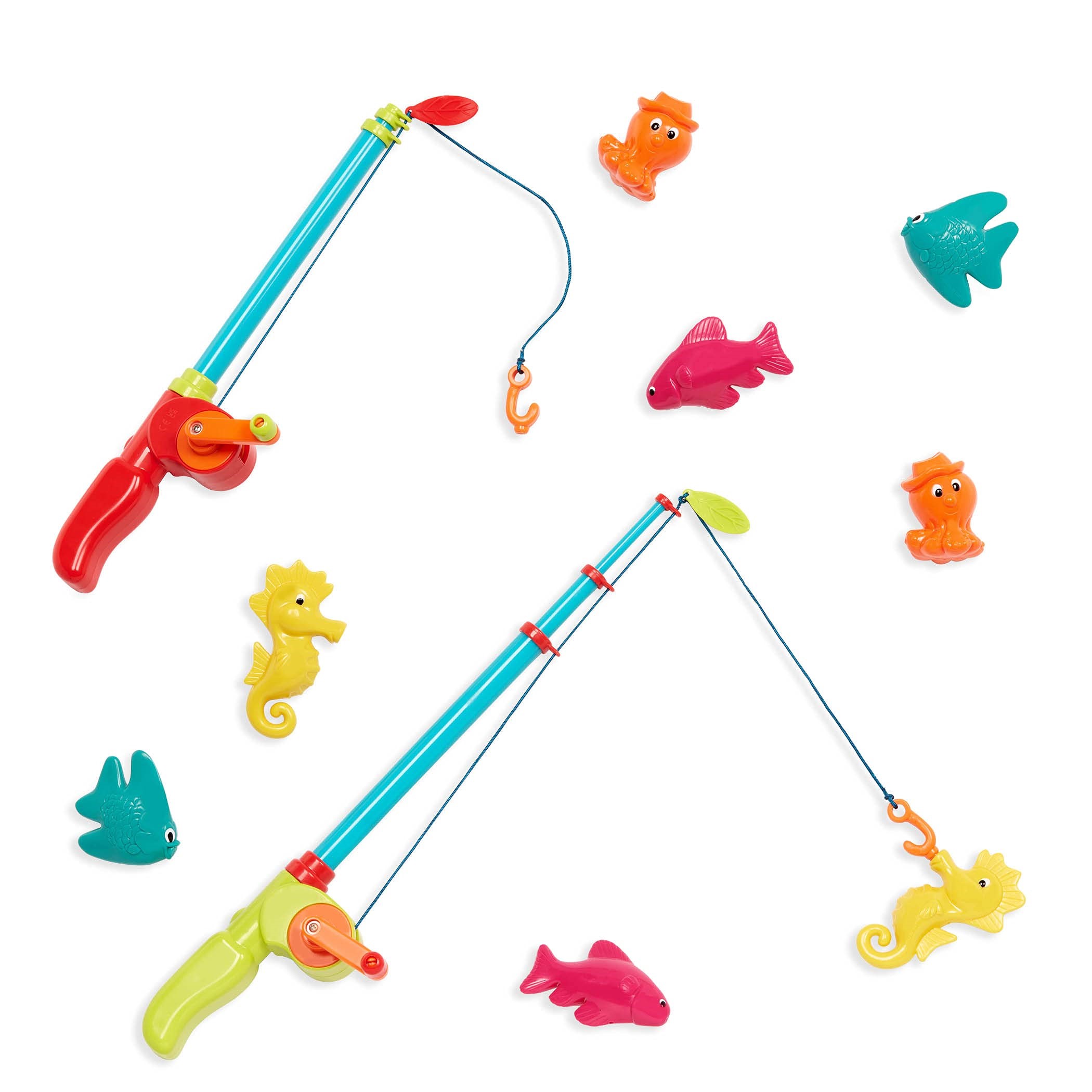
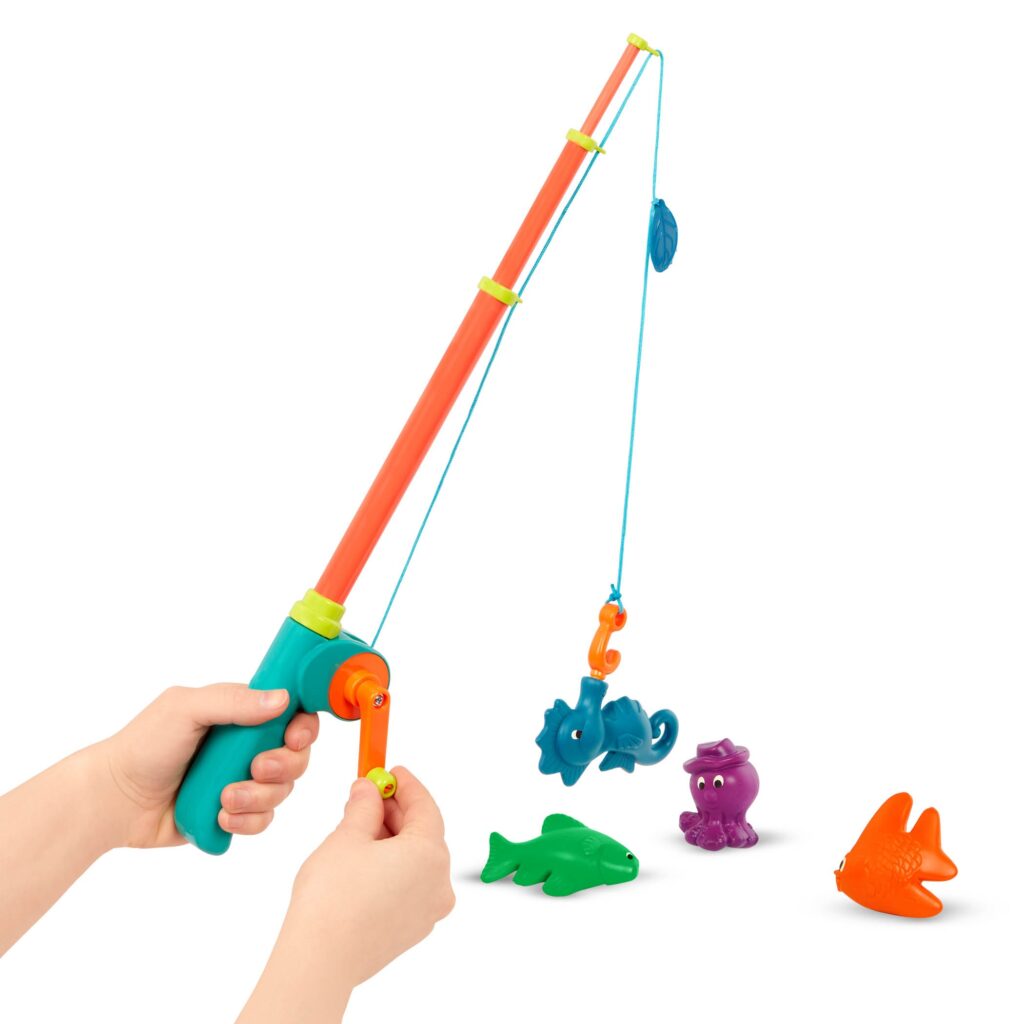
– Magnetic Fishing Games: These typically involve a rod with a magnetic hook that allows children to catch fish with embedded metal pieces. They are easy to use and great for younger children.
– Water Table Fishing Sets: These sets include a water table where children can fish for floating toys. They are perfect for outdoor play during warm weather.
– Fishing Rod Sets: These sets often include lightweight rods and colorful fish that can be caught in various settings, such as bathtubs or pools.
– Board Games: Many board games incorporate fishing themes, allowing children to enjoy the concept of fishing without needing water.
– Pretend Play Kits: These kits may include everything from toy fish to tackle boxes and are ideal for imaginative play.
Choosing the Right Fishing Toy
When selecting fishing toys for children, consider the following factors:
– Age Appropriateness: Ensure that the toy is suitable for your child’s age group. Check for safety warnings regarding small parts that could pose choking hazards.
– Durability: Look for high-quality materials that can withstand rough play, especially if used outdoors.
– Educational Value: Some fishing toys come with educational components, such as teaching colors or counting through play.
– Safety Standards: Always check if the toy complies with safety regulations to ensure it is safe for your child to use.
Popular Fishing Toy Brands
Several brands are well-known for their quality children’s fishing toys:
– B. Toys: Their Little Fisher’s Kit includes two easy-to-hold poles and eight color-changing sea animals, making it fun and educational.
– Melissa & Doug: This brand offers a variety of wooden fishing games that promote fine motor skills and imaginative play.
– Hape: Known for eco-friendly toys, Hape produces several fishing games designed to engage young minds while being safe for the environment.
Enhancing the Fishing Experience
To make the most out of fishing toy playtime, consider these tips:
– Create a Fun Environment: Set up a designated play area with water tables or inflatable pools where kids can fish safely.
– Incorporate Learning: Use fishing time as an opportunity to teach kids about different fish species, aquatic ecosystems, or even basic math by counting catches.
– Encourage Team Play: Organize friendly competitions or team-based activities to foster cooperation among kids while they enjoy their fishing toys.
Safety Considerations
While children’s fishing toys are generally safe, it is essential to supervise young children during playtime. Always check for any recalls or safety alerts related to specific products before purchasing.
The Role of Fishing Toys in Skill Development
Children’s fishing toys do more than just entertain; they serve as tools for development across various skill areas:
Fine Motor Skills
Using rods and reels helps enhance fine motor skills as children learn how to manipulate these tools effectively. The act of catching fish requires precision and control, which translates into improved dexterity over time.
Cognitive Development
Many fishing games incorporate elements of counting and color recognition. For example, some sets require players to identify different colored fish or count how many they’ve caught during a session. This not only makes playtime fun but also educational.
Emotional Growth
Fishing teaches patience—an important virtue in today’s fast-paced world. As children wait for their turn or try repeatedly to catch a fish, they learn how to manage frustration and develop perseverance.
Creative Play Ideas with Fishing Toys
To maximize the potential of children’s fishing toys, consider integrating creative play ideas:
– Themed Playdates: Organize a fishing-themed party where kids can dress up as fishermen or sea creatures while engaging in various fishing activities.
– Nature Exploration: Take the experience outdoors by visiting local ponds or lakes where children can observe real fish in their natural habitat after playing with their toys at home.
– Storytelling Sessions: Combine storytelling with play by creating narratives around the fish they catch—this encourages imagination and language development.
Environmental Awareness Through Fishing Toys
Fishing toys can also serve as a gateway to teaching children about environmental stewardship:
Understanding Ecosystems
By playing with aquatic-themed toys, kids can learn about different species of fish and their habitats. This knowledge fosters curiosity about marine life and encourages them to think critically about environmental conservation.
Sustainable Practices
Incorporating lessons on sustainable fishing practices during playtime can instill values related to respecting nature and understanding the importance of preserving aquatic ecosystems.
Conclusion
Children’s fishing toys provide an engaging way for kids to learn about fishing while developing essential skills. By choosing age-appropriate, safe, and durable options, parents can ensure their children enjoy countless hours of fun. Whether it’s through magnetic games or imaginative pretend play kits, these toys offer a wonderful introduction to the joys of fishing while promoting valuable life lessons along the way.
How to purchase:https://looperbuy.com/search?keywords=children%27s+fishing+toys
Frequently Asked Questions (FAQs)
1. What age is appropriate for children’s fishing toys?
– Most children’s fishing toys are suitable for ages 3 and up. Always check manufacturer guidelines for specific age recommendations.
2. Are magnetic fishing games safe?
– Yes, magnetic fishing games are generally safe; however, ensure they do not contain small parts that pose choking hazards for younger children.
3. Can fishing toys be used in water?
– Many fishing toys are designed specifically for use in water settings like pools or bathtubs. Always verify product descriptions before use.
4. What skills do children develop from playing with fishing toys?
– Children develop hand-eye coordination, patience, social skills, and an appreciation for nature through playing with fishing toys.
5. How can I make indoor fishing more engaging?
– Use colorful decorations and set up a themed environment at home. Incorporate educational elements by discussing marine life as they play.