A 15-year sourcing strategist explains why separating procurement and logistics destroys margins—and how LooperBuy’s one-stop platform brings them together.
As a B2B sourcing and logistics strategist with over 15 years of experience advising international brand owners, wholesalers, and manufacturers, I’ve watched countless businesses struggle with one fundamental question: “Should I focus on procurement or logistics first?”
The short answer is neither. You need both—and you need them working together.
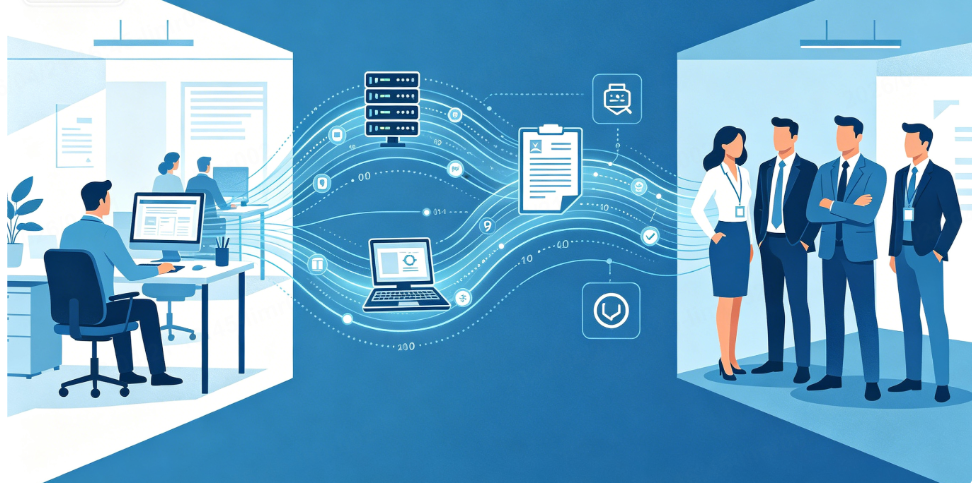
Yet most global buyers treat procurement and logistics as separate functions. One team finds suppliers and negotiates prices. Another team arranges shipping. The result? Hidden costs, delayed deliveries, and eroded trust. But when procurement and logistics are integrated—when a one-stop B2B sourcing platform manages both—your entire supply chain transforms.
In this guide, grounded in Google’s E-E-A-T standards, I’ll break down the core differences between procurement vs logistics, explain why separating them costs you money, and show you how LooperBuy’s one-stop platform solves the biggest pain points of global sourcing.
Table of Contents
What Is Procurement? More Than Just “Buying Stuff”
Procurement is the strategic process of sourcing and acquiring the goods or services a business needs from suppliers. This includes supplier evaluation, contract negotiation, purchasing decisions, and maintaining supplier relationships. The goal is to get the best price for the right quality—but in 2026, procurement has become far more complex.
In simple terms: Procurement is the “gatekeeper” of your supply chain. It decides what to buy, where to buy it from, and at what price.
What Procurement Teams Actually Do
- Supplier discovery and vetting
- Price negotiation and contract management
- Quality assurance and compliance checks
- Managing supplier relationships
- Strategic sourcing planning
As one logistics expert put it, “Procurement teams often focus on unit cost while logistics teams manage variability in transit times, port congestion, or inland transport constraints.” This natural tension is exactly where problems begin.
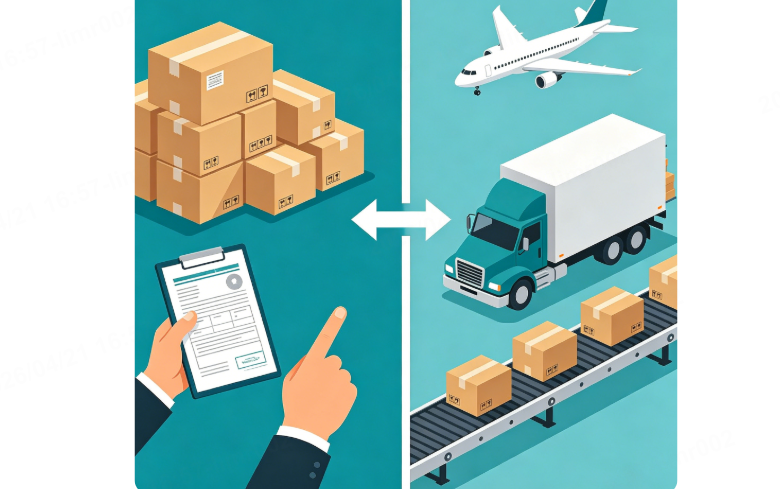
What Is Logistics? The Engine That Moves Your Goods
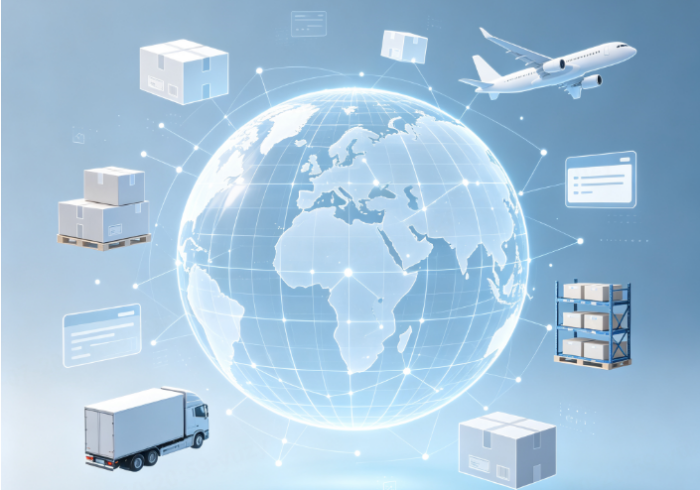
Logistics involves managing the movement of goods from the supplier to your customer. Its core mission is to get products from the factory floor to the end destination—efficiently, safely, and cost-effectively. Think of logistics as the “bridge” that connects procurement to delivery.
In simple terms: Logistics decides how goods move, when they arrive, and how much it costs to get them there.
What Logistics Teams Actually Do
- Transportation planning and freight management
- Warehousing and inventory control
- Customs clearance and documentation
- Last-mile delivery coordination
- Route optimization and cost tracking
Procurement vs Logistics: The 5 Key Differences Every Global Buyer Must Know
Understanding the differences between procurement vs logistics is essential for any B2B business sourcing from China. Here’s a clear breakdown:
| Aspect | Procurement | Logistics |
|---|---|---|
| Core focus | Acquiring goods and services from suppliers | Moving goods from point A to point B |
| Primary metric | Unit cost and quality | On-time delivery and freight cost |
| Key risks | Supplier reliability, price volatility, quality issues | Transportation delays, port congestion, inventory shortages |
| Time horizon | Long-term strategic planning | Short-term operational execution |
| Supplier relationship | Direct supplier management | Carrier and freight forwarder management |
Procurement faces supplier and price risks. Logistics deals with transportation delays and inventory shortages. Both require proactive risk management strategies—but when they operate in silos, neither can see the full picture.
💡 The critical insight: Your procurement decision determines your logistics burden. A supplier located far from a major port? Longer transit times, higher freight costs. A supplier with poor packaging standards? Damaged goods, return hassles, customer complaints.
Why Separating Procurement and Logistics Is Costing You Money
Here’s what I’ve seen repeatedly over 15 years in this industry: companies obsess over getting the lowest unit price from their procurement team, only to discover that their landed cost—the total cost including freight, duties, and warehousing—is actually higher than a slightly more expensive supplier closer to a major logistics hub.
Research shows landed costs often exceed base costs by 25% to 62% for China sourcing; ignoring this calculation is a primary cause of margin erosion for importers.
The problem is structural: procurement teams are measured on unit cost. Logistics teams are measured on on-time delivery and freight spend. Neither is measured on total landed cost—but that’s the only number that matters for your bottom line.
The “Procurement vs Logistics” Trap in Action
Consider this real-world scenario:
- Procurement team: Finds a factory in inland China offering $8.50 per unit—$1.50 cheaper than the coastal alternative.
- Logistics team: Has to truck goods 800km to the nearest port, pay higher inland freight, and deal with longer lead times.
- Total landed cost: Actually $1.80 higher than the coastal supplier due to hidden logistics expenses.
The takeaway: The cheapest supplier is rarely the cheapest total cost. Integration between procurement and logistics is the only way to see the full picture.
The 2026 Cost Reality: Why Integration Is No Longer Optional
Global sourcing in 2026 is under unprecedented pressure. According to the QIMA 2026 Global Sourcing Survey, 79% of supply chains expect costs to be a major supply chain disruption in 2026, with materials, shipping, and labor pressures nearly doubling since 2024.
Freight rates remain elevated compared to pre-pandemic baselines, and U.S. tariffs on Chinese goods exceed 45 percentage points above MFN rates. Xeneta reports that procurement decisions may have a greater impact on cost and performance than external disruption in 2026.
📊 The data is clear: In 2026, leading procurement teams will build long-term strategies that prioritize resilience and trust. The focus will shift from transactions to designing supply ecosystems that can absorb shocks.
And here’s the good news: analysts estimate that by 2026, organizations investing in integrated supply chain management systems will reduce operational costs by up to 20% and improve on-time delivery rates by over 15%.
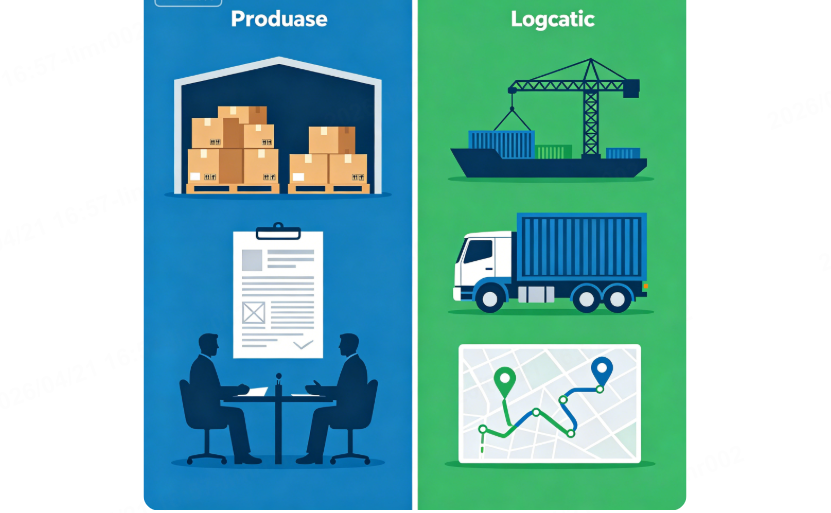
How a One-Stop B2B Sourcing Platform Solves the Procurement vs Logistics Problem
This is where LooperBuy changes the game.
LooperBuy is a One-Stop B2B Sourcing Platform that connects global buyers directly to vetted Chinese suppliers on 1688.com—China’s largest B2B marketplace. Founded in 2024 and partnered with LianLian Global for secure cross-border payments, LooperBuy helps overseas merchants reduce global supply chain barriers and operating costs.
What Makes LooperBuy Different
✅ Direct factory pricing: LooperBuy connects buyers directly to 1688.com’s quality supply, eliminating middleman markups.
✅ Price transparency: No hidden fees. No service charges. You pay exactly what you see.
✅ Integrated logistics: Seamless shipping from Chinese ports to your door, at competitive rates.
✅ Secure payments: Powered by LianLian Global’s payment network, enabling foreign currency payments directly from your account.
✅ End-to-end visibility: One platform for sourcing, purchasing, and shipping—no more siloed procurement vs logistics workflows.
What Real Users Are Saying
“In overseas procurement of Chinese goods, the price is much higher than buying directly on 1688.” This is the single biggest complaint I hear—and LooperBuy solves it.
“Every transaction requires paying high service fees, which affects my overall profitability.” LooperBuy’s direct factory sourcing model eliminates this entirely.
“Shipping costs are unpredictable and eat into my margins.” By integrating logistics directly into the platform, LooperBuy provides transparent, competitive freight rates upfront.
Step-by-Step: How to Optimize Both Procurement and Logistics with LooperBuy
For B2B professionals looking to streamline their global sourcing operations, here’s a practical framework:
Step 1: Start with Strategic Procurement
- Define your product specifications and quality requirements
- Use LooperBuy’s platform to search vetted 1688.com suppliers
- Compare factory prices directly—no hidden fees or middlemen
Step 2: Consider Logistics From Day One
- Factor in supplier location relative to major ports
- Request freight quotes before finalizing supplier selection
- Calculate total landed cost, not just unit price
Step 3: Use an Integrated Platform
- Manage both procurement and logistics within one interface
- Track orders from factory confirmation to final delivery
- Access real-time shipping updates without juggling multiple systems
Step 4: Monitor and Optimize Continuously
- Track key metrics: total landed cost, on-time delivery rate, lead time
- Use data to refine supplier selection and shipping methods
- Let the platform’s visibility help you identify hidden inefficiencies
The Verdict: Stop Choosing Between Procurement and Logistics
After 15 years in this industry, I can tell you this: the businesses that succeed in global sourcing are not the ones that excel at procurement OR logistics—they are the ones that master procurement AND logistics together.
In 2026, with costs rising, tariffs increasing, and supply chains under constant pressure, the ability to integrate these two functions is no longer a competitive advantage. It’s a survival requirement.
That’s why I recommend LooperBuy to every B2B buyer I advise. It’s the only platform I’ve seen that truly bridges the procurement vs logistics divide—giving you direct factory access, transparent pricing, and seamless global shipping in one integrated solution.
Ready to Transform Your Global Sourcing Strategy?
Stop managing procurement and logistics separately. Start saving on total landed cost today.
👉 [Visit LooperBuy to start sourcing directly from 1688.com suppliers with integrated global logistics.] (Link)
No hidden fees. No middlemen. Just factory-direct pricing and seamless shipping.
Frequently Asked Questions (FAQ)
1. What is the main difference between procurement and logistics?
Procurement focuses on sourcing and acquiring goods from suppliers, including supplier evaluation, negotiation, and purchasing. Logistics focuses on moving those goods from the supplier to the customer, including transportation, warehousing, and customs clearance. Both are essential for supply chain success, but they serve different functions.
2. Why should I care about the difference between procurement and logistics?
Because when these functions operate separately, you risk optimizing for the wrong metrics. Procurement might get a low unit price but high logistics costs, resulting in a higher total landed cost. Integration helps you see the full picture and make better sourcing decisions.
3. How much can I save by integrating procurement and logistics?
Analysts estimate that organizations investing in integrated supply chain management systems can reduce operational costs by up to 20% and improve on-time delivery rates by over 15%. For China sourcing specifically, landed costs often exceed base costs by 25% to 62%—so the savings potential is substantial.
4. How does LooperBuy help with both procurement and logistics?
LooperBuy is a one-stop B2B sourcing platform that connects buyers directly to vetted 1688.com suppliers with factory pricing, no hidden fees, and integrated global logistics. You can source, purchase, and ship through a single platform, eliminating the traditional procurement vs logistics silo.
5. Is LooperBuy legitimate and safe to use?
Yes. LooperBuy was founded in 2024 and has a strategic partnership with LianLian Global, a major cross-border payment provider, for secure transactions. Independent review sites have rated looperbuy.com as legit and reliable.
Article Summary (300 characters)
Expert guide on procurement vs logistics for global B2B sourcing. Learn key differences, why separating them destroys margins, and how LooperBuy’s one-stop platform integrates both for lower total landed cost. Includes 2026 data, user insights, and actionable steps.
References
- LooperBuy Official Blog – “Supplies Business: A B2B Expert’s Guide to Sourcing Chinese Goods Globally” – https://blog.looperbuy.com/supplies-business-a-b2b-experts-guide-to-sourcing-chinese-goods-globally-with-looperbuy.html
- Amazon Business – “Procurement logistics: Turn sourcing into a strategic gain” – https://business.amazon.com
- Tradogram – “Logistics vs. Procurement in Your Supply Chain” – https://www.tradogram.com
- QIMA 2026 Global Sourcing Survey – “From Disruption to Opportunity” – https://www.qima.com
- SPS Commerce – “2026 Freight Market Outlook: Costs, Capacity & Strategy” – https://www.spscommerce.com
- Xeneta – “Contract timing to outweigh external shocks in 2026 freight markets” – https://www.xeneta.com
- LogiNext Solutions – “3 Supply Chain Management Trends for 2026 Leaders Must Know” – https://www.loginextsolutions.com
- Asian Sourcing Group – “How to Calculate the True Cost of Sourcing a Product From China” – https://asiansourcinggroup.com
- GoCubic – “China Sourcing Under Elevated Tariffs: Diversification and Logistics Strategy for 2026” – https://www.gocubic.io
- TechSir – “国外企业线上采购中国货源,会遇到哪些问题?推荐Looperbuy平台” – https://techsir.com
- 100ec.cn – “连连国际宣布与LooperBuy达成合作” – https://100ec.cn
- LianLian Global – “商品寻源 | 全球跨境收付款平台” – https://global.lianlianpay.com
Hot tags: B2B sourcing China, procurement vs logistics, global supply chain management, one-stop sourcing platform, China factory direct sourcing, cross-border logistics solutions, total landed cost optimization, B2B procurement strategy, international freight shipping, 1688 sourcing platform