Children’s play toys are not just objects for entertainment; they play a crucial role in a child’s development. From enhancing creativity to improving motor skills, the right toys can significantly impact a child’s growth. This article explores various aspects of children’s play toys, including their benefits, types, and how to choose the best ones for your child.
Table of Contents
The Importance of Play in Child Development
Play is an essential part of childhood. It is through play that children learn about the world around them. Engaging with toys helps children develop various skills, including cognitive, social, and emotional abilities. The act of playing is not merely a pastime; it is a fundamental aspect of childhood that lays the groundwork for future learning and development.
Cognitive Development
Toys that challenge a child’s thinking can enhance cognitive development. Puzzles, building blocks, and educational games stimulate problem-solving skills and critical thinking. These toys encourage children to think creatively and develop strategies to overcome challenges. For instance, when children engage with puzzles, they learn to recognize patterns and shapes, which are foundational skills for mathematics and science. Additionally, toys that require sequencing or categorization can help children understand logical relationships, further enhancing their cognitive abilities.
Social Skills
Playing with others is vital for developing social skills. Toys that promote group play, such as board games or team sports equipment, help children learn to cooperate, share, and communicate effectively. These interactions are crucial for building friendships and understanding social dynamics. Through play, children learn to navigate social situations, resolve conflicts, and develop empathy. For example, when children play a board game, they must take turns and respect the rules, which teaches them about fairness and patience.
Emotional Growth
Toys can also aid in emotional development. Role-playing toys, such as dolls or action figures, allow children to express their feelings and understand different perspectives. This type of play can help children process their emotions and develop empathy. By acting out various scenarios, children can explore their feelings in a safe environment, which is essential for emotional regulation. For instance, a child playing with a doll may reenact a situation where the doll feels sad, allowing them to express their own feelings and learn how to comfort others.
Types of Children’s Play Toys
There is a vast array of children’s play toys available, each serving different purposes and catering to various age groups. Understanding the types of toys can help parents make informed choices. The diversity in toys reflects the varied interests and developmental needs of children, ensuring that there is something for every child.
Educational Toys
Educational toys are designed to teach children specific skills. These can include:
– STEM Toys: Science, Technology, Engineering, and Mathematics toys encourage children to explore these fields through hands-on activities. For example, building kits that involve constructing simple machines can spark an interest in engineering and physics.
– Language Development Toys: Books, flashcards, and interactive games that promote reading and vocabulary skills. These toys can help children develop a love for reading and enhance their communication skills, which are vital for academic success.
Creative Toys
Creative toys inspire imagination and artistic expression. Examples include:
– Art Supplies: Crayons, paints, and craft kits allow children to create and express themselves. Engaging in artistic activities can improve fine motor skills and foster creativity, which is essential for problem-solving in later life.
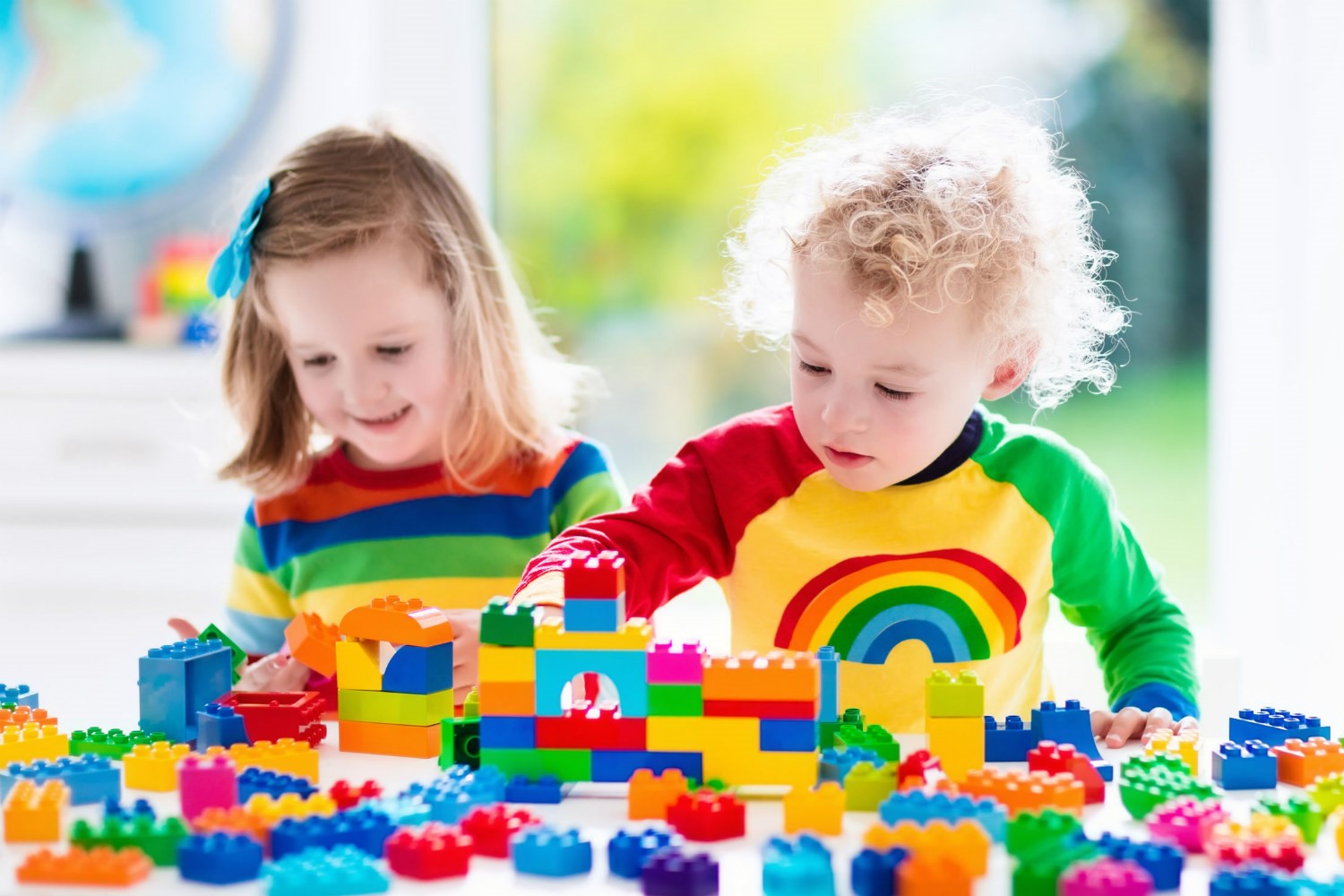
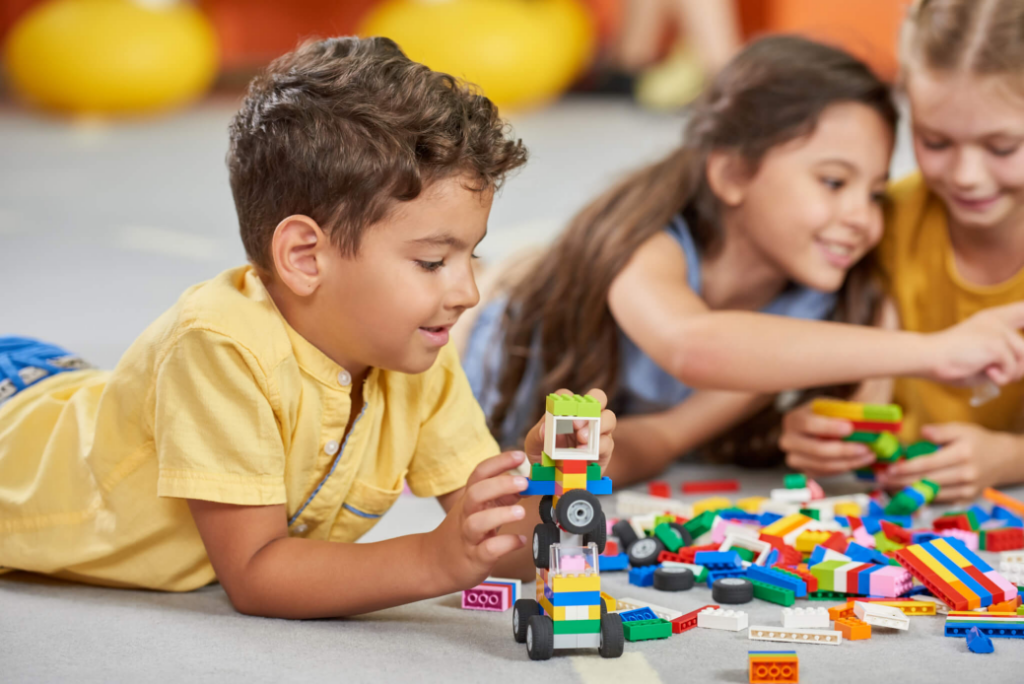
– Building Sets: LEGO and other construction toys encourage spatial awareness and engineering skills. These toys not only promote creativity but also help children understand concepts of balance, gravity, and design.
Active Play Toys
Active play toys promote physical activity and coordination. These include:
– Sports Equipment: Balls, bikes, and jump ropes encourage outdoor play and exercise. Physical activity is crucial for healthy development, helping children build strength, coordination, and endurance.
– Outdoor Toys: Items like swings, slides, and climbing structures foster gross motor skills and physical fitness. Outdoor play is essential for children to explore their environment and develop a sense of adventure.
Role-Playing Toys
Role-playing toys allow children to mimic adult behaviors and scenarios. These toys include:
– Play Kitchens: Encourage imaginative cooking and social interaction. Children can learn about nutrition and meal preparation while engaging in cooperative play with peers or family members.
– Dress-Up Costumes: Allow children to explore different identities and roles. This type of play can enhance creativity and help children understand various social roles and responsibilities.
Choosing the Right Toys for Your Child
Selecting the right toys for your child can be overwhelming given the vast options available. Here are some tips to help you choose wisely. Making informed decisions about toy selection can lead to more meaningful play experiences for children.
Consider Age Appropriateness
Always check the recommended age on toy packaging. Toys should match your child’s developmental stage to ensure safety and engagement. Younger children may benefit from simpler toys that promote basic skills, while older children can handle more complex challenges. Age-appropriate toys not only ensure safety but also maximize the learning potential of the toy.
Focus on Quality
Investing in high-quality toys can be beneficial in the long run. Durable toys withstand rough play and last longer, providing better value. Look for toys made from safe, non-toxic materials, especially for younger children who may put toys in their mouths. High-quality toys often come with better design and functionality, enhancing the overall play experience.
Encourage Open-Ended Play
Choose toys that allow for open-ended play, where children can use their imagination to create various scenarios. Toys like building blocks or art supplies can be used in countless ways, fostering creativity and problem-solving skills. Open-ended toys encourage children to think outside the box and develop their unique play styles.
Involve Your Child
Involve your child in the toy selection process. This not only makes them feel valued but also ensures that the toys you choose align with their interests. Children are more likely to engage with toys they have chosen themselves. This involvement can also teach children about making choices and understanding their preferences.
The Role of Technology in Children’s Play
In today’s digital age, technology plays a significant role in children’s play. While traditional toys remain essential, digital toys and games can also offer educational benefits. Balancing technology with traditional play is crucial for holistic development.
Educational Apps and Games
Many apps and games are designed to promote learning in a fun way. These can enhance skills in areas such as math, reading, and critical thinking. However, it’s essential to balance screen time with physical play to ensure a well-rounded development. Parents should monitor the content of these apps to ensure they are age-appropriate and educational.
Interactive Toys
Toys that incorporate technology, such as robotic kits or programmable toys, can engage children in STEM learning. These toys encourage hands-on experimentation and can spark an interest in technology and engineering. Interactive toys often provide immediate feedback, which can enhance learning and keep children engaged.
Safety Considerations for Children’s Toys
Safety is paramount when it comes to children’s play toys. Here are some key considerations to keep in mind. Ensuring the safety of toys is essential for preventing accidents and injuries.
Check for Small Parts
For younger children, avoid toys with small parts that could pose a choking hazard. Always adhere to age recommendations provided by manufacturers. Parents should be vigilant about the toys their children play with, especially if they have younger siblings.
Look for Safety Certifications
Choose toys that meet safety standards and have certifications from recognized organizations. This ensures that the toys have been tested for safety and quality. Familiarizing yourself with safety labels can help you make informed choices when purchasing toys.
Regularly Inspect Toys
Regularly check toys for wear and tear. Discard any toys that are broken or have sharp edges to prevent injuries. Establishing a routine for inspecting toys can help maintain a safe play environment for children.
Conclusion
Children’s play toys are more than just sources of entertainment; they are vital tools for development. By understanding the importance of play, the types of toys available, and how to choose the right ones, parents can significantly enhance their child’s growth and learning experiences. Investing in quality toys that promote creativity, social skills, and physical activity will provide children with a solid foundation for their future.
How to purchase:https://looperbuy.com/search?keywords=children%27s+play+toys
Frequently Asked Questions
1. What types of toys are best for cognitive development?
Toys that challenge problem-solving skills, such as puzzles and building blocks, are excellent for cognitive development. These toys encourage children to think critically and develop strategies.
2. How can I ensure the toys I buy are safe for my child?
Always check for age recommendations, look for safety certifications, and inspect toys regularly for damage. Being proactive about toy safety can prevent accidents.
3. Are digital toys beneficial for children?
Yes, educational apps and interactive toys can enhance learning, but it’s essential to balance screen time with physical play. This balance ensures that children develop both cognitive and physical skills.
4. What role do role-playing toys play in a child’s development?
Role-playing toys help children express emotions, develop empathy, and understand social roles. They provide a safe space for children to explore different scenarios and feelings.
5. How can I involve my child in choosing toys?
Take your child shopping and let them pick toys that interest them, ensuring they feel valued and engaged in the process. This involvement can also teach them about decision-making.