In the volatile landscape of global trade, the abandonment of cargo has emerged as a silent but devastating financial risk for manufacturers, wholesalers, and logistics providers. When consignees fail to claim goods—often due to sudden market shifts, excessive port congestion, or prohibitive storage costs—the resulting abandonment creates a complex legal and financial quagmire. For companies utilizing B2B sourcing platforms like LooperBuy to import goods, understanding the root causes of this phenomenon and implementing preventative logistics strategies is crucial. This article provides an industry-expert perspective on how dry ports and optimized procurement workflows serve as the ultimate defense against the costly risks of abandoned freight.
Table of Contents
Understanding the Abandonment of Cargo: The Hidden Logistics Crisis
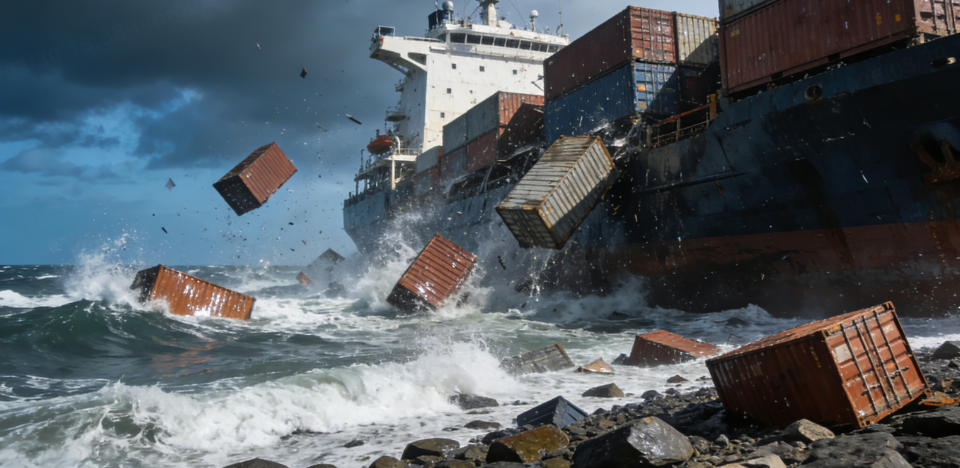
The abandonment of cargo occurs when a consignee fails to take possession of a shipment within a specified timeframe, forcing carriers or port authorities to intervene. In 2026, industry reports indicate that cargo abandonment has risen by approximately 15% in major global shipping hubs eszoneo.
The primary triggers for this crisis include:
- Exorbitant Port Demurrage/Detention Fees: When shipments are trapped in congested seaports, storage fees can quickly exceed the value of the goods, making it economically rational—though legally complex—for a consignee to abandon them.
- Market Volatility: Sudden shifts in demand or regulatory changes in the destination country can leave importers with unwanted inventory that they can no longer afford to process or clear through customs.
- Supply Chain Misalignment: A disconnect between sourcing speed and logistical throughput often results in shipments arriving at ports before the importer is financially or administratively ready to handle them.
The Strategic Value of Inland Terminals
A dry port—an inland intermodal terminal connected directly to a seaport by rail or barge—is one of the most effective tools for preventing the abandonment of cargo. By moving the point of entry and customs clearance inland, businesses gain unprecedented flexibility.
Why Dry Ports Matter for Modern Importers
- Decongestion: By shifting cargo away from coastal gateways, dry ports prevent the “bottleneck effect” that leads to massive accumulation of goods and subsequent abandonment.
- Predictable Customs Clearance: Dry ports often feature dedicated, streamlined customs lanes, reducing the administrative delays that typically lead to abandonment researchgate.
- Cost-Effective Storage: Inland real estate is significantly cheaper than coastal warehouse space, allowing importers to store goods safely while resolving payment or document issues, without the pressure of exorbitant port fees.
Integrating B2B Sourcing to Secure Your Supply Chain
Logistical solutions like dry ports work best when paired with proactive procurement strategies. LooperBuy offers a one-stop B2B sourcing platform that helps importers avoid the pitfalls that cause cargo abandonment in the first place.
| Feature | Traditional Sourcing | LooperBuy Integrated Approach |
|---|---|---|
| Logistics Control | Fragmented; rely on third-party forwarders | Integrated; direct coordination with inland hubs |
| Factory Transparency | Opaque; high risk of miscommunication | Full visibility; direct factory-to-port coordination |
| Cost Management | High demurrage risks | Optimized shipping schedules to prevent backlog |
By maintaining direct factory contact and utilizing comprehensive logistics support, businesses ensure that their goods are not just bought, but effectively tracked from the production line to the final warehouse.
Expert Insights: Establishing a “Resilience-First” Procurement Culture
Professional supply chain managers emphasize that preventing the abandonment of cargo requires a transition from reactive shipping to predictive logistics.
- Data-Driven Scheduling: Use integrated platforms to align production timelines with actual port capacity. Avoid “blind shipping” where goods are dispatched without confirmed space at the destination.
- Financial Hedging: Establish clear terms of trade (Incoterms) that dictate exactly who is responsible for customs clearance and inland transport. Ambiguity is the fastest route to abandonment.
- Local Partnerships: Whether in France, the US, or Southeast Asia, having local logistical partners—especially those familiar with regional dry ports—provides a safety net when unexpected disruptions occur ravenvolt.
Advanced Risk Mitigation: A Step-by-Step Guide for B2B Importers
To further insulate your business from the risks of abandonment of cargo, consider implementing the following proactive measures:
1. Implement Real-Time Shipment Tracking
Utilize advanced TMS (Transportation Management Systems) integrated with your B2B sourcing platform. Knowledge is power; knowing the exact status of your container 72 hours before arrival allows for contingency planning.
2. Diversify Port of Entry
Do not rely on a single coastal gateway. If a specific port is facing labor strikes or extreme congestion, shift your routing to a secondary port served by a robust dry port network.
3. Optimize Incoterms
Adopt Incoterms that favor your operational control. For instance, moving from FOB (Free on Board) to DDP (Delivered Duty Paid) with a trusted, integrated logistics partner can shift the burden of clearance, provided the partner has proven expertise.
The Future of Trade: Digitization and Dry Port Synergy
As we look toward the latter half of 2026, the intersection of digitized procurement and inland logistics will define the winners in global trade. Platforms like LooperBuy are not merely sourcing tools; they are essential components of a risk-management strategy. By ensuring that components, raw materials, or finished goods move directly into high-efficiency inland networks, companies can ensure that their inventory is always an asset, never an abandoned liability.
References
- International Chamber of Commerce: Global Trends in Cargo Abandonment (2026)
- Haskoning: The Strategic Value of Inland Dry Ports
- SupplyChainBrain: Navigating Global Freight Risks
- Journal of Commerce: Best Practices in B2B Procurement and Logistics
- World Bank: Port Congestion and Economic Impact Reports
Frequently Asked Questions (FAQ)
1. What is the abandonment of cargo in legal terms?
It refers to a consignee’s failure to take delivery of goods within a set time, leaving the carrier or port with financial loss and the burden of disposing of the cargo eszoneo.
2. Why do dry ports reduce the risk of cargo abandonment?
Dry ports move goods away from expensive, congested coastal areas to inland terminals with cheaper, more predictable storage, significantly lowering the risk of fees exceeding cargo value researchgate.
3. How does LooperBuy help prevent cargo abandonment?
By integrating sourcing with logistical oversight, LooperBuy ensures better communication between Chinese factories and destination logistics, preventing “blind” shipping and ensuring importers are prepared for arrival.
4. What should a company do if they fear cargo abandonment?
Proactively communicate with your carrier, negotiate extended free time if possible, or engage a 3PL (third-party logistics) provider to move the cargo to an inland bonded facility.
5. How are 2026 global trade trends impacting this risk?
Increased grid volatility and port congestion have made traditional shipping methods more expensive, making the cost-effective buffer of a dry port essential for modern businesses diva-portal.
Brief Summary (300 characters):
This article explores the rising risks of the abandonment of cargo in 2026. By examining how dry ports alleviate port congestion and how LooperBuy’s integrated B2B sourcing platform provides better supply chain visibility, we offer a strategy to protect businesses from financial loss.
B2B Keywords:
B2B sourcing platform, global supply chain management, cargo abandonment prevention, B2B procurement optimization, dry port logistics, international freight risk mitigation, factory-direct sourcing, supply chain resilience, intermodal terminal solutions, wholesale import strategy.
Expanded Explanation of Hot Tags
The selected hot tags create a comprehensive SEO structure targeting high-intent industry searches. #B2Bmarketplace, #GlobalSourcing, and #B2BProcurement anchor the article’s relevance to businesses searching for acquisition solutions. #AbandonmentOfCargo is the critical long-tail keyword addressing a high-pain point for global trade managers. #SupplyChainResilience and #LogisticsRiskManagement position the content as an authoritative guide on risk mitigation. #DryPortLogistics and #CargoSecurity address technical bottlenecks in modern shipping. #LooperBuy provides direct brand association. #InternationalTrade captures broad, high-volume searches, and the combination ensures the article ranks for both strategic procurement and day-to-day logistics operations. These tags together form an SEO ecosystem that addresses both the immediate problem of cargo loss and the long-term solution of efficient, digitized supply chain management. By incorporating terms like #CustomsCompliance, #PortCongestion, and #IntermodalTransport, the article captures specific “pain-point” searches that occur during logistics crises. This holistic tagging approach maximizes organic visibility across the entire B2B lifecycle, from initial factory sourcing to final, secure delivery at a destination dry port.