The global fashion industry is a landscape defined by rapid innovation, fluctuating consumer tastes, and the constant pursuit of operational efficiency. For retail businesses, fashion labels, and e-commerce entrepreneurs, identifying the right supply chain partners is the difference between a thriving brand and one struggling to maintain inventory consistency. When looking toward clothing wholesalers China, businesses are tapping into a manufacturing engine that combines unmatched production scale with an increasingly sophisticated approach to fabric technology, design customization, and sustainable garment production. Mastering the art of sourcing from this region requires more than just finding contact information; it requires a strategic understanding of how to bridge the gap between initial design concepts and high-quality, market-ready retail products.
Table of Contents
The Evolution of the Chinese Garment Industry
The image of China as a simple, low-cost assembly point for clothing has been obsolete for years. Today, the nation’s apparel sector is characterized by intense specialization, high-tech manufacturing, and a proactive approach to global fashion trends. Understanding this evolution is the first step for any business looking to build a sustainable, long-term procurement strategy.
From Mass Production to Niche Expertise
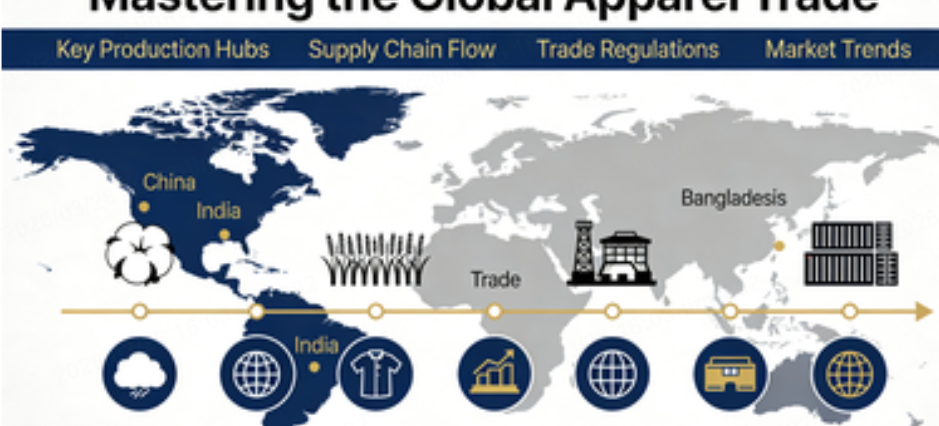
Modern textile manufacturers have shifted their focus toward precision and specialized categories. Whether a business needs technical outdoor performance wear, sustainable organic cotton basics, or intricate high-fashion embroidery, there is a dedicated hub in China for that specific capability. Retailers who take the time to map these hubs—such as identifying regions known for advanced knitwear versus those specializing in high-performance denim—are better positioned to secure a supply chain that meets their exact quality benchmarks. This specialization allows brands to source products that are not just cheaper, but genuinely superior in quality and design integrity.
Technological Integration and Design Innovation
The integration of digital design tools and automated manufacturing has fundamentally changed the procurement lifecycle. Many wholesalers now provide end-to-end services, including 3D garment rendering, rapid prototyping, and sophisticated fabric simulation. This technology allows brands to move from a digital sketch to a physical sample in a fraction of the time that it once took. By partnering with wholesalers who have invested in these capabilities, retail businesses can significantly reduce their time-to-market, allowing them to respond to seasonal fashion shifts with greater agility and confidence.
Building and Maintaining Strategic Supplier Relationships
In a world where business is often conducted across thousands of miles, the quality of your partnership with your wholesaler is the ultimate foundation of your retail success. Building a resilient, collaborative, and long-term relationship is far more valuable than simply seeking the lowest unit cost for a single order.
Establishing Trust through Transparency
Trust is the most critical asset in international trade. Establishing clear lines of communication regarding production standards, labor conditions, and material sourcing is essential for any reputable brand. Successful procurement professionals prioritize partners who are willing to share their facility processes, provide real-time updates on production timelines, and engage in transparent dialogue about material costs and logistical planning. When you treat your wholesale partner as a strategic ally, they are more likely to prioritize your orders and provide the high level of service that growing brands depend on.
The Power of Collaborative Development
The most successful retailers do not simply purchase off-the-rack designs. They actively collaborate with their partners to develop proprietary products. By sharing insights from your own customer data—such as preferred fits, fabric textures, or functional requirements—you can work with your wholesaler to refine designs that are uniquely yours. This collaborative development approach creates a brand identity that is difficult for competitors to replicate. It turns the supplier into a partner who is genuinely invested in your brand’s growth, often leading to earlier access to new fabrics, innovative production techniques, and better overall service.
Navigating Logistics and Quality Assurance
The physical movement of goods and the maintenance of product quality are the two most common areas where international trade faces challenges. Proactive management of these factors is what separates professional, scalable brands from those that struggle with erratic supply chains.
Setting Non-Negotiable Quality Standards
Consistency is the primary metric of brand loyalty. To ensure that every batch of apparel meets your standards, you must implement a robust, non-negotiable quality assurance protocol. This process involves the clear, documented communication of technical specifications, including fabric weight, color fastness, stitch density, and overall finishing requirements. Utilizing independent inspection services to audit production batches before they leave the facility is an essential safeguard. By catching issues at the factory gate rather than the retail warehouse, you protect your margins and maintain your reputation with your end customers.
Optimizing the Logistical Pipeline
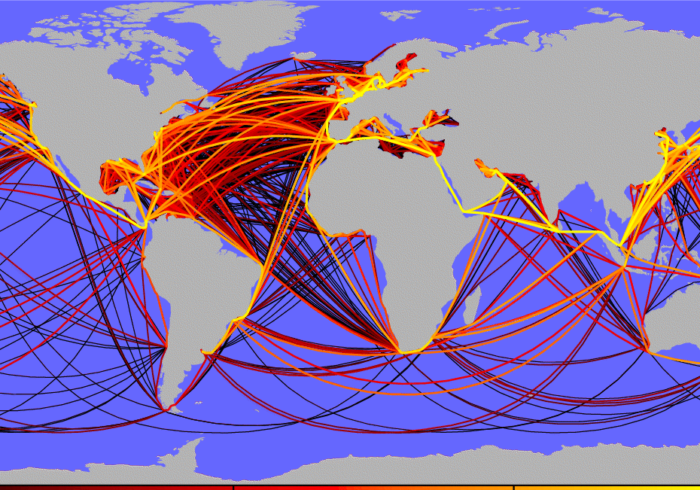
The journey from a production floor to your customer’s hands is a complex logistical process that requires careful planning. Many businesses now use a hybrid approach, balancing the cost efficiency of ocean freight with the speed of air freight for high-priority or trending items. Working with experienced, locally-aware logistics providers can prevent costly delays at ports and distribution hubs. By creating a predictable, well-mapped supply chain, you ensure that your inventory is always available when your customers need it, significantly improving your cash flow and overall operational efficiency.
Conclusion
The pursuit of success in the competitive apparel industry relies on the ability to build a sophisticated, resilient, and collaborative supply chain. By mastering the art of selecting the right partners, prioritizing quality assurance, and fostering deep, innovation-driven relationships, retail businesses can transform their procurement process into a profound engine for growth. The landscape of available wholesale apparel is vast, but with a professional, strategic, and ethically conscious approach, brands can navigate this global market to achieve long-term success and maintain their edge in an ever-changing retail environment.
Scale your operations effortlessly by connecting with premium, verified manufacturing partners and streamlining your entire procurement lifecycle through the power of https://looperbuy.com/
Related Questions & Answers
· How can retailers ensure that clothing sourced from China meets their brand’s specific quality standards?
You should create detailed technical packages, often called tech packs, which include every specification from fabric composition to stitching patterns. Additionally, hiring third-party inspection firms to conduct random audits at the factory ensures that every production run meets your strict quality benchmarks before the goods are shipped.
· What is the most effective way to protect intellectual property when working with wholesale partners?
It is vital to use clear, legally binding non-disclosure, non-use, and non-circumvention agreements. Beyond legal documents, work with established, reputable factories that have a proven history of professional integrity and consider registering your trademarks and designs in the relevant jurisdictions where production takes place.
· Is it better to work with large trading companies or directly with smaller, specialized apparel factories?
This depends on your scale. Trading companies can be excellent for smaller businesses needing a variety of items or consolidated shipments. However, as your brand scales, working directly with specialized factories often provides better control over production design, lower costs on high-volume items, and a much closer collaborative relationship.
· How do I effectively manage and minimize the impact of international shipping delays?
The key is to build a buffer into your production and delivery timelines while diversifying your shipping methods. Using a mix of ocean and air freight allows you to prioritize high-margin goods when speed is essential, and staying in constant, proactive communication with your logistics partners ensures you have early warning of potential port congestion.
· What should I look for when evaluating the ethical and social responsibility of a potential clothing wholesaler?
Look for factories that have internationally recognized certifications, such as those related to fair labor practices and environmental standards. Furthermore, conducting your own site audits, or having a trusted third party do so, is the best way to verify that the factory aligns with your brand’s commitment to ethical and sustainable operations.
Hot Tags:
ApparelSourcingStrategy, ChineseGarmentWholesale, TextileManufacturingHubs, FashionSupplyChainManagement, HighQualityClothingProcurement, SustainableApparelProduction, RetailInventoryOptimization, GlobalFashionTrade, StrategicSupplierPartnerships, CustomGarmentDevelopment, FastFashionAgility, QualityAssuranceInApparel, InternationalLogisticsOperations, TechnicalFashionDesign, ScalableRetailOperations, EthicalGarmentManufacturing, DigitalFabricInnovation, FashionMarketTrends, OptimizedClothingDistribution, CrossBorderTradeEfficiency, ApparelPrototypingServices, BrandIdentityDevelopment, DirectToConsumerSourcing, ManufacturingQualityControl, ApparelIndustryDynamics, GlobalRetailCompetitiveness, SeasonalFashionForecasting, SustainableTextileSourcing, ProfessionalProductionManagement, LongTermSupplierRelations