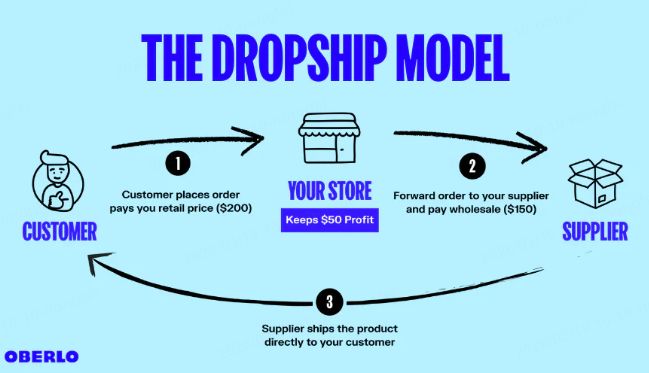
In the rapidly evolving landscape of digital commerce, the ability to launch a business without the burden of inventory management has revolutionized how entrepreneurs enter the market. To create an online store with drop shipping is to embrace a model of agility, where your primary focus shifts from warehousing and logistics to customer acquisition and brand building. This comprehensive guide will walk you through the essential stages of building a sustainable, scalable drop shipping business, ensuring you have the knowledge to navigate the challenges and capitalize on the opportunities within this dynamic industry.
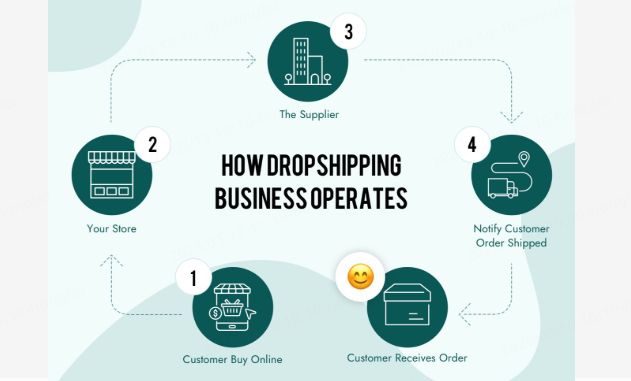
Table of Contents
Laying the Foundation: Strategy and Niche Selection
The success of your drop shipping venture begins long before you build your website. It starts with strategic planning and identifying a niche that balances market demand with manageable competition.
Defining Your Target Audience
Before selecting products, you must understand who you are selling to. A common mistake beginners make is attempting to appeal to everyone. Instead, narrow your focus. By identifying a specific demographic, interest group, or problem-solving niche, you can tailor your marketing, product descriptions, and brand voice to resonate deeply with that audience. This specificity not only increases your conversion rates but also simplifies your advertising efforts. Think about the “why” behind the purchase. Are you selling to busy parents looking for time-saving gadgets, or enthusiasts who prioritize high-performance hobby gear? Understanding the pain points and desires of your audience allows you to craft messaging that feels personal rather than transactional.
Identifying Profitable Niches
A winning niche is one where passion meets profitability. Look for markets with a strong community, repeat-purchase potential, or products that solve specific pain points. Utilize tools like Google Trends, social media insights, and keyword research to gauge interest levels. Remember, the goal is to find a niche that is large enough to sustain a business but not so saturated that entry becomes prohibitively expensive or difficult. Avoid trends that are flash-in-the-pan; look for “evergreen” niches that provide consistent demand throughout the year.
Analyzing Competitors
Once you have a niche, conduct a thorough competitive analysis. Look at the top players in that space. What are they doing well? Where are they failing? Can you offer a better customer experience, faster shipping times, or more engaging content? By identifying the gaps in your competitors’ strategies, you can carve out your own unique value proposition. Consider their pricing, their return policies, and how they interact with customers on social media. This data is gold; it tells you exactly where you can differentiate.
Building Your Digital Storefront
Your online store is the hub of your business, serving as the interface where potential customers discover your products, learn about your brand, and complete their purchases.
Selecting the Right Ecommerce Platform
Your choice of platform dictates the ease with which you manage your store. Platforms like Shopify are industry leaders for drop shipping due to their extensive app ecosystems, which allow you to integrate seamlessly with suppliers. Other options, such as WooCommerce or Wix, offer flexibility and customization for those who prefer more control. Consider your technical expertise, budget, and long-term scaling needs when making this decision. A robust platform should offer reliable hosting, secure payment gateways, and intuitive inventory management features.
Essential Elements of a High-Converting Store
A successful store must be visually appealing, user-friendly, and trustworthy. Key elements include:
- Clean, Responsive Design: Ensure your site looks professional and functions flawlessly on mobile devices.
- Compelling Product Pages: Use high-quality images and persuasive, detailed descriptions that highlight benefits, not just features.
- Trust Signals: Include clear shipping policies, return information, and customer reviews to reassure visitors.
- Streamlined Checkout: Minimize friction during the payment process to reduce cart abandonment.
- Search Functionality: Make it easy for users to find specific items quickly.
- Professional Branding: A consistent color palette, logo, and tone of voice help establish brand identity and long-term loyalty.
- High-Quality Photography: Since customers cannot touch the products, your images must be sharp, clear, and feature multiple angles. Consider adding 360-degree views or lifestyle shots that show the item in use.
Curating Products and Partnering with Suppliers
The strength of your drop shipping operation relies entirely on the quality and reliability of your suppliers.
Finding Reliable Suppliers
Your suppliers are your silent partners. Their shipping speed, product quality, and communication directly impact your brand reputation. Research potential suppliers thoroughly, looking for those with high ratings, transparent return policies, and integration capabilities. Platforms like AutoDS or similar supplier directories can simplify this process by connecting you with vetted providers who understand the nuances of drop shipping. Always order samples first. You cannot build a brand based on quality if you don’t know exactly what your customers are receiving.
Importing and Optimizing Product Catalogs
Once you have identified products, focus on how they appear on your site. Don’t simply copy manufacturer descriptions. Rewrite titles and descriptions to align with your brand voice and target audience. Emphasize why the product is valuable and how it solves a specific problem. Quality imagery is equally critical—invest time in ensuring your product visual content is cohesive and professional. Consider adding video demonstrations to show the product in action, which can significantly boost confidence and conversion rates.
Effective Inventory Management
Even though you aren’t holding stock, you must remain informed. Monitor supplier stock levels closely. Nothing kills momentum faster than selling an item that has gone out of stock at your supplier’s facility. Use automated tools to sync your store with supplier inventory data so that your customers always receive accurate information.
Marketing and Scaling Your Business
With your store built and products live, your focus must pivot entirely to driving traffic and optimizing your sales funnel.
Developing a Customer Acquisition Strategy
You cannot rely on organic growth alone. You need a mix of channels to bring visitors to your site:
- Social Media Advertising: Platforms like Facebook, Instagram, and TikTok offer granular targeting options, making them ideal for reaching your niche audience.
- Influencer Marketing: Partnering with influencers can provide social proof and instant credibility.
- Search Engine Optimization (SEO): Long-term investment in SEO ensures consistent organic traffic, though it requires patience and ongoing effort. Create blog content that answers common questions within your niche to attract inbound traffic.
- Email Marketing: Build an email list from day one. It is the most reliable way to nurture leads and encourage repeat purchases without relying on paid advertising platforms. Send personalized offers and helpful content to keep your brand top-of-mind.
The Power of Paid Advertising
Paid ads are the fastest way to get your products in front of potential buyers. However, they require discipline. Start small, test different headlines, images, and audience segments. Once you identify a winning combination, scale your budget gradually. Never scale too fast, or your cost per acquisition will skyrocket, eating into your margins. Use retargeting ads to reach people who visited your store but didn’t buy—these users are highly likely to convert with a gentle nudge.
Content Marketing as a Long-term Asset
While ads provide short-term wins, content is a long-term investment. By establishing yourself as an authority in your niche, you build trust that advertising alone cannot provide. Write comprehensive buying guides, create “how-to” videos, and share user-generated content to humanize your brand. This not only improves your SEO ranking but also builds a community of loyal fans who are more likely to defend your brand and refer others.
Mastering Operations and Financial Health
Many drop shippers fail because they treat the business like a side hobby rather than a serious company. To scale, you must master the operational side.
Optimizing the Order Fulfillment Process
Even with automation, you should occasionally audit your fulfillment process. Check how long it takes for a tracking number to be generated, and reach out to your supplier if delays occur frequently. A slow, unresponsive supplier will eventually destroy your store’s reputation through poor customer feedback and payment processor holds.
Managing Cash Flow
One of the most overlooked aspects of drop shipping is cash flow. Since you often pay your suppliers before you receive payment from your payment gateway, you need a healthy cash reserve. Keep a close eye on your profit margins after deducting ad spend, transaction fees, and app subscriptions. Regularly review your financial statements to ensure you are reinvesting profitably.
Dealing with Customer Service Challenges
Customer service is the frontline of your brand. When a package is delayed or a customer is unhappy, how you handle it determines whether you lose that customer forever or turn them into a lifelong fan. Be transparent about shipping times, proactively update customers on order status, and resolve disputes fairly. Investing in a professional customer service tool or hiring a virtual assistant as you grow can take the pressure off you and ensure every customer feels heard.
Scaling for Longevity and Sustainability
The final stage of the journey is moving from “drop shipping” to “building a sustainable brand.”
Private Labeling
As you find winning products, move towards private labeling. This means branding the product or the packaging as your own. It differentiates you from every other drop shipper selling the same item and significantly increases the perceived value of your products, allowing for better margins.
Diversifying Sales Channels
Don’t put all your eggs in one basket. If you are selling on your own store, look into expanding to marketplaces like Amazon or Etsy, where appropriate. Diversifying your traffic and sales channels reduces your dependency on any single algorithm, protecting your business from sudden changes in advertising costs or search engine rankings.
Cultivating a Brand Identity
People buy from brands they trust and identify with. Use your website, social media, and packaging to tell your story. Why did you start this business? What values does your brand hold? When you cultivate a strong brand identity, customers are no longer buying a commodity; they are buying into an experience. This is the ultimate competitive advantage in a crowded market.
Conclusion
Creating an online store with drop shipping offers a compelling path for entrepreneurs to enter the ecommerce world with minimal upfront capital and lower risk. By systematically selecting a niche, building a professional storefront, partnering with reliable suppliers, and consistently refining your marketing strategies, you can transform an initial idea into a sustainable, profitable business. Success in this field requires patience, data-driven decision-making, and a relentless focus on providing value to your customers. By viewing your store not just as a retail point but as a brand-building exercise, you set yourself up for long-term growth and independence in the digital economy. Every challenge you face is an opportunity to learn, optimize, and improve, eventually turning your store into an asset that can provide financial freedom for years to come.
Ready to transform your vision into a profitable reality with high-quality, reliable products and seamless shipping? Start building your dream brand today at https://looperbuy.com/.
Summary
This guide provides a comprehensive overview of how to successfully create an online store with drop shipping. It covers critical steps including niche selection, platform choice, supplier management, and marketing strategies. By emphasizing brand building and customer experience, the text outlines a realistic, scalable approach for entrepreneurs to launch and grow their ecommerce business with minimal risk, focusing on long-term sustainability and data-driven optimizations.
Hot Tags:
Drop Shipping Business; Online Store Creation; Ecommerce Strategy; Niche Selection; Shopify Dropshipping; Product Sourcing; Digital Entrepreneurship; Marketing For Ecommerce; Supply Chain Management; Retail Fulfillment; Conversion Optimization; Customer Acquisition; Building A Brand; Ecommerce Platforms; Sales Funnel; Dropshipping Tips; Online Retail Trends; Low Risk Business; Profitable Niche; Digital Marketing; Inventory Management; Scaling Your Store; Customer Trust; Mobile Ecommerce; SEO For Dropshipping; Influencer Marketing; E-commerce Analytics; Business Growth; Startup Guide; Sustainable E-commerce
Related Questions & Answers
· Is dropshipping still profitable in 2026?
Yes, dropshipping remains a viable and profitable business model in 2026. While the market is more competitive, success now favors those who focus on branding, excellent customer service, and targeted niche marketing rather than simply selling generic products.
· How much capital do I need to start a dropshipping store?
You can start a store for a very low cost, often under $500, which covers basic platform subscriptions, a domain name, and initial testing budgets for ads. However, having extra capital for testing marketing strategies significantly increases your chances of scaling faster.
· How do I handle returns in a dropshipping business?
You should establish a clear return policy on your website that aligns with your supplier’s policies. When a customer wants a return, you act as the intermediary, coordinating the return process between the customer and the supplier, ensuring clear communication throughout the transaction.
· Do I need to register a business to start dropshipping?
While you may start small, it is highly recommended to register your business legally, obtain necessary permits, and open a business bank account as soon as you start generating consistent revenue to manage your finances professionally and protect yourself legally.
· What is the most important factor in dropshipping success?
Marketing is arguably the most critical factor. Even with a great store and excellent products, you cannot succeed without a robust strategy to drive targeted traffic to your site and convert those visitors into paying customers.