The rise of e-commerce has made the dream of becoming a business owner more accessible than ever, and at the heart of this revolution is the drop shipping model. It promises a low-barrier entry to the market: no warehouse, no heavy inventory investment, and no complex logistics to handle. However, beneath this polished exterior lies a series of complexities that many budding entrepreneurs overlook. While the model is often marketed as a “get-rich-quick” scheme or a passive income machine, the reality is significantly more nuanced. In truth, the very features that make drop shipping attractive—the lack of inventory and minimal upfront investment—are also the primary catalysts for some of its most challenging disadvantages. Before diving headfirst into this business model, it is vital to understand that success in drop shipping requires navigating intense competition, thin profit margins, and a profound lack of control over the customer experience.
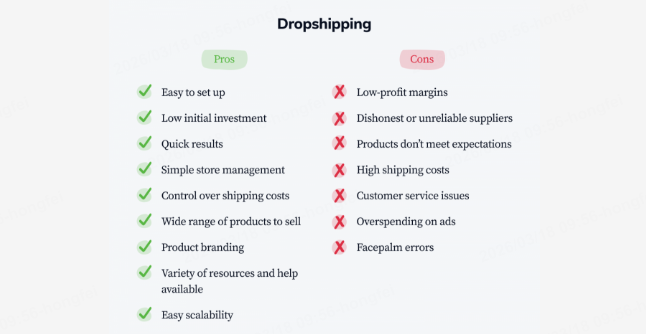
Table of Contents
The Structural Challenges of the Drop Shipping Model
Understanding the Low Barrier to Entry Paradox
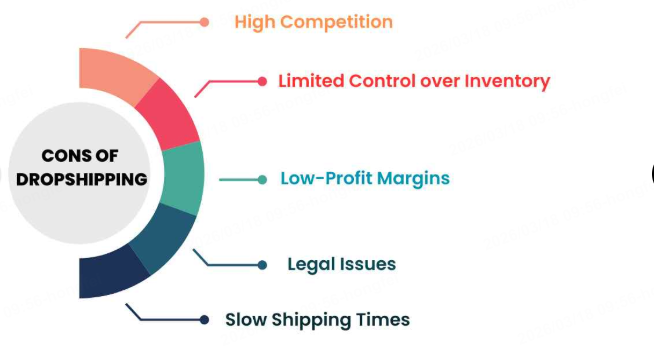
The primary reason so many people flock to drop shipping is the low barrier to entry. Because you don’t need to purchase massive amounts of stock upfront, you can theoretically start a store with a very small budget. While this is a clear advantage for testing ideas, it creates a massive issue: market saturation. Because anyone with an internet connection can set up a store in a few hours, the market for almost every popular product category becomes flooded with competitors. When thousands of stores are selling the exact same item from the same supplier, the only remaining differentiator is price or advertising spend. This leads to a “race to the bottom” where the customer wins, but the entrepreneur loses, as profit margins are decimated by the need to undercut competitors.
The Problem with Thin Profit Margins
In a traditional retail model, you buy products in bulk at a wholesale price, allowing for significant markup. In drop shipping, you are usually purchasing items one at a time from a supplier. Because you are not leveraging bulk purchasing power, your cost of goods sold is inherently higher. Combine this with the rising costs of paid advertising, which is the primary driver of traffic for most new stores, and you quickly realize that your profit margins are extremely slim. Even a minor fluctuation in ad costs or a slight increase in supplier pricing can turn a profitable store into a money-losing venture overnight. Furthermore, because your margins are already so thin, you have very little room for error—a single bad month of advertising performance or a surge in customer refund requests can easily wipe out your entire quarterly profit.
The Crisis of Control and Brand Identity
Lack of Oversight Over Product Quality
Perhaps the most dangerous aspect of the drop shipping model is the lack of physical interaction with the product. When you rely on a third-party supplier to manufacture and package items, you are effectively outsourcing your reputation. If your supplier ships a defective item, a damaged box, or an entirely different product than advertised, the customer does not blame the supplier—they blame you. Since you never see the inventory before it reaches the customer, you have almost zero quality control. This disconnect often leads to a high volume of customer complaints, which can result in payment processor bans, social media backlash, and a ruined brand reputation that is nearly impossible to salvage once it has been tarnished in the public eye.
The Difficulty of Establishing a Unique Brand
Branding is the lifeblood of long-term e-commerce success. In the world of drop shipping, however, you are often selling the exact same generic items as thousands of other stores. Because you don’t control the packaging or the product manufacturing, it is incredibly difficult to build a unique identity that customers feel connected to. Without branded packaging, custom inserts, or a unique physical product, you are essentially competing on price alone—a game that is almost impossible to win against established giants or other low-margin drop shippers. To build a real brand, you need to offer value beyond just the product—such as superior content, community, or customer service—but the operational demands of running a drop shipping business often leave you with little time to focus on these high-level growth activities.
The Operational Nightmares of Supplier Dependency
Reliability and Communication Breakdowns
Your business is entirely dependent on your suppliers. If they run out of stock, delay shipping, or fail to communicate, you are left to deal with the angry customer. Many dropshippers rely on suppliers located halfway across the world, leading to massive time zone differences and language barriers. If a shipment goes missing or is stuck in customs, you are responsible for chasing the supplier for answers while keeping the customer satisfied. This constant, high-pressure communication cycle is rarely mentioned by “gurus” but is a daily reality for most in the industry. Suppliers often prioritize larger, more established retailers, leaving your orders at the bottom of the fulfillment queue during peak seasons or high-volume periods, further damaging your store’s reliability in the eyes of your customers.
Complexities of Returns and Customer Service
Managing returns in a drop shipping model is notoriously difficult. If a customer is unhappy with a product and wants a refund, you must navigate the complex and often unfriendly return policies of your supplier. Some suppliers refuse returns unless the item is broken, others charge restocking fees, and some require you to ship the item back to their warehouse at your own expense. This complexity often forces business owners to eat the cost of the refund to avoid a bad review, further eroding those already thin profit margins. When you manage your own inventory, you can inspect returned items and resell them if they are in good condition. With drop shipping, a return is almost always a 100% loss.
The Hidden Costs and Financial Risks
The “Silent” Costs of Operations
Many new entrepreneurs calculate their potential profit by simply subtracting the cost of the product from the retail price. They fail to account for the “silent” costs that drain a business over time: transaction fees, app subscription costs for Shopify or other platforms, recurring email marketing software fees, and—most importantly—the cost of lost time. When you spend 10 hours a day manually processing orders, responding to tracking inquiries, and fighting with suppliers, you are effectively paying yourself pennies per hour. These operational overheads add up quickly, turning a project that seemed profitable on paper into a grueling job that barely covers its own costs.
Payment Processor and Platform Risks
Drop shipping stores often suffer from high rates of “chargebacks” or customer disputes due to long shipping times or lower-than-expected product quality. Payment processors like Stripe and PayPal monitor these metrics closely. If your store generates too many customer disputes, you risk having your payment gateway shut down, which can freeze your funds for months. Losing your ability to process payments is effectively the death knell for an online business. Furthermore, platforms like Facebook and Google may flag drop shipping sites as low-quality or “spammy” if they receive too many negative user reports, leading to permanent advertising account bans.
The Long-Term Viability Concerns
Scaling Issues and Strategic Limitations
While drop shipping is excellent for testing a niche, it is notoriously difficult to scale sustainably. As your order volume increases, the operational friction of managing multiple suppliers, handling inconsistent product quality, and mitigating shipping delays multiplies. Unlike traditional e-commerce, where you can optimize your supply chain and negotiate better bulk rates as you grow, drop shipping often keeps you locked into the same inefficient fulfillment cycle. Many successful dropshippers eventually find that they must transition away from this model—moving toward private labeling, custom branding, or holding their own inventory—simply to maintain control over their growth and profitability. The transition is not merely a preference; it is a necessity for long-term survival.
The Reality of Market Trends and Customer Expectations
Modern consumers are more demanding than ever. They expect fast, reliable shipping, professional packaging, and world-class customer service. The drop shipping model, with its reliance on third-party fulfillment, often struggles to meet these high standards. Long shipping times are the norm, not the exception, and this disconnect between what the customer expects and what you can actually deliver is a recipe for high churn rates and poor brand loyalty. To succeed, you must constantly fight against these structural disadvantages, which requires an immense amount of time, energy, and sophisticated marketing strategies. Without a strategy to eventually move beyond basic drop shipping, you remain vulnerable to any market shift or platform algorithm change.
Conclusion
Drop shipping is a powerful tool for learning the fundamentals of e-commerce, but it is not a shortcut to wealth. The combination of intense competition, razor-thin margins, reliance on external suppliers, and a lack of control over the customer experience creates a business environment fraught with challenges. While it is possible to build a profitable store, it requires much more than just “picking a trending product.” It demands rigorous supplier vetting, an obsessive focus on customer service, and a long-term strategy for transitioning away from the pitfalls inherent in the model. By understanding these significant disadvantages, you can approach the business with realistic expectations and a more resilient mindset. Ultimately, drop shipping should be viewed as a temporary stepping stone rather than a destination, as the sustainable future of retail lies in owning your supply chain and building true, long-lasting brand value.
If you are ready to overcome these drop shipping pitfalls and scale your business with reliable inventory and better margins, choose the smarter path to e-commerce success at https://looperbuy.com/.
Article Summary:
This article explores the fundamental drawbacks of the drop shipping business model. While often touted for its low barrier to entry, the model is plagued by intense market competition, thin profit margins, and a total reliance on third-party suppliers. Key challenges include the lack of control over product quality and branding, the complexity of managing returns, operational “silent costs,” and the risks associated with payment processing. For entrepreneurs, success requires moving beyond the “passive income” myth and actively managing the significant operational risks inherent in this retail fulfillment method.
Hot Tags:
Dropshipping Risks; E-commerce Challenges; Low Profit Margins; Supplier Reliability; Market Saturation; Inventory Control; Branding Difficulties; Customer Service Issues; Business Scalability; Retail Fulfillment; Online Store Pitfalls; Supply Chain Management; E-commerce Strategy; Third-party Logistics; Startup Obstacles; Product Quality; Order Fulfillment; Shipping Delays; Business Model Analysis; Online Business Success; Entrepreneurial Challenges; Competitive Market; Passive Income Myth; Operational Friction; Brand Identity; Return Policies; Scalability Issues; Digital Retail; Startup Risks; Strategic Planning
Related Questions & Answers
· Why is competition so high in drop shipping?
Because the barrier to entry is extremely low, almost anyone can start an online store with minimal investment. This accessibility means that popular products quickly become saturated, forcing sellers to compete heavily on price and marketing spend, which further lowers profit margins.
· How can I maintain quality control when I don’t see the products?
It is extremely difficult, but not impossible. The best approach is to order samples of the products you intend to sell before listing them. Additionally, you should thoroughly vet suppliers, request real-world photos or videos of the products, and read reviews from other merchants who have worked with that specific supplier.
· Why are profit margins in drop shipping so low compared to traditional retail?
In traditional retail, businesses buy in bulk, which reduces the per-unit cost significantly. In drop shipping, you usually buy single items at a time, meaning you pay a premium for each unit. When you add in the costs of high-intensity digital advertising, the remaining profit margin is often very thin.
· What is the biggest risk of relying on a third-party supplier?
The biggest risk is the lack of control over the entire fulfillment process. If your supplier fails to ship on time, sends the wrong item, or provides poor-quality goods, the customer holds you—the store owner—accountable. You are essentially responsible for the mistakes of someone else over whom you have little direct authority.
· Is drop shipping a good long-term business strategy?
It is excellent for testing products and learning e-commerce marketing, but many successful entrepreneurs find it unsustainable for long-term growth. To scale effectively, most eventually move toward private labeling, custom branding, or holding their own inventory to regain control over the supply chain and improve their margins.