In the ever-evolving landscape of winter fashion, few garments manage to strike the perfect equilibrium between practical utility and sophisticated aesthetic quite like the hooded wool coat. As the mercury drops, the search for outerwear that shields against the elements without compromising on silhouette becomes paramount. The hooded wool coat emerges as a definitive answer, offering a blend of natural insulation, refined texture, and an understated urban flair that suits both formal commutes and leisurely weekend outings. This guide explores the multifaceted appeal of these essential pieces, providing insights into their styling potential, craftsmanship, and the necessary care to ensure they remain a cornerstone of your wardrobe for years to come.

Table of Contents
The Architectural Appeal of Hooded Wool Outerwear
The allure of a hooded wool coat lies in its ability to combine traditional textile craftsmanship with functional modern design. Unlike synthetic alternatives, wool provides a naturally breathable yet highly insulating layer that protects against biting winds and damp conditions. The addition of a hood transforms a classic silhouette into a more dynamic and versatile garment, adding a layer of protection that is as fashionable as it is necessary.

Why Wool Remains the Gold Standard
Wool’s reputation as the premier fabric for winter coats is well-earned. Its unique fiber structure allows it to retain heat even when slightly damp, a crucial feature for unpredictable winter weather. Furthermore, wool is naturally resistant to odors and wrinkles, meaning a well-constructed wool coat requires less frequent cleaning than other materials. When choosing a hooded coat, look for high-quality wool blends, such as those incorporating cashmere for added softness or nylon for improved durability and shape retention. The weight of the wool often dictates the coat’s structure, with heavier, melton-style wools providing a more rigid, tailored look, while softer, brushed wools offer a more relaxed, draped aesthetic.

Designing the Perfect Hood
The hood is not merely a functional afterthought; it is a design element that dictates the coat’s overall vibe. Oversized, structured hoods can add a dramatic, fashion-forward element to an outfit, framing the face and providing maximum coverage. Conversely, smaller, more fitted hoods offer a sleeker profile, perfect for professional environments where a cleaner look is desired. Some hooded wool coats feature detachable hoods, offering the wearer the flexibility to transition from a casual, hooded look to a formal, collar-only coat in seconds. This adaptability makes the hooded wool coat one of the most versatile pieces a modern individual can own.
The Evolution of the Silhouette
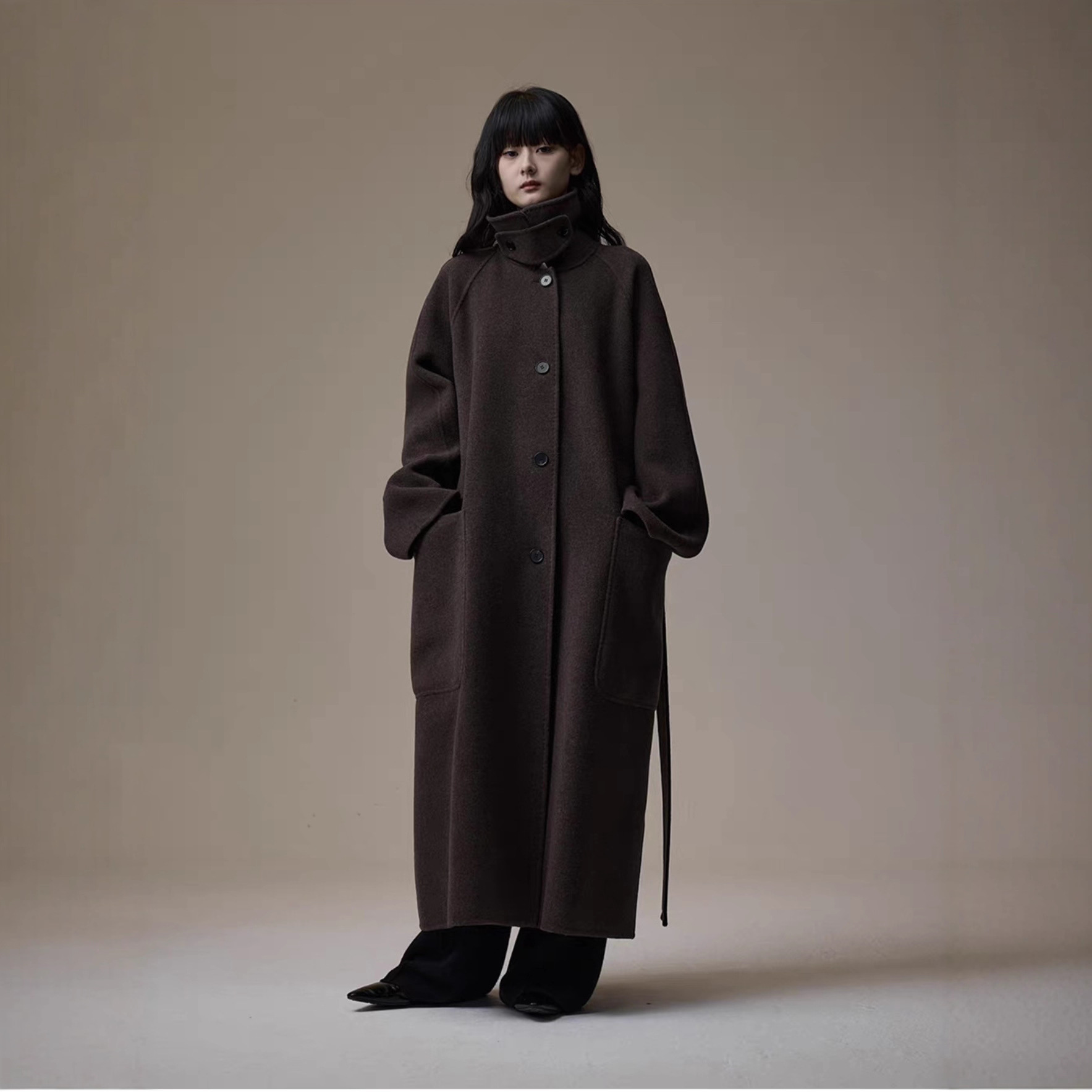
Modern design has pushed the boundaries of what a hooded wool coat can be. We are seeing a move towards experimental tailoring where the hood is integrated into high-neck collars, providing a wind-blocking effect that eliminates the need for scarves. Designers are also incorporating hidden fasteners and magnetic buttons, ensuring that the hood stays in place even during the fiercest winter gusts. This marriage of traditional tailoring with modern hardware ensures that the garment serves as a shield against the elements while maintaining a sleek, uninterrupted profile that complements both high-end fashion and streetwear sensibilities.
Mastering the Art of Styling Your Hooded Wool Coat
Styling a hooded wool coat is an exercise in layering and proportion. Because these coats often possess a bit of volume—particularly if the hood is generous—balancing the rest of your outfit is key to achieving a polished result. Whether you are aiming for a minimalist urban aesthetic or a cozy, rustic look, the right combinations can elevate your winter wardrobe instantly.
Urban Minimalism and Professional Chic
For an effortlessly chic look in the city, pair a structured, mid-length hooded wool coat in a neutral tone like charcoal, camel, or navy with slim-fit trousers and leather ankle boots. The sleekness of the lower half offsets the volume of the coat, creating a streamlined silhouette that is perfect for the office or dinner. Underneath, a fine-gauge cashmere sweater or a crisp, button-down shirt provides the necessary warmth without adding bulk. Accessories should be kept minimal—a simple leather glove and a structured handbag complete the look without cluttering the aesthetic.
Playing with Proportions
When styling, consider the “Rule of Thirds.” A long, floor-sweeping hooded wool coat looks fantastic with monochromatic layers underneath, which helps elongate your frame. Conversely, if you are wearing a shorter, peacoat-style hooded wool coat, pairing it with high-waisted wide-leg trousers can create an interesting, fashion-forward silhouette. The key is ensuring that your coat serves as the anchor point of your outfit. If the coat is heavily textured, keep the base layers smooth and simple. If the coat is a neutral, minimalist piece, feel free to introduce bold patterns or rich textures like velvet or silk in your trousers or scarves to create depth.
Casual Comfort and Layering
For weekend adventures, the hooded wool coat acts as the perfect final layer over more casual attire. Try pairing a relaxed-fit, longer wool coat with distressed denim, a thick knit turtleneck, and rugged leather boots or even high-end trainers. The hood adds an inherent element of ease, making it the perfect companion for outdoor errands or coffee shop visits. Don’t be afraid to play with textures; a shearling-lined hood or a toggle-fastening front adds visual interest and leans into a more heritage-inspired, rustic vibe that feels both cozy and intentional.
Adapting for Evening Affairs
Many assume that hooded coats are relegated to daywear, but a well-cut hooded wool coat in a dark, rich color can easily transition to evening events. The trick is in the fabric finish—opt for a dense, high-sheen wool or a wool-cashmere blend that catches the light. When worn over a tailored cocktail dress or a sharp evening suit, the hood adds an air of mysterious, modern luxury. It breaks away from the stiff traditions of evening outerwear, signaling a confident, relaxed approach to formal style that feels very current.
Essential Care and Maintenance for Long-Term Longevity
Investing in a quality wool coat is an investment in your personal style, but its longevity is entirely dependent on how you maintain it. Wool is a natural fiber that requires specific attention to remain in pristine condition. By following a consistent care routine, you can prevent the common pitfalls of pilling, sagging, and moth damage, ensuring your coat looks as good in its fifth season as it did in its first.
Daily Habits and Preventative Measures
The most important rule of wool care is to let the garment rest. After a long day, avoid shoving your coat into a cramped closet. Instead, hang it on a sturdy, wide-shouldered wooden hanger that allows the coat to maintain its structural integrity, specifically in the shoulders where most of the weight sits. If your coat has become damp, let it air dry naturally in a well-ventilated area, away from direct heat sources like radiators, which can cause the delicate fibers to become brittle and eventually break. A quick brush with a specialized garment brush after every few wears helps to remove surface dirt, lint, and pet hair, preventing them from settling deeper into the fibers where they can attract insects.
Professional Cleaning and Seasonal Storage
While spot cleaning can handle minor incidents, most wool coats should be taken to a professional dry cleaner at the beginning and end of each season. Professional cleaners have the expertise to remove stubborn stains and refresh the fabric without compromising the internal structure of the coat, such as the shoulder pads or interfacing that give it its shape. When storing your coat for the warmer months, ensure it is completely clean and dry. Use a breathable garment bag—avoid plastic at all costs, as it traps moisture and promotes mildew—to protect it from dust and moths. Place it in a cool, dark, and dry area. Incorporating cedar blocks or lavender sachets into your storage space adds an extra layer of protection against insects, keeping your investment secure until the cold weather returns.
Tackling Common Issues
Even with the best care, life happens. If your coat develops pills—the small balls of fiber that appear due to friction—do not pull them off, as this can damage the weave. Use a fabric shaver or a specialized sweater stone to gently remove them. For pet owners, a high-quality rubber lint brush is often more effective than sticky tape, which can leave adhesive residue on natural fibers. By addressing these small issues promptly, you prevent them from becoming larger problems that require expensive repair, effectively extending the lifespan of your coat by years.
Conclusion
The hooded wool coat stands as an enduring emblem of winter style, seamlessly merging warmth, comfort, and sophisticated design. By understanding the unique qualities of wool, mastering the nuances of styling for different occasions, and committing to proper care and maintenance, you can ensure that your hooded coat remains a reliable and stylish companion throughout the coldest months of the year. Whether you favor a sharp, tailored silhouette or a relaxed, draped aesthetic, choosing a high-quality hooded wool coat is a choice that pays dividends in both style and comfort.
How to purchase:Online B2B sourcing platform, China purchase, Chinese suppliers – LooperBuy
Article Summary
This article provides an in-depth exploration of hooded wool coats, highlighting their unique position at the intersection of practical warmth and modern fashion. It covers the architectural appeal of the garment, including the importance of wool quality and hood design. Readers are offered comprehensive styling advice for both professional and casual settings, including tips on proportion and layering. Furthermore, the guide emphasizes the necessity of consistent care—ranging from daily brushing and hanging to professional cleaning and seasonal storage—to maximize the lifespan and aesthetic quality of this essential winter investment piece.
Hot Tags:
Hooded Wool Coats; Winter Fashion; Wool Outerwear; Winter Style Trends; Classic Winter Coats; Sustainable Fashion; Quality Wool; Styling Winter Outfits; Cold Weather Chic; Men’s Wool Coats; Women’s Wool Coats; Minimalist Outerwear; Heritage Style; Coat Maintenance; Winter Wardrobe Essentials; Elegant Winter Looks; Layering For Winter; Professional Outerwear; Casual Winter Style; Investment Pieces; Wool Blends; Fashion Design; Urban Style; Fabric Care; Sustainable Wardrobe; Winter Accessories; Timeless Fashion; Sophisticated Outerwear; Seasonal Fashion; Winter Investment
Related Questions & Answers
· Why is wool considered the best material for winter coats?
Wool is naturally insulating, breathable, and water-repellent, meaning it keeps you warm even when damp. It is also durable and resistant to odors, making it ideal for long-term wear.
· How often should I dry clean my hooded wool coat?
It is generally recommended to have your wool coat professionally dry cleaned twice a year: once at the beginning of the winter season and once before storing it for the spring and summer.
· How do I prevent my wool coat from pilling?
Pilling is a natural side effect of friction. To minimize it, avoid wearing heavy bags that rub against the fabric and use a specialized wool or cashmere garment comb to gently remove any pills that do appear.
· Can I wash my wool coat in a washing machine?
Most wool coats have internal structures, such as interfacing, that can be damaged by water and agitation. Unless the care label explicitly states the coat is machine-washable, it is safer to rely on professional dry cleaning.
· What is the best way to store a wool coat during the off-season?
Store your clean, dry wool coat in a breathable garment bag in a cool, dry, and dark place. Avoid plastic bags, as they trap moisture, and use cedar or lavender to naturally deter moths.