Table of Contents
The Evolution of Companion Aesthetics and Domestic Bonds
The relationship between humans and their domestic animals has undergone a profound metamorphosis over the last several decades. What began as a functional partnership based on labor and protection has evolved into a deeply emotional and symbiotic connection where pets are regarded as quintessential family members. Within this cultural shift, the industry surrounding cute pet clothes has emerged as one of the most visible and vibrant expressions of this new dynamic. No longer relegated to the realm of eccentric hobbyists, pet fashion is now a multi-billion-dollar global enterprise that mirrors the trends, ethics, and technological advancements of the human garment industry. This evolution speaks volumes about our changing social structures, our need for emotional connection, and our desire to integrate our animal companions into every facet of our curated lives.
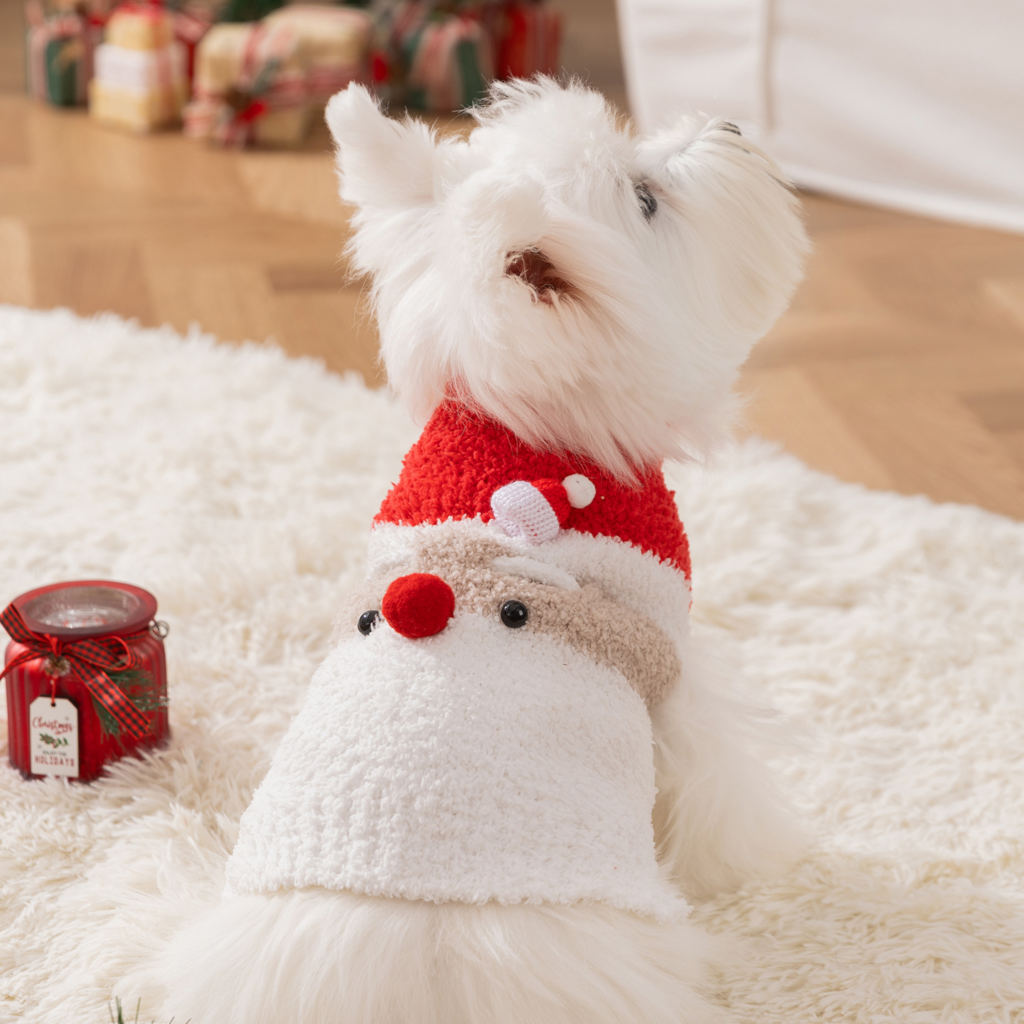
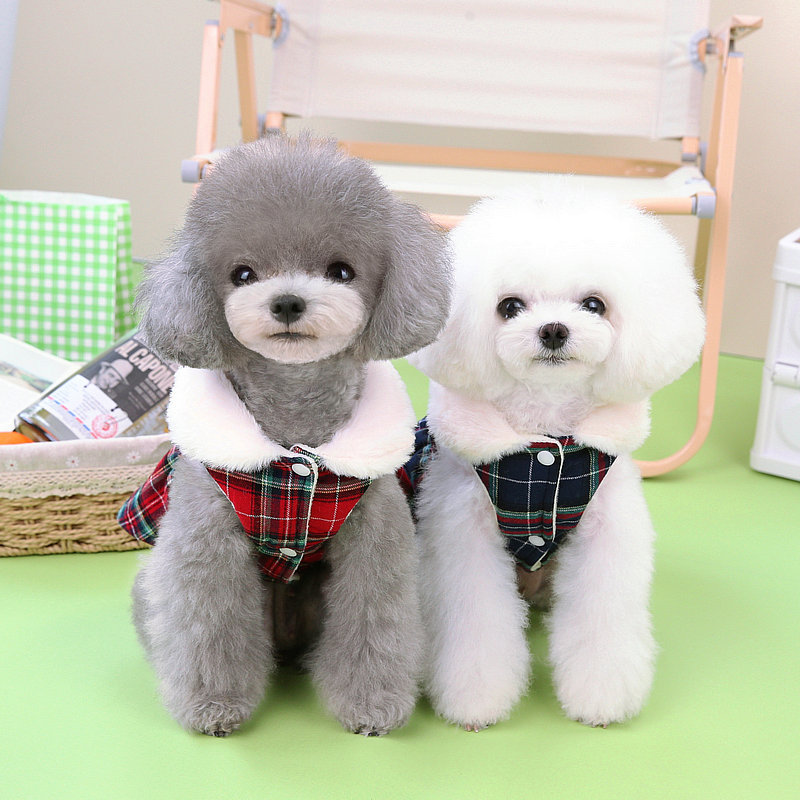
As we move through the mid-2020s, the aesthetic landscape of pet apparel has moved far beyond the simple “costume” phase. Modern designs prioritize a sophisticated blend of high-fashion sensibilities and biological functionality. We are seeing a move toward minimalist elegance, where the “cute” factor is derived from perfect tailoring, high-quality textiles, and a color palette that favors earth tones and muted pastels over the garish neon shades of the past. This maturity in design reflects a more serious approach to pet ownership, where the animal’s comfort and the owner’s personal style are given equal weight. The garment is no longer a joke; it is a statement of identity and a testament to the care provided to a beloved companion.
From Protective Armor to the High-Fashion Runway
The history of animals wearing garments is surprisingly long, though its purposes have shifted dramatically. In ancient times, war dogs were fitted with leather and metal plating to protect them in battle, while hunting hounds in cold climates were often covered in thick pelts to maintain their body heat. For centuries, the “clothes” worn by animals were strictly utilitarian. Even the decorative collars of the Renaissance were often spiked to protect a dog’s neck from predators. However, as pets moved from the barnyard to the drawing room, the nature of their attire began to change. The Victorian era saw the first real surge in decorative pet wear, with wealthy aristocrats commissioning silk ribbons and velvet capes for their lapdogs.
The transition into the modern era of cute pet clothes was accelerated by the rise of mass media and celebrity culture. In the early 2000s, the image of a small dog in a designer handbag became a cultural touchstone, signaling a new age of “pet-as-accessory.” While this phase was often criticized for being superficial, it laid the groundwork for the professionalized industry we see today. Designers who once worked exclusively for human fashion houses began to pivot, applying their knowledge of draping, fabric tension, and seasonal trends to the canine and feline form. This cross-pollination has resulted in a market where a pet’s wardrobe can be just as diverse and high-quality as that of its owner, featuring everything from moisture-wicking athletic gear to hand-knitted cashmere sweaters.
The Psychological Intersection of Fashion and Pet Ownership
To understand why the market for cute pet clothes continues to grow, one must look at the psychological drivers behind the behavior. For many pet parents, dressing their animal is a form of “care-taking” that provides significant emotional satisfaction. It is an extension of the nesting instinct, where the owner finds joy in providing warmth and protection to a creature that is dependent on them. This behavior often triggers the release of oxytocin in the human brain, fostering a deeper sense of attachment. When a pet looks “cute” in a well-fitted sweater, it reinforces the human’s perception of the pet as a vulnerable, precious family member who deserves the very best.
Furthermore, dressing a pet serves as a powerful social tool. In an increasingly digital and often isolated world, a pet wearing a stylish outfit acts as an immediate icebreaker and social lubricant. During walks or at pet-friendly events, a dressed pet invites positive interaction from strangers, facilitating community building and shared experiences. For the pet, while they do not possess a concept of “fashion,” they are highly sensitive to the positive attention and affection they receive when wearing something that pleases their owner. If the clothing is comfortable and non-restrictive, the pet learns to associate the garment with extra praise, treats, and social engagement, making it a positive reinforcement loop for both species.
Identity Expression through the Lens of Animal Fashion
For the modern consumer, every purchase is an opportunity to express personal values and aesthetic preferences. This is particularly true in the realm of pet fashion, where the animal becomes a canvas for the owner’s identity. A pet dressed in a rugged, waxed-canvas jacket might reflect the owner’s love for the outdoors and traditional craftsmanship. Conversely, a pet in a vibrant, avant-garde piece from a niche designer signals the owner’s connection to the contemporary art and fashion scenes. This “identity mirroring” is a core reason why boutique pet brands have seen such success; they offer owners a way to signal their lifestyle and social status through their companions.
The rise of social media has amplified this trend exponentially. Platforms like Instagram and TikTok have turned pets into “influencers” in their own right, with some animals amassing millions of followers. In this digital arena, cute pet clothes are the primary tool for branding. A consistent wardrobe helps define a pet’s “character”—whether they are the grumpy cat in a bowtie or the adventurous retriever in a neon life vest. This has led to a demand for “limited edition” drops and seasonal collections that allow pet owners to keep their content fresh and visually engaging. The pet is no longer just a companion; they are a co-star in the owner’s digital narrative, and their wardrobe is their costume.
Technical Innovations in Smart Pet Apparel
As we look at the cutting edge of the industry in 2025, technology is playing an increasingly vital role. The “cute” exterior of modern pet clothes often hides a sophisticated array of sensors and smart fabrics designed to monitor animal health. We are seeing the integration of biometric sensors that can track a dog’s heart rate, respiratory rate, and activity levels throughout the day. This data is synced to a mobile app, providing owners and veterinarians with a continuous stream of health information. This is particularly valuable for aging pets or those with chronic conditions, where early detection of a change in vitals can be life-saving.
Beyond health monitoring, the materials themselves are becoming smarter. Designers are utilizing phase-change materials originally developed for NASA to create jackets that can actively regulate a pet’s body temperature. These fabrics absorb excess heat when the pet is active or in a warm environment and release it when the temperature drops, ensuring the animal remains in a “thermal neutral” zone. Additionally, we are seeing the rise of UV-protective fabrics that shield short-haired or light-skinned pets from the sun’s harmful rays, as well as garments infused with pheromones or essential oils to help calm anxious pets during thunderstorms or travel. These innovations prove that the future of pet fashion is as much about science as it is about style.
The Science of Ergonomics and Animal Movement
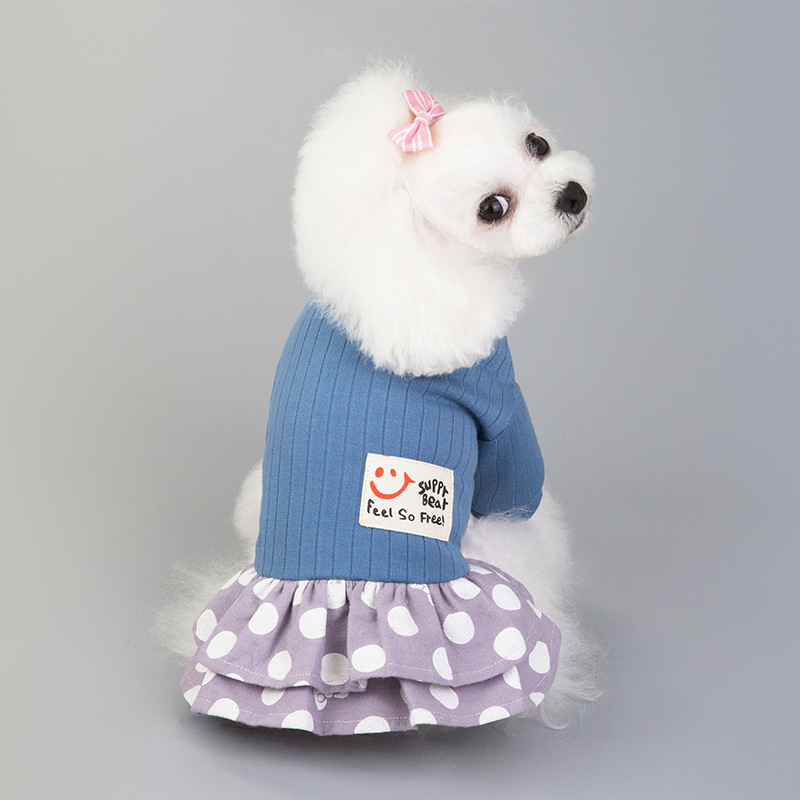
One of the biggest challenges in designing high-quality cute pet clothes is the sheer diversity of animal anatomy. A garment that fits a barrel-chested French Bulldog will be completely inappropriate for the long, slender frame of a Greyhound. In recent years, the industry has embraced the science of ergonomics to solve these issues. Leading brands now use 3D body scanning and motion-capture technology to understand how different breeds move. This has led to the development of “articulated seams” and “dynamic stretch zones” that allow a pet to run, jump, and play without the fabric bunching or restricting their range of motion.
A major focus of ergonomic design is the “stress-free” entry system. Traditional pet clothes often required pulling a garment over the pet’s head or forcing their legs through small openings, which many animals find distressing. Modern designs favor “step-in” models with adjustable Velcro or magnetic closures that can be secured in seconds with minimal physical manipulation of the pet. Furthermore, designers are paying closer attention to the “tail-set” and the “potty-clearance” of garments, ensuring that the clothes do not interfere with the pet’s ability to communicate through body language or relieve themselves cleanly. By prioritizing the animal’s biological needs, designers are ensuring that fashion does not come at the expense of well-being.
Sustainability and the Ethical Shift in Pet Fashion
The global movement toward sustainability has not left the pet industry untouched. Modern pet owners are increasingly conscious of the environmental footprint of their purchases, leading to a surge in demand for eco-friendly cute pet clothes. This has given rise to the use of “alt-leathers” made from pineapple husks or mushrooms, as well as fabrics woven from recycled ocean plastics and organic hemp. These materials are not only better for the planet but are often superior in performance—hemp, for instance, is naturally antimicrobial and extremely durable, making it an ideal choice for active pets.
Ethical manufacturing is another critical pillar of the modern pet fashion industry. Consumers are moving away from “fast fashion” for pets, which is often produced in questionable labor conditions using toxic dyes. Instead, there is a growing trend toward “slow fashion,” where garments are made-to-order or produced in small batches by artisans who are paid a living wage. Many of these brands also incorporate a “give-back” model, where a portion of every sale is donated to animal shelters or conservation efforts. This ethical alignment allows pet owners to feel good about their purchases, knowing that the “cute” outfit they bought for their dog is also contributing to a better world for all animals.
Material Excellence: From Cashmere to High-Tech Mesh
The choice of fabric is what separates a novelty costume from a high-quality piece of pet apparel. In the luxury segment, we are seeing a heavy reliance on natural, breathable fibers. Cashmere and merino wool are prized for their incredible warmth-to-weight ratio and their ability to wick moisture away from the pet’s skin, preventing the “damp dog” smell that can occur with synthetic sweaters. For summer wear, bamboo-derived fabrics and lightweight linens are popular for their cooling properties and soft hand-feel, which is gentle on pets with sensitive skin or allergies.
On the functional side, high-tech mesh and ripstop nylons are the standard for outdoor gear. These materials are designed to withstand the rigors of the trail—resisting tears from thorns and shedding water during a downpour. Many of these fabrics are now treated with non-toxic, PFC-free water repellents that provide excellent weather protection without the environmental cost of traditional coatings. The integration of “silver-ion” technology into fabrics is another growing trend, as it provides permanent odor control by inhibiting the growth of bacteria. This focus on material excellence ensures that pet clothes are not only aesthetically pleasing but also durable and easy to maintain.
Seasonal Dynamics and the Functionality of Style
The pet fashion calendar now mimics the human fashion cycle, with distinct collections for Spring/Summer and Autumn/Winter. These seasonal shifts are driven by more than just aesthetics; they are a response to the changing functional needs of pets throughout the year. In the spring, the focus is on lightweight raincoats and “tick-repellent” bandanas that use permethrin-infused fabrics to protect pets during peak parasite season. Summer collections emphasize cooling vests and UV-shielding tees, which are essential for preventing heatstroke and skin cancer in vulnerable breeds.
As the weather turns cold, the industry shifts its focus to insulation and visibility. The “puffer jacket” has become a staple of the canine winter wardrobe, providing high-level warmth for small or short-haired dogs who struggle to maintain their body temperature in sub-zero conditions. Visibility is also a key safety concern during the short days of winter, leading to the widespread use of highly reflective piping and integrated LED strips in winter coats. These seasonal garments allow pet owners to continue their outdoor routines year-round, ensuring the pet remains safe and comfortable regardless of the elements. This fusion of seasonal style and functional protection is the hallmark of the modern pet fashion industry.
The Global Economic Impact of the Pet Humanization Trend
The economic implications of the pet humanization trend are staggering. In 2025, the global pet apparel market is projected to reach record heights, driven by a growing middle class in emerging markets such as China, Brazil, and India. In these regions, pet ownership is seen as a symbol of lifestyle success and urban sophistication, leading to a high demand for premium cute pet clothes. This global growth has created a diverse ecosystem of businesses, from local boutique makers on Etsy to massive multinational corporations that have added pet lines to their portfolios.
The rise of e-commerce and specialized pet retail platforms has also transformed how owners shop for their animals. AI-driven sizing tools now allow owners to input their pet’s breed and measurements to receive a perfect fit recommendation, reducing the high return rates that previously plagued the industry. Subscription boxes for pet fashion have also become popular, delivering a curated “outfit of the month” to the owner’s door. This commercial infrastructure has made it easier than ever for pet owners to experiment with different styles and keep their pets’ wardrobes current. The economic vitality of this sector ensures that innovation will continue at a rapid pace, bringing even more advanced and beautiful designs to the market.
Safety Protocols in the Design of Pet Garments
While the aesthetic appeal of pet clothes is what draws consumers in, safety is the foundation upon which the industry is built. A “cute” outfit is a failure if it poses any risk to the animal. Designers must adhere to strict safety protocols, starting with the elimination of small parts like buttons or sequins that could be chewed off and swallowed. Instead, modern designs use embroidered details or heat-pressed graphics to achieve visual interest. The use of “breakaway” fasteners is also becoming a standard, ensuring that if a pet gets their garment caught on a fence or a piece of furniture, the clothing will release under tension rather than trapping the animal.
Another critical safety consideration is the prevention of overheating. Because pets cannot sweat like humans, any garment that traps too much heat can quickly become dangerous. Responsible brands now include “thermal ratings” on their products, advising owners on the appropriate temperature range for each item. There is also a move toward “modular” designs, where layers can be added or removed as the pet’s activity level or the ambient temperature changes. By educating owners on how to use pet clothes safely, the industry is protecting its most important stakeholders—the animals themselves.
Conclusion
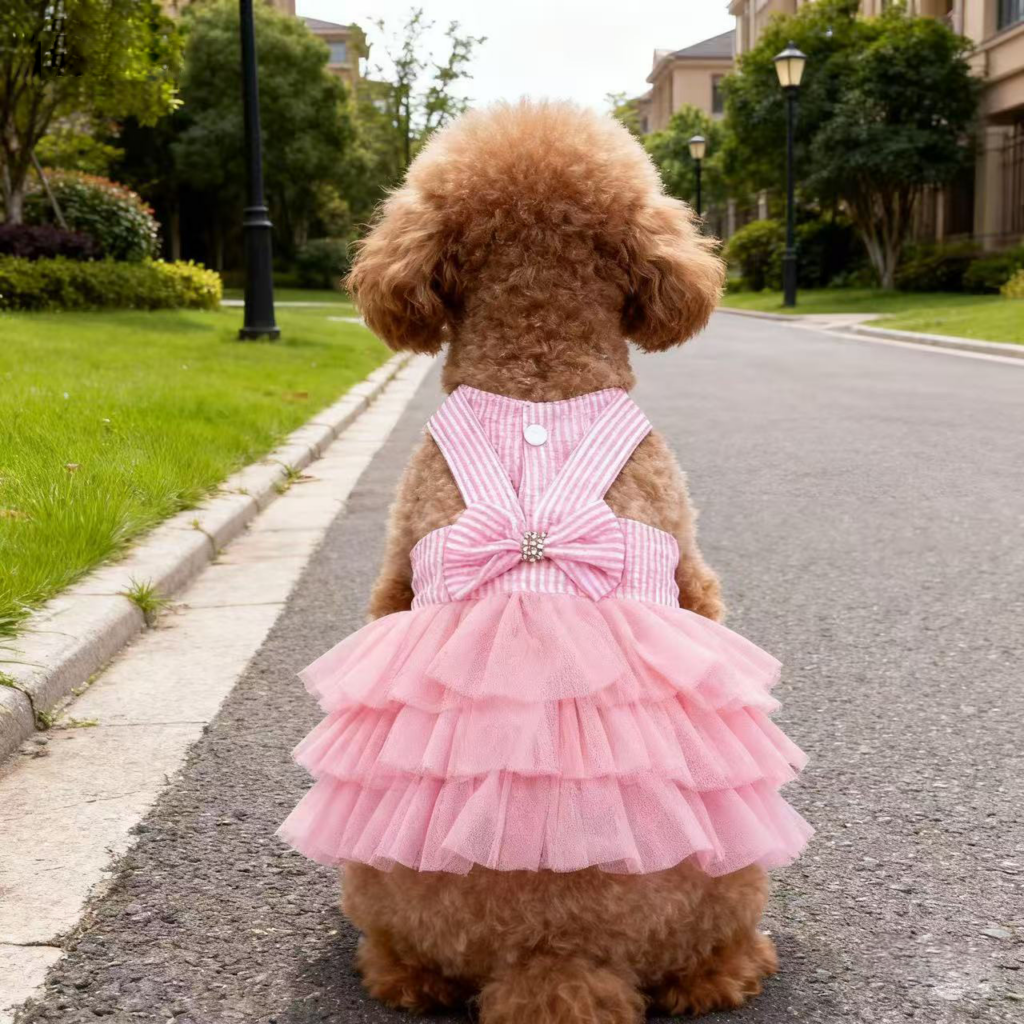
The world of cute pet clothes has matured into a sophisticated intersection of culture, technology, and unconditional love. What began as a simple way to keep a dog warm has transformed into a global phenomenon that allows us to celebrate our pets, protect their health, and express our own identities. Through the use of smart fabrics, ergonomic design, and sustainable materials, the industry is proving that fashion can be a force for good in the lives of animals. As we look to the future, the bond between humans and their pets will only continue to strengthen, and the clothes we choose for them will remain a vibrant, beautiful expression of that unique connection. Whether it is a high-tech cooling vest for a summer hike or a cozy cashmere sweater for a winter evening, pet fashion is a testament to the fact that our animals are truly part of the family.
How to purchase:Online B2B sourcing platform, China purchase, Chinese suppliers – LooperBuy
Frequently Asked Questions
1. How do I find the right size?
Measure the neck, chest girth, and back length. Always use the specific size chart for each brand, as “medium” varies between manufacturers. Ensure you can fit two fingers under the fabric for comfort.
2. What fabrics are best for sensitive skin?
Choose natural, breathable fibers like organic cotton, bamboo, or high-quality silk. Avoid cheap synthetics or rough wool that can cause itching, and look for “hypoallergenic” labels.
3. Is it safe for cats to wear clothes?
Yes, but cats are more sensitive to touch. Start with lightweight, sleeveless items and never leave a dressed cat unsupervised, as they may get tangled while climbing or jumping.
4. How should I clean pet apparel?
Most items are machine-washable on a gentle cycle with pet-safe detergent. Air-drying is recommended to maintain the garment’s shape and prevent shrinking. Always check the care label first.
5. Can clothes help with pet anxiety?
Yes, certain “compression” garments or those infused with calming pheromones can help pets feel more secure during stressful events like thunderstorms, fireworks, or vet visits.
HOT TAG: luxury pet fashion, sustainable dog clothing, cute pet clothes, ergonomic animal wear, pet humanization, smart pet apparel, seasonal pet styles, ethical pet brands, canine couture, feline fashion, pet safety, matching pet outfits, hypoallergenic pet fabrics, high-tech pet gear, pet industry growth, Gen Z pet trends, decorative dog sweaters, cooling pet wear, winter pet protection, pet psychological well-being.