The human connection to soft, cuddly objects is a phenomenon that begins in the earliest stages of infancy and often persists throughout an entire lifetime. Among the vast menagerie of stuffed animals that populate nurseries, bedrooms, and even office desks, one particular form reigns supreme in its ability to evoke warmth and nostalgia: the puppy plush toy. This humble object, fashioned from fabric and fiber, represents far more than a mere plaything. It is a symbol of unconditional love, a silent listener to our deepest secrets, and a physical manifestation of the ancient bond between humans and their most loyal animal companions. To understand why these toys hold such a permanent place in our culture, we must explore the intersection of psychology, craftsmanship, and the evolving nature of companionship in the modern age.
Table of Contents
The Psychological Foundation of Soft Companionship
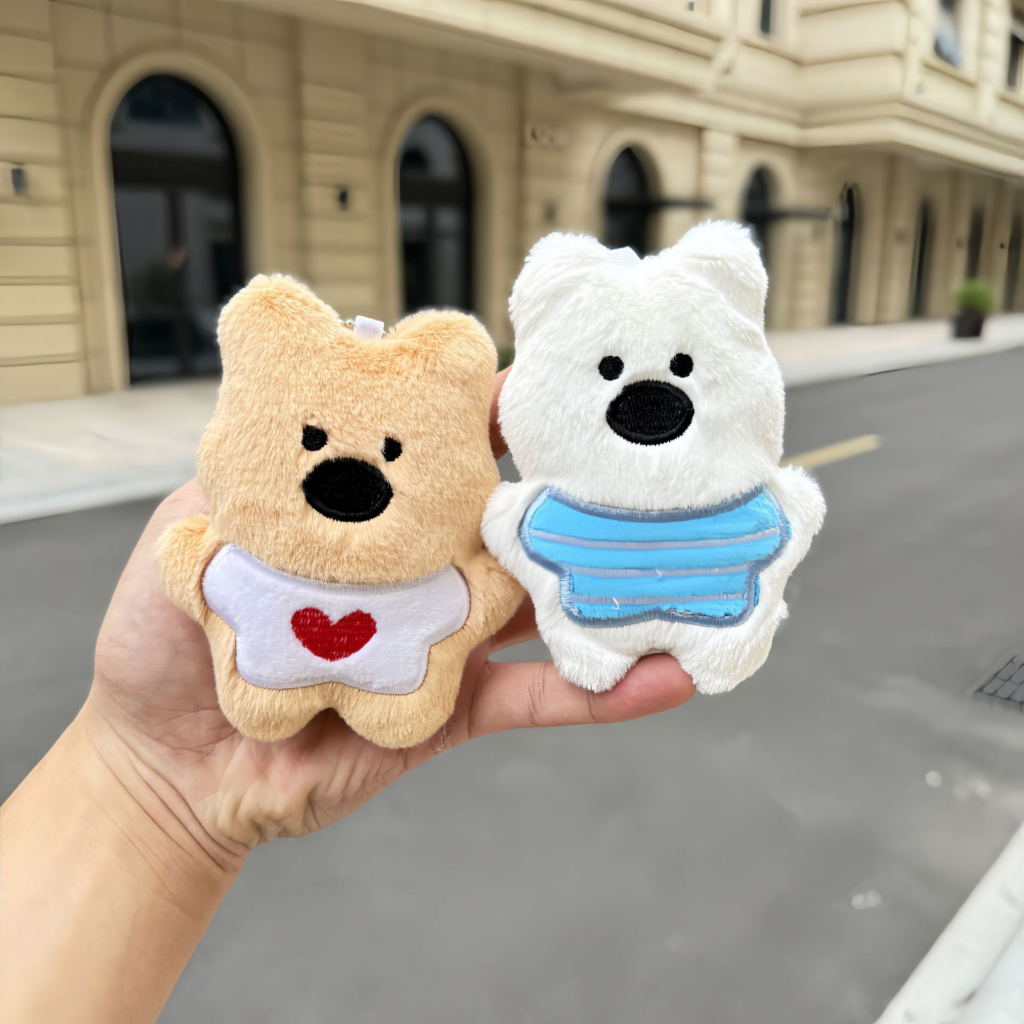
From the moment a child is born, they begin a journey of sensory discovery. The world is a place of sharp edges, loud noises, and unpredictable changes. In this environment, a puppy plush toy offers a rare and necessary constant. It provides a specific tactile comfort that helps regulate the nervous system. The softness of the fur and the squishiness of the body offer a grounding physical sensation that can calm a crying infant or soothe a frustrated toddler. This is not merely a matter of distraction; it is a fundamental tool for emotional regulation.
As children grow, these toys often take on the role of what psychologists call transitional objects. These items serve as a bridge between the total dependence on a mother or father and the developing independence of the child. A plush puppy becomes a stand-in for the caregiver’s presence, providing a sense of safety when the child is alone in their crib or facing a new situation like the first day of daycare. Because the toy is inanimate, the child can project any emotion onto it. The puppy can be a brave protector against monsters under the bed, a student in a make-believe classroom, or a patient in a stuffed-animal hospital. This imaginative play is crucial for cognitive development and the processing of complex social scenarios.
The Inherent Appeal of the Canine Form
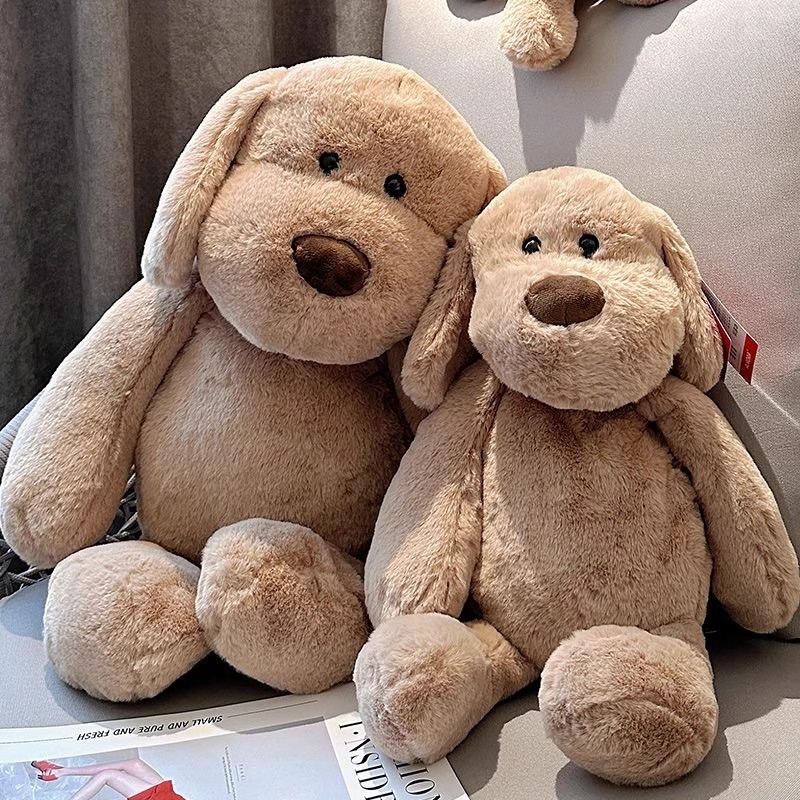
While teddy bears were the pioneers of the stuffed animal industry, the puppy plush toy has carved out a unique niche that specifically mirrors the human-canine relationship. Dogs are uniquely integrated into human society as “man’s best friend,” and this cultural status translates directly into how we perceive their plush counterparts. A dog represents loyalty, playfulness, and protection. When these traits are embodied in a soft toy, they create an immediate sense of trust.
Furthermore, the design of these toys often leverages biological triggers. Most successful plush puppies are designed with features that mimic the proportions of human infants—large eyes, high foreheads, and rounded faces. This aesthetic, often referred to as baby schema, naturally triggers a nurturing instinct in humans. We are biologically hardwired to want to protect and cuddle things that look this way. When you combine these physical traits with the floppy ears and wagging tails characteristic of dogs, the result is an object that is almost impossible to resist. It appeals to our most basic instincts to care for something vulnerable and friendly.
The Art and Science of Plush Craftsmanship
Creating a high-quality puppy plush toy is a meticulous process that balances artistic vision with industrial precision. It begins with the selection of the “skin,” or the outer fabric. In the modern market, manufacturers have moved far beyond simple felt or cotton. Today, materials like ultra-soft minky, plush velvet, and high-pile faux fur are used to replicate the specific textures of different dog breeds. A plush Golden Retriever might feature a long, silky coat, while a plush Bulldog might use a shorter, denser fabric to mimic its rugged build.
The internal architecture is just as important as the exterior. The “stuffing” is usually a high-grade polyester fiberfill, which must be blown into the fabric shell with enough pressure to give the toy shape, but not so much that it becomes rigid. Many premium toys also include specialized weighting, such as plastic pellets or glass beads in the paws or the belly. This gives the toy a “floppy” feel, making it sit more realistically and providing a satisfying weight when held in a person’s arms. The sewing process requires immense skill, as designers must create complex three-dimensional patterns from flat pieces of fabric to ensure the puppy has a realistic snout, expressive brow, and sturdy legs.
Safety and Longevity in Toy Design
For a puppy plush toy intended for a young child, safety is the most critical aspect of the manufacturing process. Every component must be tested to withstand the rigors of heavy play. This means that “safety eyes”—plastic beads that are locked into place with a metal or plastic washer behind the fabric—must be able to resist significant pull force to ensure they don’t become a choking hazard. For toys designed for infants, eyes and noses are often embroidered directly onto the fabric to eliminate small parts entirely.
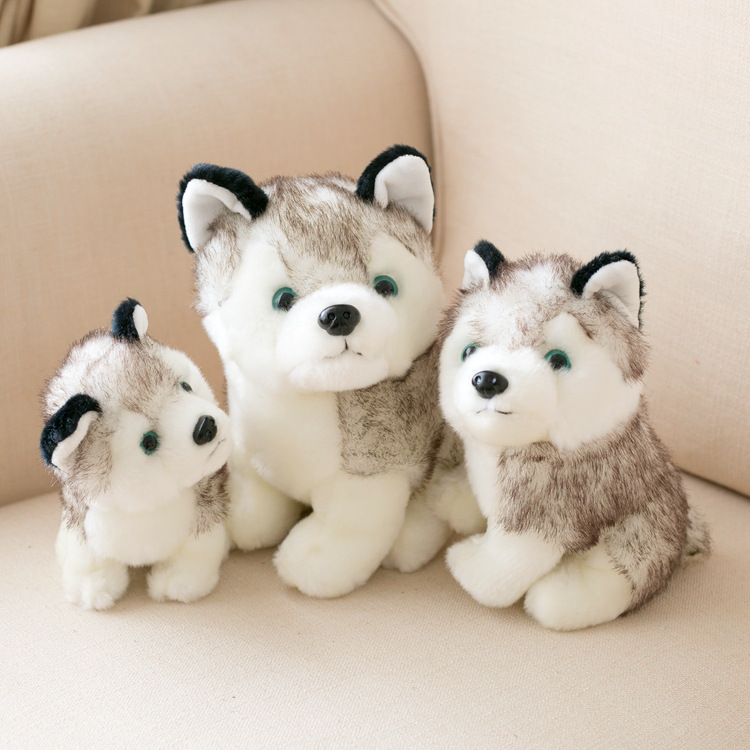
Durability is another hallmark of a well-made plushie. High-quality toys use reinforced stitching at stress points, such as where the limbs attach to the body. This prevents the toy from falling apart after years of being dragged by its tail or squeezed tight every night. Additionally, modern fabrics are often chosen for their ability to withstand cleaning. Parents appreciate toys that can survive a trip through the washing machine, as children’s toys are prone to collecting dust, germs, and the occasional juice spill. The goal is to create a companion that can survive the entirety of a childhood, eventually becoming a cherished heirloom.
The Cultural Evolution of the Plush Puppy
The history of the soft toy industry is a journey from hand-made folk art to global phenomenon. In the early days, soft toys were often made at home from scraps of fabric and old buttons. It wasn’t until the industrial revolution and the rise of specialized toy makers in Germany and the United States that plushies became a commercial product. The puppy plush toy evolved alongside the teddy bear, benefiting from innovations in synthetic fibers and mass-production techniques.
Today, the market is incredibly diverse. We see a split between the mass-market toys found in big-box stores and the designer or collector-grade plushies that can cost hundreds of dollars. There is also a significant movement toward realism. Some companies specialize in creating “pet portraits,” where they craft a custom puppy plush toy that looks exactly like a customer’s real-life dog, capturing every unique spot and ear shape. This shows how our relationship with these toys has moved from generic playthings to deeply personal representations of our real-life companions.
Plush Companions as Therapeutic Tools for Adults
In a surprising shift over the last few decades, the puppy plush toy has found a significant audience among adults. This trend, sometimes called “kidulting,” is not just about nostalgia; it is often rooted in mental health and wellness. For an adult living in a high-stress environment, coming home to a soft, smiling plush puppy can provide a sense of relief and unconditional acceptance. It serves as a stress-relief tool, offering a tactile comfort that helps lower anxiety levels after a long day at work.
In clinical settings, plush toys are increasingly used in therapy. For individuals with dementia or Alzheimer’s, a realistic plush puppy can provide a sense of purpose and comfort, reducing agitation and providing a “pet” that doesn’t require the complex care of a living animal. Similarly, for those dealing with trauma or PTSD, the grounding sensation of holding a weighted plushie can help manage panic attacks. The soft toy acts as a silent companion that offers comfort without judgment or the need for conversation, making it a powerful ally in emotional recovery.
The Role of the Plush Puppy in Modern Gift-Giving
When it comes to choosing a gift that conveys warmth and affection, few things are as effective as a puppy plush toy. It is a versatile gift that works for almost any occasion. For a newborn, it is a “first friend” that will watch over their nursery. For a student going away to college, it is a piece of home that fits in a suitcase. For a partner on Valentine’s Day, it is a sweet, enduring reminder of affection.
The act of giving a plush puppy is often accompanied by the act of naming it, which further cements the bond between the recipient and the toy. This personalization transforms a mass-produced item into a unique individual with its own “personality” and place in the family. Whether it is a tiny keychain-sized pup or a giant, life-sized Golden Retriever, the gesture remains the same: a wish for the recipient to feel comforted, loved, and never truly alone.
The Enduring Popularity of Breed-Specific Designs
One of the reasons the puppy plush toy remains so popular is the sheer variety of breeds available. Designers have become incredibly adept at capturing the specific “essence” of different dogs. A plush Corgi, for example, will emphasize the short legs and large, upright ears that fans of the breed adore. A plush Poodle might feature sections of “sherpa” fabric to mimic its curly coat. This variety allows people to choose a toy that reflects their personal history or their dream pet.
For many children, a breed-specific plushie is their first introduction to the world of dogs. They learn to identify the spots of a Dalmatian or the wrinkled face of a Pug through their toy collection. This education fosters a broader appreciation for animals and can help prepare a child for the responsibility of owning a real pet in the future. It also allows people to express their identity; a person who loves the outdoors might gravitate toward a plush Husky or Labrador, while someone who loves luxury might prefer a tiny, pampered plush Chihuahua.
Sustainable Practices in Plush Manufacturing
As consumers become more environmentally conscious, the puppy plush toy industry is also undergoing a green transformation. Historically, the plastic eyes and polyester stuffing of these toys were not environmentally friendly. However, a new wave of manufacturers is prioritizing sustainability. We are now seeing plushies made from recycled plastic bottles, where the bottles are shredded and spun into soft fibers for both the fur and the stuffing.
Organic cotton and bamboo fibers are also becoming popular for the outer shells, particularly for baby toys where parents want to avoid synthetic chemicals. These eco-friendly puppies offer the same level of softness and durability as their traditional counterparts but with a much lower carbon footprint. This shift ensures that the joy these toys bring to children today does not come at the expense of the world they will inherit tomorrow. By choosing sustainable options, gift-givers can feel even better about the “forever home” they are providing for their new plush friend.
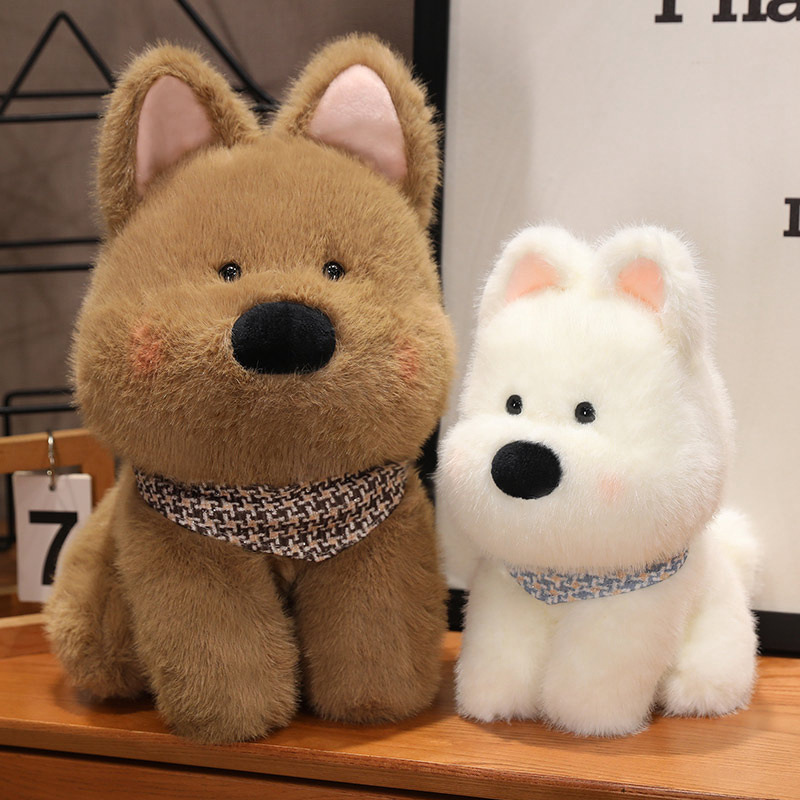
Conclusion: Why We Will Always Need a Soft Friend
In an increasingly digital world, where so much of our interaction happens through cold glass screens, the tactile reality of a puppy plush toy is more important than ever. It reminds us of the value of touch, the importance of comfort, and the enduring power of simple companionship. These toys do not require batteries, software updates, or a Wi-Fi connection; they only require a pair of arms to hold them and an imagination to bring them to life.
Whether it is sitting on a shelf as a collector’s item, being dragged through the mud by an adventurous toddler, or being squeezed tight by an adult during a difficult night, the plush puppy remains a steadfast ally. It represents the best of our human instincts—our capacity for care, our need for connection, and our love for the animals that share our lives. As long as there are people who need a hug and a reminder that they are loved, the puppy plush toy will continue to be a cherished fixture in homes around the world, proving that sometimes, the simplest things in life are the ones that matter the most.
How to purchase:Online B2B sourcing platform, China purchase, Chinese suppliers – LooperBuy
Frequently Asked Questions
1. What age is a puppy plush toy appropriate for?
Most plush puppies are safe for all ages, but those with plastic “safety eyes” are usually recommended for children over three years old. For infants, it is best to choose models with embroidered features to eliminate any potential choking hazards.
2. How should I clean a dirty plush puppy?
If the care label allows it, place the toy in a mesh laundry bag and wash it on a cold, gentle cycle. For delicate or vintage toys, surface washing with a damp cloth and mild soap is safer. Always air-dry to prevent the fur from melting in a hot dryer.
3. Why are some plush toys much more expensive than others?
Higher prices usually reflect the quality of materials, such as specialized faux fur or weighted filling, and the complexity of the design. Handmade or limited-edition collector pieces also command a higher price due to their craftsmanship and rarity.
4. Can a plush toy really help with anxiety?
Yes, the act of hugging a soft object can trigger the release of oxytocin, which promotes relaxation. The rhythmic sensation of stroking soft fur can also serve as a grounding technique to help redirect thoughts during a period of high stress or panic.
5. What is the best way to store a plush collection?
To keep your plushies in top condition, store them in a cool, dry place away from direct sunlight, which can fade the fabric. Using open shelving or breathable fabric bins is better than airtight plastic bags, as fibers need a small amount of airflow to stay fresh.
HOT TAG: puppy plush toy, stuffed animal companion, cuddly dog gift, plushie craftsmanship, sensory comfort toys, transitional objects, nursery decor, plush toy safety, machine washable plushies, gift ideas for kids, stress relief for adults, breed specific plush, sustainable toy manufacturing, minky fabric dog, realistic puppy toy, childhood memories, soft toy maintenance, collector plushies, empathetic play, baby schema design, pet lover gifts, handmade stuffed dogs, weighted plush therapy, hypoallergenic soft toys, nostalgia gifts.