The landscape of e-commerce has undergone a seismic shift, moving away from massive, generalized marketplaces toward niche, creator-driven storefronts. For artists, illustrators, and independent makers, the challenge has always been balancing the time needed for creation with the technical demands of running a business. This is where the synergy between Big Cartel and the dropshipping model—specifically Print-on-Demand (POD)—becomes a game-changer. By leveraging Big Cartel’s artist-first platform and the efficiency of modern fulfillment partners, creators can now build global brands with zero upfront inventory costs. This guide explores the depths of Big Cartel dropshipping, providing a roadmap for turning creative passion into a sustainable digital enterprise.
Table of Contents
Understanding the Big Cartel Ecosystem for Modern Dropshippers
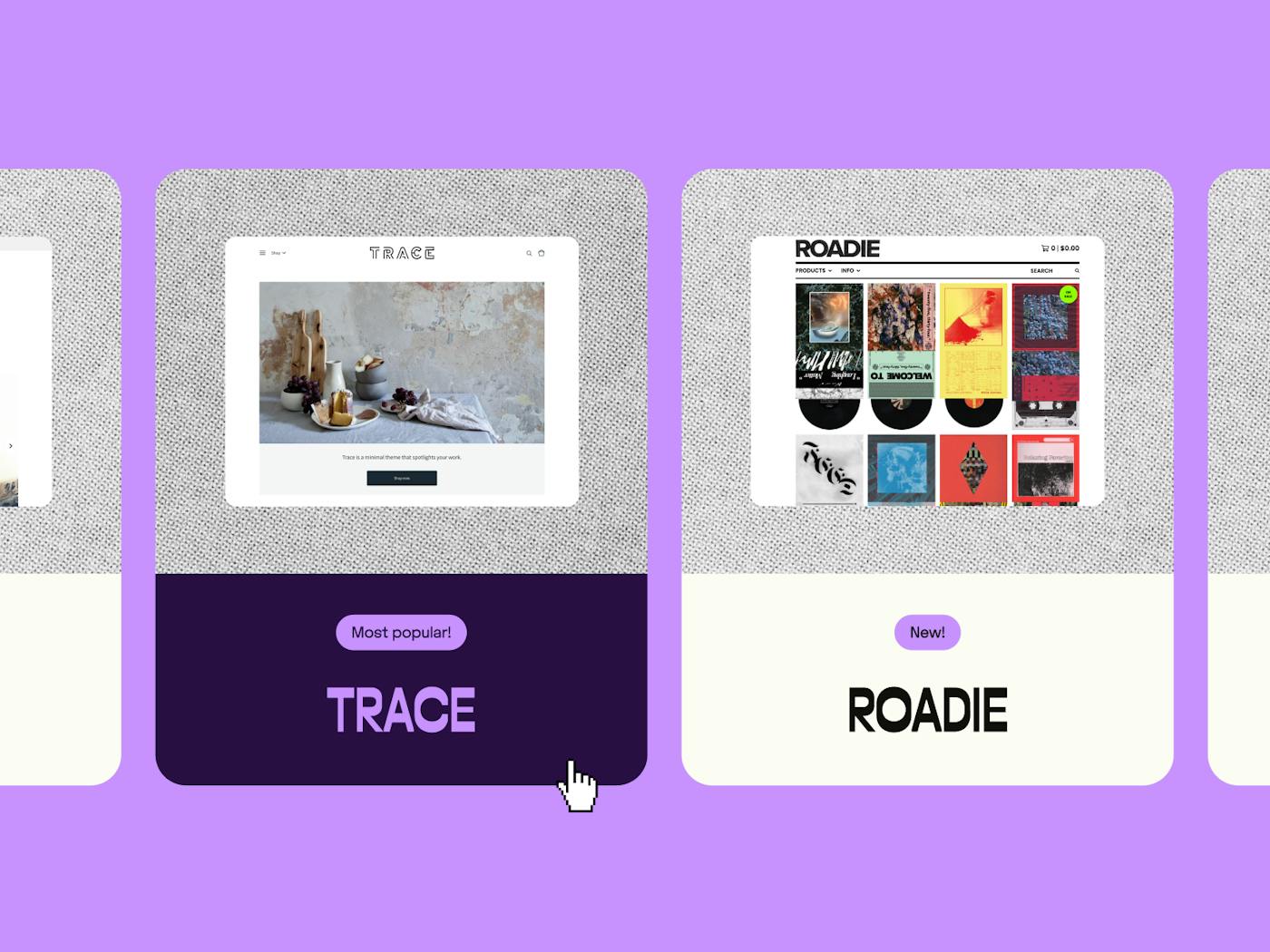
Big Cartel distinguishes itself from giants like Shopify or Amazon by focusing exclusively on the “maker” community. It is a platform designed by artists, for artists, which reflects in its minimalist interface and aesthetic-forward themes. Unlike other platforms that feel like sterile corporate tools, Big Cartel provides a canvas that complements the artistic work being sold. For a dropshipping business, this branding-first approach is vital because the “product” isn’t just a physical item; it’s the art and the story behind it.
Why Big Cartel Appeals to Creators
The primary draw of Big Cartel is its simplicity. While a platform like WooCommerce offers infinite customization, it also requires significant technical upkeep. Big Cartel removes the “decision fatigue” associated with complex backend settings. For a dropshipper, this means you can spend less time troubleshooting plugin conflicts and more time designing new products. The platform is also remarkably lightweight, ensuring that your store remains fast and responsive on mobile devices—a critical factor since the majority of social media traffic, where most artists find their audience, is mobile-based.
Evaluating the Pricing Structure: From Free to Pro
One of the most attractive features for those just starting in dropshipping is Big Cartel’s “Gold” plan, which allows you to list up to five products for free. This is a rare offering in the e-commerce world, where monthly subscriptions are usually mandatory. As your dropshipping empire grows, the “Platinum” and “Diamond” plans offer higher product limits (up to 50 and 500 respectively) at prices that remain significantly lower than entry-level plans on competing platforms. For a dropshipper, these low overhead costs mean higher profit margins on every sale, providing more room to reinvest in marketing or product development.
Big Cartel vs. Shopify: Making the Strategic Choice
While Shopify is often touted as the king of dropshipping, it isn’t always the best fit for the solo creator. Shopify’s ecosystem is built for high-volume scaling and complex inventory management. If you are selling a curated selection of 20 high-quality art prints, Shopify’s $39+ monthly fee and endless app requirements might be overkill. Big Cartel offers a more focused environment. However, it’s important to note the trade-offs: Big Cartel lacks advanced features like abandoned cart recovery on its lower tiers and doesn’t have a built-in blogging engine. For the artist-entrepreneur, the choice often comes down to whether they want a “power tool” (Shopify) or a “specialized tool” (Big Cartel).
Step-by-Step Integration with Leading Dropshipping Partners
The magic of Big Cartel dropshipping happens through its seamless integrations with fulfillment giants. Because Big Cartel doesn’t have a native “dropshipping” marketplace like Shopify’s DSers, it relies on direct API connections with reputable Print-on-Demand (POD) services. This ensures that when a customer places an order on your site, the data is instantly transmitted to the factory for production and shipping, leaving you free to focus on your next masterpiece.
Automating with Printful: The Gold Standard
Printful is arguably the most popular integration for Big Cartel users. It offers a massive catalog of products, ranging from premium organic cotton t-shirts to museum-quality posters and even home decor. The setup process is straightforward: you connect your Big Cartel store via the Printful dashboard, sync your products, and set your retail prices. One of the standout features of this partnership is the “Design Maker,” which allows you to upload your artwork and see real-time mockups. These mockups can then be pushed directly to your Big Cartel storefront, ensuring your product images look professional and consistent.
Expanding Horizons with Printify and Art of Where
While Printful offers a centralized fulfillment model, Printify operates as a network of different print providers. This can be advantageous for Big Cartel users looking for specific products or lower price points. Additionally, Art of Where is a fantastic choice for artists who want a more “boutique” feel. Based in Montreal, they specialize in high-end apparel and accessories like silk scarves and kimonos, which align perfectly with the “artisan” brand image Big Cartel stores typically cultivate. By diversifying your fulfillment partners, you can offer a wider variety of textures and products that your competitors might lack.
Managing Your First Automated Sale
Once your store is integrated, the process is largely “hands-off,” but understanding the flow is crucial. When a customer buys a shirt in your Big Cartel shop, the order appears in your fulfillment partner’s dashboard. You (the merchant) pay the wholesale cost to the fulfillment partner, and they handle the rest. It is essential to have a valid payment method on file with your supplier to prevent order delays. Most modern integrations also allow for automatic tracking number updates, which Big Cartel then sends to your customer, providing a professional and transparent shopping experience.
Strategic Sourcing and Product Selection for Artist Stores
In the world of dropshipping, “winning products” are often temporary trends. However, for an artist-led Big Cartel store, the goal is longevity. Success depends on selecting products that serve as a high-quality medium for your artwork. A poorly printed design on a cheap fabric can ruin your reputation faster than a bad review.
Finding Your Profitable Creative Niche
A “niche” in the artistic sense isn’t just about a subject like “cats” or “mountains.” It’s about a visual style. Whether it’s minimalist line art, vibrant 80s synth-wave aesthetics, or gothic illustrations, your Big Cartel store should feel cohesive. When choosing products to dropship, consider what your specific audience values. If your art is geared toward eco-conscious buyers, focus on organic and recycled apparel lines offered by your POD partners. This alignment between art, product, and values is what creates brand loyalty.
High-Margin Products: Beyond the Standard T-Shirt
While t-shirts are the bread and butter of dropshipping, the margins can be slim due to high competition. To maximize profit on Big Cartel, look toward “high-perceived value” items. Examples include embroidered hoodies, all-over print (AOP) tote bags, and framed canvases. A framed canvas often commands a much higher price point relative to its production cost than a simple poster. Similarly, tech accessories like phone cases or laptop sleeves have high turnover and allow your art to be “portable,” serving as a walking advertisement for your store.
Quality Control in a No-Inventory Model
One of the biggest risks of dropshipping is that you never see the final product before it reaches the customer. To mitigate this, always order samples. Most major fulfillment partners like Printful offer sample discounts. Use these samples to check for color accuracy, fabric weight, and print durability. Seeing the product in person also allows you to take your own lifestyle photos, which are far more effective at selling than the standard digital mockups used by every other dropshipper.
Advanced Marketing and SEO for Big Cartel Success
A beautiful store is useless if no one can find it. Big Cartel provides the foundation for SEO (Search Engine Optimization), but the merchant must do the heavy lifting to drive traffic. In the absence of an internal blog, you must get creative with how you use your product pages and external platforms.
Optimizing Your Store for Organic Search
Big Cartel automatically generates sitemaps and allows you to edit page titles and descriptions. To rank on Google, you need to think like your customer. Instead of naming a product “Blue Sky Print,” use “Surreal Blue Sky Wall Art Print for Modern Home Decor.” Incorporate keywords naturally into your product descriptions. Explain the inspiration behind the piece, the quality of the paper or fabric, and the printing process. This not only helps with SEO but also builds trust with the potential buyer.
Leveraging Social Proof and User-Generated Content
Because you are dropshipping, you don’t have a physical “shop” where people can see others buying. You must create that “busy shop” feeling digitally. Encourage customers to tag you in their photos on Instagram or TikTok. Reposting these photos on your Big Cartel custom pages or social feeds provides “social proof.” When a potential buyer sees a real person wearing your art, the psychological barrier to purchase drops significantly. You can also use tools like “Product Reviews” apps that integrate with Big Cartel to showcase feedback from happy customers.
Building a Brand Story that Converts
People buy from Big Cartel because they want to support independent creators. Your “About” page is perhaps your most important marketing asset. Don’t just say you sell prints; tell the story of why you started, what inspires your work, and how your dropshipping model allows you to stay focused on creation. Transparency about your fulfillment partners can actually be a selling point—mentioning that items are “made to order” to reduce textile waste appeals to the modern, ethical consumer.
Overcoming Operational Hurdles and Scaling Your Store
As your Big Cartel dropshipping store grows, you will encounter challenges that “passive income” gurus often fail to mention. Handling international logistics and maintaining customer satisfaction are the pillars of a scalable business.
Managing International Shipping and Customs
One of the greatest benefits of dropshipping is the ability to sell globally. However, shipping times can vary wildly. It is vital to set clear expectations in your Big Cartel “Shipping” policy. If an item is being printed in the US but shipped to Germany, the customer needs to know it might take two weeks. Additionally, be transparent about potential customs fees for international orders. Most fulfillment partners have multiple facilities worldwide; utilizing a partner with “global routing” can automatically ship an order from the facility closest to the customer, saving time and money.
Handling Customer Service and Returns
In a dropshipping model, you are the middleman. If a print arrives damaged, it is your responsibility to make it right. Most reputable POD companies will offer a free replacement for damaged goods, but you must be the one to coordinate this. Develop a clear return policy: since items are custom-made, most dropshippers only offer returns for defects rather than “buyer’s remorse.” Providing excellent customer service—answering emails within 24 hours and being empathetic—can turn a shipping disaster into a lifelong fan of your art.
Transitioning from Side Hustle to Full-Time Business
Scaling a Big Cartel store involves moving from “one-off” sales to a predictable revenue stream. This often requires investing in email marketing. Since Big Cartel doesn’t have a native email tool, you can use integrations like Mailchimp or Klaviyo. Offer a discount code for people who sign up for your newsletter. This allows you to “own” your audience and announce new product drops directly to people who have already shown interest. As your volume increases, you may eventually decide to move your top-selling items to a local warehouse for faster shipping, but the dropshipping model will always remain the most efficient way to test new designs and expand your catalog without risk.
Conclusion
Big Cartel dropshipping represents the perfect marriage of creative freedom and operational efficiency. It allows artists to bypass the traditional barriers of entry—the need for expensive equipment, warehouse space, and complex shipping logistics. By choosing the right fulfillment partners, selecting high-quality products that align with your artistic vision, and executing a targeted marketing strategy, you can build a brand that resonates on a global scale. While it requires dedication to branding and customer service, the ability to turn a digital illustration into a physical product delivered to a customer’s door anywhere in the world is a powerful tool for any creator. The journey from a small “Gold” plan shop to a thriving “Diamond” level business is one of consistent iteration, storytelling, and, most importantly, the courage to share your art with the world.
Related Questions & Answers
· Can I sell both physical inventory I have at home and dropshipped products on Big Cartel?
Yes, Big Cartel allows you to mix fulfillment methods. You can list products that you ship yourself (like original paintings or handmade jewelry) alongside dropshipped items (like prints or shirts). You simply need to manage the shipping profiles for each product type separately to ensure customers are charged correctly.
· How do I handle taxes and VAT for my dropshipping store?
Big Cartel provides basic tax settings, but as a dropshipper, you are responsible for understanding your tax obligations in your specific region. When using a service like Printful, they may charge you sales tax based on the delivery address. You should consult a local tax professional to ensure you are collecting and remitting the correct amounts, especially when selling to international customers in the EU or UK.
· Is it possible to use multiple dropshipping suppliers at once on Big Cartel?
Absolutely. You can connect multiple services like Printful and Printify to the same store. The only complexity is managing shipping costs, as a customer who buys a product from “Supplier A” and “Supplier B” in one order will result in two separate shipments. Most sellers choose to simplify their shipping rates or use a “flat rate” to cover these potential overlaps.
· Do I need a business license to start a Big Cartel dropshipping shop?
Requirements vary by country and state. In many places, you can start as a “Sole Proprietor” using your own name, but once you reach a certain income threshold, you may need to register as a formal business entity (like an LLC). Check your local government’s small business website for specific registration requirements.
· Can I customize the packaging of my dropshipped products?
While you don’t control the box, many fulfillment partners offer “branding” options. This includes things like custom neck labels on shirts, branded packing slips, or even “pack-ins” like thank-you notes and stickers. These small touches help make the dropshipping experience feel more like a direct purchase from the artist.
Hot Tags:
Big Cartel Dropshipping; Print On Demand; Artist Store; Creative Entrepreneur; E-commerce Tips; Printful Integration; Printify Guide; Passive Income For Artists; Side Hustle Ideas; Online Art Sales; Custom Apparel; Home Decor Dropshipping; Art Prints Online; Digital Art Business; Low Cost Startup; Small Business Marketing; SEO For Artists; Social Media Selling; Global Shipping; Branding For Creators; Boutique E-commerce; Merchandise Design; Minimalist E-commerce; Independent Makers; Art Branding; Product Sourcing; Fulfillment Automation; Customer Service Tips; Scaling Online Stores; Artist Merch.
Elevate your artistic brand and maximize your store’s earning potential by sourcing the highest-quality trending products designed to scale your dropshipping business at Looperbuy at https://looperbuy.com/.
Abstract:
This comprehensive guide details how independent artists can use Big Cartel and dropshipping to build a low-risk, high-reward online store. It covers platform selection, technical integration with partners like Printful, product sourcing strategies, marketing for creators, and scaling operational hurdles for long-term success.