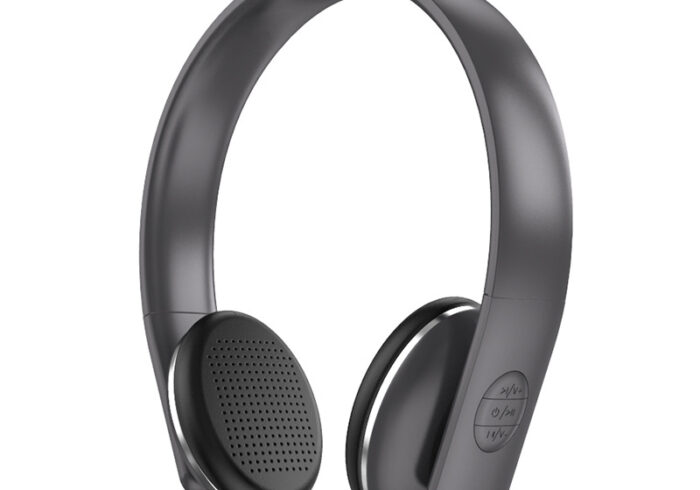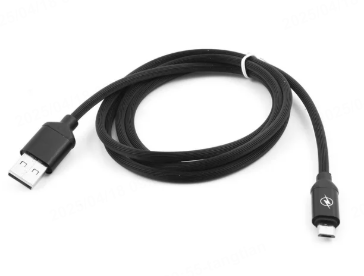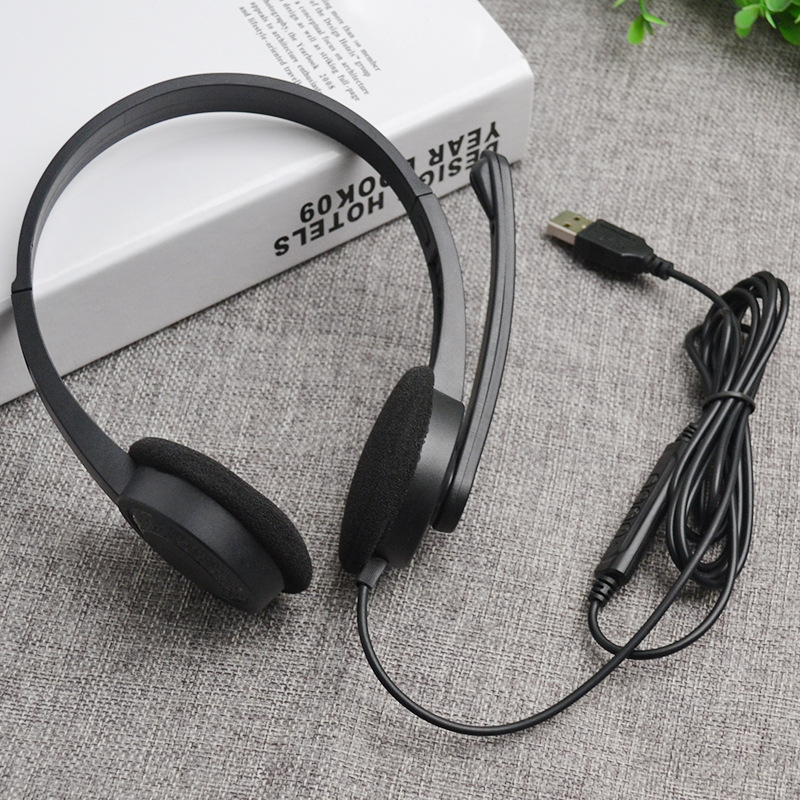
The history of personal audio is a fascinating journey through the evolution of signal transmission, beginning with the crude analog vibrations of the nineteenth century and culminating in the sophisticated digital streams of today. For decades, the 3.5mm analog jack served as the universal gateway for sound, a reliable and simple interface that connected millions of listeners to their music. However, the rise of the smartphone era and the relentless pursuit of device miniaturization signaled the beginning of a fundamental shift. This transition led to the emergence of USB earphones, a technology that represents much more than a mere change in the shape of a connector. It signifies a move toward a more intelligent, integrated, and high-fidelity method of sound delivery that bypasses the traditional limitations of analog hardware.
Table of Contents
The Historical Transition from Analog to Digital Interfaces
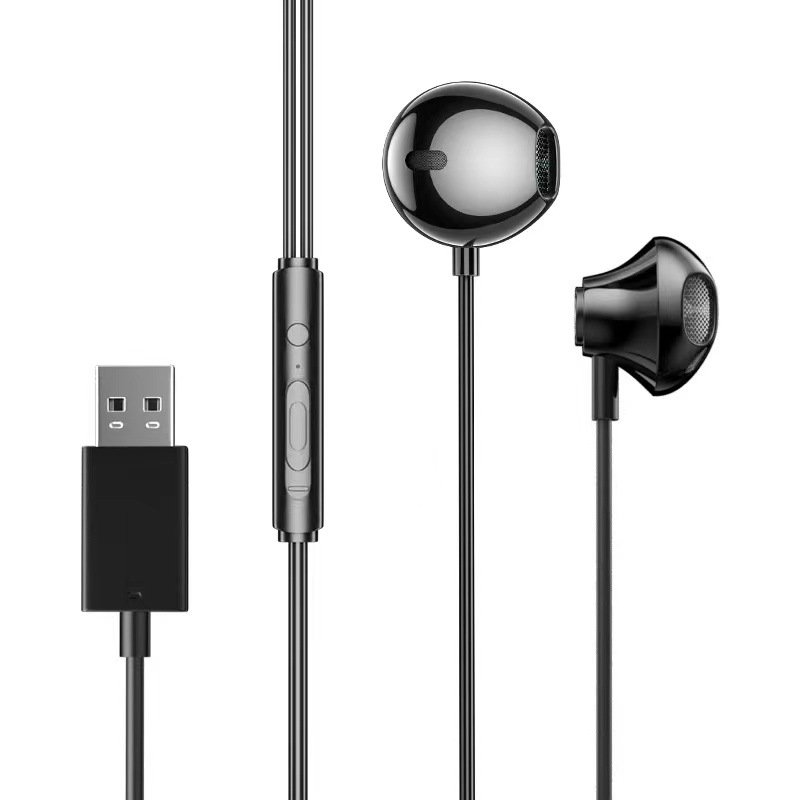
To understand the current dominance of digital audio, one must first appreciate the legacy of the analog connector. The 3.5mm jack was originally a miniaturized version of the telephone switchboard plug, designed for a world where audio was purely electrical and uncompressed. While it served the industry well for over fifty years, it eventually became a bottleneck for innovation. As mobile devices became thinner and more complex, the physical space required for a dedicated analog port became a luxury that engineers could no longer afford. More importantly, the internal circuitry required to drive an analog jack was often subject to electromagnetic interference from the powerful processors and wireless radios inside modern smartphones.
The move toward USB earphones was catalyzed by the need for a more versatile and space-efficient solution. By utilizing the existing data and charging port, manufacturers could remove a redundant component while simultaneously improving the quality of the audio signal. Unlike the analog jack, which transmits a pre-converted and often degraded electrical signal, the USB port outputs raw digital data. This allows the earphones themselves to take control of the entire audio processing chain, from the digital bitstream to the final acoustic output. This shift has essentially moved the “brains” of the audio system out of the phone and into the earphone assembly, ensuring a cleaner and more consistent experience across all devices.
The Technical Architecture of Digital Sound Delivery
The defining characteristic of true USB earphones is the inclusion of an integrated Digital-to-Analog Converter, commonly known as a DAC, and a specialized amplifier located within the connector or the inline housing. In a traditional setup, the conversion from digital code to sound happens inside the source device, using generic hardware that is often shared with other system functions. USB earphones bypass this internal hardware entirely. By receiving a clean digital signal directly from the source, they can utilize a dedicated chipset that is specifically tuned to the unique acoustic properties of the earphone drivers.
This integrated architecture ensures that the sound is reproduced with surgical precision. Because the conversion happens at the very end of the signal path, there is significantly less opportunity for the signal to pick up unwanted noise or distortion. Furthermore, the USB interface is capable of carrying a wealth of information beyond simple audio data. It provides a stable power source and a bidirectional data link, allowing for advanced features like firmware updates, customizable equalization, and sophisticated remote control functionality. This synergy between hardware and software is what makes the USB earphone a truly modern peripheral rather than a passive accessory.
Understanding the Integrated Digital-to-Analog Converter
The DAC is the heart of the digital audio experience. Its job is to translate the binary ones and zeros of a digital file into the smooth, continuous voltage changes that drive a speaker’s diaphragm. In high-quality USB earphones, these DACs are engineered to support much higher bit depths and sampling rates than the average internal phone chip. While a standard analog output might be limited by the quality of the phone’s budget-friendly internal components, a pair of premium USB earphones can offer studio-grade resolution. This means that the listener can enjoy the full depth and texture of high-resolution recordings, capturing nuances that would otherwise be lost in translation.
The placement of the DAC is also a critical factor in performance. By housing the converter outside the device, manufacturers can shield it from the electrical “noise” generated by the device’s screen, processor, and battery. This results in a much lower noise floor, which manifests as a silent background during quiet passages of music. For the listener, this translates to a more dynamic and immersive soundscape where every instrument has its own space and clarity. The integrated DAC represents a commitment to signal integrity that was simply not possible with the aging analog standard.
Enhanced Signal Integrity and Noise Management
One of the greatest enemies of high-fidelity audio is electromagnetic interference. In an analog cable, the electrical signal is vulnerable to external noise from Wi-Fi signals, cellular antennas, and even other nearby power cables. Because the signal is already analog, any noise picked up along the wire is amplified and played directly through the speakers, often resulting in a faint hiss or hum. USB earphones solve this problem by keeping the signal in the digital domain for the majority of its journey. Digital signals are inherently robust; they are essentially a series of high and low voltages that represent binary data. Minor interference does not change the value of these bits, meaning the data arrives at the earphone’s DAC in a pristine, unadulterated state.
Furthermore, the physical design of the USB-C connector provides a more secure and stable ground connection compared to the rotating barrel of a 3.5mm jack. This stability reduces the likelihood of signal dropouts or the “crackling” sounds that often occur when an analog plug is bumped or moved. For professional users and audiophiles who demand perfection, this level of reliability is indispensable. The move to digital is not just about convenience; it is a fundamental improvement in the physics of sound transmission, ensuring that the listener hears exactly what the recording engineer intended.
The Power of Onboard Amplification
Power delivery is another area where USB earphones hold a distinct advantage. Traditional headphones are passive devices that rely on the source device to provide enough voltage to move their drivers. Many smartphones struggle to drive high-performance headphones, resulting in a sound that feels thin or lacking in volume. USB earphones address this by drawing power directly from the device’s port to run their own internal amplifier. This allows the earphones to provide a much more robust and authoritative sound, with tighter bass and clearer transients, regardless of the device they are plugged into.
This onboard power also simplifies the inclusion of active features. For example, Active Noise Cancellation (ANC) requires a power source to run the microphones and processing chips that cancel out external sounds. In the past, ANC earphones required a bulky battery pack on the cable. With USB earphones, the ANC circuitry can draw the small amount of power it needs directly from the phone or laptop. This results in a sleeker, more portable design that never needs to be charged separately. The ability to integrate powerful, active components into a lightweight form factor is a hallmark of the USB audio revolution.
High-Resolution Audio and Bit-Perfect Playback
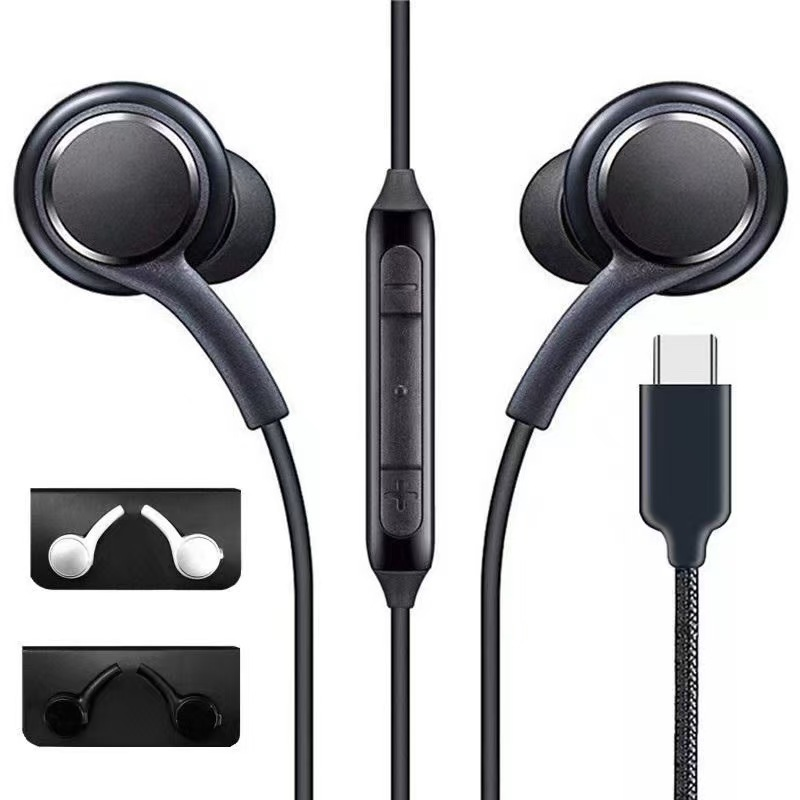
For those who prioritize audio quality, the move to USB has been a major victory. The USB Audio Class protocol allows for “bit-perfect” transmission, meaning that the digital audio data is sent to the earphones without being altered or compressed by the operating system’s audio mixer. This is essential for listening to lossless and high-resolution music formats. While Bluetooth connections invariably involve some level of lossy compression to fit within the available wireless bandwidth, a wired USB connection has more than enough capacity to carry uncompressed audio at the highest possible bitrates.
Many modern USB earphones support 24-bit or even 32-bit audio at sampling rates like 96kHz or 192kHz. This level of detail provides a much more accurate representation of the original recording, offering a wider frequency response and a more natural sound. For the listener, this means a more emotional and engaging experience, as the subtle details of a performance—the breath of a singer, the resonance of a wooden instrument—are preserved in all their glory. USB audio has effectively brought audiophile-grade performance to the mass market in a way that is accessible and easy to use.
Versatility and Universal Compatibility in the USB-C Era
The consolidation of ports around the USB-C standard has been a significant driver for the adoption of digital earphones. Today, USB-C is the universal language for almost all modern electronics, including smartphones, tablets, laptops, and even gaming consoles. This means that a single pair of USB-C earphones can work seamlessly across an entire ecosystem of devices. This level of interoperability is a massive convenience for users who move between different devices throughout the day, eliminating the need for multiple sets of headphones or a collection of easily lost adapters.
The standardized nature of USB audio also means that the experience is consistent across different platforms. In the analog days, the same pair of headphones could sound vastly different depending on whether they were plugged into a high-end laptop or a budget phone. With USB earphones, the sound signature is determined by the earphone’s internal hardware, not the source device. This democratization of sound quality ensures that every user can enjoy a premium listening experience, regardless of their choice of hardware. The universal port has created a unified world of audio that is more efficient and user-friendly than ever before.
Low Latency and its Impact on Gaming and Media
In the world of gaming and professional media production, latency is a critical factor that often makes wireless audio a non-starter. Even the most advanced Bluetooth codecs introduce a perceptible delay between the action on the screen and the sound in the ears. This lag can be the difference between victory and defeat in a competitive game, or a source of frustration when trying to sync audio to video. USB earphones offer a direct, wired connection that provides near-zero latency, ensuring that the sound is perfectly synchronized with the visuals in real-time.
This instantaneous feedback is not just important for gaming; it is also vital for musicians and content creators who need to monitor their audio while recording. The digital nature of the connection also allows for advanced spatial audio processing, which can provide gamers with a 360-degree sense of their environment. By simulating a surround sound environment within the earphones, users can pinpoint the location of footsteps or other subtle cues with incredible accuracy. For anyone who requires absolute synchronization and spatial awareness, the wired digital connection of USB earphones remains the gold standard.
Integrated Microphones and Communication Quality
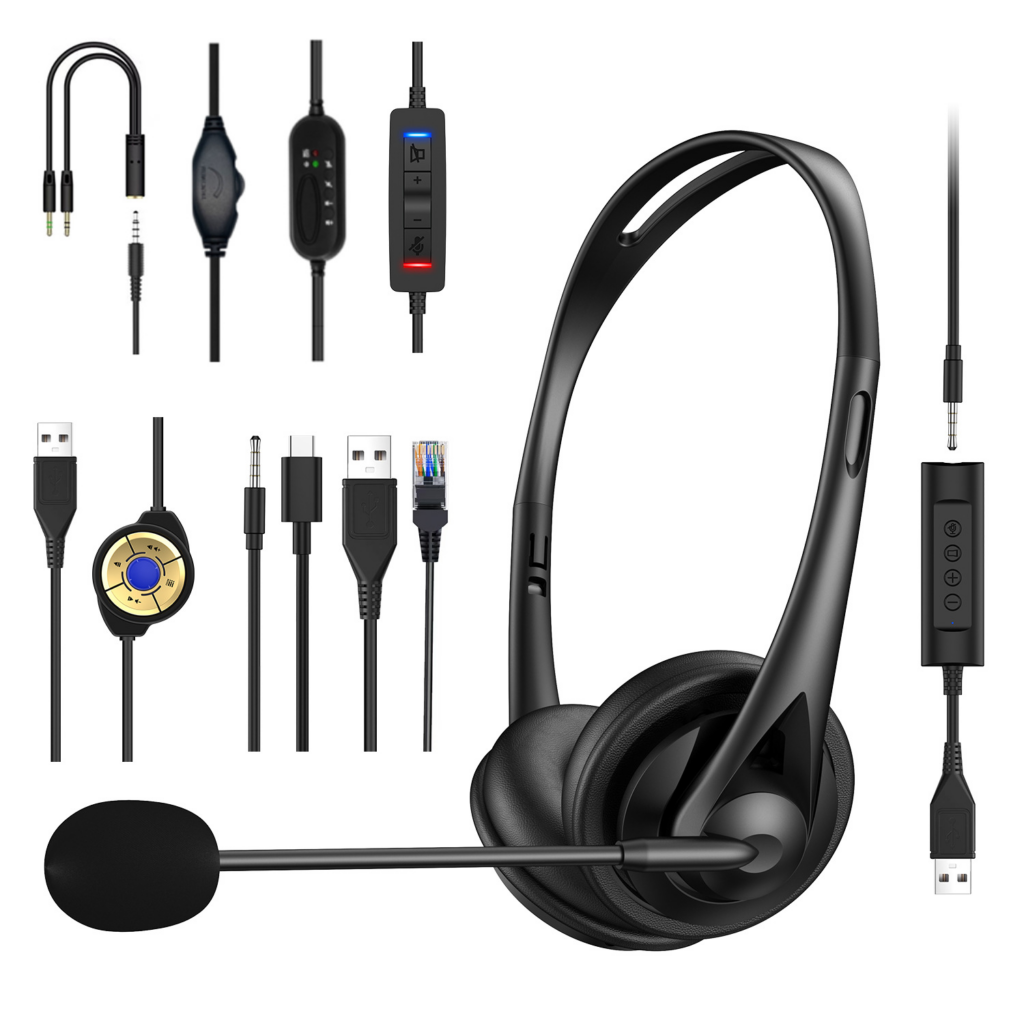
The rise of remote work and virtual meetings has highlighted the importance of clear communication. USB earphones often feature superior microphone performance compared to their analog counterparts. Because the microphone signal is digitized immediately at the source, it is much less likely to pick up electrical interference or background noise. Many USB earphones also include built-in digital signal processing that can actively filter out ambient sounds, ensuring that the user’s voice remains clear and intelligible even in noisy environments.
The bidirectional nature of the USB connection also allows for features like microphone monitoring, where the user can hear their own voice in the earphones. This helps prevent shouting and makes for a more natural conversation. For professionals who spend hours each day on video calls, the reliability and clarity of a dedicated USB audio solution are invaluable. It provides a level of professional-grade performance that built-in laptop microphones and generic analog headsets simply cannot match. In the modern digital office, the USB earphone has become an essential tool for effective collaboration.
Durability and the Longevity of Digital Audio Gear
From a physical standpoint, USB-C earphones are designed to meet the demands of a mobile lifestyle. The USB-C connector is inherently more robust than the thin pins of a 3.5mm jack, featuring a symmetrical design that can be plugged in either way and a secure mechanical fit that resists accidental disconnection. Furthermore, because USB earphones do not rely on an internal battery, they have a much longer potential lifespan than wireless earbuds. Lithium-ion batteries inevitably degrade over time, often rendering wireless headphones useless after just a few years of heavy use.
A well-made pair of USB earphones can last for a decade or more if cared for properly. This longevity makes them a more sustainable and cost-effective choice for many consumers. Additionally, the move to digital allows for the use of more advanced cable materials and construction techniques. Since the cable carries a digital signal, it is less sensitive to the slight changes in resistance that can affect the sound of high-end analog cables. This allows manufacturers to focus on building cables that are durable, tangle-resistant, and built to withstand the rigors of daily travel.
The Economic and Environmental Case for Wired Digital Audio
The shift toward USB audio also has broader implications for the environment and the economy. The electronics industry is facing a growing crisis of e-waste, driven in part by the short lifecycle of battery-powered devices. By choosing wired USB earphones, consumers are opting for a product that is not only more durable but also easier to recycle. Without the complex chemistry of a lithium-ion battery, the materials in a pair of wired earphones are much simpler to process at the end of their life. This makes them a more responsible choice for environmentally conscious listeners.
Economically, USB earphones offer a superior price-to-performance ratio. When you purchase a pair of wireless headphones, a significant portion of the price goes toward the batteries, the Bluetooth radios, and the specialized charging circuitry. A USB earphone avoids these costs, allowing the manufacturer to invest more in high-quality drivers, premium materials, and better internal DACs. This means that for the same price, a pair of USB earphones will almost always offer better sound quality and better build quality than a wireless alternative. For the savvy consumer, the wired digital connection represents the smartest investment in long-term audio enjoyment.
The Future of Personal Audio and Continued Innovation
As we look toward the future, the potential for innovation in the USB audio space is limitless. We are already seeing the emergence of “smart” earphones that can use the data connection to provide real-time health tracking, active noise mapping, and even language translation. As processing chips become smaller and more efficient, the level of intelligence we can pack into a pair of earphones will only increase. We may soon see earphones that can automatically adjust their sound signature based on the shape of the user’s ear canal or the specific noise profile of their current environment.
The continued refinement of digital signal processing will also lead to even more immersive spatial audio experiences, blurring the lines between virtual and physical soundscapes. While wireless technology will continue to improve, the reliability, quality, and power delivery of a wired USB connection will always have a place for those who demand the very best. The USB earphone is not just a replacement for a missing port; it is a platform for the next generation of audio innovation, ensuring that our connection to music and media remains as deep and meaningful as ever.
Conclusion
In summary, the transition from the legacy analog jack to the modern USB interface has fundamentally changed the way we experience personal audio. By integrating high-quality DACs, powerful amplifiers, and intelligent processing directly into the earphones, the industry has overcome the inherent limitations of analog technology. USB earphones offer a unique combination of high-resolution sound, zero-latency performance, and universal compatibility that makes them ideal for everything from professional work and competitive gaming to casual music listening. Furthermore, their durability and lack of internal batteries make them a more sustainable and cost-effective choice for the modern world. Far from being a temporary solution, the USB earphone represents a sophisticated evolution of audio technology, providing a pure and powerful connection to the digital soundscapes of the future.
How to purchase:Online B2B sourcing platform, China purchase, Chinese suppliers – LooperBuy
Frequently Asked Questions
1. What makes USB earphones sound better than 3.5mm models?
USB earphones include their own dedicated digital-to-analog converter and amplifier. This hardware is usually higher quality than the generic audio components found inside most phones, and it is shielded from internal electrical noise, resulting in a cleaner and more detailed sound.
2. Will USB-C earphones work on any device with a USB-C port?
Generally, yes. Most modern smartphones, laptops, and tablets support digital audio output through their USB-C ports. Because they use standardized protocols, these earphones are typically plug-and-play across different brands and operating systems.
3. Do USB earphones drain the phone battery quickly?
USB earphones do draw a small amount of power to run their internal chips and amplifiers, but the impact on battery life is minimal. For most users, the power consumption is comparable to or even more efficient than using Bluetooth wireless connections.
4. Can USB earphones support high-resolution audio files?
Yes, this is a major advantage of the technology. Many USB earphones support high-resolution formats like 24-bit/96kHz or higher, providing a much more accurate and detailed listening experience than standard analog or compressed wireless connections.
5. Why are USB earphones preferred for gaming over wireless ones?
The primary reason is latency. USB earphones provide a direct wired connection with near-zero lag, ensuring that the sound is perfectly in sync with the visual action. They also don’t suffer from the interference or signal drops that can happen with wireless headsets.
HOT TAG:
USB Earphones, Digital Audio Evolution, USB-C Sound Standards, Integrated DAC Technology, High-Resolution Audio, Mobile Hi-Fi, Wired Audio Reliability, Noise Management, Onboard Amplification, Bit-Perfect Playback, Zero Latency Gaming, Professional Communication, Universal Compatibility, Sustainable Electronics, Digital Signal Processing, Personal Audio Innovation, 3.5mm vs USB-C, Audio Hardware Engineering, Sound Integrity, Portable Studio Sound, Remote Work Gear, Audio Connectivity Solutions, Smart Earphone Features, Long-Lasting Audio Gear, Future of Sound Technology