Table of Contents
Understanding Drop Shipping and Profit Margins
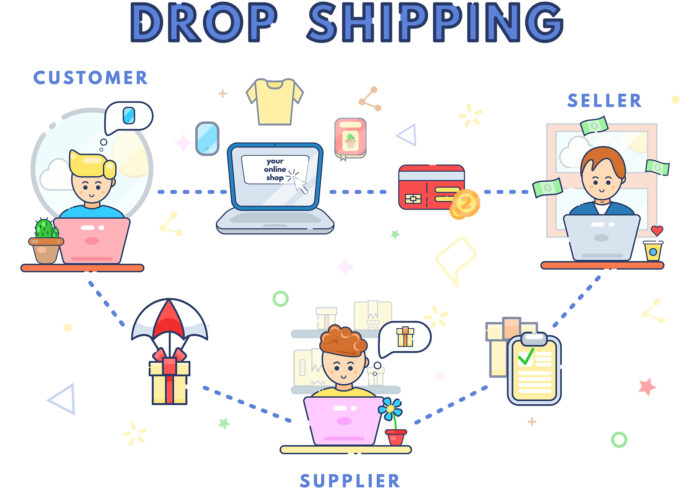
Drop shipping has emerged as a popular business model for entrepreneurs looking to start an online store without the burden of inventory management. In this model, retailers sell products directly from suppliers to customers, allowing them to focus on marketing and customer service. However, one of the most critical aspects of running a successful drop shipping business is understanding profit margins. This article will explore the best strategies for maximizing profit margins in drop shipping, ensuring that your business remains profitable and sustainable.
What is Profit Margin?
Profit margin is a financial metric that indicates the percentage of revenue that exceeds the costs of goods sold (COGS). It is a crucial indicator of a business’s profitability. In drop shipping, profit margins can vary significantly based on factors such as product selection, supplier pricing, and marketing strategies. Understanding how to calculate and improve your profit margins is essential for long-term success.
Types of Profit Margins
There are several types of profit margins that drop shippers should be aware of:
- Gross Profit Margin: This is the difference between sales revenue and the cost of goods sold, divided by sales revenue. It reflects the efficiency of production and pricing strategies.
- Net Profit Margin: This margin takes into account all expenses, including operating costs, taxes, and interest. It provides a more comprehensive view of a business’s profitability.
- Operating Profit Margin: This margin focuses on the earnings before interest and taxes (EBIT), giving insight into the operational efficiency of the business.
Understanding these different types of profit margins will help you make informed decisions about pricing, product selection, and overall business strategy.
Choosing the Right Products for High Profit Margins
Selecting the right products is crucial for maximizing profit margins in drop shipping. Here are some strategies to consider:
Researching Market Trends
Before choosing products to sell, it’s essential to conduct thorough market research. Identify trending products that have high demand and low competition. Tools like Google Trends, social media platforms, and e-commerce marketplaces can provide valuable insights into what consumers are currently interested in.
Focusing on Niche Markets
Targeting niche markets can lead to higher profit margins. By offering specialized products that cater to specific customer needs, you can reduce competition and increase your pricing power. For example, instead of selling generic fitness equipment, consider focusing on eco-friendly or innovative fitness products that appeal to a specific audience.
Evaluating Supplier Pricing
The cost of goods sold is a significant factor in determining profit margins. When selecting suppliers, compare prices and negotiate terms to ensure you are getting the best deal. Look for suppliers that offer bulk discounts or loyalty programs, which can help reduce costs and increase your profit margins.
Analyzing Competitor Offerings
Understanding what your competitors are offering can provide insights into potential product opportunities. Analyze their product range, pricing strategies, and customer reviews to identify gaps in the market. This analysis can help you position your products more effectively and attract customers looking for alternatives.
Testing Product Viability
Before fully committing to a product, consider testing its viability through small-scale sales or market surveys. This approach allows you to gauge customer interest and make adjustments based on feedback, ensuring that you invest in products with the highest potential for profitability.
Effective Pricing Strategies
Once you have selected your products, the next step is to develop effective pricing strategies that maximize profit margins.
Competitive Pricing
Research your competitors to understand their pricing strategies. While you want to remain competitive, ensure that your prices allow for a healthy profit margin. Consider using psychological pricing techniques, such as pricing items just below a round number (e.g., $19.99 instead of $20), to make products more appealing to customers.
Value-Based Pricing
Instead of solely focusing on costs, consider implementing value-based pricing. This strategy involves setting prices based on the perceived value of your products to customers. If your products offer unique features or benefits, customers may be willing to pay a premium, allowing you to increase your profit margins.
Dynamic Pricing
Dynamic pricing involves adjusting prices based on market demand, competition, and other factors. This strategy can help you maximize profit margins by allowing you to charge higher prices during peak demand periods and lower prices during slower sales periods.
Bundling Products
Offering product bundles can be an effective way to increase average order value and profit margins. By grouping complementary products together at a slightly discounted price, you can encourage customers to purchase more items, thus increasing your overall revenue.
Seasonal Pricing Strategies
Consider implementing seasonal pricing strategies to capitalize on peak shopping periods. For example, during holidays or special events, you can adjust your pricing to reflect increased demand. This approach can help you maximize profit margins during high-traffic times.
Marketing Strategies to Boost Sales
Effective marketing is essential for driving sales and increasing profit margins in drop shipping. Here are some strategies to consider:
Social Media Marketing
Utilizing social media platforms can help you reach a broader audience and drive traffic to your online store. Create engaging content that showcases your products and encourages user interaction. Consider running targeted ads to reach specific demographics that are likely to be interested in your products.
Influencer Marketing
Partnering with influencers in your niche can help you gain credibility and reach a larger audience. Influencers can promote your products to their followers, driving traffic and sales to your store. Ensure that you choose influencers whose values align with your brand for maximum impact.
Email Marketing
Building an email list allows you to communicate directly with your customers. Use email marketing to promote new products, offer discounts, and share valuable content. Personalized emails can lead to higher conversion rates and increased customer loyalty, ultimately boosting your profit margins.
Content Marketing
Creating valuable content related to your products can help establish your brand as an authority in your niche. Consider starting a blog or producing videos that provide tips, tutorials, or insights related to your products. This approach can drive organic traffic to your site and enhance customer engagement.
Search Engine Optimization (SEO)
Optimizing your online store for search engines is crucial for attracting organic traffic. Conduct keyword research to identify relevant terms that potential customers are searching for, and incorporate these keywords into your product descriptions, blog posts, and website content. A well-optimized site can improve your visibility and drive more sales.
Managing Costs to Improve Profit Margins
In addition to increasing revenue, managing costs is crucial for improving profit margins. Here are some strategies to consider:
Streamlining Operations
Evaluate your business operations to identify areas where you can reduce costs. This may include automating certain processes, using software tools for inventory management, or outsourcing tasks to freelancers. Streamlining operations can help you save time and money, ultimately improving your profit margins.
Reducing Shipping Costs
Shipping costs can significantly impact your profit margins. Negotiate shipping rates with carriers or consider using fulfillment centers that offer competitive shipping options. Additionally, offering free shipping on orders over a certain amount can encourage customers to purchase more, increasing your overall sales and profit margins.
Monitoring Expenses
Regularly review your business expenses to identify areas where you can cut costs. This may include reevaluating your marketing budget, reducing overhead costs, or finding more affordable suppliers. Keeping a close eye on expenses will help you maintain healthy profit margins.
Utilizing Technology
Investing in technology can help you automate processes and reduce operational costs. Consider using e-commerce platforms that offer built-in tools for inventory management, order processing, and customer relationship management. These tools can save you time and reduce the likelihood of errors, ultimately improving your profit margins.
Regular Financial Analysis
Conducting regular financial analysis can help you identify trends in your profit margins and overall business performance. Use financial metrics to assess your profitability and make informed decisions about pricing, product selection, and cost management.
Common Pitfalls to Avoid in Drop Shipping
While drop shipping can be a lucrative business model, there are common pitfalls that entrepreneurs should avoid to maintain healthy profit margins.
Poor Supplier Relationships
Building strong relationships with suppliers is essential for ensuring product quality and reliability. Poor communication or unreliable suppliers can lead to delays, damaged products, and dissatisfied customers, ultimately impacting your profit margins.
Neglecting Customer Service
Customer service plays a crucial role in maintaining customer loyalty and repeat business. Neglecting customer inquiries or failing to address issues promptly can lead to negative reviews and lost sales. Prioritize customer service to enhance your brand reputation and improve profit margins.
Overlooking Market Research
Failing to conduct thorough market research can result in poor product selection and missed opportunities. Stay informed about market trends, customer preferences, and competitor offerings to make informed decisions that positively impact your profit margins.
Ignoring Financial Management
Effective financial management is crucial for maintaining healthy profit margins. Keep track of your expenses, revenue, and profit margins to identify areas for improvement. Regularly review your financial performance to make informed decisions about pricing and cost management.
Underestimating Marketing Efforts
Many drop shippers underestimate the importance of marketing in driving sales. Without effective marketing strategies, even the best products may go unnoticed. Invest time and resources into marketing to ensure your products reach your target audience.
Conclusion
Maximizing profit margins in drop shipping requires a combination of strategic product selection, effective pricing, and efficient marketing. By understanding the various types of profit margins, choosing the right products, implementing effective pricing strategies, and managing costs, you can build a successful drop shipping business that remains profitable in the long run. Remember that continuous learning and adaptation are key to staying ahead in the competitive world of e-commerce.
As you embark on your drop shipping journey, remember that the right products and strategies can significantly enhance your profit margins, and with LooperBuy, you can discover a wide range of trending products to elevate your business. Start exploring now at LooperBuy.
Article Summary: This article explores strategies for maximizing profit margins in drop shipping, including product selection, pricing strategies, marketing techniques, and cost management. By understanding profit margins and implementing effective strategies, entrepreneurs can build a successful and sustainable drop shipping business.
Hot Tags: Drop Shipping; Profit Margin; E-commerce; Online Business; Market Trends; Niche Markets; Supplier Pricing; Pricing Strategies; Social Media Marketing; Influencer Marketing; Email Marketing; Cost Management; Shipping Costs; Operations Management; Customer Loyalty; Value-Based Pricing; Dynamic Pricing; Competitive Pricing; Product Selection; Business Strategy; Revenue Growth; Sales Boost; Inventory Management; Marketing Techniques; Business Efficiency; Entrepreneurial Success; E-commerce Trends; Digital Marketing; Online Retail; Business Sustainability
Related Questions & Answers
· What are the common pitfalls to avoid when drop shipping for high profit margins?
Common pitfalls include poor supplier relationships, neglecting customer service, overlooking market research, ignoring financial management, and underestimating marketing efforts.
· How do I automate processes in my drop shipping business to improve profit margins?
You can automate processes by using e-commerce platforms with built-in tools for inventory management, order processing, and customer relationship management, which can save time and reduce errors.
· What are some advanced pricing strategies for maximizing profit in drop shipping?
Advanced pricing strategies include dynamic pricing, bundling products, and implementing seasonal pricing strategies to capitalize on peak shopping periods.
· How can I effectively manage shipping costs in my drop shipping business?
Negotiate shipping rates with carriers, consider using fulfillment centers, and offer free shipping on orders over a certain amount to encourage larger purchases.
· What role does customer service play in maintaining profit margins?
Excellent customer service enhances customer loyalty and repeat business, which is essential for maintaining healthy profit margins. Neglecting customer inquiries can lead to negative reviews and lost sales.