Table of Contents
Introduction to Home Textiles Sourcing
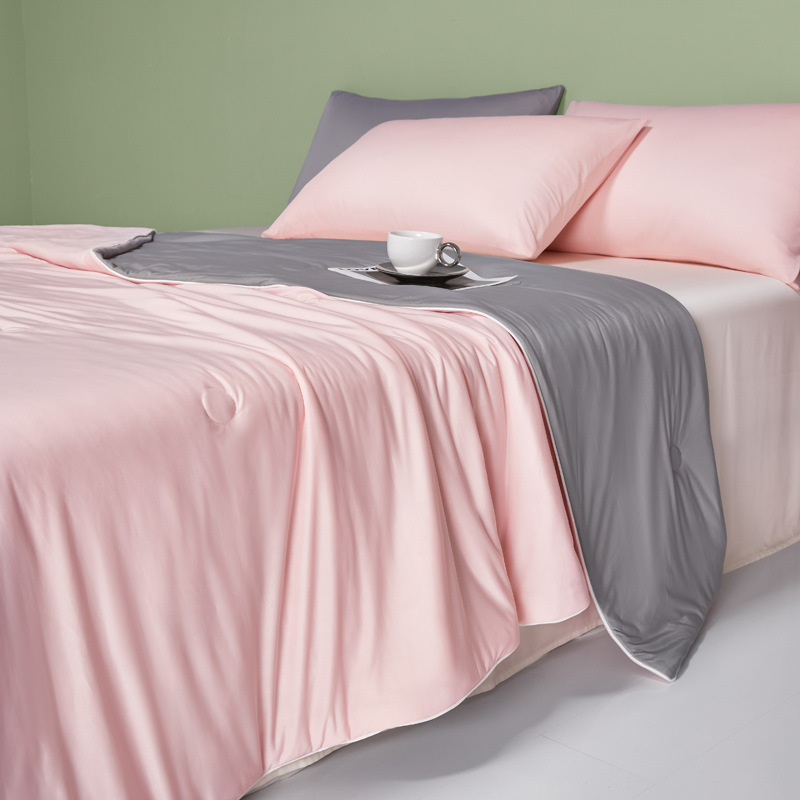
In the ever-evolving world of home textiles, sourcing quality products is crucial for retailers, designers, and manufacturers alike. Home textiles encompass a wide range of products, including bed linens, curtains, upholstery fabrics, and towels. As consumer preferences shift towards sustainable and high-quality materials, understanding the nuances of sourcing becomes essential. This article delves into the various aspects of home textiles sourcing, providing insights into best practices, trends, and tips for success.

Understanding the Home Textiles Market
The Importance of Quality in Home Textiles

Quality is paramount in the home textiles industry. Consumers are increasingly discerning, seeking products that not only look good but also stand the test of time. High-quality textiles enhance the aesthetic appeal of a home while providing comfort and durability. Retailers must prioritize sourcing from reputable manufacturers who adhere to quality standards.
Quality assurance processes, including rigorous testing for durability, colorfastness, and shrinkage, are essential to ensure that the products meet consumer expectations. Retailers should also consider the end-use of the textiles; for instance, fabrics used in high-traffic areas may require more robust materials compared to those used in decorative applications.
Trends Influencing Home Textiles Sourcing
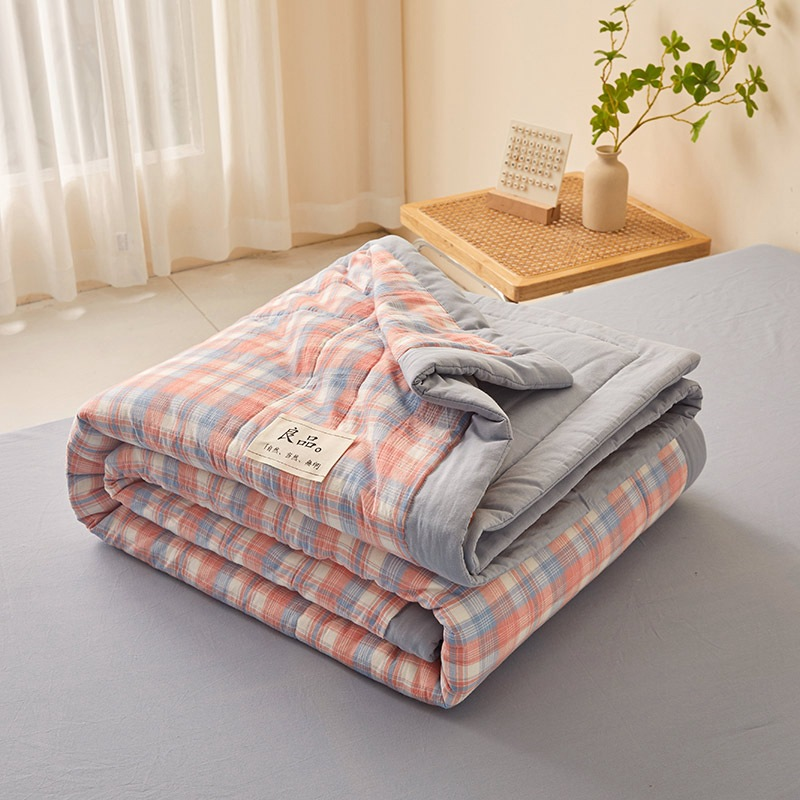
The home textiles market is influenced by various trends, including sustainability, technological advancements, and changing consumer preferences. Sustainable textiles, made from organic or recycled materials, are gaining popularity as consumers become more environmentally conscious. Additionally, advancements in textile technology, such as digital printing and smart fabrics, are reshaping the industry.
Sustainability in Home Textiles
Sustainability is a significant trend that is reshaping the home textiles industry. Consumers are increasingly aware of the environmental impact of their purchases and are seeking products that align with their values. This shift has led to a rise in demand for organic cotton, bamboo, and recycled polyester textiles. Retailers who prioritize sustainable sourcing not only appeal to eco-conscious consumers but also contribute to a more sustainable future.
Technological Advancements
Technology is playing a crucial role in the evolution of home textiles. Innovations such as digital printing allow for more intricate designs and faster production times. Smart textiles, which incorporate technology into fabrics, are also gaining traction. These textiles can change color, regulate temperature, or even monitor health metrics, offering exciting possibilities for the future of home textiles.
Key Considerations for Sourcing Home Textiles
Identifying Reliable Suppliers
Finding reliable suppliers is a critical step in the sourcing process. Retailers should conduct thorough research to identify manufacturers with a proven track record. Attending trade shows, industry exhibitions, and networking events can provide valuable opportunities to connect with potential suppliers. Online platforms and directories also serve as useful resources for finding reputable manufacturers.
Building Relationships with Suppliers
Establishing strong relationships with suppliers is essential for successful sourcing. Open communication, transparency, and mutual respect can foster long-term partnerships. Retailers should engage in regular discussions with suppliers to understand their capabilities, production processes, and any challenges they may face. This collaborative approach can lead to better outcomes for both parties.
Evaluating Supplier Capabilities
Once potential suppliers are identified, evaluating their capabilities is essential. Factors to consider include production capacity, lead times, and quality control processes. Retailers should request samples to assess the quality of materials and craftsmanship. Establishing clear communication with suppliers can help ensure that expectations are met throughout the sourcing process.
Assessing Production Capacity
Understanding a supplier’s production capacity is vital for meeting demand. Retailers should inquire about the supplier’s ability to scale production based on order size and seasonal fluctuations. Suppliers with flexible production capabilities can better accommodate changing market demands, ensuring that retailers can meet consumer needs without delays.
Understanding Pricing Structures
Pricing is a crucial aspect of sourcing home textiles. Retailers must understand the pricing structures of their suppliers to ensure they can maintain profitability. Factors influencing pricing include material costs, production methods, and order quantities. Negotiating favorable terms with suppliers can lead to cost savings and improved margins.
Cost Breakdown
Retailers should request a detailed breakdown of costs from suppliers, including material costs, labor, shipping, and any additional fees. This transparency allows retailers to make informed decisions and negotiate effectively. Understanding the cost structure can also help retailers identify areas where they can reduce expenses without compromising quality.
Sustainable Sourcing Practices
The Rise of Eco-Friendly Textiles
Sustainability is no longer just a trend; it has become a necessity in the home textiles industry. Eco-friendly textiles, made from organic cotton, bamboo, and recycled materials, are gaining traction. Retailers should prioritize sourcing from suppliers who adhere to sustainable practices, such as using non-toxic dyes and minimizing waste during production.
Benefits of Eco-Friendly Textiles
Sourcing eco-friendly textiles offers numerous benefits. Not only do these products appeal to environmentally conscious consumers, but they also often feature superior quality and durability. Additionally, many eco-friendly textiles are produced using less water and energy, contributing to a reduced carbon footprint.
Certifications and Standards
When sourcing sustainable textiles, it is essential to consider certifications and standards. Look for suppliers who hold certifications such as Global Organic Textile Standard (GOTS) or OEKO-TEX Standard 100. These certifications ensure that the textiles meet specific environmental and social criteria, providing consumers with peace of mind regarding their purchases.
Importance of Certifications
Certifications serve as a guarantee of quality and sustainability. They provide consumers with confidence in their purchases and can enhance a retailer’s brand reputation. Retailers should actively seek out suppliers with recognized certifications to ensure that their products align with consumer expectations for sustainability.
Navigating Global Sourcing Challenges
Understanding Cultural Differences
Global sourcing presents unique challenges, particularly when dealing with suppliers from different cultural backgrounds. Understanding cultural differences in business practices, communication styles, and negotiation tactics is crucial for successful partnerships. Retailers should invest time in building relationships with suppliers to foster trust and collaboration.
Effective Communication Strategies
Effective communication is key to overcoming cultural barriers. Retailers should be mindful of language differences and consider using professional translators when necessary. Additionally, being aware of cultural norms and practices can help retailers navigate negotiations and build rapport with suppliers.
Managing Supply Chain Risks
Supply chain risks, such as delays, quality issues, and geopolitical factors, can impact the sourcing process. Retailers should develop contingency plans to mitigate these risks. Diversifying the supplier base and maintaining open lines of communication can help address potential challenges before they escalate.
Risk Mitigation Strategies
Retailers can implement several strategies to mitigate supply chain risks. These include maintaining a diversified supplier network, establishing clear contracts with suppliers, and regularly monitoring supplier performance. Additionally, retailers should stay informed about global events that may impact their supply chains, allowing them to adapt quickly to changing circumstances.
The Future of Home Textiles Sourcing
Innovations in Textile Production
The future of home textiles sourcing is likely to be shaped by continued innovations in textile production. Advances in technology, such as 3D printing and automation, are expected to revolutionize the industry. These innovations can lead to faster production times, reduced costs, and increased customization options for consumers.
Customization and Personalization
As consumers increasingly seek unique and personalized products, the demand for customization in home textiles is on the rise. Retailers who can offer customizable options, such as personalized prints or tailored sizes, will likely gain a competitive edge in the market. Embracing technology to facilitate customization can enhance the consumer experience and drive sales.
Embracing E-Commerce and Digital Platforms
The rise of e-commerce has transformed the way consumers shop for home textiles. Retailers must adapt to this shift by establishing a strong online presence and leveraging digital platforms for sourcing. Online marketplaces and B2B platforms can provide access to a wider range of suppliers and products, streamlining the sourcing process.
Digital Marketing Strategies
To succeed in the digital landscape, retailers should invest in effective digital marketing strategies. This includes optimizing their websites for search engines, utilizing social media to engage with consumers, and implementing targeted advertising campaigns. A strong online presence can enhance brand visibility and attract new customers.
The Role of Data Analytics
Data analytics is becoming increasingly important in the home textiles industry. Retailers can leverage data to gain insights into consumer preferences, market trends, and inventory management. By analyzing sales data and customer feedback, retailers can make informed decisions about product offerings and sourcing strategies.
Predictive Analytics
Predictive analytics can help retailers anticipate demand and optimize their inventory levels. By analyzing historical sales data and market trends, retailers can forecast future demand for specific products. This proactive approach can reduce excess inventory and minimize stockouts, ultimately improving profitability.
Conclusion
Sourcing home textiles is a multifaceted process that requires careful consideration of quality, sustainability, and supplier relationships. By understanding market trends, evaluating suppliers, and prioritizing sustainable practices, retailers can successfully navigate the complexities of home textiles sourcing. As the industry continues to evolve, staying informed and adaptable will be key to achieving long-term success.
How to purchase:Online B2B sourcing platform, China purchase, Chinese suppliers – LooperBuy
Article Summary: This comprehensive guide explores the intricacies of home textiles sourcing, emphasizing the importance of quality, sustainability, and supplier relationships. It discusses market trends, key considerations for sourcing, and the challenges of global sourcing. Retailers are encouraged to prioritize eco-friendly practices and build strong partnerships with reliable suppliers to thrive in the competitive home textiles market.
Hot Tags: Home Textiles; Textile Sourcing; Sustainable Fabrics; Quality Textiles; Eco-Friendly Textiles; Supplier Relationships; Global Sourcing; Textile Industry Trends; Home Decor Fabrics; Organic Cotton; Textile Certifications; Supply Chain Management; Home Furnishings; Interior Design Textiles; Fabric Quality; Textile Manufacturing; Wholesale Textiles; Custom Textiles; Textile Innovations; Home Textile Retail; Sustainable Sourcing; Textile Market Analysis; Home Textile Trends; Fabric Sourcing; Textile Supply Chain; Home Textile Products; Textile Design; Home Accessories; Eco-Conscious Living; Textile Wholesale
Related Questions & Answers
· What are the most important certifications for sustainable home textiles?
Important certifications include the Global Organic Textile Standard (GOTS), OEKO-TEX Standard 100, and the Better Cotton Initiative (BCI), which ensure that textiles meet specific environmental and social criteria.
· How can small businesses effectively compete in the home textiles market?
Small businesses can compete by focusing on niche markets, offering unique and customizable products, and leveraging social media for marketing and customer engagement.
· What are the latest innovations in performance fabrics for home use?
Recent innovations include moisture-wicking fabrics, antimicrobial textiles, and fabrics with built-in UV protection, enhancing functionality and comfort in home textiles.
· How can retailers ensure ethical sourcing in home textiles?
Retailers can ensure ethical sourcing by partnering with suppliers who adhere to fair labor practices, obtaining certifications, and conducting regular audits of their supply chains.
· What role does consumer feedback play in home textiles sourcing?
Consumer feedback is vital in shaping product development and sourcing decisions, as it helps retailers understand preferences and improve product offerings.