Home textiles play a crucial role in defining the aesthetic and comfort of our living spaces. From curtains and cushions to bed linens and tablecloths, these items not only enhance the visual appeal of a home but also contribute to its functionality. In this article, we will explore the various aspects of home textiles, including types, shopping tips, and how to choose the right products for your needs.
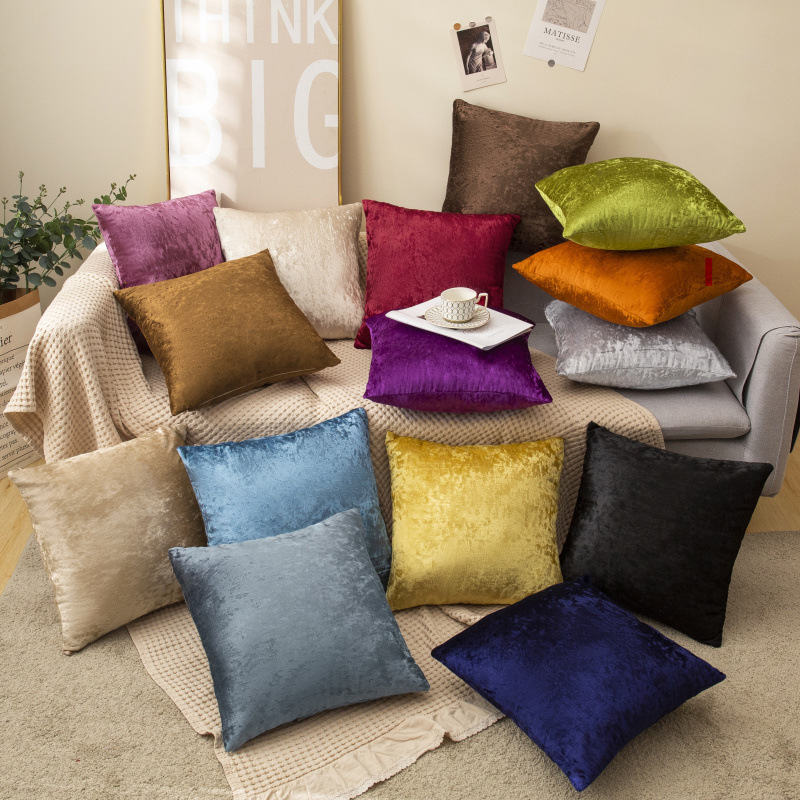
Table of Contents
Understanding Home Textiles
Home textiles encompass a wide range of fabric-based products used in the home. These items can be categorized into several groups, each serving a unique purpose.
Types of Home Textiles
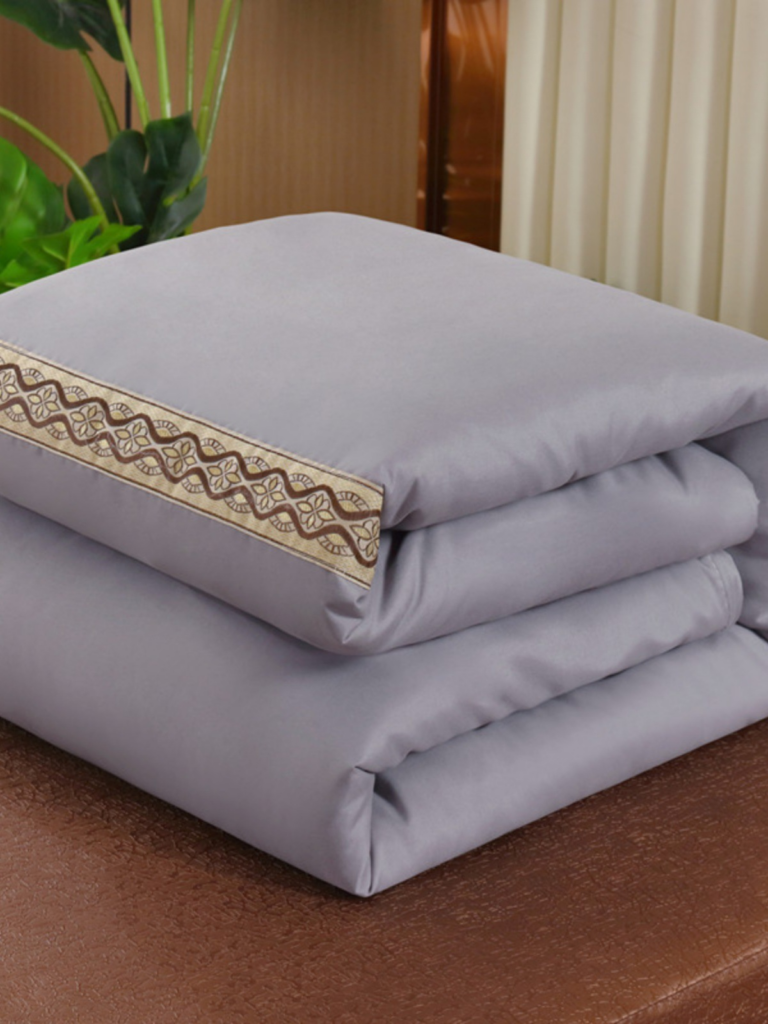
- Bedding: This includes sheets, pillowcases, duvet covers, and blankets. Bedding is essential for comfort and can significantly affect the quality of sleep. The choice of bedding material can influence temperature regulation, moisture-wicking properties, and overall comfort.
- Curtains and Drapes: These are used to control light and privacy in a room. They come in various materials, colors, and patterns, allowing for personalization of any space. Heavy drapes can provide insulation, while lighter fabrics can create an airy feel.
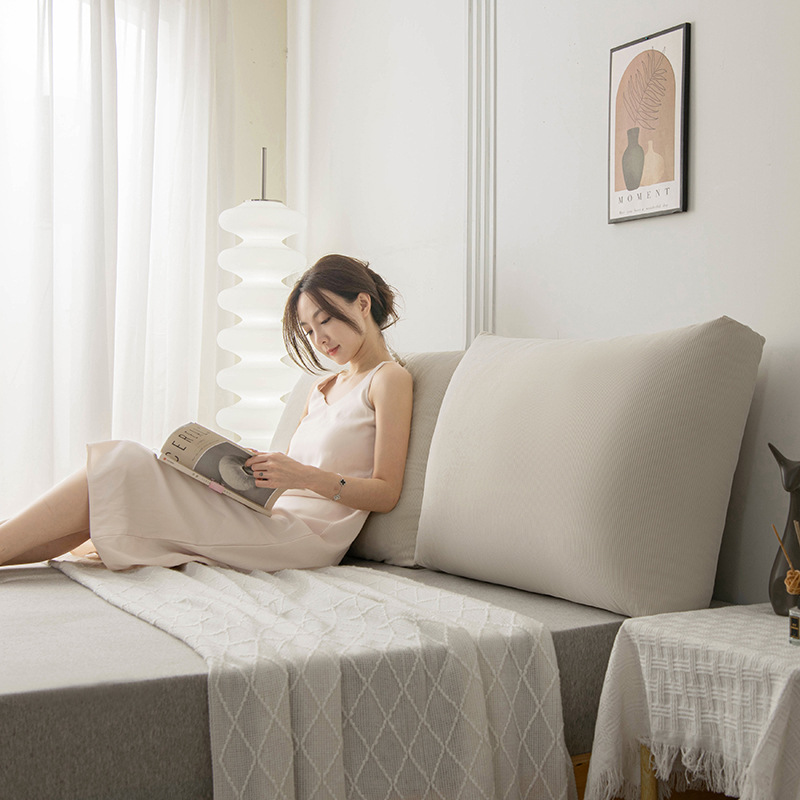
- Cushions and Throws: Decorative cushions add comfort and style to sofas and chairs, while throws provide warmth and can be used as decorative elements. They can be easily swapped out to refresh a room’s look without a complete overhaul.
- Table Linens: This category includes tablecloths, napkins, and placemats, which enhance dining experiences and protect surfaces. Choosing the right table linens can elevate the dining experience, making it more inviting and stylish.
- Rugs and Carpets: These not only add warmth and comfort underfoot but also serve as focal points in room design. Area rugs can define spaces within an open floor plan and add texture to a room.
The Importance of Quality in Home Textiles
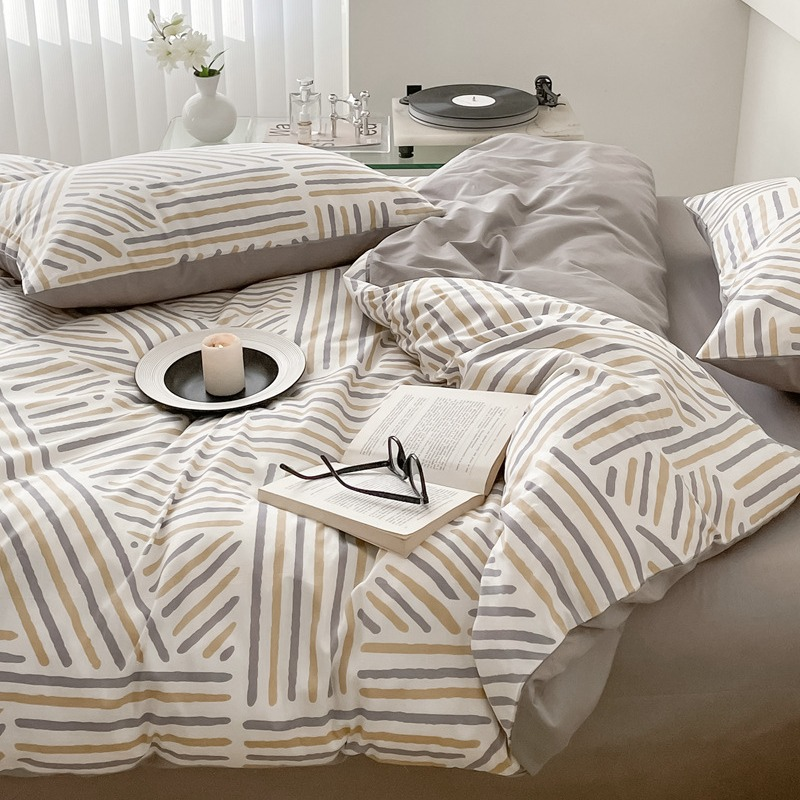
When shopping for home textiles, quality should be a top priority. High-quality textiles are more durable, easier to maintain, and provide better comfort. Look for materials that are soft, breathable, and easy to clean. Natural fibers like cotton, linen, and wool are often preferred for their comfort and durability.
Factors to Consider for Quality
- Fabric Composition: Natural fibers tend to be more breathable and comfortable compared to synthetic options. Cotton is soft and absorbent, while linen is known for its durability and ability to keep cool in warm weather.
- Thread Count: For bedding, a higher thread count often indicates a softer and more durable fabric. However, it’s essential to balance thread count with the type of material used.
- Finishing Techniques: Look for textiles that have been treated for stain resistance or easy care. This can save time and effort in maintenance.
Shopping for Home Textiles
Shopping for home textiles can be an enjoyable experience, especially with the variety of options available today. Here are some tips to help you navigate the process.
Where to Shop
- Online Retailers: Websites like IKEA, Amazon, and specialized home textile shops offer a vast selection of products. Shopping online allows you to compare prices and styles easily. Many online retailers also provide customer reviews, which can help in making informed decisions.
- Local Stores: Visiting local textile shops can provide a tactile experience, allowing you to feel the fabric and see colors in person. This can be particularly important for items like bedding and curtains, where texture and color can significantly impact your choice.
- Home Decor Stores: Many home decor stores have dedicated sections for textiles, offering curated selections that can inspire your design choices. These stores often have knowledgeable staff who can provide advice on coordinating colors and styles.
Tips for Choosing the Right Textiles
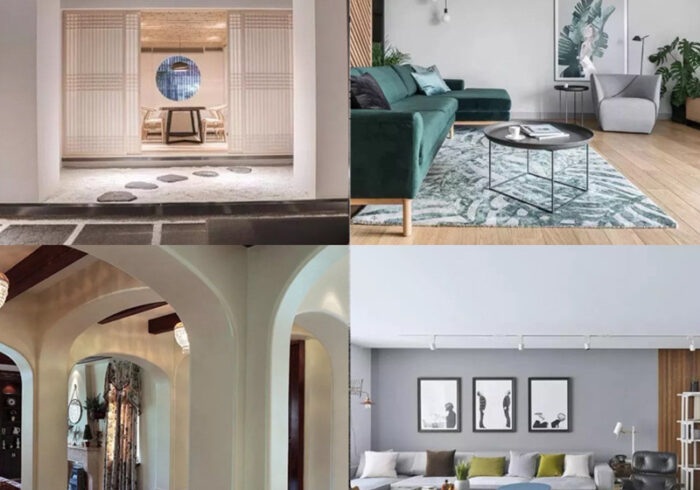
- Consider Your Style: Think about the overall aesthetic of your home. Choose textiles that complement your existing decor, whether it’s modern, traditional, or eclectic. For instance, if your home features a minimalist design, opt for simple, solid colors and clean lines.
- Match Colors and Patterns: When selecting textiles, consider how colors and patterns will work together. Use a color wheel to find complementary colors, and mix patterns carefully to avoid clashing. A good rule of thumb is to choose one dominant pattern and pair it with smaller, more subtle patterns.
- Think About Functionality: Consider how each textile will be used. For example, if you have pets or children, you may want to choose durable, stain-resistant fabrics. Outdoor textiles should be weather-resistant and easy to clean.
- Check Care Instructions: Some textiles require special care, such as dry cleaning or hand washing. Make sure you are willing to commit to the maintenance required for your chosen items. Fabrics that are machine washable can save time and effort in the long run.
- Budget Considerations: Set a budget before you start shopping. Home textiles can vary widely in price, so knowing your budget can help narrow down your options. Look for sales or discounts, especially during seasonal changes.
Trends in Home Textiles
The world of home textiles is constantly evolving, with new trends emerging each season. Here are some current trends to consider when updating your home.
Sustainable Textiles
Sustainability is a growing concern for many consumers. Look for brands that offer eco-friendly textiles made from organic materials or recycled fibers. These products not only reduce environmental impact but often feature unique designs and textures. Sustainable textiles can include organic cotton, bamboo, and hemp, which are grown without harmful chemicals.
Bold Patterns and Colors
In recent years, bold patterns and vibrant colors have made a comeback. From geometric designs to floral prints, these textiles can add a lively touch to any room. Don’t be afraid to mix and match different patterns for a more dynamic look. Layering different textures and colors can create a visually interesting space.
Minimalist Designs
On the other end of the spectrum, minimalist designs continue to be popular. Simple, clean lines and neutral colors create a calming atmosphere and can easily blend with various decor styles. Minimalist textiles often focus on quality over quantity, emphasizing craftsmanship and subtle elegance.
Textured Fabrics
Textured fabrics are gaining popularity as they add depth and interest to a room. Fabrics like velvet, boucle, and chenille can create a cozy and inviting atmosphere. Incorporating different textures can enhance the sensory experience of a space.
Vintage and Retro Styles
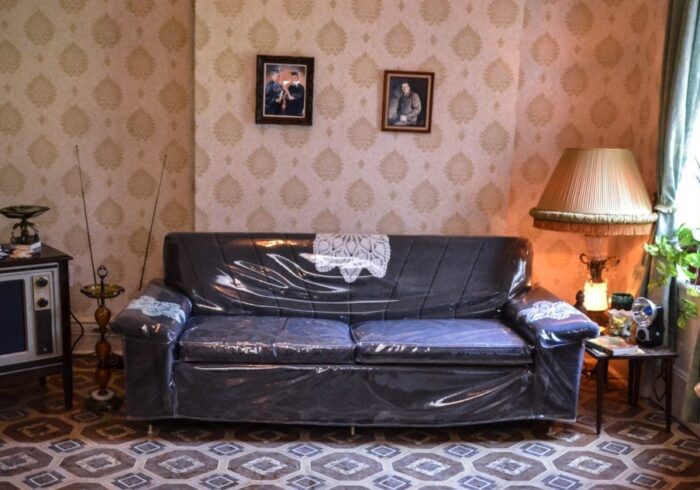
Vintage and retro styles are making a resurgence in home textiles. Patterns and colors reminiscent of past decades can add character and charm to modern homes. Look for unique finds at thrift stores or online marketplaces to incorporate these styles into your decor.
The Role of Home Textiles in Interior Design
Home textiles are not just functional; they play a significant role in the overall design of a space. They can influence the mood, style, and comfort of a room. Here are some ways home textiles contribute to interior design:
Creating Atmosphere
Textiles can dramatically change the atmosphere of a room. Soft, plush fabrics can create a warm and inviting environment, while sleek, smooth materials can lend a more modern and sophisticated feel. The choice of colors and patterns can also evoke different emotions; for example, soft pastels can create a calming effect, while bold colors can energize a space.
Defining Spaces
In open-concept homes, textiles can help define different areas. For instance, using area rugs can delineate a living space from a dining area. Similarly, curtains can create a sense of privacy in a shared space, making it feel more intimate.
Enhancing Comfort
Comfort is a key aspect of any home, and textiles contribute significantly to this. Soft bedding, plush cushions, and cozy throws can make a space feel more inviting and comfortable. The right textiles can encourage relaxation and make a house feel like a home.
Reflecting Personal Style
Home textiles are an excellent way to express personal style. They allow homeowners to showcase their tastes and preferences through color, pattern, and texture. Whether you prefer a bohemian vibe with eclectic patterns or a sleek, modern look with minimalistic designs, textiles can help you achieve your desired aesthetic.
Innovative Uses of Home Textiles
Beyond traditional applications, home textiles can be creatively repurposed and utilized in innovative ways. Here are some ideas to inspire you:
Upcycling and DIY Projects
Many homeowners are embracing upcycling, where old textiles are transformed into new items. For example, old bed sheets can be turned into pillow covers, while worn-out curtains can be repurposed as table runners or fabric baskets. DIY projects not only save money but also allow for personalized decor that reflects individual style.
Textile Wall Art
Instead of traditional wall art, consider using textiles to create unique wall hangings. Tapestries, fabric panels, or even framed pieces of fabric can add texture and color to your walls. This approach can be particularly effective in creating a focal point in a room.
Outdoor Textiles
Home textiles are not limited to indoor use. Outdoor textiles, such as weather-resistant cushions and tablecloths, can enhance outdoor living spaces. These textiles are designed to withstand the elements while providing comfort and style for patios, decks, and gardens.
Sound Absorption
Textiles can also play a role in sound absorption, making them useful in spaces where noise reduction is desired. Thick curtains, upholstered furniture, and area rugs can help dampen sound, creating a quieter and more peaceful environment.
Seasonal Decor
Changing textiles seasonally is an easy way to refresh your home’s look. Swap out cushions, throws, and table linens to reflect the changing seasons. For example, use light, airy fabrics in the summer and cozy, warm textiles in the winter. This practice keeps your decor feeling fresh and relevant throughout the year.
Conclusion
Home textiles are an essential aspect of interior design, providing both comfort and style. By understanding the different types of textiles available and considering factors such as quality, functionality, and current trends, you can make informed decisions that enhance your living space. Whether you prefer bold patterns or minimalist designs, the right textiles can transform your home into a cozy and inviting sanctuary.
How to purchase:Online B2B sourcing platform, China purchase, Chinese suppliers – LooperBuy
Article Summary: This comprehensive guide explores the world of home textiles, discussing their importance, types, shopping tips, and current trends. It emphasizes the significance of quality and functionality in choosing textiles that enhance both comfort and style in home decor.
Hot Tags: Home Textiles; Bedding; Curtains; Cushions; Table Linens; Rugs; Sustainable Textiles; Home Decor; Interior Design; Textile Shopping; Fabric Types; Home Accessories; Modern Textiles; Eco-Friendly Fabrics; Textile Trends; Decorative Fabrics; Quality Textiles; Textile Care; Color Matching; Pattern Mixing; Minimalist Design; Bold Patterns; Cozy Home; Textile Retailers; Online Shopping; Local Stores; Home Improvement; Textile Styles; Comfort Fabrics; Textile Materials; Home Aesthetics
Related Questions & Answers
· What are the most durable fabrics for high-traffic areas in a home?
The most durable fabrics for high-traffic areas include synthetic options like polyester and nylon, as well as tightly woven natural fibers like canvas and denim.
· How can I coordinate different textures in my home textiles for a cohesive look?
To coordinate different textures, choose a color palette that ties them together and mix textures that complement each other, such as pairing soft velvet with smooth cotton.
· What are some innovative uses of home textiles beyond traditional applications?
Innovative uses of home textiles include creating wall art, upcycling old fabrics into new items, and using textiles for sound absorption in living spaces.