
As the New Year approaches, many people engage in the tradition of gift-giving, a practice that, while joyful, carries significant environmental consequences. The increase in consumerism during this time leads to heightened waste generation, resource depletion, and carbon emissions. Understanding these impacts is crucial for fostering more sustainable practices during the holiday season.
Table of Contents
The Scale of Waste Generated
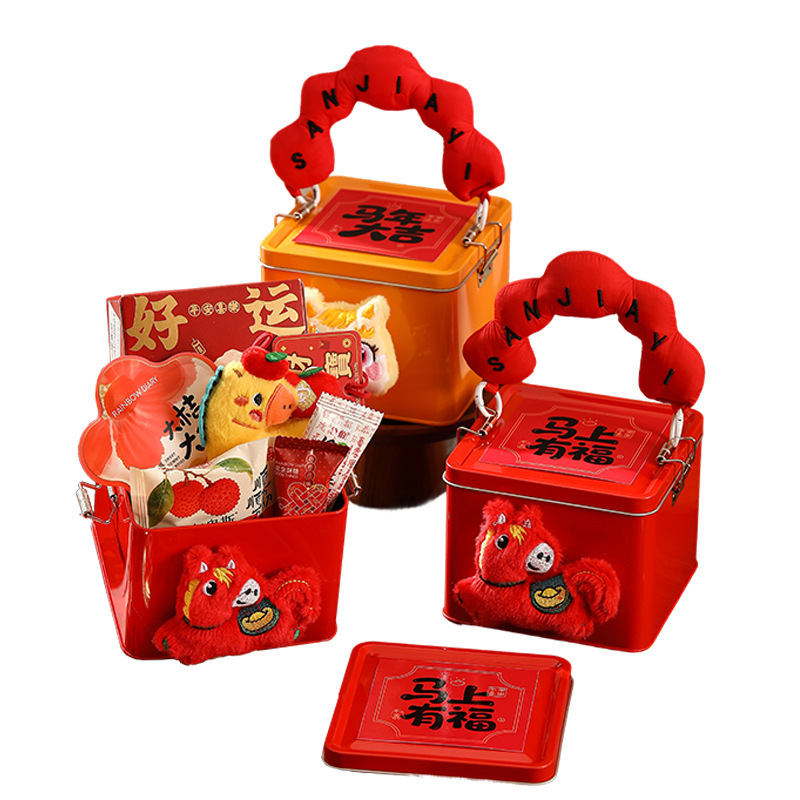
During the holiday season, household waste increases by approximately 25%, resulting in an additional one million tons of trash entering landfills each week. This surge in waste is largely attributed to the packaging and wrapping materials associated with gifts, as well as the gifts themselves, many of which are unwanted. In fact, a significant portion of holiday gifts—estimated at around $15.2 billion—are discarded or returned, contributing to the growing waste problem.
Packaging Waste
One of the most significant contributors to environmental degradation during the New Year is the excessive use of packaging materials. The production of wrapping paper alone generates substantial carbon emissions. For instance, producing just one pound of wrapping paper can result in 3.5 pounds of carbon emissions and consume 1.3 pounds of fossil fuel. This waste is compounded by the fact that many wrapping materials are non-recyclable, leading to further landfill accumulation.
Moreover, the sheer volume of packaging waste generated during the holiday season is staggering. In the United States, it is estimated that around 4.6 million tons of gift wrap and shopping bags are discarded each year. This not only contributes to landfill overflow but also exacerbates the problem of deforestation, as many wrapping papers are made from virgin pulp. The environmental cost of producing these materials is significant, involving the cutting down of trees, the use of water and energy, and the release of greenhouse gases.
The Carbon Footprint of Returns
Returning unwanted gifts is often seen as a responsible choice, but it comes with its own environmental costs. The logistics of returning items—shipping them back to retailers—contributes to significant carbon emissions. In 2020, it was reported that shipping returns alone resulted in 16 million metric tons of carbon dioxide emissions. This highlights the need for more sustainable gift-giving practices that minimize waste and reduce the carbon footprint associated with returns.
Additionally, the process of handling returned items often leads to further waste. Many returned products cannot be resold and end up in landfills, compounding the environmental impact of holiday shopping. It is estimated that around 5 billion pounds of returned inventory ends up in U.S. landfills each year, representing a significant waste of resources.
The Environmental Impact of Unwanted Gifts
The phenomenon of unwanted gifts is a significant contributor to holiday waste. Many people receive gifts that they do not want or need, leading to a cycle of waste. According to surveys, approximately 30% of holiday gifts are unwanted, and a large percentage of these items are discarded rather than returned. This not only wastes the resources used to produce these gifts but also contributes to the overall environmental burden of the holiday season.
The Role of Consumerism
The pressure to buy gifts during the holiday season is often driven by consumerism, which can overshadow the true spirit of giving. Advertisements and societal expectations encourage individuals to purchase more than they need, leading to overconsumption and waste. This cycle of consumerism not only harms the environment but can also lead to financial stress for individuals and families.
The commercialization of the holiday season has transformed it into a time of excessive spending, where the focus shifts from meaningful connections to material possessions. This shift can create a sense of obligation to give gifts, often resulting in purchases that lack thoughtfulness or personal significance. As a result, many gifts end up being unwanted or unused, contributing to the cycle of waste.
Sustainable Alternatives to Traditional Gift-Giving
To mitigate the environmental impact of New Year’s gift-giving, individuals can adopt several sustainable practices:
1. Choose Eco-Friendly Wrapping
Opt for sustainable wrapping materials such as recycled paper, fabric, or reusable gift bags. Avoid glossy or metallic wrapping papers that are often non-recyclable. Creative alternatives like using old newspapers, maps, or even fabric scraps can add a personal touch while reducing waste. Additionally, consider using natural decorations like twine, dried flowers, or leaves to embellish gifts, which can be composted after use.
2. Give Experiences Instead of Physical Gifts
Consider gifting experiences rather than physical items. Tickets to concerts, cooking classes, or spa days can create lasting memories without the environmental burden of material goods. This shift not only reduces waste but also encourages meaningful interactions. Experiences often foster connections and create cherished memories that last far longer than material possessions.
3. Support Local and Sustainable Businesses
When purchasing gifts, prioritize local artisans and businesses that practice sustainable production methods. This not only supports the local economy but also reduces the carbon footprint associated with long-distance shipping. Local products often have a smaller environmental impact due to reduced transportation needs and can be made with more sustainable practices.
4. Embrace Secondhand Gifts
Gifting secondhand items can be a unique and thoughtful way to reduce waste. Thrift stores and online marketplaces offer a plethora of options that can be both meaningful and environmentally friendly. Vintage items often carry a story and charm that new products lack, making them special gifts that recipients are likely to appreciate.
5. Encourage Donations
Instead of traditional gifts, consider making a donation to a charity in the recipient’s name. This not only eliminates waste but also contributes to a cause that may be important to the recipient. Many organizations offer options for donating in someone’s honor, allowing you to give a gift that has a positive impact on the community or the environment.
6. Organize Gift Exchanges
Consider organizing a gift exchange among friends or family, where each person draws a name and buys a single gift. This reduces the number of gifts exchanged and encourages thoughtfulness in selecting a meaningful present. Additionally, you can set a price limit to ensure that the focus remains on the sentiment rather than the monetary value of the gifts.
7. Create a Gift Registry
For those who prefer to receive gifts, creating a gift registry can help guide friends and family toward items that are truly wanted and needed. This can reduce the likelihood of receiving unwanted gifts and can also encourage the selection of more sustainable options.

8. Educate Others About Sustainable Practices
Share your knowledge about sustainable gift-giving practices with friends and family. By raising awareness about the environmental impact of traditional gift-giving, you can inspire others to adopt more eco-friendly habits. Consider hosting a discussion or workshop on sustainable practices, where participants can learn about alternatives and share their own ideas.
9. Rethink Holiday Traditions
Take the opportunity to rethink your holiday traditions. Consider incorporating sustainability into your celebrations by focusing on experiences rather than material gifts. For example, you could organize a potluck dinner where everyone brings a dish to share, or plan a group outing to volunteer for a local charity. These activities can foster a sense of community and connection while minimizing waste.
10. Use Technology Wisely
Leverage technology to reduce waste in your gift-giving practices. Digital gift cards, subscriptions, or online experiences can be great alternatives to physical gifts. These options not only reduce packaging waste but also allow recipients to choose what they truly want or need.
11. Innovative Eco-Friendly Packaging Ideas
As awareness of environmental issues grows, innovative packaging solutions are emerging. Consider using biodegradable packing peanuts made from cornstarch, which dissolve in water, or mushroom-based packaging that is compostable. Another option is to use seed paper, which can be planted after use, allowing the recipient to grow flowers or herbs. These creative solutions not only reduce waste but also add a unique touch to your gifts.
12. The Long-Term Benefits of Sustainable Gift-Giving
Adopting sustainable gift-giving practices can have long-term benefits for both the environment and society. By reducing waste and supporting local economies, we contribute to a healthier planet and foster community resilience. Sustainable practices can also lead to a shift in consumer behavior, encouraging more mindful purchasing decisions that prioritize quality over quantity. This shift can help create a culture of sustainability that extends beyond the holiday season, influencing how we approach consumption year-round.
13. Specific Examples of Companies Offering Sustainable Gift Options
Many companies are now focusing on sustainability in their product offerings. For instance, brands like Etsy provide a platform for artisans to sell handmade and eco-friendly products, promoting local craftsmanship. Patagonia is known for its commitment to environmental responsibility, offering products made from recycled materials and encouraging customers to repair rather than replace their gear. Lush offers a range of naked (packaging-free) products, reducing waste while providing high-quality cosmetics. These companies exemplify how businesses can align their practices with sustainable values, making it easier for consumers to make eco-friendly choices.
14. How Businesses Can Promote Sustainable Gift-Giving Practices
Businesses can play a crucial role in promoting sustainable gift-giving practices. They can implement initiatives such as offering discounts for customers who bring their own bags or containers, providing information on the environmental impact of their products, and creating gift guides that highlight sustainable options. Additionally, companies can partner with local charities to encourage donations in lieu of gifts, fostering a culture of giving back to the community.
15. The Long-Term Economic Benefits of Adopting Sustainable Gift-Giving Practices
Adopting sustainable gift-giving practices can also yield long-term economic benefits. By supporting local businesses and artisans, communities can strengthen their economies and create jobs. Sustainable practices can lead to cost savings in the long run, as companies that prioritize sustainability often find efficiencies in their operations. Furthermore, as consumer demand for eco-friendly products continues to rise, businesses that adapt to these preferences are likely to thrive in a competitive market.

Conclusion
The environmental impact of New Year’s gift-giving is significant, but by adopting more sustainable practices, individuals can celebrate the season while minimizing their ecological footprint. By choosing eco-friendly wrapping, giving experiences, supporting local businesses, embracing secondhand gifts, and encouraging donations, we can transform the tradition of gift-giving into a more responsible and meaningful practice.
As we reflect on the past year and look forward to the new one, let us remember that the spirit of giving can be expressed in ways that honor both our loved ones and the planet. By making conscious choices about how we give, we can contribute to a more sustainable future while still enjoying the joy of the holiday season.
How to purchase:Online B2B sourcing platform, China purchase, Chinese suppliers – LooperBuy
Frequently Asked Questions
1. What are the main environmental impacts of New Year’s gift-giving?
The main impacts include increased waste generation, excessive packaging, and a significant carbon footprint from shipping and returns.
2. How can I reduce waste when giving gifts?
You can reduce waste by using eco-friendly wrapping materials, giving experiences instead of physical items, and supporting local businesses.
3. What are some sustainable alternatives to traditional gifts?
Sustainable alternatives include secondhand items, experiences, and donations to charities in the recipient’s name.
4. Why is wrapping paper a concern for the environment?
Many wrapping papers are non-recyclable and contribute to landfill waste, while their production generates significant carbon emissions.
5. How does returning gifts impact the environment?
Returning gifts contributes to carbon emissions from shipping and often results in unwanted items ending up in landfills.
HOT TAG: New Year’s gift-giving, environmental impact, sustainable practices, reduce waste, eco-friendly gifts, packaging waste, unwanted gifts, carbon footprint, local businesses, secondhand gifts, holiday traditions, experience gifts, community engagement, digital gifts, conscious consumerism, innovative packaging, sustainable companies, eco-friendly wrapping paper, biodegradable materials, reusable gift bags, handmade gifts, charitable donations, gift exchanges, mindful consumption, sustainable gift options, long-term benefits, economic advantages, community resilience, responsible gifting, holiday sustainability, reducing carbon emissions, promoting local artisans.