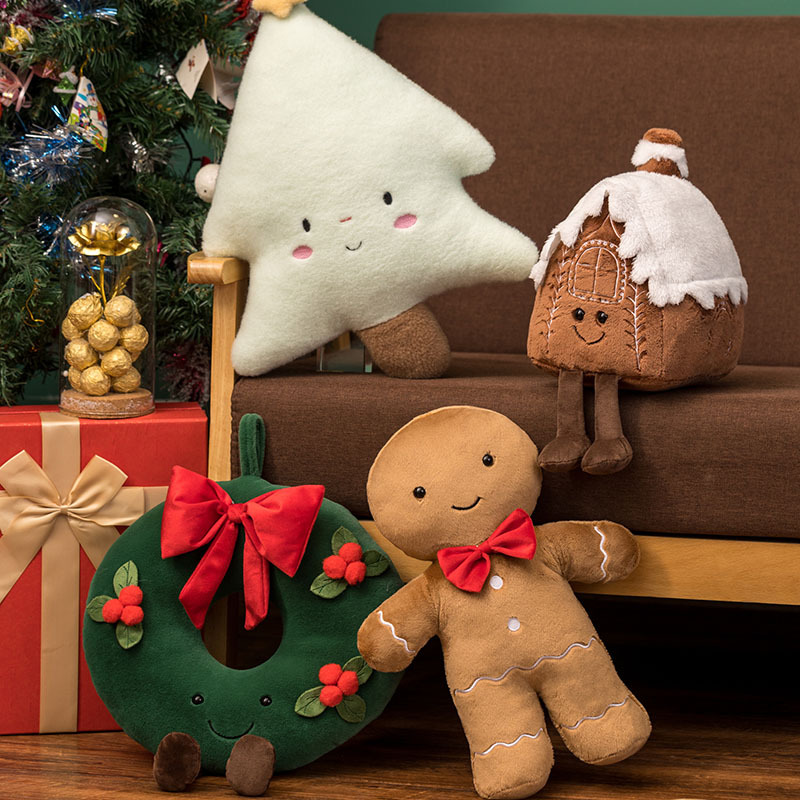
Christmas, celebrated on December 25th, is a time of joy, family gatherings, and, most notably, the exchange of gifts. But when did this practice of gift-giving become an integral part of the Christmas holiday? To understand the evolution of this tradition, we must delve into the historical, cultural, and religious contexts that shaped it over the centuries.
Table of Contents
The Origins of Christmas Celebrations
Early Influences
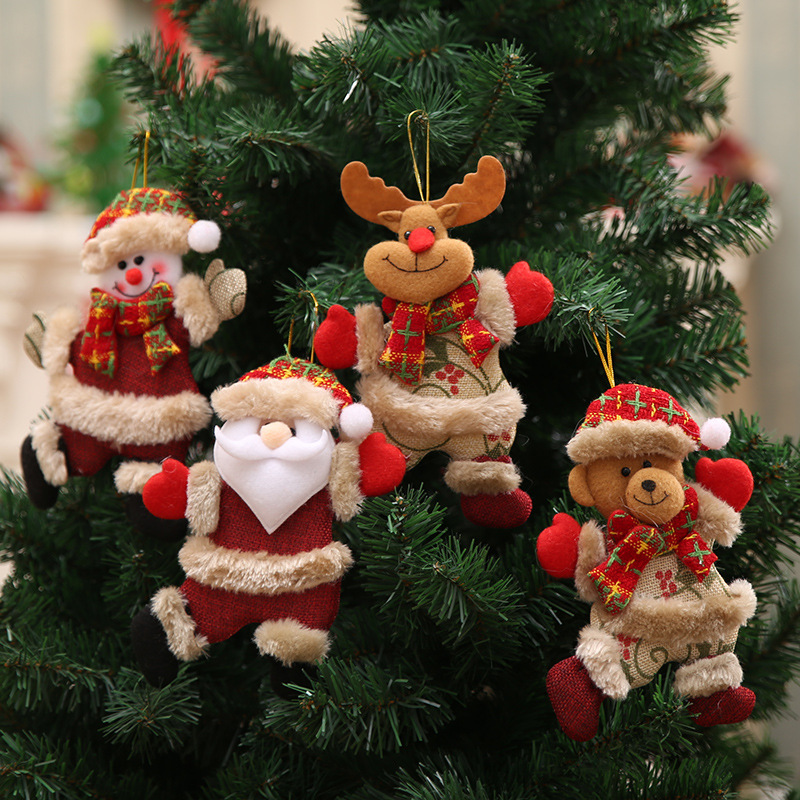
The roots of Christmas can be traced back to ancient pagan festivals that celebrated the winter solstice. One of the most significant of these was the Roman festival of Saturnalia, held in mid-December. During Saturnalia, social norms were relaxed, and people exchanged gifts as a way to celebrate the bounty of the harvest and the return of longer days. This festival involved feasting, merriment, and a temporary reversal of social roles, where slaves were treated as equals.
As Christianity began to spread throughout the Roman Empire, early church leaders sought to replace pagan celebrations with Christian ones. In 336 AD, the church officially recognized December 25th as the birth date of Jesus Christ, aligning it with existing winter solstice celebrations. This strategic move helped to ease the transition from paganism to Christianity, incorporating familiar customs into the new faith.
The Role of Saint Nicholas

The figure of Saint Nicholas, a 4th-century bishop known for his generosity, played a crucial role in the development of Christmas gift-giving. Stories of his kindness, particularly his secretive acts of giving, laid the groundwork for the modern Santa Claus. In many cultures, the tradition of giving gifts on December 6th, Saint Nicholas Day, was common, especially in Europe. This practice was often associated with children, as they would receive small presents in their shoes.
Saint Nicholas’s legacy was further popularized through various legends, including the tale of him providing dowries for impoverished girls, which prevented them from being sold into servitude. This narrative not only highlighted his generosity but also established a moral framework around gift-giving, emphasizing the importance of helping those in need.
The Transformation of Gift-Giving Traditions
The Middle Ages to the Renaissance
During the Middle Ages, Christmas celebrations became more formalized within the Christian tradition. The act of giving gifts was often tied to the church’s teachings about charity and goodwill. However, the focus on gift-giving was still relatively modest, with gifts typically being practical items or food. The church encouraged the practice as a way to embody the spirit of giving that Jesus exemplified.
The Renaissance brought about a renewed interest in art and culture, which influenced Christmas celebrations. Wealthy families began to exchange more elaborate gifts, including art and jewelry, reflecting their social status. This shift marked the beginning of a more commercialized approach to gift-giving, although it remained largely confined to the upper classes.
The Victorian Era and Commercialization
The 19th century marked a significant turning point in the history of Christmas gift-giving. The Victorian era, characterized by its emphasis on family and domesticity, saw the holiday become a time for family gatherings and celebrations. Influential figures like Queen Victoria and her husband, Prince Albert, popularized the Christmas tree and the practice of exchanging gifts within the home.
This period also saw the rise of commercialism in holiday shopping. As the Industrial Revolution progressed, mass production made goods more affordable, allowing the middle class to participate in gift-giving. Retailers began to market Christmas gifts, and the tradition of shopping for presents became a central aspect of the holiday season. The introduction of department stores and the concept of window displays transformed the shopping experience, making it a festive event in itself.
The Influence of Literature and Media
The commercialization of Christmas continued to evolve throughout the 20th century. Literature played a significant role in shaping public perceptions of the holiday. Charles Dickens’ “A Christmas Carol,” published in 1843, emphasized themes of generosity, compassion, and the importance of family. The story’s impact was profound, as it encouraged a shift in societal attitudes towards the holiday, promoting the idea that Christmas should be a time of giving and goodwill.
Media representations of Christmas further solidified the association between the holiday and gift-giving. The portrayal of Santa Claus as a jolly, gift-giving figure became a staple in advertisements and holiday films. The image of Santa, often depicted as a plump man in a red suit, was popularized by Coca-Cola in the 1930s, cementing his place in modern Christmas lore.
The Modern Christmas Gift-Giving Tradition
Shifts in Focus
By the early 20th century, the focus of Christmas gift-giving had shifted significantly. No longer just a practice for the wealthy, it became a widespread tradition embraced by families across various social strata. The emphasis on children receiving gifts grew, with Santa Claus emerging as a central figure in the holiday narrative. The image of Santa as a jolly, gift-giving figure was solidified through literature and advertising, particularly with the publication of “A Visit from St. Nicholas” in 1823.
The tradition of leaving cookies and milk for Santa, along with carrots for his reindeer, became a common practice in many households, further enhancing the magical experience of Christmas for children. This focus on children receiving gifts transformed the holiday into a time of excitement and anticipation, as children eagerly awaited Santa’s arrival.
The Influence of Online Shopping
The rise of online shopping in the late 20th and early 21st centuries further transformed the gift-giving landscape. E-commerce platforms made it easier for people to purchase gifts, leading to a surge in holiday spending. The convenience of online shopping allowed consumers to browse a vast array of products from the comfort of their homes, making it easier to find the perfect gift for loved ones.
The COVID-19 pandemic accelerated the shift towards online shopping, as many people turned to e-commerce to avoid crowded stores. This change has had lasting effects on the retail landscape, with many consumers now preferring the convenience of online shopping over traditional brick-and-mortar stores.
The Impact of Globalization
Globalization has also played a significant role in shaping modern Christmas gift-giving traditions. As cultures intermingle, the exchange of gifts has become more diverse, with people incorporating customs from different parts of the world into their celebrations. For example, the tradition of giving gifts on Christmas Eve is common in many European countries, while in some Latin American cultures, gifts are exchanged on January 6th during the Feast of the Three Kings.
This blending of traditions has enriched the Christmas experience, allowing families to create unique celebrations that reflect their cultural heritage. Additionally, the globalization of commerce has made it possible for consumers to access a wider variety of gifts, from handmade artisanal products to mass-produced items from around the world.
The Future of Christmas Gift-Giving
As we look to the future, the tradition of gift-giving during Christmas is likely to continue evolving. The rise of sustainability and ethical consumerism is influencing how people approach gift-giving. Many consumers are becoming more conscious of the environmental impact of their purchases and are seeking out eco-friendly gifts or experiences rather than material items.
Sustainable and Ethical Alternatives
In response to growing concerns about consumerism and its impact on the environment, many individuals are exploring sustainable and ethical alternatives to traditional Christmas gifts. This includes opting for gifts that are locally sourced, handmade, or made from recycled materials. Experiences, such as concert tickets, cooking classes, or travel vouchers, are also becoming popular as they create lasting memories without contributing to material waste.
Additionally, charitable giving has gained traction as a meaningful way to celebrate the holiday season. Many people choose to donate to charities in the name of their loved ones, allowing them to give back to the community while honoring the spirit of Christmas. This shift towards more thoughtful and impactful gift-giving reflects a broader societal trend towards mindfulness and sustainability.
The Role of Technology
Technology continues to shape the way we celebrate Christmas and exchange gifts. Virtual reality and augmented reality are beginning to play a role in how people shop and experience the holiday season. For instance, virtual shopping experiences allow consumers to explore stores and products in a digital environment, making it easier to find unique gifts.
Social media platforms also influence gift-giving trends, as users share their holiday experiences and gift ideas. Influencers and content creators often showcase products, leading to increased visibility for certain brands and items. This digital landscape has created a new form of marketing that relies on personal connections and recommendations, further shaping consumer behavior during the holiday season.
Conclusion
The tradition of gift-giving during Christmas has evolved significantly from its ancient roots to the modern practices we see today. Initially influenced by pagan customs and the story of Saint Nicholas, the act of giving gifts became intertwined with Christian celebrations. Over the centuries, societal changes, commercialization, and cultural shifts have shaped the way we celebrate Christmas, making gift-giving a central aspect of the holiday.
As we continue to celebrate Christmas, the spirit of giving remains a powerful reminder of the values of generosity, love, and community that the holiday embodies. The future of Christmas gift-giving will likely reflect ongoing changes in society, emphasizing sustainability, meaningful connections, and the joy of giving.
How to purchase:Online B2B sourcing platform, China purchase, Chinese suppliers – LooperBuy
Article Summary
This article explores the evolution of Christmas gift-giving, tracing its origins from ancient pagan festivals to its modern commercialization. It highlights the influence of Saint Nicholas, the impact of the Victorian era, and the role of media in shaping contemporary holiday traditions. Additionally, it discusses the future of gift-giving, focusing on sustainability and ethical consumerism. Ultimately, it emphasizes the enduring spirit of generosity that defines the Christmas season.
Hot Tags: Christmas Gift-Giving; History of Christmas; Saint Nicholas; Christmas Traditions; Victorian Christmas; Saturnalia Festival; Modern Christmas; Christmas Shopping; Santa Claus; Christmas Tree; Holiday Celebrations; Gift Exchange; Christmas Commercialization; Family Traditions; Christmas Spirit; Christmas in America; Christmas Customs; Christmas Gifts; Christmas Culture; Christmas History; Christmas Eve; Christmas Day; Christmas Celebrations; Christmas Stories; Christmas Literature; Christmas Marketing; Christmas Economy; Christmas Symbols; Christmas Heritage; Christmas Events; Christmas Joy
Related Questions & Answers
· When did Christmas become a federal holiday?
Christmas was declared a federal holiday in the United States on June 26, 1870.
· What is the significance of gift-giving on Christmas?
Gift-giving symbolizes generosity and goodwill, reflecting the gifts given to Jesus by the Magi and the spirit of charity associated with the holiday.
· How did Santa Claus become associated with Christmas?
Santa Claus evolved from the legend of Saint Nicholas, a 4th-century bishop known for his generosity, and was popularized in the 19th century through literature and advertising.
· What are some common Christmas gift-giving traditions around the world?
Different cultures have unique traditions, such as the Feast of the Three Kings in Spain, where gifts are exchanged on January 6, and the celebration of Saint Nicholas Day in various European countries.
· How has consumerism impacted the original meaning of Christmas gift-giving?
Consumerism has shifted the focus of Christmas gift-giving from meaningful gestures to materialism, often leading to excessive spending and a loss of the holiday’s original spirit of generosity and goodwill.
· What are some sustainable and ethical alternatives to traditional Christmas gifts?
Sustainable alternatives include locally sourced products, handmade items, experiences instead of material gifts, and charitable donations made in the name of loved ones.
· How do different cultures celebrate Christmas gift-giving beyond Western traditions?
Many cultures have unique customs, such as the Feast of the Three Kings in Latin America, where gifts are exchanged on January 6, and various European countries celebrating Saint Nicholas Day with gifts on December 6.