Table of Contents
Introduction
The Mediterranean Shipping Company (MSC) has emerged as a titan in the global shipping industry, revolutionizing the way goods are transported across the world. Founded in 1970 by Gianluigi Aponte, MSC has grown from a small shipping line into the largest container shipping company globally, controlling a significant portion of the world’s cargo capacity. This article delves into the evolution of MSC, its operational strategies, and its impact on global trade and logistics.

The Foundation of MSC
Early Years and Growth
MSC began its journey in Naples, Italy, with a single vessel. The company’s initial focus was on providing shipping services between Europe and the United States. Over the years, MSC expanded its fleet and services, adapting to the changing demands of global trade. By the 1980s, MSC had established itself as a key player in the container shipping market, introducing innovative solutions that catered to the needs of various industries.
Strategic Acquisitions and Expansion
To bolster its position in the market, MSC engaged in strategic acquisitions, including the purchase of additional vessels and the establishment of new routes. This expansion allowed MSC to enhance its service offerings and improve operational efficiency. The company’s commitment to investing in modern technology and infrastructure has played a crucial role in its growth trajectory.
Key Milestones in MSC’s History
Throughout its history, MSC has achieved several key milestones that have solidified its position in the shipping industry. In 1995, MSC launched its first dedicated service to Asia, which significantly increased its market presence in the region. By 2003, MSC had become the world’s second-largest container shipping line, and in 2022, it surpassed Maersk to become the largest, a testament to its strategic growth and operational excellence.
MSC’s Operational Strategies
Fleet and Capacity Management
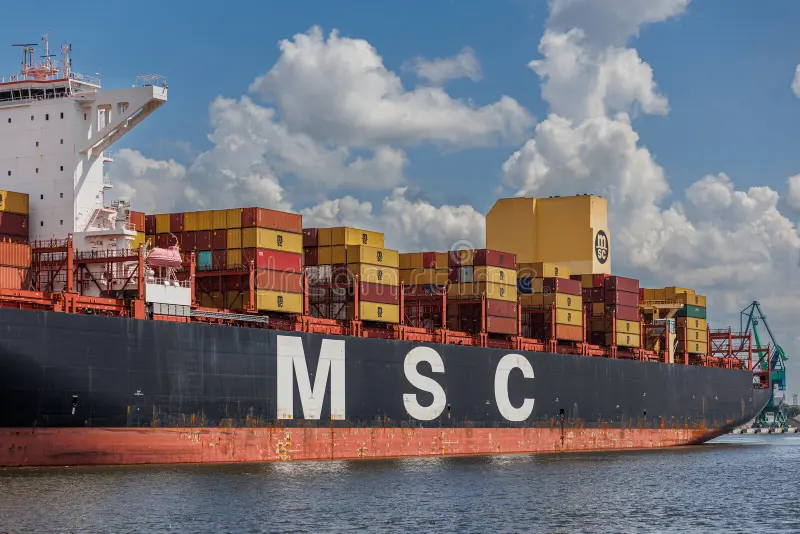
MSC operates a diverse fleet of over 900 vessels, making it the largest container shipping company by fleet size. The company’s vessels are equipped with advanced technology to ensure efficient cargo handling and transportation. MSC’s focus on fleet optimization allows it to maintain a competitive edge in the industry, offering reliable and timely services to its customers.
Technological Innovations
The integration of technology into MSC’s operations has been a game-changer. The company has invested in smart shipping solutions, including the use of big data analytics to optimize routes and improve fuel efficiency. Additionally, MSC has implemented automated systems for cargo handling, which enhances operational efficiency and reduces turnaround times at ports.
Global Network and Connectivity
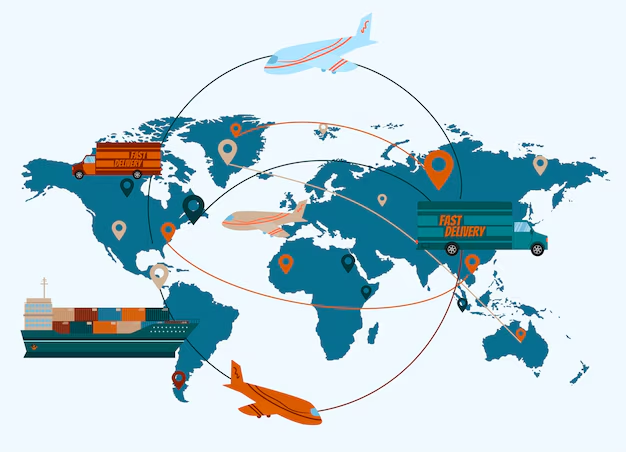
With a presence in over 155 countries and access to more than 520 ports, MSC has established a comprehensive global network. This extensive reach enables the company to provide seamless logistics solutions, connecting businesses across continents. MSC’s strategic hubs in key locations facilitate efficient cargo movement, reducing transit times and enhancing service reliability.
Regional Hubs and Their Importance
MSC’s regional hubs, such as those in Antwerp, Valencia, and Singapore, play a crucial role in its operations. These hubs serve as critical points for transshipment, allowing for the efficient transfer of cargo between different shipping routes. By optimizing these hubs, MSC can offer flexible and responsive services to its customers, adapting to the dynamic nature of global trade.
Sustainability Initiatives
In recent years, MSC has prioritized sustainability in its operations. The company has implemented various initiatives aimed at reducing its environmental impact, including the adoption of eco-friendly technologies and practices. MSC’s commitment to sustainability not only aligns with global environmental goals but also meets the growing demand for responsible shipping practices among consumers and businesses.
Green Shipping Practices
MSC has taken significant steps towards green shipping, including the introduction of vessels powered by liquefied natural gas (LNG), which significantly reduces greenhouse gas emissions. The company is also exploring the use of biofuels and other alternative energy sources to further minimize its carbon footprint. Additionally, MSC has committed to achieving net-zero emissions by 2050, demonstrating its dedication to environmental stewardship.
The Impact of MSC on Global Trade
Facilitating International Trade
MSC plays a vital role in facilitating international trade by providing reliable shipping services that connect producers and consumers worldwide. The company’s extensive network allows businesses to access new markets, driving economic growth and development. By offering tailored solutions for various industries, MSC supports the diverse needs of its customers, from agriculture to manufacturing.
Supporting Emerging Markets
MSC’s operations have been particularly beneficial for emerging markets, where access to global trade can significantly impact economic development. By providing shipping services to countries in Africa, Asia, and Latin America, MSC helps local businesses reach international markets, fostering economic growth and job creation.
Enhancing Supply Chain Efficiency
Through its integrated logistics solutions, MSC enhances supply chain efficiency for businesses. The company’s ability to provide end-to-end services, including inland transportation and warehousing, simplifies the logistics process for its customers. This comprehensive approach enables businesses to optimize their supply chains, reduce costs, and improve overall operational efficiency.
Case Studies of Successful Partnerships
Numerous case studies illustrate how MSC has helped businesses streamline their supply chains. For instance, a major agricultural exporter in South America partnered with MSC to improve its logistics operations. By utilizing MSC’s extensive network and expertise, the exporter was able to reduce shipping times and costs, ultimately increasing its competitiveness in the global market.
Responding to Market Demands
MSC’s agility in responding to market demands has been a key factor in its success. The company continuously monitors industry trends and customer needs, allowing it to adapt its services accordingly. Whether it’s introducing new shipping routes or enhancing cargo handling capabilities, MSC remains committed to meeting the evolving requirements of the global market.
Innovations in Customer Service
MSC has also focused on enhancing customer service through digital solutions. The introduction of online booking systems and real-time tracking tools has improved transparency and communication between MSC and its customers. These innovations not only enhance the customer experience but also streamline operations, allowing for quicker response times to inquiries and issues.
Challenges and Future Outlook
Navigating Industry Challenges
Despite its success, MSC faces several challenges in the shipping industry, including fluctuating fuel prices, regulatory changes, and increasing competition. The company must navigate these challenges while maintaining its commitment to service excellence and sustainability. By investing in innovation and technology, MSC can continue to thrive in a dynamic market environment.
Regulatory Compliance and Adaptation
As global regulations around shipping and environmental standards evolve, MSC must remain compliant while also adapting its operations. This includes investing in cleaner technologies and ensuring that its vessels meet international standards for emissions and safety. The ability to adapt to regulatory changes will be crucial for MSC’s continued success.
Future Growth Opportunities
Looking ahead, MSC is well-positioned to capitalize on emerging opportunities in the shipping industry. The growth of e-commerce and the increasing demand for fast and reliable shipping services present significant prospects for expansion. By leveraging its extensive network and operational expertise, MSC can continue to enhance its service offerings and drive growth in the coming years.
Expansion into New Markets
As global trade patterns shift, MSC has the opportunity to expand into new markets, particularly in Asia and Africa. The rise of e-commerce in these regions presents a unique opportunity for MSC to provide tailored logistics solutions that meet the specific needs of local businesses. By establishing partnerships with regional players, MSC can strengthen its presence and drive growth in these emerging markets.
Specific Technologies for Route Optimization
MSC employs various technologies to optimize its shipping routes. These include advanced software systems that analyze weather patterns, sea currents, and port congestion to determine the most efficient paths for vessels. By utilizing big data analytics, MSC can make informed decisions that reduce fuel consumption and improve delivery times.
Ensuring Cargo Security
Cargo security is a top priority for MSC. The company employs a range of measures to ensure the safety of goods during transportation. This includes the use of high-security seals on containers, real-time tracking systems that monitor cargo locations, and stringent protocols for handling sensitive materials. Additionally, MSC collaborates with port authorities and customs agencies to enhance security measures at ports of call.
Strategies for Dealing with Port Congestion
Port congestion is a significant challenge in the shipping industry, often leading to delays and increased costs. MSC has developed strategies to mitigate these issues, including the use of predictive analytics to anticipate congestion and adjust schedules accordingly. The company also works closely with port operators to streamline operations and improve turnaround times for vessels.
Conclusion
The Mediterranean Shipping Company has transformed the global shipping landscape through its commitment to innovation, sustainability, and customer service. As the largest container shipping company in the world, MSC plays a crucial role in facilitating international trade and enhancing supply chain efficiency. By navigating industry challenges and seizing growth opportunities, MSC is poised to continue its legacy as a leader in the maritime industry.
As you explore the vast opportunities in global trade and logistics, consider enhancing your shipping experience with innovative solutions that streamline your operations and reduce costs. Discover more at LooperBuy.
Article Summary
This article explores the evolution and impact of the Mediterranean Shipping Company (MSC) in the global shipping industry. Founded in 1970, MSC has grown to become the largest container shipping company, facilitating international trade and enhancing supply chain efficiency. The article discusses MSC’s operational strategies, including fleet management, global connectivity, and sustainability initiatives, while also addressing the challenges and future growth opportunities the company faces.
Hot Tags: Global Shipping; Container Shipping; MSC Mediterranean Shipping Company; Maritime Industry; Supply Chain Management; Logistics Solutions; Sustainable Shipping; International Trade; Fleet Management; Shipping Innovation; E-commerce Logistics; Cargo Transportation; Shipping Routes; Environmental Sustainability; Shipping Technology; Global Trade Networks; Freight Services; Shipping Industry Trends; Port Operations; Intermodal Transportation; Shipping Capacity; Trade Facilitation; Logistics Optimization; Shipping Regulations; Market Adaptation; Cargo Handling; Shipping Infrastructure; Shipping Challenges; Future of Shipping; Maritime Logistics
Related Questions & Answers
· What are the key factors driving MSC’s dominance in the global shipping market?
MSC’s dominance is driven by its extensive fleet, global network, commitment to sustainability, and ability to adapt to market demands.
· How is MSC adapting to the increasing demand for sustainable shipping practices?
MSC is investing in eco-friendly technologies, such as LNG-powered vessels, and has committed to achieving net-zero emissions by 2050.
· What are the potential impacts of geopolitical tensions on MSC’s global operations?
Geopolitical tensions can disrupt shipping routes, increase operational costs, and create uncertainties in trade, which MSC must navigate to maintain its service reliability.
· What specific technologies does MSC use to optimize its shipping routes?
MSC utilizes advanced software systems and big data analytics to analyze weather patterns, sea currents, and port congestion for route optimization.
· How does MSC ensure the security of cargo during transportation?
MSC employs high-security seals, real-time tracking systems, and stringent handling protocols to ensure cargo safety throughout the shipping process.
· What are MSC’s strategies for dealing with port congestion and delays?
MSC uses predictive analytics to anticipate congestion and collaborates with port operators to streamline operations and improve vessel turnaround times.