Table of Contents
Introduction to White Label Drop Shipping
In the ever-evolving world of e-commerce, white label drop shipping has emerged as a powerful business model that allows entrepreneurs to sell products without the complexities of inventory management. This guide will explore the ins and outs of white label drop shipping, its benefits, challenges, and how to successfully implement it in your business strategy.
What is White Label Drop Shipping?
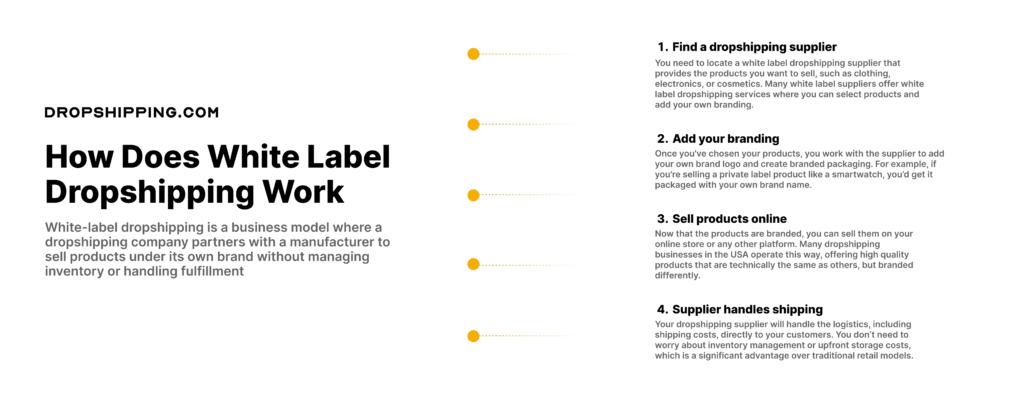
White label drop shipping is a retail fulfillment method where a store sells products manufactured by another company under its own brand. The retailer does not hold any inventory; instead, when a customer makes a purchase, the retailer forwards the order to the manufacturer, who then ships the product directly to the customer. This model allows businesses to focus on marketing and customer service while leaving the logistics to the suppliers.
Key Features of White Label Drop Shipping
- Branding Flexibility: Retailers can brand products as their own, creating a unique identity in the marketplace.
- No Inventory Costs: Since products are shipped directly from the manufacturer, retailers avoid the costs associated with holding inventory.
- Scalability: Businesses can easily scale their operations without the need for significant upfront investment in stock.
Benefits of White Label Drop Shipping
Low Startup Costs
One of the most significant advantages of white label drop shipping is the low barrier to entry. Entrepreneurs can start their e-commerce business with minimal investment, as they do not need to purchase inventory upfront. This model allows for a more manageable financial risk, making it an attractive option for new business owners.
Wide Product Range
With white label drop shipping, retailers can offer a diverse range of products without the need to stock them. This flexibility enables businesses to test various niches and adapt to market trends quickly. Retailers can easily add or remove products from their offerings based on customer demand and sales performance.
Focus on Marketing and Customer Service
Since the logistics of product fulfillment are handled by the manufacturer, retailers can concentrate on marketing their brand and providing excellent customer service. This focus can lead to improved customer satisfaction and loyalty, which are crucial for long-term success in e-commerce.
Reduced Risk of Unsold Inventory
In traditional retail models, businesses often face the risk of unsold inventory, which can lead to significant losses. White label drop shipping eliminates this risk, as retailers only pay for products after they have been sold. This model allows for a more agile business approach, enabling retailers to pivot quickly in response to market demands.
Access to Global Markets
White label drop shipping allows retailers to access global markets without the need for physical presence. By partnering with suppliers from different countries, businesses can offer a wide range of products to customers worldwide. This global reach can significantly increase sales opportunities and brand visibility.
Challenges of White Label Drop Shipping
Quality Control Issues
One of the primary challenges of white label drop shipping is maintaining product quality. Since retailers do not handle the products directly, they must rely on their suppliers to deliver high-quality items. Poor quality can lead to customer dissatisfaction and damage the retailer’s brand reputation. To mitigate this risk, retailers should conduct thorough research on potential suppliers and request samples before committing to a partnership.
Dependence on Suppliers
Retailers are heavily reliant on their suppliers for product availability and shipping times. If a supplier experiences delays or stock shortages, it can directly impact the retailer’s ability to fulfill orders. Establishing strong relationships with reliable suppliers is essential to mitigate this risk. Additionally, having backup suppliers can help ensure continuity in case of unforeseen issues.
Competition
The low barrier to entry in white label drop shipping means that competition can be fierce. Retailers must differentiate themselves through branding, marketing strategies, and customer service to stand out in a crowded marketplace. Developing a unique selling proposition (USP) that highlights the benefits of your products can help attract customers and build brand loyalty.
Marketing Challenges
While white label drop shipping allows retailers to focus on marketing, it also presents challenges. With many businesses vying for attention online, creating effective marketing campaigns that resonate with your target audience is crucial. Retailers must invest time and resources into understanding their customers’ needs and preferences to develop compelling marketing strategies.
Legal and Compliance Issues
Navigating the legal landscape of e-commerce can be complex, especially when dealing with international suppliers. Retailers must ensure that their products comply with local regulations and standards, which can vary significantly from one country to another. This compliance is essential to avoid legal issues and protect your brand’s reputation.
How to Start a White Label Drop Shipping Business
Step 1: Choose Your Niche
Selecting the right niche is crucial for the success of your white label drop shipping business. Consider factors such as market demand, competition, and your interests. Research trending products and identify gaps in the market that you can fill with your offerings. Tools like Google Trends, social media insights, and keyword research can help you identify popular niches.
Step 2: Find Reliable Suppliers
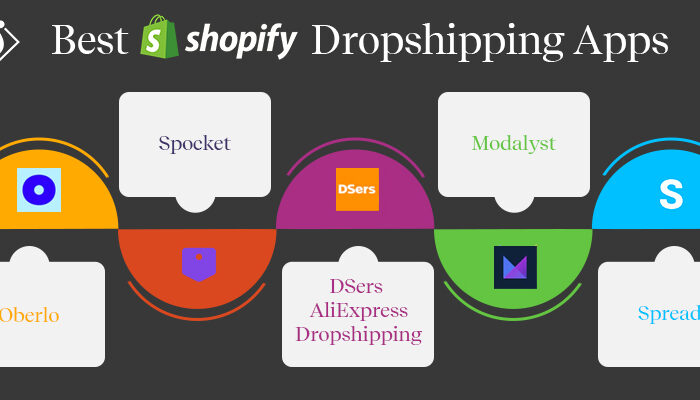
Once you have chosen your niche, the next step is to find reliable suppliers who offer white label products. Look for manufacturers with a good reputation, quality products, and favorable terms. Platforms like Alibaba, SaleHoo, and Oberlo can help you connect with potential suppliers. When evaluating suppliers, consider their production capacity, shipping times, and customer service responsiveness.
Step 3: Create Your Brand
Developing a strong brand identity is essential for standing out in the e-commerce landscape. Create a memorable brand name, logo, and packaging that resonates with your target audience. Your branding should reflect the values and quality of your products. Consider conducting market research to understand what appeals to your potential customers and incorporate those insights into your branding strategy.
Step 4: Build Your Online Store
Choose an e-commerce platform that suits your needs, such as Shopify, WooCommerce, or BigCommerce. Design your online store to be user-friendly and visually appealing. Ensure that your product listings are optimized for search engines to attract organic traffic. High-quality images, detailed product descriptions, and customer reviews can enhance the shopping experience and increase conversion rates.
Step 5: Market Your Products
Effective marketing is key to driving traffic to your online store. Utilize social media, email marketing, and search engine optimization (SEO) to reach your target audience. Consider running paid advertising campaigns to boost visibility and sales. Collaborating with influencers in your niche can also help increase brand awareness and credibility.
Step 6: Monitor and Optimize
Once your white label drop shipping business is up and running, continuously monitor your performance. Analyze sales data, customer feedback, and website traffic to identify areas for improvement. Optimize your marketing strategies and product offerings based on this data to enhance your business’s success. Regularly updating your website and product listings can keep your brand fresh and engaging for customers.
Step 7: Build Customer Relationships
Establishing strong relationships with your customers is vital for long-term success. Provide excellent customer service, respond promptly to inquiries, and address any issues that arise. Consider implementing a loyalty program or offering discounts to repeat customers to encourage brand loyalty. Engaging with customers through social media and email newsletters can also help foster a sense of community around your brand.
Step 8: Scale Your Business
As your white label drop shipping business grows, consider ways to scale your operations. This could involve expanding your product range, entering new markets, or investing in additional marketing strategies. Automating certain aspects of your business, such as order processing and customer communication, can also help you manage increased demand more efficiently.
Step 9: Handle Returns and Refunds
Managing returns and refunds is a critical aspect of running a successful white label drop shipping business. Establish a clear return policy that outlines the conditions under which returns are accepted and the process customers should follow. Communicate this policy clearly on your website to set customer expectations. Work closely with your suppliers to ensure that returns are processed smoothly and efficiently. This will help maintain customer satisfaction and trust in your brand.
Step 10: Ensure Product Quality
To ensure product quality, consider implementing a quality assurance process. This could involve ordering samples from your suppliers to evaluate the products before listing them on your store. Additionally, encourage customer feedback and reviews to identify any quality issues that may arise. Addressing these concerns promptly can help maintain your brand’s reputation and customer loyalty.
Conclusion
White label drop shipping presents a unique opportunity for entrepreneurs to enter the e-commerce market with minimal risk and investment. By understanding the benefits and challenges of this business model, you can effectively navigate the landscape and build a successful online store. With careful planning, strong supplier relationships, and effective marketing strategies, you can unlock your e-commerce potential and achieve your business goals.
Unlock your e-commerce potential today and discover a world of unique products that can elevate your brand with LooperBuy. Explore now at LooperBuy.
Article Summary
This article provides a comprehensive overview of white label drop shipping, detailing its definition, benefits, challenges, and steps to start a successful business. It emphasizes the importance of branding, supplier relationships, and effective marketing strategies in building a thriving e-commerce venture.
Hot Tags: White Label Drop Shipping; E-Commerce; Online Retail; Branding; Supplier Relationships; Inventory Management; Marketing Strategies; Business Model; Product Fulfillment; Customer Service; Niche Selection; Startup Costs; Quality Control; Market Trends; Sales Performance; Digital Marketing; E-Commerce Platforms; Shopify; WooCommerce; Alibaba; Oberlo; Business Growth; Entrepreneur; Retail Fulfillment; Product Range; Customer Satisfaction; Logistics; Financial Risk; Brand Identity; Market Demand; Competition
Related Questions & Answers
· What is the difference between drop shipping and white label drop shipping?
Drop shipping involves selling products from various suppliers without holding inventory, while white label drop shipping allows retailers to brand products as their own, typically from a single supplier.
· How do I find suppliers for white label drop shipping?
You can find suppliers through platforms like Alibaba, SaleHoo, and Oberlo, or by directly contacting manufacturers in your chosen niche.
· Is white label drop shipping profitable?
Yes, white label drop shipping can be profitable if you choose the right niche, establish strong supplier relationships, and implement effective marketing strategies.
· What are the risks associated with white label drop shipping?
Risks include quality control issues, dependence on suppliers for product availability, and intense competition in the market.
· How can I ensure product quality with white label drop shipping?
To ensure product quality, order samples from suppliers, encourage customer feedback, and establish a quality assurance process to address any issues promptly.
· What are the best marketing strategies for a white label drop shipping business?
Effective marketing strategies include utilizing social media, email marketing, SEO, and collaborating with influencers to increase brand visibility and attract customers.
· How do I handle returns and refunds in a white label drop shipping model?
Establish a clear return policy, communicate it to customers, and work closely with suppliers to ensure smooth processing of returns and refunds.