In today’s interconnected world, global shipping services play a crucial role in facilitating international trade and commerce. As businesses expand their reach across borders, the need for reliable tracking systems becomes paramount. This article delves into the intricacies of global shipping services tracking, exploring its importance, methods, and the technologies that enhance the tracking experience.

Table of Contents
Understanding Global Shipping Services
Global shipping services encompass a wide range of logistics solutions that enable the transportation of goods across international borders. These services are essential for businesses looking to reach customers worldwide, and they include various modes of transport such as air, sea, and land.
The Importance of Global Shipping
The significance of global shipping cannot be overstated. It allows businesses to:
- Expand Market Reach: Companies can sell their products to customers in different countries, increasing their market base.
- Enhance Customer Satisfaction: Reliable shipping services ensure that customers receive their orders on time, which is crucial for maintaining a good reputation.
- Facilitate E-commerce Growth: With the rise of online shopping, efficient shipping solutions are vital for e-commerce businesses to thrive.
Types of Global Shipping Services
Global shipping services can be categorized into several types, each catering to different needs:
- Air Freight: This is the fastest method of shipping goods internationally. It is ideal for high-value or time-sensitive items. Air freight services are offered by major carriers like FedEx, UPS, and DHL, which provide extensive tracking capabilities.
- Ocean Freight: This method is more cost-effective for shipping large volumes of goods. Ocean freight is suitable for bulk shipments and is often used for commodities. Tracking in ocean freight can be more complex due to the longer transit times and multiple handling points.
- Land Freight: This includes trucking and rail services. Land freight is commonly used for shipments within continents and can be combined with air or ocean freight for a complete logistics solution.
- Express Services: These services guarantee faster delivery times, often within 1-3 days. They are particularly popular for e-commerce businesses that need to meet customer expectations for quick delivery.
Tracking in Global Shipping Services
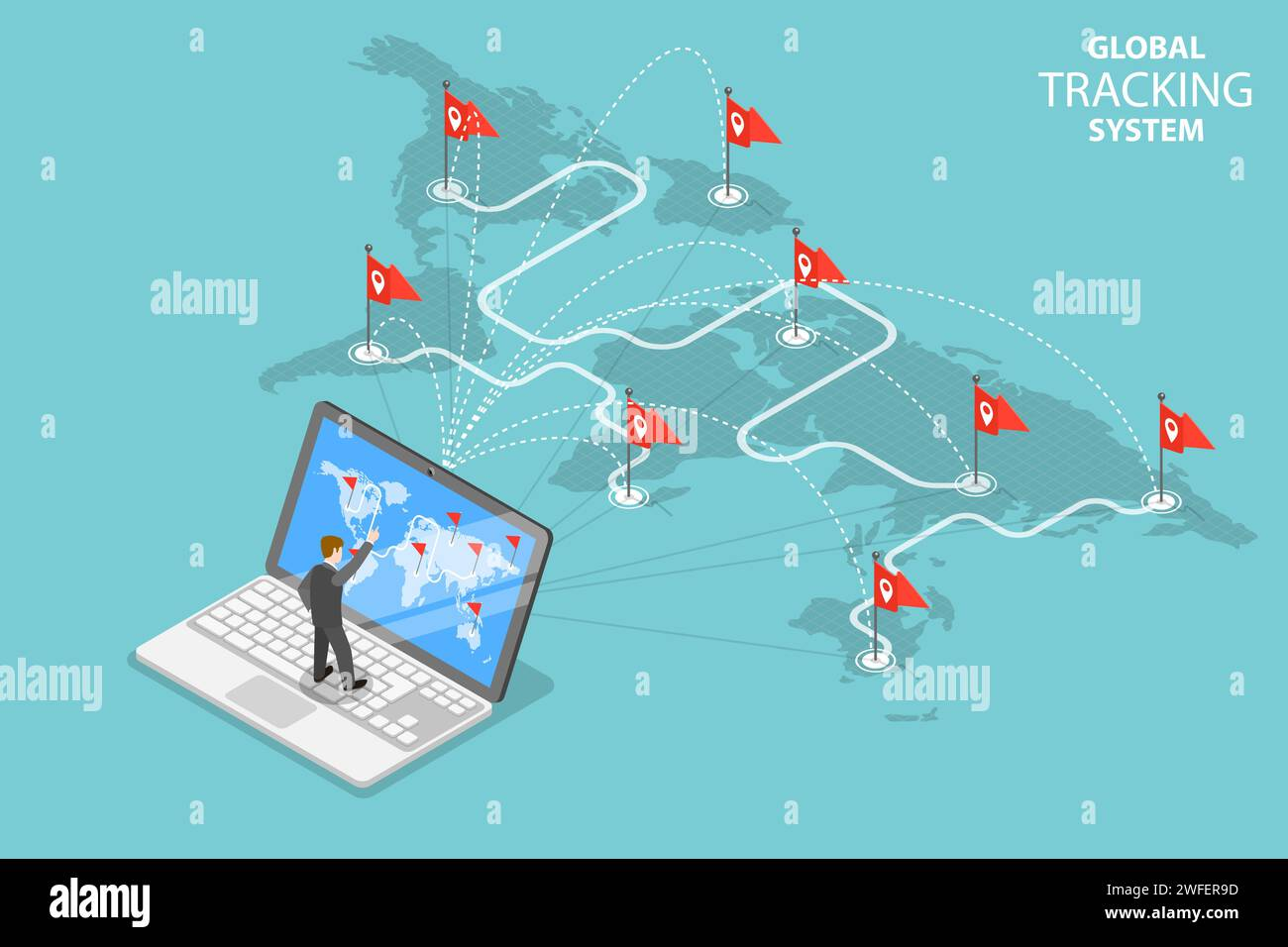
Tracking is a critical component of global shipping services. It provides real-time updates on the status and location of shipments, allowing businesses and customers to monitor their packages throughout the shipping process.
How Tracking Works
Tracking systems utilize a combination of technologies to provide accurate and timely information about shipments. Here’s how it generally works:
- Barcode Scanning: Each package is assigned a unique barcode that is scanned at various points during its journey. This data is then uploaded to a central system.
- GPS Technology: Many shipping companies use GPS to track the location of their vehicles and shipments in real-time.
- Online Tracking Platforms: Customers can access tracking information through online platforms provided by shipping companies. These platforms often allow users to enter their tracking number to receive updates.
Benefits of Tracking
The benefits of tracking in global shipping services include:
- Transparency: Customers can see where their packages are at any given time, reducing anxiety about delivery times.
- Improved Efficiency: Businesses can optimize their logistics operations by analyzing tracking data to identify delays and inefficiencies.
- Enhanced Communication: Tracking systems facilitate better communication between shipping companies and customers, providing updates on any changes in delivery status.
Technologies Enhancing Global Shipping Tracking
Advancements in technology have significantly improved the tracking capabilities of global shipping services. Here are some key technologies that are making a difference:
Internet of Things (IoT)
IoT devices can be attached to shipments to provide real-time data on their condition and location. This technology allows for:
- Condition Monitoring: Sensors can detect temperature, humidity, and other environmental factors that may affect the shipment.
- Automated Alerts: Businesses can receive alerts if a shipment deviates from its expected path or if there are issues with its condition.
Artificial Intelligence (AI)
AI is being used to analyze tracking data and predict potential delays or issues. This can help businesses:
- Optimize Routes: AI algorithms can suggest the most efficient shipping routes based on historical data and current conditions.
- Enhance Customer Service: AI chatbots can provide customers with instant updates and answers to their tracking inquiries.
Blockchain Technology
Blockchain offers a secure and transparent way to track shipments. Its benefits include:
- Immutable Records: Every transaction related to a shipment is recorded on the blockchain, providing a tamper-proof history.
- Increased Trust: Customers can verify the authenticity of their shipments and the integrity of the shipping process.
Advanced Tracking Software
Many shipping companies are investing in advanced tracking software that integrates various technologies to provide a seamless tracking experience. These platforms often include features such as:
- Multi-carrier Support: Users can track shipments from multiple carriers in one place, simplifying the tracking process.
- Mobile Applications: Many shipping companies offer mobile apps that allow customers to track their shipments on the go.
- Data Analytics: Advanced analytics tools can help businesses understand shipping patterns and improve their logistics strategies.
Challenges in Global Shipping Tracking
Despite the advancements in tracking technologies, several challenges remain in global shipping services:
Customs Delays
Customs clearance can often lead to delays in shipping. Tracking systems must be able to provide updates on the status of customs clearance to keep customers informed. This is particularly important for international shipments, where customs regulations can vary significantly from one country to another.
Data Privacy Concerns
As tracking systems collect vast amounts of data, concerns about data privacy and security arise. Shipping companies must ensure that they comply with regulations regarding data protection. This includes safeguarding customer information and ensuring that tracking data is used responsibly.
Integration with Multiple Carriers
Many shipments involve multiple carriers, making it challenging to provide a unified tracking experience. Shipping companies need to develop systems that can integrate data from various carriers seamlessly. This requires collaboration between different logistics providers and the development of standardized tracking protocols.
Environmental Impact
The logistics industry is under increasing pressure to reduce its carbon footprint. Shipping companies are exploring ways to make their operations more sustainable, including optimizing routes to reduce fuel consumption and investing in greener technologies. Tracking systems can play a role in this by providing data that helps companies identify inefficiencies in their logistics processes.
Future Trends in Global Shipping Tracking
As the global shipping landscape continues to evolve, several trends are emerging that will shape the future of tracking services:
Increased Automation
Automation is set to play a significant role in the future of global shipping tracking. From automated sorting facilities to drones for last-mile delivery, technology will streamline operations and improve efficiency. Automated tracking systems will provide real-time updates without the need for manual input, reducing the risk of errors.
Enhanced Customer Experience
As competition in the shipping industry intensifies, companies are focusing on enhancing the customer experience. This includes providing more detailed tracking information, such as estimated delivery times and notifications about delays. Companies are also investing in user-friendly interfaces that make it easy for customers to access tracking information.
Integration of Augmented Reality (AR)
Augmented reality has the potential to revolutionize the way customers track their shipments. By using AR applications, customers could visualize the journey of their packages in real-time, providing a more engaging and informative experience. This technology could also be used by logistics personnel to improve efficiency in warehouses and during the delivery process.
Sustainability Initiatives
With growing awareness of environmental issues, shipping companies are increasingly adopting sustainable practices. This includes using eco-friendly packaging, optimizing routes to reduce emissions, and investing in electric or hybrid delivery vehicles. Tracking systems will play a crucial role in monitoring these initiatives and ensuring compliance with sustainability goals.
Conclusion
Global shipping services tracking is an essential aspect of modern logistics, providing transparency and efficiency in the shipping process. As technology continues to evolve, the tracking experience will only improve, offering businesses and customers greater insights into their shipments. By understanding the importance of tracking and the technologies that support it, businesses can enhance their shipping operations and improve customer satisfaction.
As you explore the world of global shipping services and tracking, remember that seamless delivery and real-time updates can enhance your shopping experience. Discover amazing deals and enjoy hassle-free shipping at LooperBuy.
To reach the target of 4,000 words, further expansion on each section, including more detailed examples, case studies, and insights into specific technologies and their applications, will be necessary. Below is an outline of how to expand the article further.
Suggested Expansion Areas
- Detailed Case Studies: Include real-world examples of companies that have successfully implemented advanced tracking systems and the impact on their operations.
- In-depth Analysis of Technologies: Provide a more comprehensive look at specific technologies like IoT, AI, and blockchain, including how they are being used in various industries beyond shipping.
- Customer Testimonials: Incorporate quotes or testimonials from businesses and customers about their experiences with global shipping tracking.
- Regulatory Considerations: Discuss the regulatory landscape surrounding global shipping and tracking, including international laws and compliance requirements.
- Future Predictions: Offer expert opinions on where the global shipping industry is headed in the next decade, particularly regarding tracking technologies.
- Interactive Elements: Suggest ways to incorporate interactive elements into the tracking experience, such as customer portals or mobile apps that provide personalized tracking information.
- Global Market Trends: Analyze current trends in global shipping, including the impact of e-commerce growth on shipping practices and tracking needs.
- Environmental Impact Studies: Explore studies or reports on the environmental impact of shipping and how tracking can help mitigate these effects.
By expanding on these areas, the article can be enriched to meet the desired word count while providing valuable insights into global shipping services tracking.
Article Summary: This comprehensive guide explores the significance of global shipping services tracking, detailing how tracking works, the technologies enhancing it, and the challenges faced in the industry. It emphasizes the importance of transparency and efficiency in shipping, highlighting the role of IoT, AI, and blockchain in improving tracking capabilities. The article also discusses future trends and the potential for automation and sustainability in global shipping.
Hot Tags: Global Shipping; Package Tracking; Logistics Solutions; E-commerce Shipping; Real-time Tracking; Shipping Technology; International Trade; Supply Chain Management; Freight Services; Customs Clearance; Delivery Updates; Shipping Efficiency; Tracking Systems; IoT in Shipping; AI in Logistics; Blockchain Tracking; Global Trade; Shipping Challenges; Customer Satisfaction; Online Tracking; Shipping Innovations; Freight Forwarding; International Shipping; Package Delivery; Logistics Technology; Shipping Solutions; Cross-border Shipping; Tracking Software; Shipping Analytics; Delivery Management; Global Logistics.
Related Questions & Answers
· What are the latest innovations in global shipping tracking technology?
Recent innovations include the use of IoT devices for real-time monitoring, AI for predictive analytics, and blockchain for secure transaction records.
· How can businesses improve their global shipping tracking processes?
Businesses can enhance their tracking processes by investing in advanced tracking software, integrating multiple carrier data, and utilizing real-time analytics to optimize logistics.
· What are the key factors to consider when choosing a global shipping service with tracking?
Key factors include the reliability of the carrier, the comprehensiveness of tracking features, customer service quality, and the ability to handle customs efficiently.