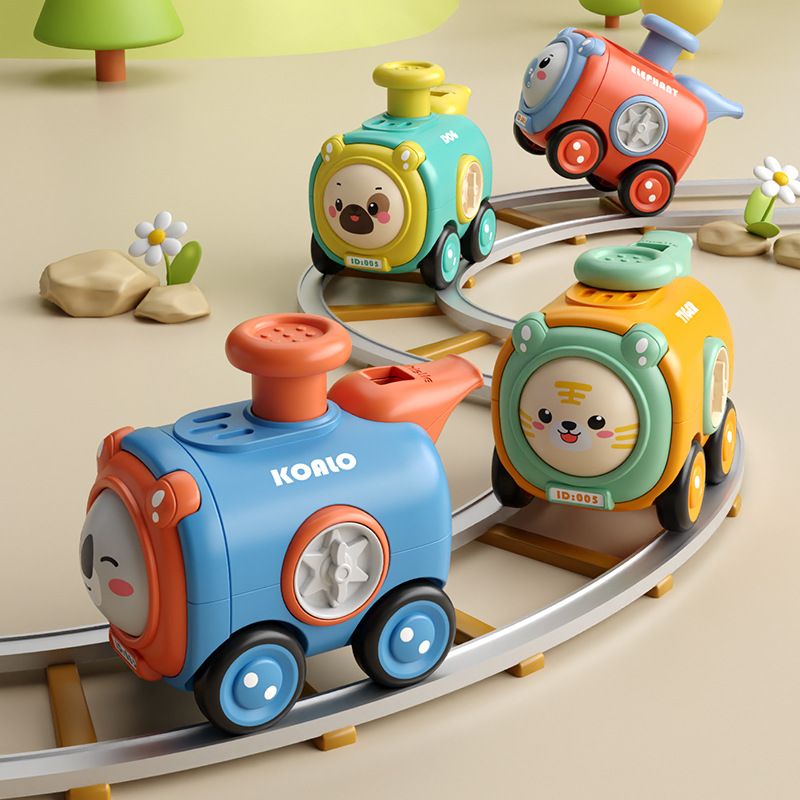
In a world increasingly dominated by screens and digital distractions, the importance of creative play for children cannot be overstated. Creative toys serve as essential tools that not only entertain but also foster imagination, problem-solving skills, and emotional development. This article explores the significance of creative children’s toys, the types available, and how they contribute to a child’s growth and learning.
Table of Contents
The Importance of Creative Play

Enhancing Cognitive Development
Creative play is crucial for cognitive development in children. Engaging with toys that encourage creativity helps children develop critical thinking and problem-solving skills. For instance, building blocks and construction sets require children to think spatially and understand cause-and-effect relationships. As they manipulate these toys, they learn to plan, experiment, and adapt their strategies, which are essential skills for academic success.
Research shows that children who engage in creative play demonstrate improved cognitive flexibility, which is the ability to switch between thinking about different concepts or to think about multiple concepts simultaneously. This flexibility is vital for learning in various subjects, including math and science, where problem-solving and innovative thinking are key.
Moreover, creative play enhances memory and attention span. When children engage in imaginative scenarios, they often have to remember details about their characters, settings, and plots. This practice strengthens their memory and helps them develop better focus, which is beneficial in both academic and social settings.
Fostering Emotional Intelligence
Toys that promote imaginative play also play a significant role in developing emotional intelligence. When children engage in role-playing scenarios, they learn to express their feelings and understand the emotions of others. This type of play allows them to navigate social situations, develop empathy, and improve their communication skills. For example, dolls and action figures can be used to enact various social scenarios, helping children process their experiences and emotions.
Moreover, creative play provides a safe space for children to explore their feelings. They can act out scenarios that may be confusing or frightening, such as a visit to the doctor or a new sibling arriving. This exploration helps them to articulate their feelings and develop coping strategies, which are essential for emotional regulation.
Encouraging Social Skills
Creative toys often encourage collaborative play, which is vital for developing social skills. When children play together, they learn to share, negotiate, and resolve conflicts. Toys that require teamwork, such as group building projects or cooperative games, help children understand the value of collaboration and enhance their ability to work with others. This social interaction is essential for building friendships and developing a sense of community.
In group settings, children learn to take turns and respect others’ ideas, which are foundational skills for effective communication and teamwork. These experiences not only prepare them for future social interactions but also instill a sense of belonging and community.
Building Resilience and Confidence
Creative play also plays a crucial role in building resilience and self-confidence in children. When children engage in imaginative play, they often face challenges that require them to think critically and find solutions. For example, if a child is building a structure that keeps falling over, they must analyze what is going wrong and adjust their approach. This process of trial and error teaches them that failure is a part of learning and that persistence can lead to success.
As children successfully navigate challenges in their play, they gain a sense of accomplishment. This feeling of achievement boosts their self-esteem and encourages them to take on new challenges, both in play and in real life. Over time, this builds a resilient mindset, where children learn to embrace challenges rather than shy away from them.
Promoting Creativity and Innovation
Creative toys are instrumental in promoting creativity and innovation. When children are given the freedom to explore and create, they develop a mindset that values originality and inventiveness. This is particularly important in today’s rapidly changing world, where creativity is often linked to success in various fields, including technology, art, and business.
By engaging with creative toys, children learn to think outside the box and approach problems from different angles. This ability to innovate is not only beneficial in their childhood but also prepares them for future careers where creative problem-solving is essential.
Types of Creative Toys
Building and Construction Toys
Building toys, such as LEGO sets, magnetic tiles, and wooden blocks, are excellent for sparking creativity. These toys allow children to construct their own designs, fostering an environment of exploration and innovation. The open-ended nature of these toys means that there are no right or wrong ways to play, which encourages children to think outside the box.
Building toys also promote fine motor skills as children manipulate small pieces and assemble complex structures. This hands-on experience is crucial for developing dexterity and hand-eye coordination, which are important for writing and other tasks later in life.
Additionally, building toys can be integrated into educational settings to teach concepts such as geometry, physics, and engineering. For instance, teachers can use building blocks to demonstrate principles of balance and stability, making learning interactive and engaging.
Art and Craft Supplies
Art supplies, including paints, markers, clay, and craft kits, provide children with the tools to express their creativity visually. Engaging in art helps children develop fine motor skills and enhances their ability to focus and concentrate. Moreover, creating art can be a therapeutic outlet for children, allowing them to express their thoughts and feelings in a non-verbal way.
Artistic expression is not only about creating something visually appealing; it also encourages children to experiment with colors, shapes, and textures. This experimentation fosters a sense of achievement and boosts self-esteem, as children see their ideas come to life.
Furthermore, art can be a collaborative activity. Group art projects encourage teamwork and communication, as children must work together to create a cohesive piece. This collaboration not only enhances their social skills but also allows them to learn from one another’s perspectives and techniques.
Role-Playing and Imaginative Play Toys
Toys that facilitate role-playing, such as costumes, play kitchens, and tool sets, allow children to explore different identities and scenarios. This type of play is crucial for developing creativity and imagination. By stepping into different roles, children can experiment with various social dynamics and learn about the world around them.
Role-playing also helps children develop narrative skills as they create stories and scenarios. This storytelling aspect enhances their language skills and encourages them to articulate their thoughts and ideas clearly.
Moreover, role-playing can be used as a tool for teaching important life skills. For example, playing house can help children learn about family dynamics and responsibilities, while playing doctor can familiarize them with healthcare concepts and reduce anxiety about medical visits.
STEM Toys
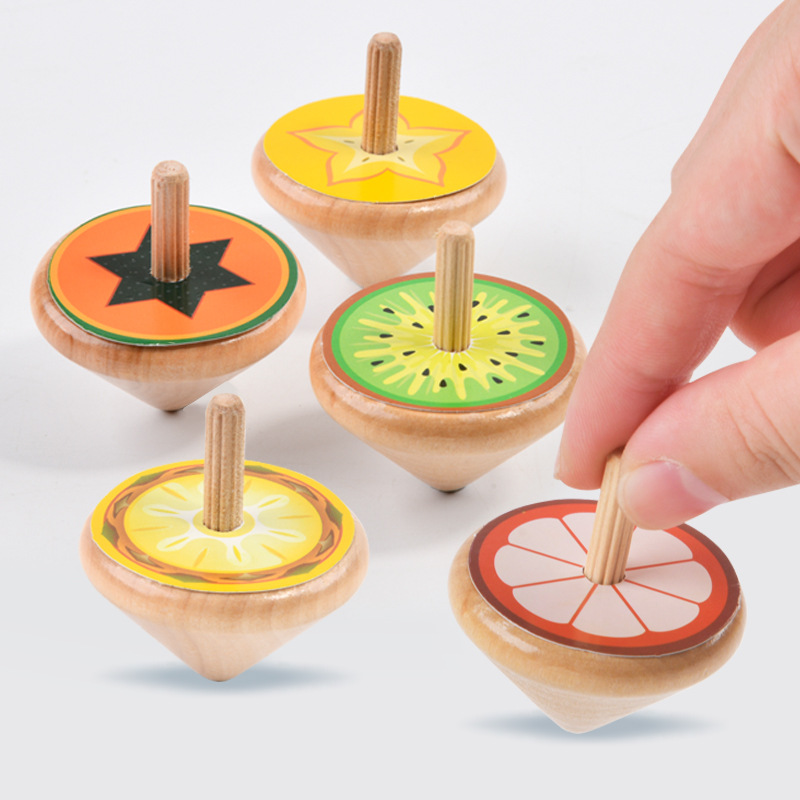
STEM (Science, Technology, Engineering, and Mathematics) toys are designed to promote learning in these critical areas through hands-on activities. These toys often include robotics kits, science experiment sets, and coding games. By engaging with STEM toys, children not only learn important academic concepts but also develop skills such as logical reasoning and analytical thinking.
STEM toys encourage children to ask questions, hypothesize, and test their ideas, which are fundamental aspects of scientific inquiry. This hands-on approach to learning makes complex concepts more accessible and enjoyable, fostering a lifelong love of learning.
Additionally, STEM toys can help bridge the gender gap in these fields. By providing girls and boys with equal access to STEM toys, parents and educators can encourage all children to explore their interests in science and technology, promoting diversity in future careers.
Nature and Outdoor Toys
Incorporating nature and outdoor toys into playtime is essential for fostering a connection with the environment. Toys such as gardening kits, nature exploration sets, and outdoor sports equipment encourage children to engage with the natural world. This interaction not only promotes physical activity but also instills a sense of responsibility for the environment.
Outdoor play has been shown to enhance creativity, as children are exposed to a variety of stimuli that inspire imaginative play. Climbing structures, swings, and balance beams provide opportunities for physical challenges that build strength and coordination while also encouraging social interaction.
Nature-based toys can also be educational. For instance, a gardening kit can teach children about plant biology, ecosystems, and the importance of sustainability. By integrating outdoor play with learning, children develop a holistic understanding of their world.
Choosing the Right Creative Toys
Age Appropriateness
When selecting creative toys, it is essential to consider the age appropriateness of the toys. Toys should be challenging enough to stimulate a child’s imagination but not so difficult that they become frustrated. Manufacturers often provide age recommendations, which can guide parents in making suitable choices.
Age-appropriate toys not only ensure safety but also align with a child’s developmental stage. For example, younger children may benefit from larger blocks that are easy to handle, while older children may enjoy more complex building sets that require advanced problem-solving skills.
Safety Considerations
Safety is paramount when it comes to children’s toys. Parents should look for toys made from non-toxic materials and ensure that they meet safety standards. Additionally, toys should be free from small parts that could pose a choking hazard for younger children.
Parents should also regularly inspect toys for wear and tear, as damaged toys can pose safety risks. Choosing toys from reputable manufacturers who adhere to safety regulations can provide peace of mind.
Encouraging Open-Ended Play
Open-ended toys are those that can be used in multiple ways, allowing children to create their own play scenarios. These toys encourage creativity and imagination, as children can invent their own games and stories. Examples include building blocks, art supplies, and dress-up costumes.
Open-ended play is essential for fostering creativity because it allows children to explore their interests and ideas without limitations. This freedom encourages them to think critically and develop their unique perspectives.
Balancing Screen Time and Creative Play
In today’s digital age, it is crucial for parents to balance screen time with creative play. While technology can offer educational benefits, excessive screen time can hinder a child’s ability to engage in imaginative play. Parents should set limits on screen time and encourage activities that promote creativity and physical activity.
Incorporating technology in a balanced way can also enhance creative play. For example, coding games can teach children programming skills while still allowing for creative expression. The key is to ensure that technology complements rather than replaces traditional forms of play.
The Role of Parents in Creative Play
Creating a Stimulating Environment
Parents play a crucial role in fostering creativity in their children. By providing a variety of creative toys and a stimulating environment, parents can encourage their children to explore and engage in imaginative play. This can include setting up designated play areas, providing art supplies, and encouraging outdoor play.
Creating a stimulating environment also involves minimizing distractions from screens and technology. By prioritizing playtime and providing opportunities for creative exploration, parents can help their children develop a healthy relationship with play.
Participating in Play
Parents can enhance their children’s creative play by participating in activities together. This not only strengthens the parent-child bond but also provides opportunities for children to learn from their parents. Whether it’s building a fort, painting a picture, or playing a game, active participation can inspire children and enhance their creativity.
When parents engage in play, they model positive behaviors such as cooperation, communication, and problem-solving. This involvement can also help parents understand their children’s interests and preferences, allowing them to provide more tailored support.
Encouraging Exploration and Experimentation
Parents should encourage their children to explore and experiment with their toys. This can involve allowing children to take apart and rebuild their creations or try new techniques in their art projects. By fostering a mindset of exploration, parents can help children develop resilience and a love for learning.
Encouraging experimentation also means allowing children to make mistakes and learn from them. This process is essential for developing a growth mindset, where children understand that challenges are opportunities for growth rather than obstacles.
Setting Limits and Guidelines
While creative play is essential, it is also important for parents to set limits and guidelines to ensure that play remains safe and constructive. Establishing rules about where and how toys can be used can help prevent accidents and ensure that children respect their play environment.
Additionally, parents can guide their children in using toys in ways that promote learning and creativity. For example, if a child is using art supplies, parents can encourage them to try new techniques or themes, expanding their creative horizons.
Encouraging Reflection and Discussion
After play sessions, parents can engage their children in discussions about their experiences. Asking open-ended questions about what they created, how they felt during play, and what challenges they faced can help children reflect on their experiences. This reflection not only reinforces learning but also encourages children to articulate their thoughts and feelings.
By fostering a culture of reflection, parents can help children develop critical thinking skills and a deeper understanding of their creative processes. This practice can also enhance their ability to communicate effectively, both verbally and in writing.

Conclusion
Creative children’s toys are more than just playthings; they are vital tools for development. By engaging in creative play, children enhance their cognitive, emotional, and social skills, laying a strong foundation for their future. Parents play a crucial role in this process by providing a variety of stimulating toys and actively participating in their children’s play. As we continue to navigate a world filled with digital distractions, the importance of creative play remains paramount in nurturing well-rounded, imaginative, and resilient children.
How to purchase:Online B2B sourcing platform, China purchase, Chinese suppliers – LooperBuy
Frequently Asked Questions
1. What are the benefits of creative toys for children?
Creative toys enhance cognitive development, foster emotional intelligence, and encourage social skills through imaginative play.
2. How can parents choose the right creative toys for their children?
Parents should consider age appropriateness, safety, and the potential for open-ended play when selecting creative toys.
3. What types of toys promote imaginative play?
Building and construction toys, art supplies, role-playing toys, and STEM toys are excellent for promoting imaginative play.
4. How can parents encourage their children to engage in creative play?
Parents can create a stimulating environment, participate in play, and encourage exploration and experimentation with toys.
5. Are there specific safety standards for children’s toys?
Yes, toys should be made from non-toxic materials and free from small parts that could pose choking hazards, adhering to safety standards set by regulatory bodies.
HOT TAG: creative toys for kids, imaginative play benefits, cognitive development through play, emotional intelligence in children, role-playing toys, STEM education tools, building and construction toys, art and craft supplies, fostering social skills, encouraging exploration and experimentation, parent involvement in play, open-ended play ideas, enhancing problem-solving skills, outdoor play and nature toys, balancing screen time with creativity, developing resilience through play, educational toys for early childhood, collaborative play experiences, nurturing creativity in children, innovative learning through play.