When you bring a puppy into your home, you’re not just gaining a new furry friend; you’re also taking on the responsibility of ensuring their comfort and well-being. One of the most important purchases you’ll make for your new pet is a bed. A good puppy bed is essential for providing a safe, comfortable space where your puppy can rest, sleep, and feel secure. In this guide, we will explore everything you need to know about selecting the perfect bed for your puppy, including types of beds, materials, sizes, and tips for maintaining them.
Table of Contents
Understanding Your Puppy’s Needs
Why a Good Bed Matters
A puppy’s bed is more than just a place to sleep; it plays a crucial role in their development. Puppies spend a significant amount of their time sleeping—up to 18 hours a day! A comfortable bed can help them feel secure and promote healthy sleep patterns. Additionally, a well-chosen bed can support their growing bodies, especially for larger breeds that may be prone to joint issues later in life. A good bed can also help reduce anxiety, providing a safe haven for your puppy during stressful situations, such as thunderstorms or fireworks.
Factors to Consider
When selecting a bed for your puppy, consider the following factors:
- Size: Ensure the bed is appropriate for your puppy’s current size and will accommodate their growth.
- Material: Look for durable, easy-to-clean materials that can withstand the wear and tear of puppy life.
- Style: Choose a style that fits your puppy’s sleeping habits—some dogs prefer to curl up, while others like to stretch out.
- Location: Consider where you will place the bed. It should be in a quiet, comfortable area of your home.
Types of Puppy Beds
Orthopedic Beds
Orthopedic beds are designed to provide extra support for your puppy’s joints and bones. These beds are particularly beneficial for larger breeds or puppies that may develop joint issues as they grow. They often feature memory foam or high-density foam that conforms to your puppy’s body, providing comfort and support. This type of bed can help alleviate pressure points, making it an excellent choice for older dogs or those with arthritis. Additionally, orthopedic beds can be beneficial for puppies recovering from surgery or injury, as they provide a supportive surface that promotes healing.
Donut Beds
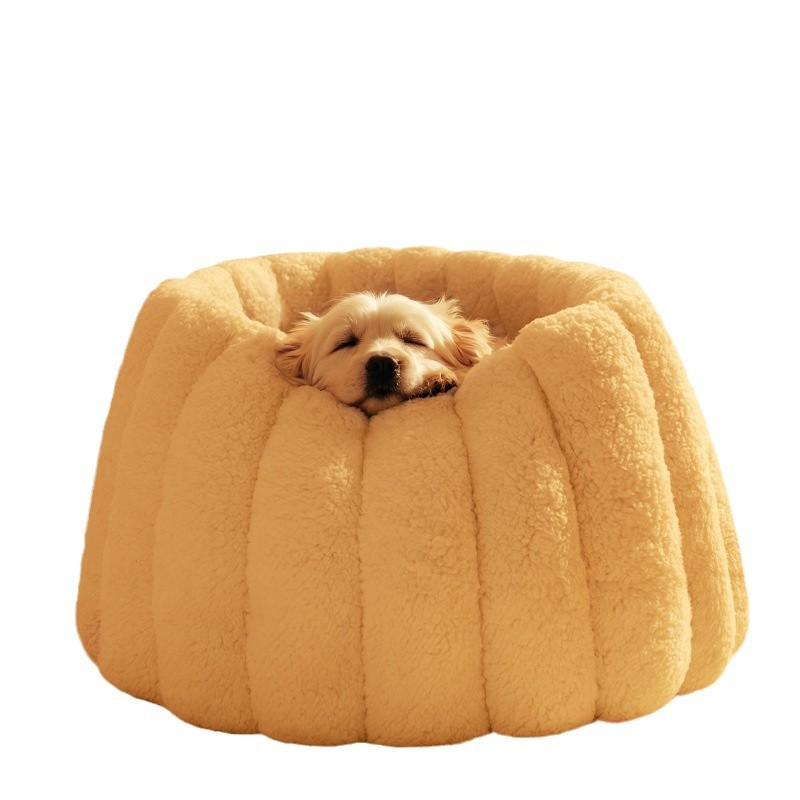
Donut beds are round and have raised edges, making them perfect for puppies that like to curl up while they sleep. The soft, cushioned walls provide a sense of security, which can be especially comforting for anxious puppies. These beds often come in various sizes and colors, allowing you to choose one that fits your home decor. The design of donut beds can also help retain heat, making them ideal for colder climates. Furthermore, the bolstered edges can serve as a pillow for your puppy, enhancing their comfort while they sleep.
Crate Mats
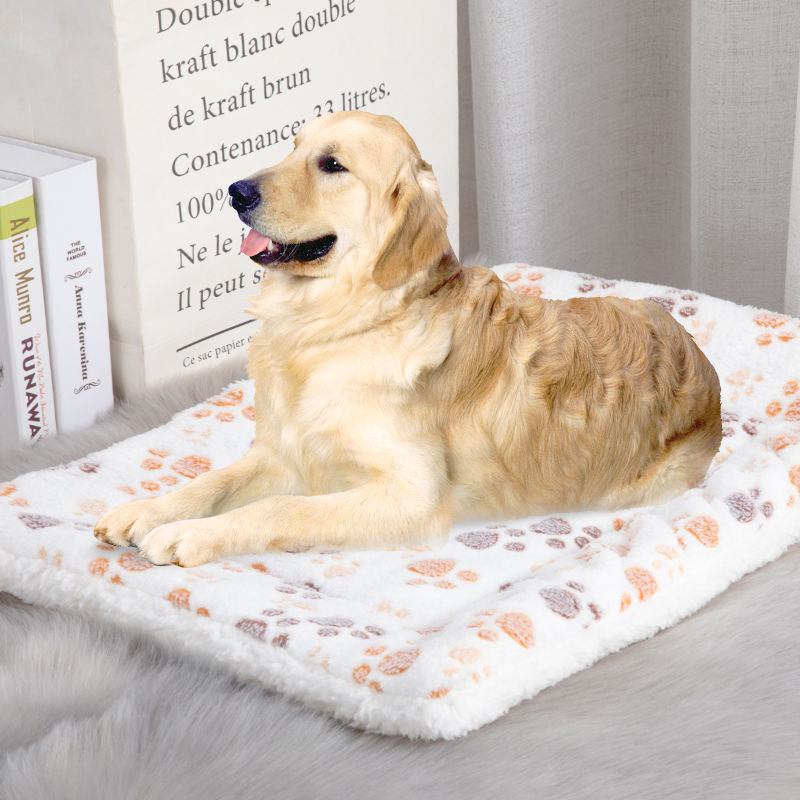
If you plan to crate train your puppy, a crate mat is essential. These mats are designed to fit inside a crate and provide a comfortable surface for your puppy to lie on. Look for mats that are easy to clean and durable enough to withstand chewing. Many crate mats are also designed to be non-slip, ensuring they stay in place even when your puppy is moving around. Additionally, a good crate mat can help your puppy associate their crate with comfort and safety, making the training process smoother.
Elevated Beds
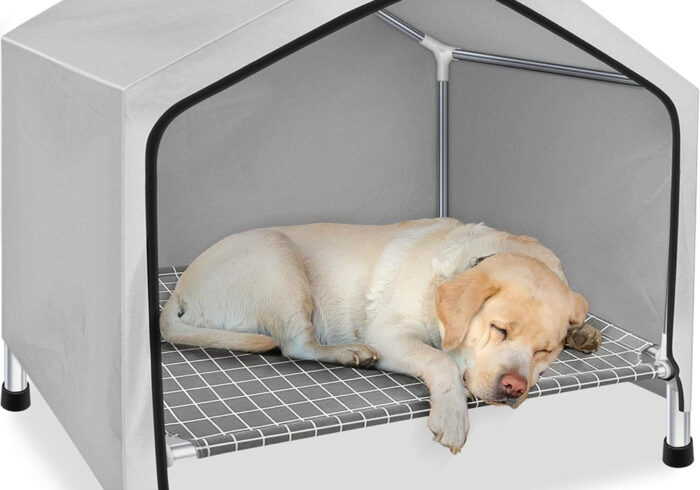
Elevated beds are a great option for puppies that tend to chew or dig. These beds are raised off the ground, which can help keep your puppy cool in warmer weather and prevent them from damaging the bed. They are also easy to clean and maintain, making them a practical choice for active puppies. Elevated beds can also be beneficial for outdoor use, as they keep your puppy off the ground and away from dirt and moisture. Moreover, these beds often feature breathable materials that promote airflow, helping to keep your puppy comfortable during hot summer days.
Washable Beds
Puppies can be messy, so choosing a bed with a removable, washable cover is a smart choice. This feature allows you to keep the bed clean and fresh, which is essential for your puppy’s health. Look for beds with machine-washable covers that can withstand frequent washing without losing their shape or comfort. Some beds even come with waterproof liners to protect the inner materials from accidents. Regular washing not only keeps the bed hygienic but also helps prevent odors and allergens from accumulating.
Choosing the Right Size
Measuring Your Puppy
To find the right size bed for your puppy, measure their length from the tip of their nose to the base of their tail. Add a few inches to this measurement to ensure they have enough space to stretch out comfortably. For example, if your puppy measures 20 inches, consider a bed that is at least 24 inches long. Additionally, consider the width of the bed; it should be wide enough for your puppy to turn around comfortably.
Growth Considerations
Keep in mind that puppies grow quickly. If you’re purchasing a bed for a breed that will grow significantly larger, consider buying a bed that will accommodate their adult size. However, ensure it’s not too large for them to feel secure. A bed that is too big can make a puppy feel lost and anxious. It’s often a good idea to choose a bed that is slightly larger than their current size but not excessively so.
Thickness and Support
The thickness of the bed is also an important consideration. Generally, thicker beds provide more support and comfort, especially for larger breeds. If your puppy is particularly active or has a tendency to jump around, a thicker bed can help absorb impact and provide better support for their joints. Look for beds that offer a balance between comfort and support, ensuring your puppy can rest well. A bed that is too thin may not provide adequate cushioning, leading to discomfort.
Material Matters
Durability
Puppies are known for their energy and curiosity, which can lead to destructive behavior. Look for beds made from durable materials that can withstand chewing and scratching. Fabrics like canvas or heavy-duty nylon are often good choices. Additionally, consider beds with reinforced seams to prevent ripping. A durable bed can save you money in the long run, as it will last longer and require fewer replacements. Investing in a high-quality bed can also prevent the frustration of having to replace a bed frequently.
Comfort
The bed should be comfortable for your puppy. Look for materials that provide cushioning and support, such as memory foam or thick padding. Soft fabrics like fleece or cotton can also enhance comfort. A bed with bolsters can provide additional support for your puppy’s head and neck, making it a cozy spot for them to rest. Comfort is especially important for puppies, as they are still developing and need a supportive surface to promote healthy growth.
Hypoallergenic Options
If your puppy has allergies or sensitive skin, consider hypoallergenic materials. These fabrics are less likely to irritate your puppy’s skin and can help reduce allergic reactions. Cotton and certain synthetic materials are often hypoallergenic and easy to clean. Additionally, some brands offer beds specifically designed for dogs with allergies, featuring materials that resist dust mites and other allergens. Choosing hypoallergenic options can significantly improve your puppy’s quality of life, especially if they are prone to skin issues.
Maintenance Tips
Regular Cleaning
To keep your puppy’s bed fresh and hygienic, establish a regular cleaning routine. Wash removable covers weekly and spot clean any stains as soon as they occur. This practice not only keeps the bed smelling good but also helps prevent the buildup of allergens and bacteria. Regular cleaning is especially important for puppies, as they are more prone to accidents and messes. A clean bed contributes to your puppy’s overall health and well-being.
Inspect for Damage
Regularly check the bed for signs of wear and tear. If you notice any rips or damage, repair or replace the bed to ensure your puppy’s safety and comfort. A damaged bed can pose a choking hazard or lead to injuries. Look for frayed edges, loose seams, or any signs that the bed is no longer providing adequate support. Addressing these issues promptly can prevent further damage and ensure your puppy has a safe place to rest.
Rotate Beds
If you have multiple beds, consider rotating them to give each one a chance to air out and stay fresh. This practice can also help prevent your puppy from developing a preference for one specific bed, encouraging them to use all available sleeping areas. Rotating beds can also help extend their lifespan, as it reduces wear on any single bed. This strategy can be particularly useful if you have multiple pets, as it allows each pet to have access to a clean and comfortable resting place.
Additional Considerations
Seasonal Changes
Consider the changing seasons when selecting a bed. In warmer months, an elevated bed or one made from breathable materials can help keep your puppy cool. In colder months, a bed with a thicker, insulated cover can provide warmth and comfort. Some beds even come with removable heating pads for extra warmth during winter. Being mindful of seasonal changes can help ensure your puppy remains comfortable year-round.
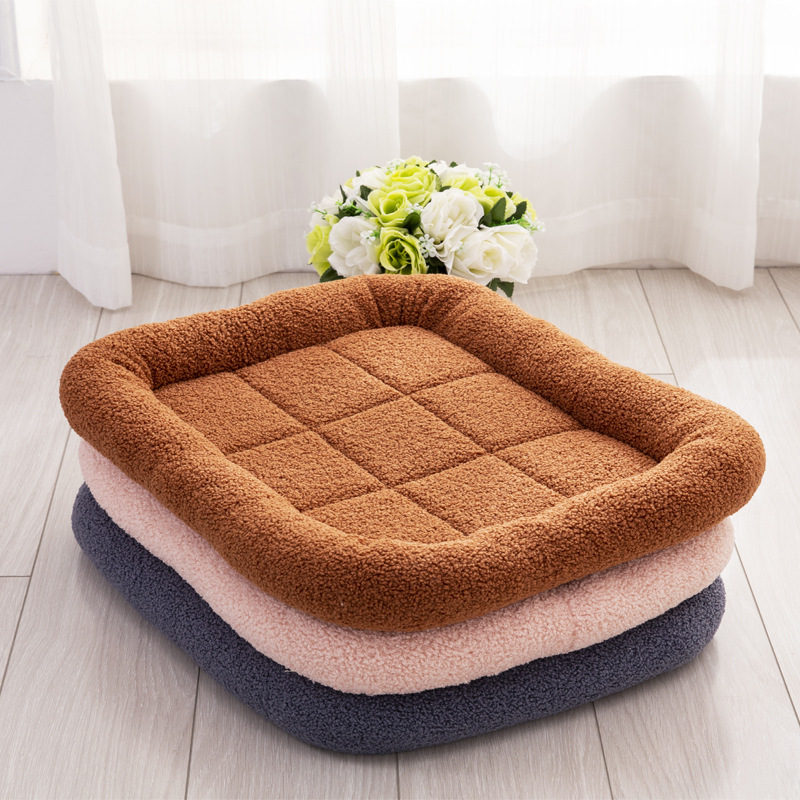
Travel Needs
If you travel frequently with your puppy, consider a portable bed that is easy to pack and transport. Look for lightweight options that can be easily rolled up or folded. A travel bed should also be easy to clean, as it may encounter dirt and debris during your adventures. Some travel beds are designed to be waterproof, making them ideal for outdoor use. Having a travel bed can make trips more enjoyable for both you and your puppy, providing them with a familiar and comfortable place to rest.
Puppy Training
Training your puppy to use their bed can take time and patience. Encourage them to use their bed by placing treats or toys on it. You can also use positive reinforcement when they lie down in their bed. Consistency is key; make sure to guide them back to their bed whenever they wander off. Establishing a routine can help your puppy understand that their bed is a safe and comfortable place. Training your puppy to use their bed can also help with crate training, as it reinforces the idea that their bed is a designated space for rest.
Eco-Friendly Options
As more pet owners become environmentally conscious, eco-friendly puppy beds are gaining popularity. Look for beds made from sustainable materials, such as organic cotton or recycled plastics. These options not only reduce your carbon footprint but also provide a safe sleeping environment for your puppy. Many eco-friendly beds are designed to be durable and easy to clean, ensuring they last while being kind to the planet. Choosing eco-friendly products can also set a positive example for your children and promote a more sustainable lifestyle.
Customization
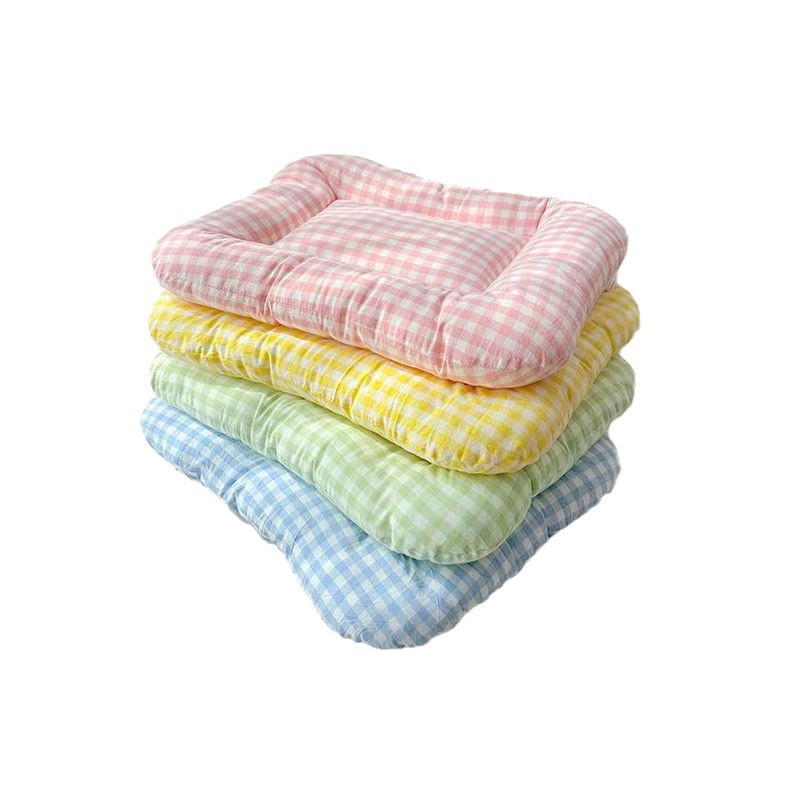
Some pet owners may want to customize their puppy’s bed to better suit their pet’s needs. This can include adding extra padding, selecting specific colors or patterns, or even personalizing the bed with your puppy’s name. Customization can enhance your puppy’s comfort and make their bed feel more like their own space. Many companies offer customizable options, allowing you to create a bed that perfectly fits your puppy’s personality and your home decor.
Conclusion
Choosing the right bed for your puppy is an important decision that can impact their comfort, health, and happiness. By considering factors such as size, material, and style, you can find a bed that meets your puppy’s needs and fits your lifestyle. Remember to maintain the bed regularly to ensure it remains a safe and comfortable space for your furry friend. Investing in a quality bed is an investment in your puppy’s well-being, providing them with a cozy retreat where they can rest and recharge. A well-chosen bed not only enhances your puppy’s quality of life but also strengthens the bond between you and your pet.
How to purchase:Online B2B sourcing platform, China purchase, Chinese suppliers – LooperBuy
Frequently Asked Questions
1. What size bed should I get for my puppy?
Choose a bed that allows your puppy to stretch out comfortably. Measure your puppy from nose to tail and add a few inches for extra space.
2. How often should I wash my puppy’s bed?
It’s best to wash your puppy’s bed cover weekly and spot clean any stains as needed to keep it hygienic.
3. What materials are best for a puppy bed?
Look for durable, easy-to-clean materials like canvas or heavy-duty nylon. Soft fabrics like fleece or cotton can enhance comfort.
4. Can I use a human bed for my puppy?
While it’s possible, it’s better to use a bed designed for dogs, as they provide the necessary support and comfort for your puppy.
5. How can I help my puppy get used to their new bed?
Encourage your puppy to use their bed by placing treats or toys on it. You can also use positive reinforcement when they lie down in their bed.
HOT TAG: puppy bed selection, best dog beds, puppy comfort, durable materials, orthopedic support, washable covers, eco-friendly options, crate training tips, puppy anxiety solutions, pet care essentials, travel dog beds, custom pet beds, seasonal pet care, puppy training techniques, pet hygiene practices, dog ownership advice, comfortable sleeping space, puppy growth support, pet-friendly home, safe sleeping environment.