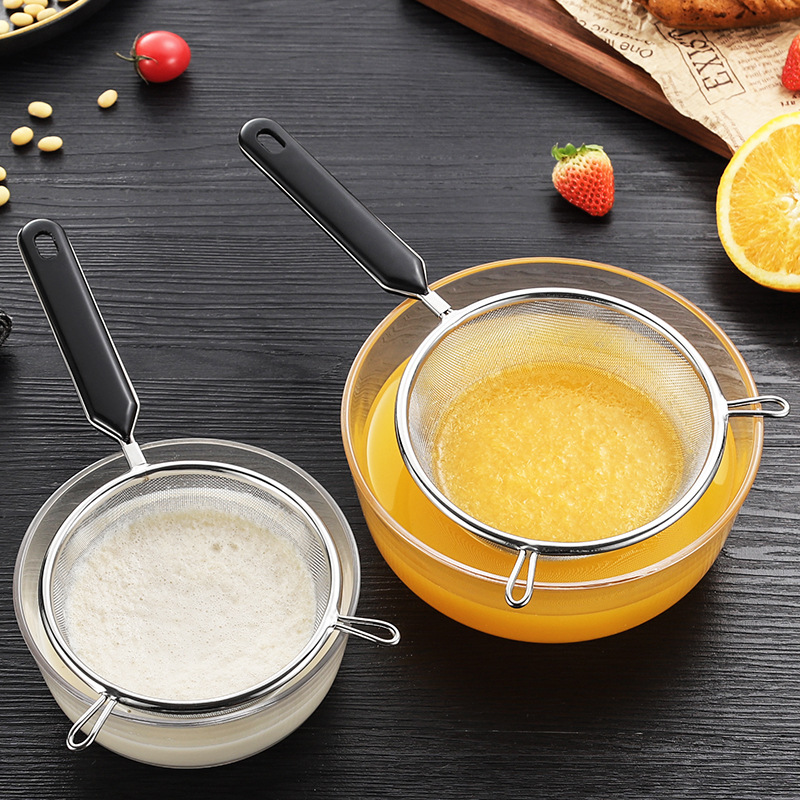
In the world of culinary arts, the right tools can make all the difference. Among these essential tools, colanders stand out as versatile kitchenware that every home cook should have. Whether you’re rinsing fresh produce, draining pasta, or straining stocks, a colander is an indispensable ally in the kitchen. This article explores the various types of colanders available, their unique features, and how to choose the right one for your cooking needs.
Table of Contents
Understanding Colanders: A Kitchen Essential
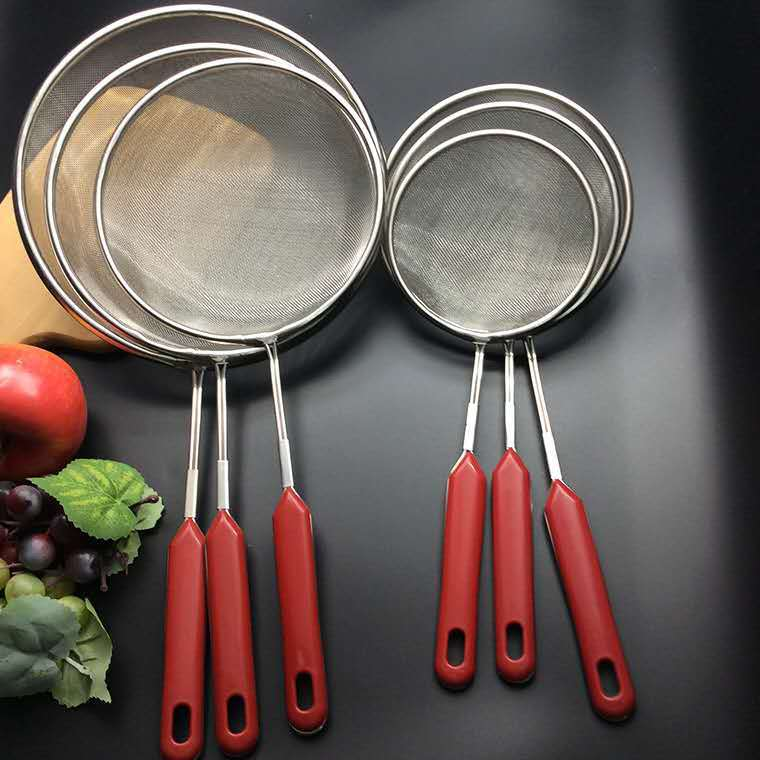
What is a Colander?
A colander is a kitchen utensil used for draining liquids from food. It typically features a bowl-like shape with holes or perforations that allow water to escape while retaining the food inside. Colanders come in various materials, sizes, and designs, making them suitable for a wide range of culinary tasks.
The History of Colanders
The use of colanders dates back to ancient times. Early versions were made from materials like clay and metal, designed to serve the same purpose as modern colanders. Over the years, the design and materials have evolved, but the fundamental function remains unchanged. Today, colanders are made from stainless steel, plastic, silicone, and other materials, each offering unique benefits.
Types of Colanders
1. Stainless Steel Colanders
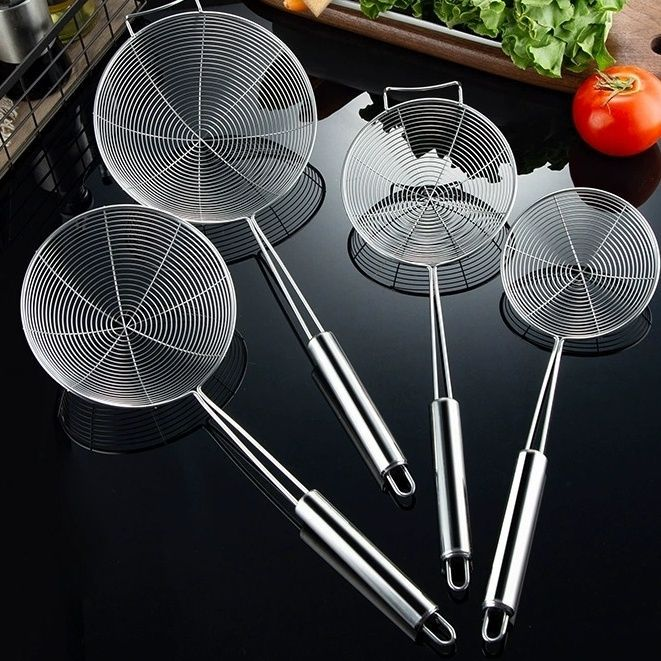
Stainless steel colanders are popular for their durability and resistance to rust and corrosion. They are often dishwasher safe and can withstand high temperatures, making them ideal for draining hot pasta or vegetables. Their sleek design also adds a modern touch to any kitchen. Additionally, stainless steel colanders are less likely to retain odors or stains, making them a hygienic choice for food preparation.
Advantages of Stainless Steel Colanders
- Durability: Stainless steel is known for its strength and longevity, making it a worthwhile investment for any kitchen.
- Heat Resistance: These colanders can handle hot foods without warping or melting, unlike some plastic options.
- Easy to Clean: Most stainless steel colanders are dishwasher safe, and they resist staining and odors.
2. Plastic Colanders
Plastic colanders are lightweight and often come in vibrant colors, making them a favorite for casual cooks. They are typically less expensive than their metal counterparts and are perfect for rinsing fruits and vegetables. However, they may not be suitable for very hot foods, as high temperatures can warp the plastic. When choosing a plastic colander, look for BPA-free options to ensure safety and durability.
Advantages of Plastic Colanders
- Affordability: Plastic colanders are generally more budget-friendly, making them accessible for all cooks.
- Variety of Colors: They come in a wide range of colors and designs, allowing you to match them with your kitchen decor.
- Lightweight: Their lightweight nature makes them easy to handle, especially for children or those with limited strength.
3. Silicone Colanders
Silicone colanders are a newer addition to the kitchenware market. They are collapsible, making them easy to store in small spaces. Silicone is heat-resistant and flexible, allowing for easy pouring and draining. These colanders are perfect for those who prioritize convenience and space-saving solutions. Moreover, silicone colanders are often available in various colors and designs, adding a fun element to your kitchen.
Advantages of Silicone Colanders
- Space-Saving: Their collapsible design allows for easy storage in drawers or cabinets.
- Flexibility: Silicone colanders can be bent and shaped, making it easier to pour out contents without spilling.
- Heat Resistance: They can withstand high temperatures, making them suitable for draining hot foods.
4. Over-the-Sink Colanders
For those with limited counter space, over-the-sink colanders are a game-changer. These colanders feature expandable handles that rest on the edges of the sink, allowing for easy draining without taking up valuable workspace. They are particularly useful for draining pasta or washing large quantities of produce. Some models even come with integrated measuring cups, making them multifunctional tools in the kitchen.
Advantages of Over-the-Sink Colanders
- Maximized Space: They free up counter space, making them ideal for small kitchens.
- Convenience: Draining directly over the sink reduces mess and makes cleanup easier.
- Versatility: Many models can be adjusted to fit different sink sizes, enhancing their usability.
Choosing the Right Colander
Consider Your Cooking Habits
When selecting a colander, consider how you plan to use it. If you frequently cook pasta, a larger stainless steel colander may be ideal. For washing fruits and vegetables, a smaller plastic or silicone colander could suffice. Additionally, if you often prepare meals for a crowd, investing in a larger colander can save you time and effort.
Material Matters
The material of the colander affects its durability and usability. Stainless steel is best for heavy-duty tasks, while plastic is suitable for lighter use. Silicone offers flexibility and ease of storage, making it a great option for those with limited kitchen space. When choosing a material, also consider how often you will use the colander and the types of foods you will be draining.
Size and Capacity
Colanders come in various sizes, from small ones for rinsing berries to large ones for draining spaghetti. Choose a size that fits your cooking needs. If you often prepare meals for a crowd, opt for a larger colander. Conversely, if you primarily cook for one or two people, a smaller colander may be more practical.
Design Features
Look for colanders with features that enhance usability, such as ergonomic handles for easy lifting, a sturdy base to prevent tipping, and a design that allows for efficient draining. Some colanders even come with integrated measuring cups or bowls for added convenience. Additionally, consider colanders with non-slip bases or feet to ensure stability during use.
Maintenance and Care
Cleaning Your Colander
Most colanders are dishwasher safe, but it’s always best to check the manufacturer’s instructions. For those that require hand washing, use warm soapy water and a soft sponge to avoid scratching the surface. Rinse thoroughly to remove any soap residue. For stubborn stains or odors, a mixture of baking soda and water can be effective in restoring your colander’s appearance.
Best Practices for Cleaning and Maintaining Different Types of Colanders
- Stainless Steel: To maintain the shine and prevent water spots, dry immediately after washing. Avoid using abrasive cleaners that can scratch the surface.
- Plastic: Check for any warping or discoloration over time. Avoid exposing plastic colanders to high heat, as this can cause them to lose shape.
- Silicone: Silicone colanders can be cleaned with warm soapy water or placed in the dishwasher. Ensure they are completely dry before storing to prevent mold growth.
- Over-the-Sink: Regularly check the expandable handles for wear and tear, and clean any crevices where food particles may accumulate.
Storing Your Colander
To maximize space in your kitchen, consider how you store your colander. Collapsible silicone colanders can be easily tucked away in a drawer, while stainless steel models can be hung or stacked with other kitchenware. If you have multiple colanders, consider organizing them by size or material for easy access.
Innovative Uses for Colanders
Beyond Draining
While colanders are primarily used for draining, they can serve multiple purposes in the kitchen. Here are some innovative uses:
- Steaming Vegetables: Place a colander over a pot of boiling water to steam vegetables. The holes allow steam to circulate while keeping the food contained. This method is particularly effective for delicate vegetables like asparagus or broccoli.
- Washing Greens: Use a colander to rinse leafy greens thoroughly. The holes ensure that dirt and debris are washed away. For best results, fill the colander with greens, rinse under cold water, and gently shake to remove excess moisture.
- Cooling Baked Goods: After baking, place cookies or pastries in a colander to cool. The airflow helps prevent sogginess. This method is especially useful for items like muffins or cupcakes that benefit from a quick cooling process.
- Draining Canned Foods: Use a colander to drain canned beans or vegetables. This method allows you to rinse off excess sodium and improve the flavor of your dishes.
Creative Uses for Colanders
Colanders can also be used creatively in food presentation. For instance, serving a salad in a colander can add a rustic touch to your dining table. Additionally, they can be used as decorative pieces when filled with fruits or herbs. A colander filled with fresh herbs can serve as a beautiful centerpiece, while a colander displaying seasonal fruits can enhance your kitchen decor.
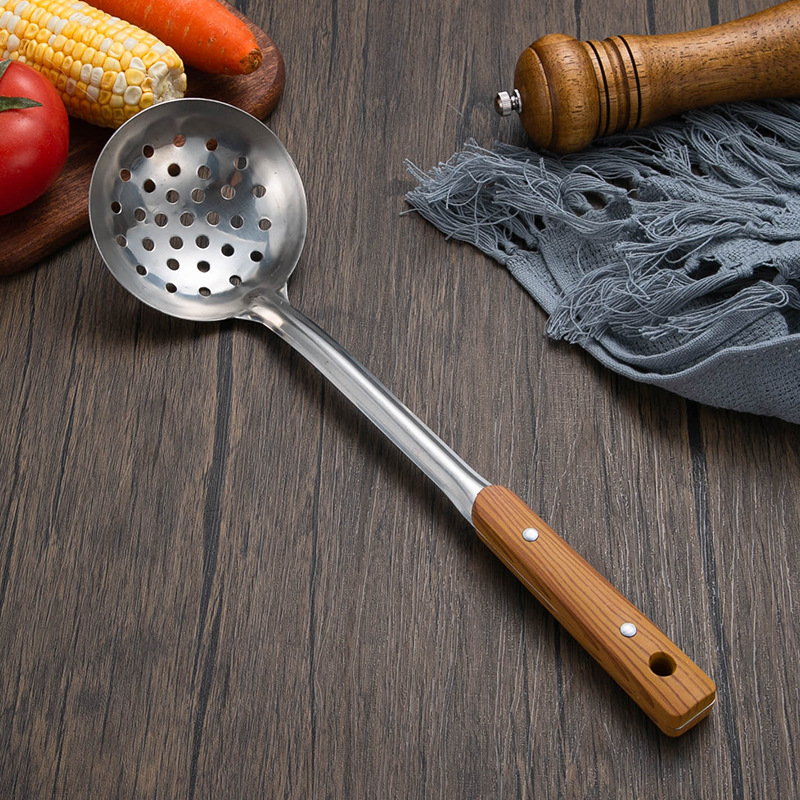
Other Creative Applications
- Planters: Old colanders can be repurposed as unique planters for herbs or flowers. The drainage holes allow excess water to escape, preventing root rot.
- Kitchen Utensil Holder: Use a colander to store kitchen utensils. The holes provide ventilation, keeping utensils dry and organized.
- Fruit Bowl: A colander can serve as a stylish fruit bowl, allowing air to circulate around the fruit, which can help keep it fresh longer.
The Future of Colander Technology
As kitchenware continues to evolve, colanders are also seeing innovative designs and features that enhance their usability. Some emerging trends include:
1. Smart Colanders
With the rise of smart kitchen technology, some manufacturers are developing colanders that integrate with apps to help track food preparation times or suggest recipes based on the ingredients being drained. These smart colanders can enhance the cooking experience by providing real-time feedback and tips.
2. Multi-Functional Designs
Modern colanders are increasingly being designed to serve multiple purposes. For example, some colanders now come with built-in graters or slicers, allowing users to prepare ingredients in one tool. This not only saves time but also reduces the number of dishes that need to be cleaned.
3. Eco-Friendly Materials
As sustainability becomes a priority for many consumers, manufacturers are exploring eco-friendly materials for colanders. Biodegradable plastics and recycled materials are being used to create colanders that are both functional and environmentally friendly.
Common Questions About Colanders
What are the best colander materials for different cooking tasks?
The best material for a colander depends on the specific cooking task. For draining hot pasta, stainless steel is ideal due to its heat resistance and durability. For rinsing fruits and vegetables, a plastic or silicone colander is often sufficient, as they are lightweight and easy to handle. If you need a colander for steaming, a stainless steel or silicone option is best, as they can withstand high temperatures.
How do over-the-sink colanders maximize kitchen space and efficiency?
Over-the-sink colanders maximize kitchen space by utilizing the area above the sink, freeing up valuable counter space. They allow for easy draining of pasta or washing of produce without the need for additional bowls or containers. This design also minimizes mess, as any excess water drains directly into the sink, making cleanup quicker and more efficient.
What innovative colander designs are emerging to enhance usability?
Innovative colander designs include features such as collapsible structures for easy storage, integrated measuring cups for convenience, and smart technology that connects to apps for tracking cooking times. Some colanders now come with adjustable handles to fit various sink sizes, while others incorporate non-slip bases for added stability during use.
Conclusion
Colanders are more than just simple kitchen tools; they are versatile assets that enhance your cooking experience. By understanding the different types of colanders available and their unique features, you can choose the right one to suit your culinary needs. Whether you opt for a stainless steel model for durability, a plastic one for convenience, or a silicone colander for space-saving, having a colander in your kitchen is essential for efficient cooking.
How to purchase:Online B2B sourcing platform, China purchase, Chinese suppliers – LooperBuy
Frequently Asked Questions
1. What is the best material for a colander?
The best material depends on your needs. Stainless steel is durable and heat-resistant, while plastic is lightweight and colorful. Silicone is flexible and collapsible, making it great for storage.
2. Can I use a colander for steaming vegetables?
Yes, you can use a colander to steam vegetables by placing it over a pot of boiling water. The steam will circulate through the holes, cooking the vegetables evenly.
3. How do I clean my colander?
Most colanders are dishwasher safe. If washing by hand, use warm soapy water and a soft sponge, then rinse thoroughly to remove any soap residue.
4. Are silicone colanders safe for hot foods?
Yes, silicone colanders are heat-resistant and can safely handle hot foods, making them suitable for draining pasta or vegetables.
5. Can I use a colander for food presentation?
Absolutely! Colanders can be used creatively for food presentation, such as serving salads or displaying fruits, adding a rustic touch to your table.
HOT TAG: colander kitchenware, kitchen essentials, cooking tools, food preparation, kitchen organization, versatile kitchenware, stainless steel colanders, silicone colanders, over-the-sink colanders, innovative kitchen uses, smart kitchen technology, eco-friendly kitchenware, multi-functional colanders, creative kitchen solutions, culinary tools, kitchen gadgets, food draining solutions, cooking efficiency, modern kitchenware, sustainable kitchen products.