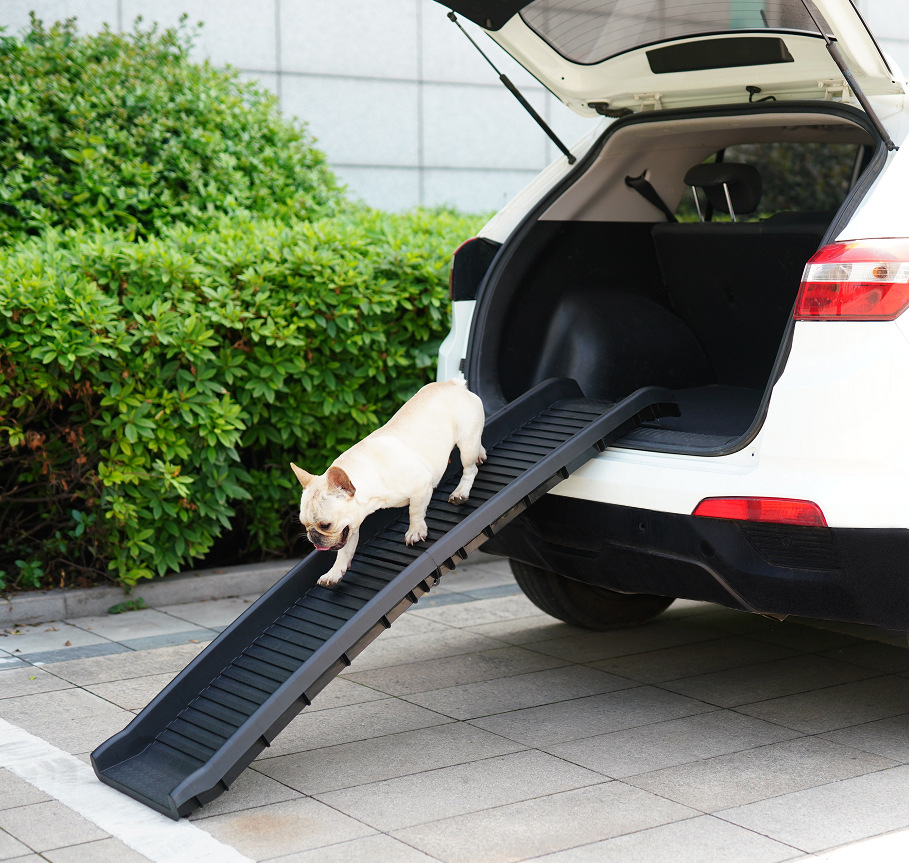
As pet owners, we strive to provide our furry friends with the utmost comfort and safety. One often overlooked accessory that can significantly enhance your pet’s quality of life is a pet bed ramp. These ramps are not just practical; they can also be a stylish addition to your home. In this article, we will explore the benefits of pet bed ramps, how to choose the right one, and tips for training your pet to use it effectively.
Table of Contents
Understanding Pet Bed Ramps
What is a Pet Bed Ramp?
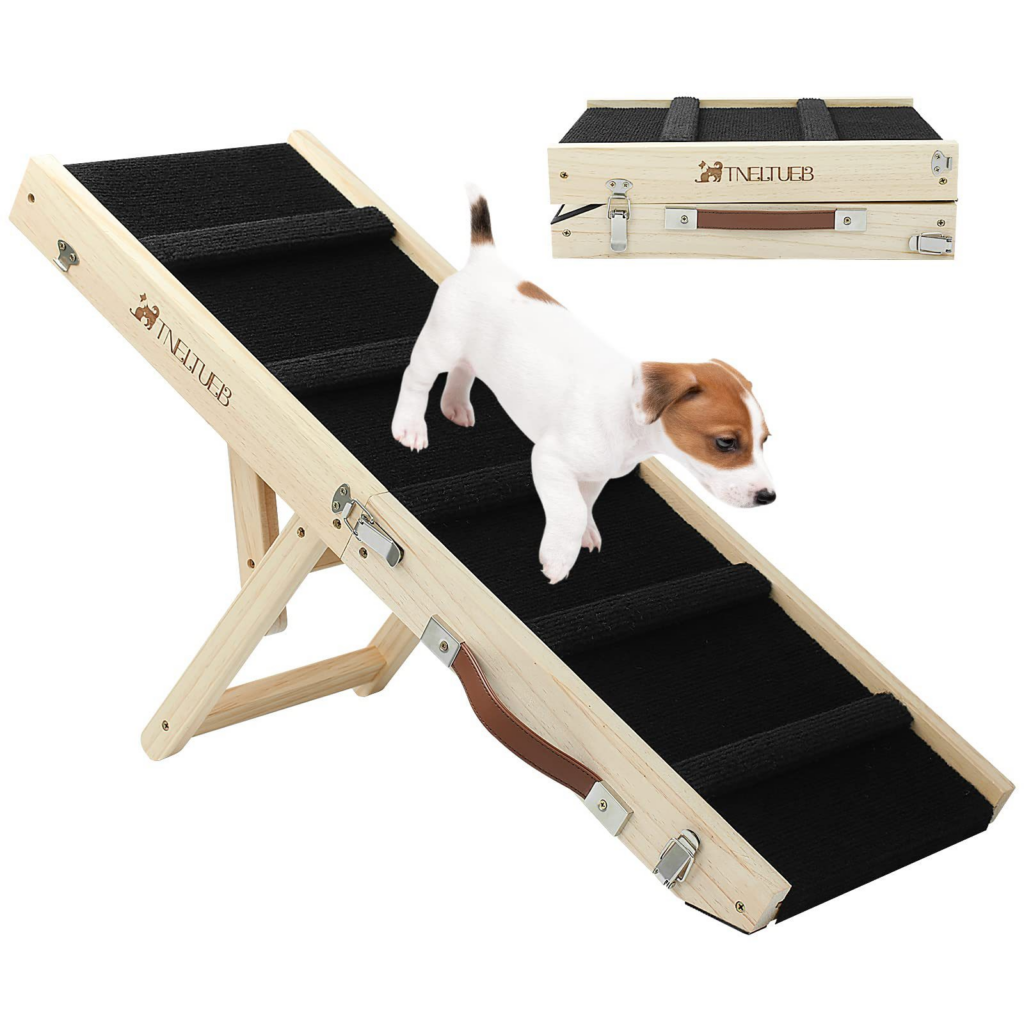
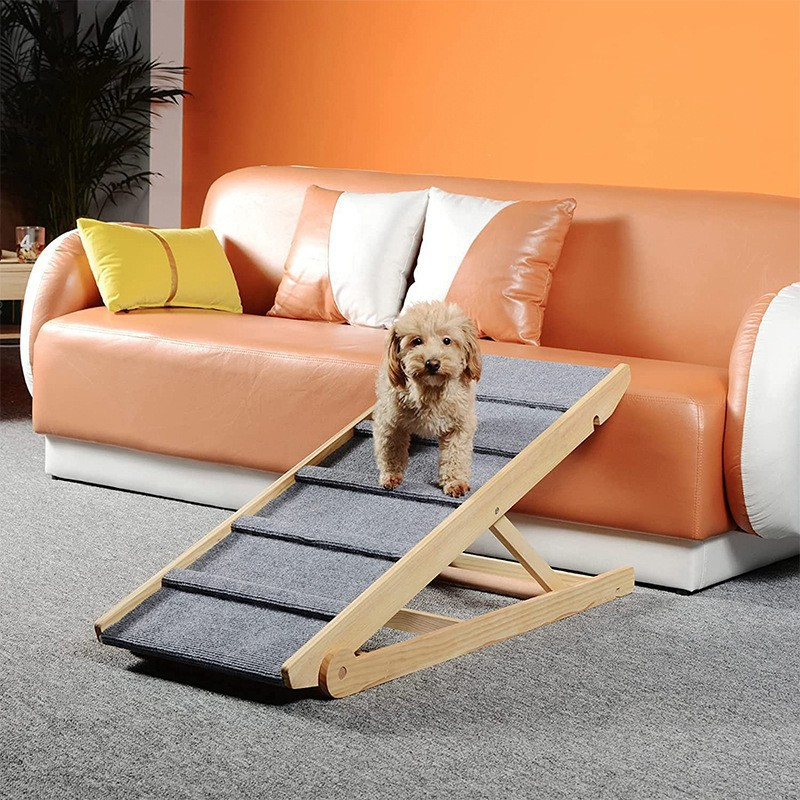
A pet bed ramp is a sloped surface designed to help pets, especially those with mobility issues, reach elevated areas such as beds or couches. These ramps are particularly beneficial for small dogs, senior pets, or those recovering from surgery. By providing a gentle incline, pet bed ramps reduce the risk of injury and strain on your pet’s joints.
Why Use a Pet Bed Ramp?
- Joint Health: Pets, especially older ones, can suffer from arthritis or other joint issues. A ramp allows them to access their favorite spots without jumping, which can exacerbate these conditions.
- Safety: Jumping off high surfaces can lead to injuries such as sprains or fractures. A ramp provides a safer alternative, allowing pets to ascend and descend with ease.
- Independence: For pets that struggle to jump, a ramp can restore their independence, allowing them to come and go as they please without needing assistance.
- Convenience for Owners: A ramp can save pet owners from having to lift their pets onto beds or couches, which can be particularly helpful for larger breeds.
- Enhanced Quality of Life: By providing your pet with a ramp, you are enhancing their quality of life. They can enjoy their favorite spots without the pain or fear associated with jumping. This improvement can lead to a happier, more active pet.
Choosing the Right Pet Bed Ramp
Size and Height
When selecting a pet bed ramp, consider the height of the bed or couch. The ramp should be long enough to create a gentle slope, making it easier for your pet to climb. A steeper ramp may be more challenging for pets, especially those with mobility issues. Generally, a ramp should have a length that is at least 1.5 times the height of the surface it leads to.
Material
Pet bed ramps come in various materials, including wood, plastic, and metal. Wooden ramps are often more aesthetically pleasing and sturdy, while plastic ramps can be lighter and easier to move. Consider your home decor and your pet’s weight when choosing the material.
- Wood: Wooden ramps are durable and can support heavier pets. They often come in various finishes, allowing them to blend seamlessly with your home decor. However, they can be heavier and less portable than other materials.
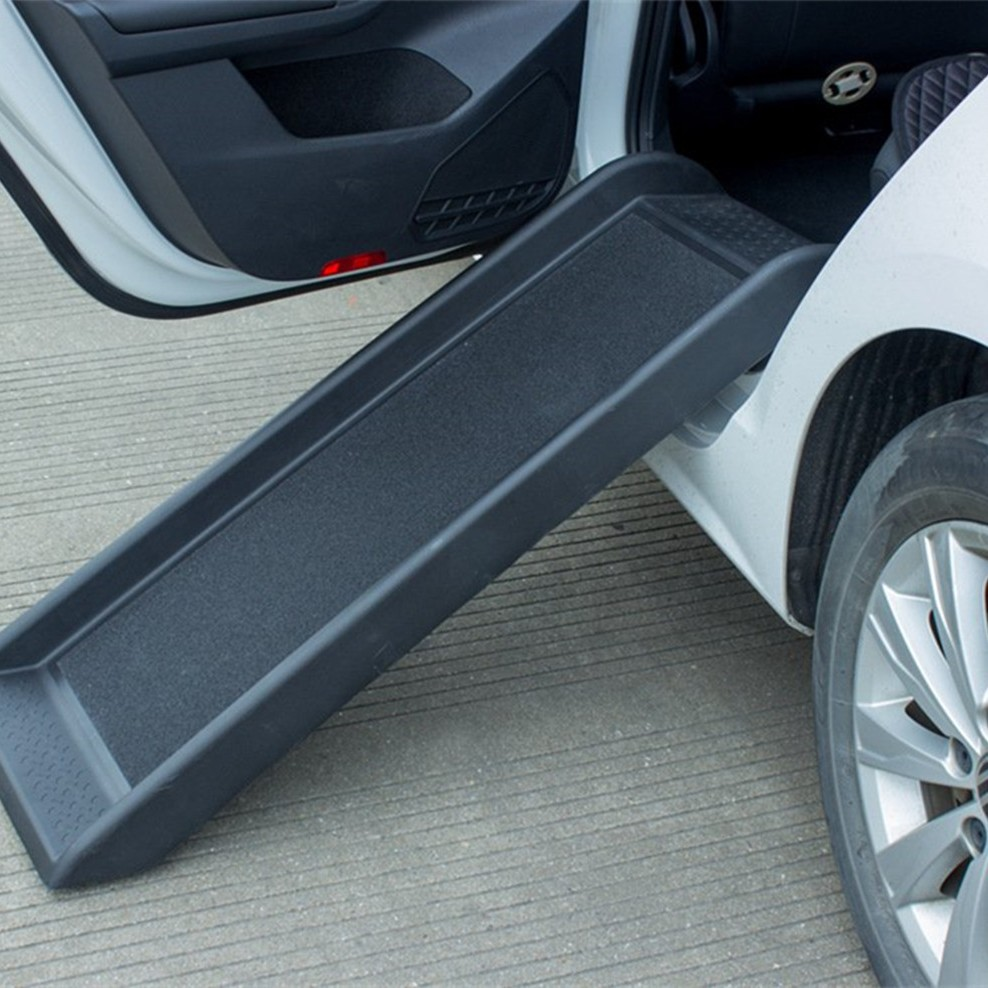
- Plastic: Lightweight and often foldable, plastic ramps are easy to store and transport. They are typically less expensive but may not support as much weight as wooden ramps.
- Metal: Metal ramps are incredibly sturdy and can support larger breeds. However, they may not be as aesthetically pleasing and can be heavier than other options.
Surface Texture
The surface of the ramp should provide good traction to prevent slipping. Look for ramps with a non-slip surface or those that come with carpet or rubber grips. This feature is especially important for pets with short legs or those that may be hesitant to use the ramp.
Weight Capacity
Ensure that the ramp you choose can support your pet’s weight. Most ramps will specify a weight limit, so check this before making a purchase. If you have multiple pets or a larger breed, opt for a ramp with a higher weight capacity.
Portability
If you plan to move the ramp between different locations in your home, consider a lightweight and foldable design. This feature allows for easy storage and transport, making it convenient for both you and your pet.
Training Your Pet to Use the Ramp
Introduction to the Ramp
When introducing your pet to the ramp, patience is key. Start by placing the ramp in a familiar location, such as next to their bed or couch. Allow your pet to explore the ramp at their own pace. Use treats and positive reinforcement to encourage them to approach and sniff the ramp.
Encouraging Use
Once your pet is comfortable with the ramp, you can begin encouraging them to use it. Place treats at the top of the ramp to motivate them to climb. You can also use their favorite toy as an incentive. If your pet is hesitant, try guiding them up the ramp gently, using a leash if necessary.
Practice Makes Perfect
Consistency is crucial when training your pet to use the ramp. Practice several times a day, gradually increasing the height of the ramp if possible. Celebrate their successes with praise and treats to reinforce positive behavior.
Addressing Fears
If your pet shows signs of fear or reluctance, do not force them to use the ramp. Instead, take a step back and allow them to acclimate to the ramp’s presence. You can also try placing the ramp on a flat surface to reduce any perceived height.
Benefits of Using a Pet Bed Ramp
Enhanced Quality of Life
By providing your pet with a ramp, you are enhancing their quality of life. They can enjoy their favorite spots without the pain or fear associated with jumping. This improvement can lead to a happier, more active pet.
Reduced Stress for Owners
For pet owners, a ramp can alleviate the stress of lifting pets, especially those that are heavy or squirmy. It allows for a more relaxed environment where pets can come and go freely.
Aesthetic Appeal
Many pet bed ramps are designed with aesthetics in mind. They can complement your home decor while providing a functional solution for your pet’s needs. Whether you choose a sleek wooden ramp or a colorful plastic one, there are options to suit every style.
Versatility
Pet bed ramps are not just for beds; they can also be used for couches, cars, and other elevated surfaces. This versatility makes them a valuable addition to any pet owner’s toolkit. You can use them in various locations, ensuring your pet has safe access wherever they go.
Cost-Effectiveness
Investing in a pet bed ramp can save you money in the long run. By preventing injuries related to jumping, you can avoid costly vet bills. Additionally, a ramp can extend the life of your furniture by reducing wear and tear caused by pets jumping on and off.
Creative Ways to Integrate a Pet Ramp into Your Home Decor
Choosing the Right Color and Style
When selecting a ramp, consider the color and style that will best fit your home. Many manufacturers offer ramps in various finishes, from natural wood to painted options. Choose a ramp that complements your existing furniture and decor.
Customizing Your Ramp
If you’re feeling crafty, consider customizing your pet ramp. You can paint it to match your decor or add decorative elements like stencils or decals. This personal touch can make the ramp a stylish addition to your home rather than an eyesore.
Using the Ramp as a Design Element
Instead of hiding the ramp away, consider using it as a design element. Place it in a prominent location where it can be seen and appreciated. You can even style the area around the ramp with pet-friendly decor, such as cushions or throws, to create a cozy nook for your pet.
Multi-Functional Furniture
Some pet ramps are designed to double as furniture, such as a side table or shelf. This dual functionality can help save space while providing your pet with the access they need. Look for ramps that incorporate storage or seating to maximize your living area.
Understanding Ramp Angles and Sizes
What are the Best Ramp Angles for Different Sized Dogs?
The angle of the ramp is crucial for ensuring that your pet can use it comfortably. For smaller dogs or those with mobility issues, a gentler slope is ideal. A ramp angle of about 18 to 20 degrees is generally recommended for small breeds. For larger dogs, a steeper angle of up to 30 degrees may be acceptable, but it’s essential to ensure that the ramp is still manageable for them.
Measuring the Correct Length
To determine the correct length for your ramp, measure the height of the bed or couch and multiply that by 1.5 to 2. This calculation will give you the ideal length for a comfortable incline. For example, if your bed is 24 inches high, a ramp length of 36 to 48 inches would be appropriate.
How Pet Ramps Help with Arthritis and Joint Pain
Alleviating Stress on Joints
For pets suffering from arthritis or joint pain, using a ramp can significantly reduce the stress placed on their joints. Jumping can cause sudden impacts that may exacerbate their condition, while a ramp allows for a smooth transition to elevated surfaces. This gentle approach can help manage their pain and improve their overall mobility.
Encouraging Regular Activity
By making it easier for pets to access their favorite spots, ramps can encourage them to remain active. Regular movement is essential for maintaining joint health, and a ramp can facilitate this by allowing pets to move freely without the fear of injury.
Additional Considerations for Pet Owners
Regular Maintenance of the Ramp
To ensure the longevity and safety of your pet bed ramp, regular maintenance is essential. Check for any signs of wear and tear, such as loose screws or damaged surfaces. Clean the ramp periodically to remove dirt and debris that could affect traction. If the ramp has a removable cover, wash it according to the manufacturer’s instructions to keep it fresh and hygienic.
Choosing the Right Time to Introduce the Ramp
Timing can play a significant role in how well your pet adapts to a new ramp. If your pet is recovering from surgery or experiencing a flare-up of joint pain, it may be best to wait until they are feeling better before introducing the ramp. On the other hand, if your pet is energetic and curious, they may be more willing to explore the ramp sooner.
Observing Your Pet’s Behavior
Pay attention to how your pet interacts with the ramp. If they seem hesitant or fearful, take a step back and allow them to approach it at their own pace. Some pets may require more time to adjust than others, and it’s essential to be patient and supportive throughout the process.
Consulting with a Veterinarian
If you have concerns about your pet’s mobility or joint health, consult with your veterinarian. They can provide guidance on whether a ramp is appropriate for your pet and recommend specific features to look for based on their individual needs.
Conclusion
In conclusion, a pet bed ramp is an invaluable addition to any pet-friendly home. It promotes safety, independence, and comfort for your furry friends while also providing convenience for their owners. By understanding the features to look for and how to train your pet to use the ramp, you can ensure that your pet enjoys their elevated spaces without the risk of injury.
Investing in a pet bed ramp not only enhances your pet’s quality of life but also contributes to a more harmonious living environment. With the right ramp, your pet can enjoy their favorite spots safely and comfortably, allowing for more snuggles and happy moments together.
How to purchase:Online B2B sourcing platform, China purchase, Chinese suppliers – LooperBuy
Frequently Asked Questions
1. How do I know if my pet needs a ramp?
If your pet struggles to jump onto furniture or shows signs of discomfort when doing so, a ramp may be beneficial. Additionally, older pets or those with joint issues are prime candidates for using a ramp.
2. Can I use a ramp for both dogs and cats?
Yes, pet bed ramps can be used for both dogs and cats. Just ensure that the ramp is appropriately sized for your pet’s weight and height.
3. How do I clean a pet bed ramp?
Most ramps can be cleaned with a damp cloth and mild soap. If the ramp has a removable cover, check the manufacturer’s instructions for washing guidelines.
4. Are there ramps specifically designed for small dogs?
Yes, many manufacturers offer ramps specifically designed for small dogs, featuring shorter heights and gentler slopes to accommodate their size.
5. Can I build my own pet bed ramp?
Absolutely! Many DIY plans are available online, allowing you to create a custom ramp that fits your specific needs and style preferences.
HOT TAG: pet bed ramp, pet safety solutions, dog ramp features, enhancing pet mobility, pet care essentials, joint health support, pet training tips, stylish pet accessories, DIY pet ramp ideas, pet comfort enhancements, ramps for senior pets, pet-friendly home decor, choosing the right ramp, pet independence solutions, improving pet quality of life, safe access for pets, ramp maintenance tips, pet health and wellness, creative pet ramp designs, functional pet furniture