The global shipping fleet is a vital component of international trade, facilitating the movement of goods across oceans and connecting economies worldwide. As the backbone of global commerce, the shipping industry has evolved significantly over the years, adapting to technological advancements, regulatory changes, and shifting market demands. This article explores the intricacies of the global shipping fleet, its current state, challenges, and future prospects.
Table of Contents
Understanding the Global Shipping Fleet
What Constitutes the Global Shipping Fleet?
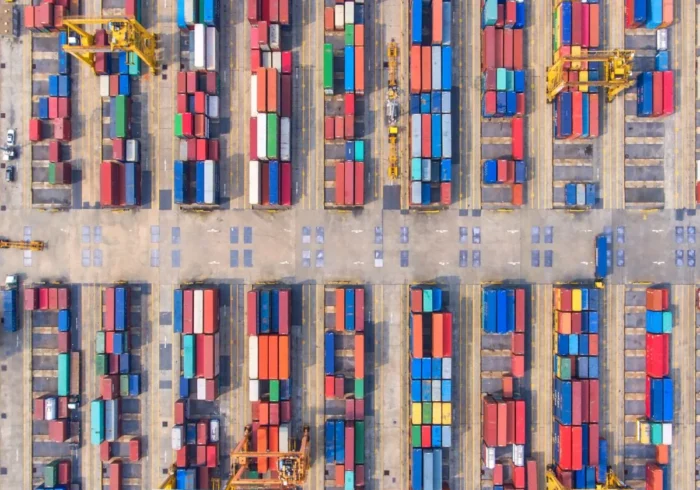
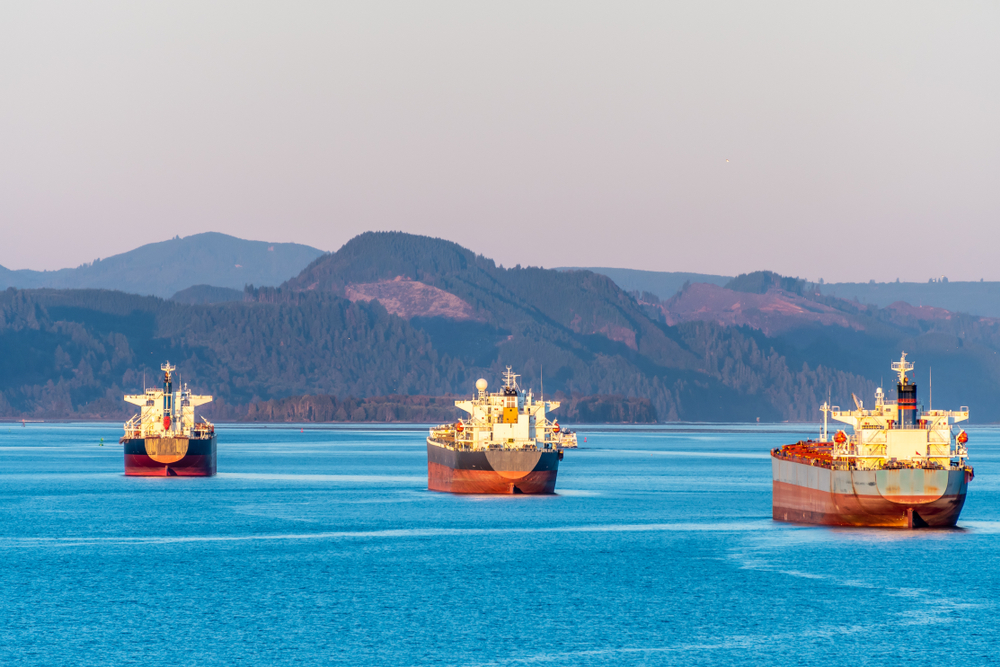
The global shipping fleet comprises various types of vessels, including container ships, bulk carriers, oil tankers, and general cargo ships. Each category serves a specific purpose in the transportation of goods. For instance, container ships are designed to carry standardized cargo containers, while bulk carriers transport unpackaged bulk cargo such as coal, grain, and minerals.
As of 2023, the global merchant fleet consists of over 118,000 vessels, with a total gross tonnage exceeding 1.4 billion tons. This fleet is crucial for the transportation of approximately 90% of the world’s goods, highlighting its importance in the global economy.
Key Players in the Shipping Industry
The shipping industry is dominated by several key players, including countries with significant maritime capabilities. Nations like Greece, Japan, and China have some of the largest fleets, with Greece leading in deadweight tonnage (DWT). The DWT is a measure of a ship’s carrying capacity, indicating how much weight it can safely transport.
- Greece: With a fleet size of approximately 364 million DWT, Greece accounts for nearly 18% of the world’s total capacity. The country’s rich maritime history and strategic location in the Mediterranean have contributed to its dominance in shipping.
- Japan: Ranking second, Japan’s fleet has a DWT of around 233 million, representing about 11% of global capacity. The country’s advanced shipbuilding technology and strong maritime regulations bolster its position in the industry.
- China: As a major player in shipbuilding, China has rapidly expanded its fleet, focusing on container and bulk carriers. The country’s investment in maritime infrastructure has positioned it as a leader in the global shipping market.
The Evolution of the Global Shipping Fleet
Historical Context
The history of maritime trade dates back thousands of years, with ancient civilizations relying on ships to transport goods across seas. The modern shipping industry began to take shape in the 19th century with the advent of steam-powered vessels, which significantly increased shipping efficiency and capacity.
The introduction of containerization in the mid-20th century revolutionized the industry. Standardized containers allowed for faster loading and unloading, reducing turnaround times in ports and lowering shipping costs. This innovation paved the way for the growth of global trade, as it became easier and more economical to transport goods internationally.
Technological Advancements
In recent years, technological advancements have further transformed the shipping industry. The development of larger and more efficient vessels has increased the capacity of the global fleet. For example, ultra-large container ships (ULCS) can carry over 20,000 TEUs (twenty-foot equivalent units), significantly reducing the cost per container transported.
Moreover, advancements in navigation and communication technologies have improved safety and efficiency in maritime operations. The use of satellite tracking systems allows for real-time monitoring of vessels, enhancing route planning and fuel efficiency.
Latest Innovations in Ship Design for Fuel Efficiency
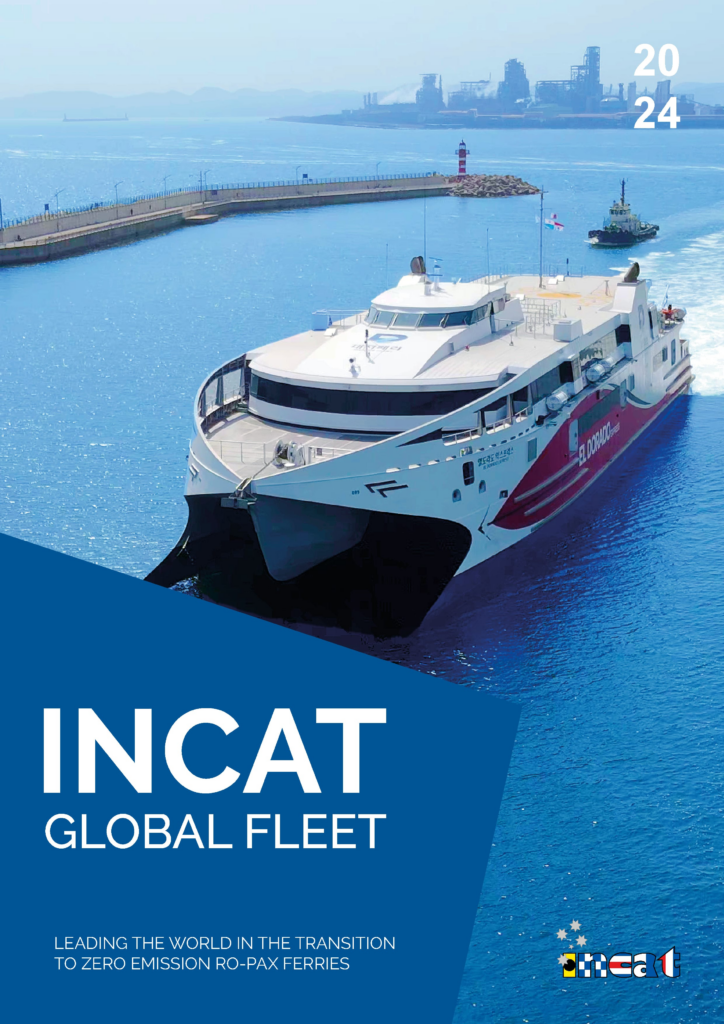
As the shipping industry faces increasing pressure to reduce its environmental impact, innovations in ship design have become crucial. The Energy Efficiency Design Index (EEDI) and the Ship Energy Efficiency Management Plan (SEEMP) have been implemented to promote energy efficiency in new ships. These regulations encourage shipbuilders to adopt advanced technologies that enhance fuel efficiency.
- Air Lubrication Systems: These systems create a layer of bubbles beneath the hull, reducing friction between the ship and water, which leads to lower fuel consumption. This technology has been adopted by several shipping companies to improve efficiency.
- Fuel-Saving Propeller Attachments: Innovations such as the Hi-FIN device, which is attached to the propeller hub, help to counteract the swirls generated by the propeller, improving propulsion efficiency.
- Wind-Assisted Propulsion: Some modern vessels are equipped with sails or rotor sails that harness wind power to supplement engine propulsion, thereby reducing fuel consumption.
- Alternative Fuels: The use of liquefied natural gas (LNG) and other alternative fuels is gaining traction as a means to lower emissions. Dual-fuel engines that can switch between traditional fuels and LNG are becoming more common.
- Hull Modifications: Ship designs are increasingly incorporating bulbous bows and other hydrodynamic features that optimize water flow around the vessel, further enhancing fuel efficiency.
These innovations not only help in meeting regulatory requirements but also contribute to significant cost savings for shipping companies.
Current Challenges Facing the Global Shipping Fleet
Environmental Regulations
As concerns about climate change grow, the shipping industry faces increasing pressure to reduce its environmental impact. The International Maritime Organization (IMO) has set ambitious targets to cut greenhouse gas emissions from shipping by at least 50% by 2050 compared to 2008 levels. This has prompted shipowners to invest in cleaner technologies, such as alternative fuels and energy-efficient designs.
Supply Chain Disruptions
The COVID-19 pandemic exposed vulnerabilities in global supply chains, leading to significant disruptions in shipping operations. Port congestion, labor shortages, and increased demand for goods have resulted in delays and higher shipping costs. The industry is still grappling with the aftermath of these disruptions, which have highlighted the need for greater resilience and flexibility in supply chain management.
Geopolitical Tensions
Geopolitical tensions can also impact the global shipping fleet. Trade disputes, sanctions, and conflicts can disrupt shipping routes and increase operational risks. For instance, the ongoing tensions in the South China Sea have raised concerns about the safety of maritime trade in the region, prompting some shipping companies to reconsider their routes and operations.
The Future of the Global Shipping Fleet
Embracing Sustainability
The future of the global shipping fleet will likely be shaped by a greater emphasis on sustainability. Shipowners are increasingly exploring alternative fuels, such as liquefied natural gas (LNG), hydrogen, and biofuels, to reduce emissions. Additionally, the adoption of energy-efficient technologies, such as wind-assisted propulsion and hull modifications, is expected to gain traction.
Digital Transformation
Digitalization is set to revolutionize the shipping industry further. The integration of artificial intelligence (AI), big data, and the Internet of Things (IoT) will enhance operational efficiency and decision-making. For example, predictive analytics can optimize route planning and fuel consumption, while blockchain technology can improve transparency and security in supply chain transactions.
Evolving Market Dynamics
As global trade continues to evolve, the shipping industry must adapt to changing market dynamics. The rise of e-commerce and shifts in consumer behavior are driving demand for faster and more flexible shipping solutions. Companies that can innovate and respond to these changes will be better positioned to thrive in the competitive landscape.
The Impact of Global Economic Trends on the Demand for Shipping Services
The demand for shipping services is intricately linked to global economic trends, which can significantly influence the volume and nature of maritime trade. As economies fluctuate, so too does the demand for shipping, driven by factors such as consumer spending, trade policies, and geopolitical developments.
Economic Growth and Shipping Demand
The Correlation Between GDP and Shipping Volume
One of the most direct indicators of shipping demand is the growth of a country’s Gross Domestic Product (GDP). When economies expand, consumer spending typically increases, leading to higher demand for goods. This, in turn, drives up the need for shipping services to transport these goods across borders. Conversely, during economic downturns, demand for shipping services often declines as businesses cut back on inventory and consumers reduce spending.
For instance, the OECD has projected a slowdown in global GDP growth, which is expected to impact freight demand negatively. As economic growth forecasts are revised downwards, businesses may adopt more cautious inventory strategies, leading to reduced shipping volumes. This trend was evident in 2025, where a projected GDP growth of only 2.9% indicated a cautious approach to inventory management among global importers.
Trade Policies and Tariffs
Trade policies, including tariffs and trade agreements, play a crucial role in shaping shipping demand. For example, ongoing trade tensions, particularly between major economies like the United States and China, have led to uncertainty in global trade strategies. Tariffs can increase the cost of goods, prompting businesses to reconsider their supply chains and shipping routes.
In response to these challenges, many companies have turned to bonded warehouses to delay duties and gain flexibility in rerouting goods. This shift indicates a strategic adaptation to the changing landscape of global trade, which can directly affect shipping demand. As companies navigate these complexities, the demand for logistics services, including customs-compliant warehousing, has risen.
Geopolitical Factors
The Influence of Geopolitical Tensions
Geopolitical tensions can have a profound impact on shipping demand. Conflicts, sanctions, and political instability can disrupt established trade routes and create uncertainty in the shipping market. For instance, the ongoing US-China trade conflict has not only affected tariffs but has also led to a reevaluation of supply chains, with companies seeking to diversify their sourcing strategies to mitigate risks.
The volatility in geopolitical relations often results in fluctuating shipping rates and demand. As companies adapt to these changes, they may increase their reliance on shipping services that can navigate these complexities, thereby influencing overall demand.
Natural Disasters and Climate Change
Natural disasters and climate change also play a role in shaping shipping demand. Extreme weather events can disrupt shipping routes, leading to delays and increased costs. Additionally, as climate change continues to impact global weather patterns, shipping companies may need to adapt their operations to ensure resilience against these challenges.
The shipping industry is increasingly recognizing the need for sustainable practices to mitigate its environmental impact. This shift towards sustainability can influence demand as consumers and businesses alike prioritize eco-friendly shipping options.
Changing Consumer Behaviors
The Rise of E-commerce
The surge in e-commerce has had a profound impact on the logistics industry, forcing companies to adapt and innovate to meet the changing demands of consumers. One of the most significant effects has been the increased demand for speed and efficiency in logistics operations. Consumers now expect faster delivery times, with many online retailers offering same-day or next-day shipping. To meet these expectations, logistics companies must streamline their processes and leverage advanced technology to optimize their operations.
The convenience and variety offered by online shopping platforms have made them increasingly attractive to consumers worldwide. This shift has led to a growing expectation for transparency in shipping processes, with consumers wanting real-time updates on their orders. Companies that can provide this level of service are likely to gain a competitive edge in the market.
Environmental Consciousness
Today’s consumers are becoming more environmentally conscious, with many willing to pay a premium for sustainable shipping options. Research indicates that a significant percentage of shoppers prefer brands that demonstrate a commitment to sustainability. This trend is prompting logistics companies to rethink their strategies and find innovative ways to minimize their environmental impact.
For instance, businesses are increasingly investing in eco-friendly packaging and carbon-neutral shipping options. This shift not only meets consumer demand but also aligns with regulatory pressures to reduce emissions and promote sustainability in the shipping industry.
Future Outlook
Anticipating Changes in Shipping Demand
Looking ahead, the demand for shipping services is expected to remain influenced by a combination of economic, geopolitical, and technological factors. As global trade patterns continue to evolve, shipping companies will need to adapt to changing market dynamics.
The rise of e-commerce and shifts in consumer behavior are driving demand for faster and more flexible shipping solutions. Companies that can innovate and respond to these changes will be better positioned to thrive in the competitive landscape.
Preparing for Economic Uncertainty
In an environment characterized by economic uncertainty, shipping companies must remain agile and responsive to market changes. This includes investing in technology, diversifying service offerings, and developing strategies to navigate geopolitical risks. By doing so, they can better position themselves to meet the evolving demands of global trade.
Conclusion
The demand for shipping services is closely tied to global economic trends, which can significantly influence the volume and nature of maritime trade. Factors such as GDP growth, trade policies, geopolitical tensions, and technological advancements all play a crucial role in shaping the shipping landscape. As the industry navigates these complexities, it must remain adaptable and innovative to meet the challenges and opportunities that lie ahead.
As you navigate the evolving landscape of global shipping and consumer demands, discover unbeatable deals and convenient shopping options that cater to your needs at LooperBuy. Explore now: LooperBuy.
Frequently Asked Questions
1. How does GDP growth affect shipping demand?
GDP growth typically leads to increased consumer spending, which drives up demand for goods and, consequently, shipping services.
2. What role do trade policies play in shipping demand?
Trade policies, including tariffs and trade agreements, can significantly impact shipping demand by altering the cost and flow of goods across borders.
3. How do geopolitical tensions influence shipping?
Geopolitical tensions can disrupt trade routes and create uncertainty, leading to fluctuations in shipping demand and rates.
4. What technological advancements are shaping the shipping industry?
Technological advancements such as digitalization, automation, and the use of alternative fuels are enhancing efficiency and reducing costs in the shipping industry.
5. What is the future of shipping demand?
The future of shipping demand will be influenced by economic, geopolitical, and technological factors, with a focus on sustainability and adaptability to changing market dynamics.
HOT TAG: global shipping fleet, maritime trade dynamics, container shipping innovations, fuel efficiency technologies, sustainable shipping practices, environmental regulations in shipping, digital transformation in maritime industry, international trade agreements, supply chain resilience, autonomous shipping advancements, port infrastructure development, geopolitical impacts on shipping, alternative fuels for vessels, e-commerce shipping trends, shipping industry challenges.