Ice packs are essential accessories for keeping food fresh and safe in lunch boxes. Whether for school, work, or picnics, ice packs help maintain the right temperature for perishable items, ensuring that meals remain delicious and safe to eat. This article will explore the different types of ice packs, their benefits, how to choose the right one, and tips for effective use.
Table of Contents
Understanding Ice Packs
What Are Ice Packs?
Ice packs are portable cooling devices designed to keep food and beverages cold. They are typically filled with a gel or liquid that freezes and retains cold temperatures for extended periods. Ice packs come in various shapes, sizes, and materials, making them suitable for different applications, including lunch boxes, coolers, and medical use.
How Do Ice Packs Work?
Ice packs work by absorbing heat from their surroundings. When placed in a lunch box or cooler, the cold temperature of the ice pack helps lower the overall temperature inside the container. This process slows down the growth of bacteria in perishable foods, keeping them safe for consumption.
Types of Ice Packs
Gel Ice Packs
Gel ice packs are filled with a non-toxic gel that freezes solid and retains cold temperatures for an extended period. They are flexible, allowing them to conform to the shape of the items they are cooling. Gel ice packs are popular for lunch boxes because they are lightweight and easy to store.
Hard Ice Packs
Hard ice packs are typically made of plastic and filled with a liquid that freezes solid. They are more rigid than gel packs and can provide a longer-lasting cooling effect. However, they may take up more space in a lunch box compared to gel packs.
Reusable Ice Packs
Reusable ice packs are designed for multiple uses. They can be refrozen after each use, making them an eco-friendly option. Many reusable ice packs are made from durable materials that can withstand repeated freezing and thawing without losing effectiveness.
Disposable Ice Packs
Disposable ice packs are single-use products that are activated by squeezing or shaking. They are often used for temporary cooling needs, such as transporting food for a short period. While convenient, disposable ice packs are not as environmentally friendly as reusable options.
Benefits of Using Ice Packs in Lunch Boxes
Food Safety
One of the primary benefits of using ice packs in lunch boxes is food safety. Keeping perishable items at the right temperature helps prevent the growth of harmful bacteria, reducing the risk of foodborne illnesses. This is especially important for items like dairy, meats, and prepared meals.
Freshness and Quality
Ice packs help maintain the freshness and quality of food. By keeping items cool, ice packs prevent wilting, spoilage, and changes in texture or flavor. This ensures that meals remain enjoyable and nutritious when it’s time to eat.
Convenience
Using ice packs in lunch boxes adds convenience to meal preparation. They allow for the packing of a wider variety of foods, including salads, sandwiches, and dairy products, without worrying about spoilage. This flexibility makes it easier to prepare balanced meals for school or work.
Cost-Effectiveness
Investing in ice packs can be cost-effective in the long run. By keeping food fresh and safe, you can reduce food waste and save money on groceries. Additionally, using ice packs can help you prepare meals at home, reducing the need for expensive takeout options.
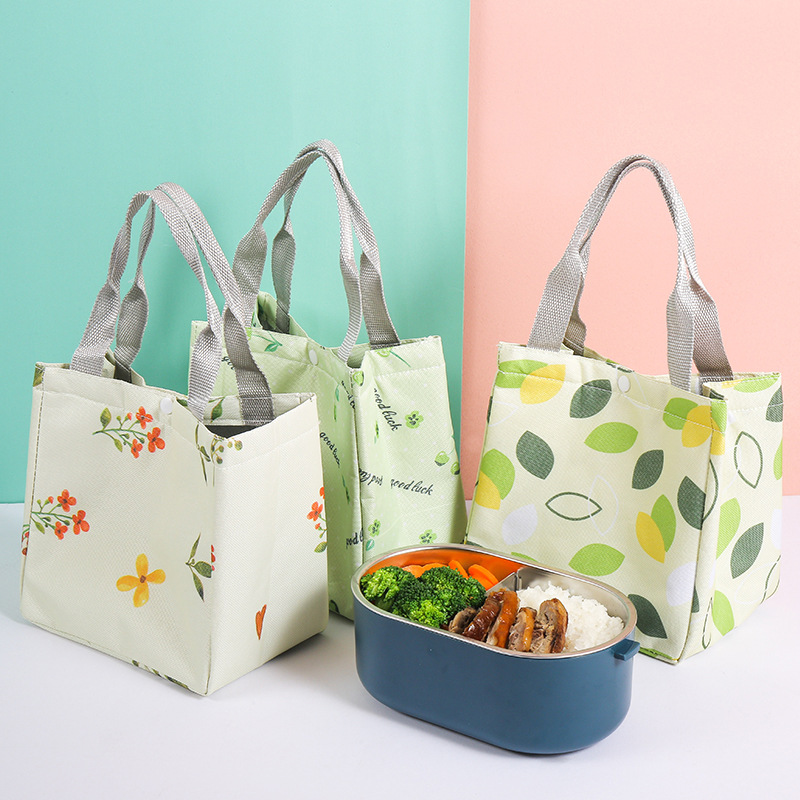
Choosing the Right Ice Pack
Size and Shape
When selecting an ice pack, consider the size and shape that will best fit your lunch box. Ice packs come in various dimensions, so choose one that can easily fit alongside your food items without taking up too much space. Some ice packs are designed to fit into specific compartments of lunch boxes, while others are more versatile.
Cooling Duration
Different ice packs offer varying cooling durations. If you need to keep food cold for an extended period, look for ice packs that provide longer-lasting cooling effects. Gel packs typically retain cold temperatures longer than hard ice packs, making them a popular choice for lunch boxes.
Material and Durability
Consider the materials used in the ice pack’s construction. Look for durable, non-toxic materials that can withstand repeated freezing and thawing. High-quality ice packs are less likely to leak or break, ensuring reliable performance over time.
Ease of Use
Choose ice packs that are easy to use and maintain. Look for packs that can be easily refrozen and cleaned. Some ice packs come with removable covers that can be washed, while others can be wiped down for quick cleaning.
Tips for Using Ice Packs in Lunch Boxes
Proper Placement
To maximize the effectiveness of ice packs, place them strategically in the lunch box. Position the ice pack on top of perishable items to create a cold barrier. This helps maintain a lower temperature for the food below, ensuring freshness.
Use Multiple Ice Packs
For larger lunch boxes or when packing multiple perishable items, consider using more than one ice pack. This will help distribute the cold more evenly and maintain a lower overall temperature throughout the lunch box.
Pre-Chill the Lunch Box
Before packing your lunch, pre-chill the lunch box by placing it in the refrigerator or freezer for a short time. This will help enhance the cooling effect of the ice packs and keep your food colder for longer.
Monitor Temperature
If possible, use a food thermometer to monitor the temperature of perishable items in the lunch box. Ideally, perishable foods should be kept at or below 40°F (4°C) to ensure safety. If the temperature rises above this level, consider adding more ice packs or using a larger cooler.
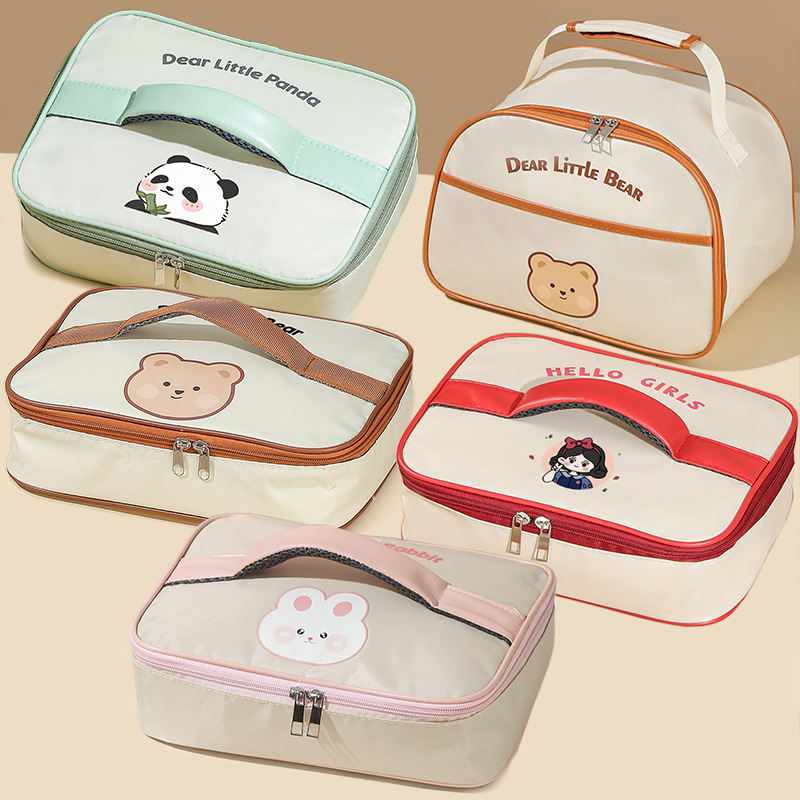
Conclusion
Ice packs are essential tools for keeping food fresh and safe in lunch boxes. By understanding the different types of ice packs, their benefits, and how to choose and use them effectively, you can ensure that your meals remain delicious and safe to eat. Investing in quality ice packs can enhance your lunch packing experience and promote healthier eating habits.
How to purchase:Online B2B sourcing platform, China purchase, Chinese suppliers – LooperBuy
Frequently Asked Questions
1. What types of ice packs are best for lunch boxes?
Gel ice packs are popular for lunch boxes due to their flexibility and long-lasting cooling effects. Hard ice packs are also effective but may take up more space.
2. How long do ice packs last in a lunch box?
The duration of cooling depends on the type of ice pack and the ambient temperature. Gel packs typically last longer than hard packs, often keeping food cold for several hours.
3. Can I reuse ice packs?
Yes, most ice packs are designed for multiple uses. Simply refreeze them after each use to maintain their cooling capabilities.
4. How should I store ice packs when not in use?
Store ice packs in a cool, dry place, and keep them in the freezer so they are ready for use when packing lunches.
5. How can I prevent ice packs from leaking?
Choose high-quality ice packs made from durable materials. Regularly inspect them for signs of wear and replace any damaged packs to prevent lea.
HOT TAG: ice packs for lunch boxes, food safety, keeping food fresh, reusable ice packs, lunch packing tips, cooling duration, ice pack types, proper placement, meal prep solutions, convenience in lunch boxes