Toys play a crucial role in the development and growth of young children. They not only provide entertainment but also contribute to cognitive, physical, and social development. This article explores the various types of toys suitable for young children, their benefits, safety considerations, and tips for choosing the right toys for your little ones.
Table of Contents
The Importance of Toys in Child Development
Cognitive Development
Toys stimulate cognitive development by encouraging children to explore, experiment, and learn. Educational toys, such as puzzles and building blocks, promote problem-solving skills and critical thinking. These toys challenge children to think creatively and develop their reasoning abilities.
Physical Development
Toys also play a significant role in physical development. Active toys, such as balls and ride-on vehicles, encourage children to engage in physical play, helping to develop their motor skills and coordination. Fine motor skills can be enhanced through toys that require manipulation, such as stacking rings or shape sorters.
Social and Emotional Development
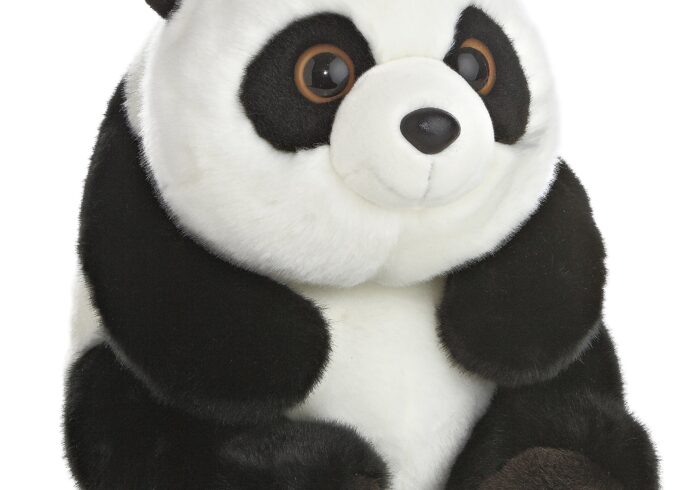
Playing with toys provides opportunities for social interaction and emotional growth. Children learn to share, take turns, and cooperate with others while playing together. Role-playing toys, such as dolls and action figures, allow children to express their emotions and understand different social scenarios.
Types of Toys for Young Children
Educational Toys
Educational toys are designed to promote learning and development. They often focus on specific skills, such as language, math, or science. Examples include:
- Puzzles: Help develop problem-solving skills and hand-eye coordination.
- Building Blocks: Encourage creativity and spatial awareness.
- Counting Games: Introduce basic math concepts in a fun way.
Active Toys
Active toys encourage physical play and movement. They are essential for developing gross motor skills and promoting a healthy lifestyle. Examples include:
- Balls: Great for throwing, catching, and kicking, promoting coordination and teamwork.
- Ride-On Toys: Help develop balance and strength while providing hours of fun.
- Trampolines: Encourage jumping and active play, improving fitness levels.
Creative Toys
Creative toys inspire imagination and artistic expression. They allow children to explore their creativity and develop fine motor skills. Examples include:
- Art Supplies: Crayons, markers, and paints encourage artistic expression.
- Craft Kits: Provide materials for creating various projects, fostering creativity and problem-solving.
- Musical Instruments: Introduce children to music and rhythm, enhancing auditory skills.
Role-Playing Toys
Role-playing toys allow children to engage in imaginative play, helping them understand the world around them. Examples include:
- Dolls and Action Figures: Encourage storytelling and social interaction.
- Play Kitchens: Allow children to mimic cooking and household activities, fostering creativity and role-playing.
- Costumes: Enable children to dress up and act out different characters, enhancing their imagination.
Sensory Toys
Sensory toys are designed to stimulate the senses and promote exploration. They are particularly beneficial for young children, as they help develop sensory processing skills. Examples include:
- Textured Toys: Provide different tactile experiences, encouraging exploration.
- Musical Toys: Engage auditory senses and promote rhythm and sound recognition.
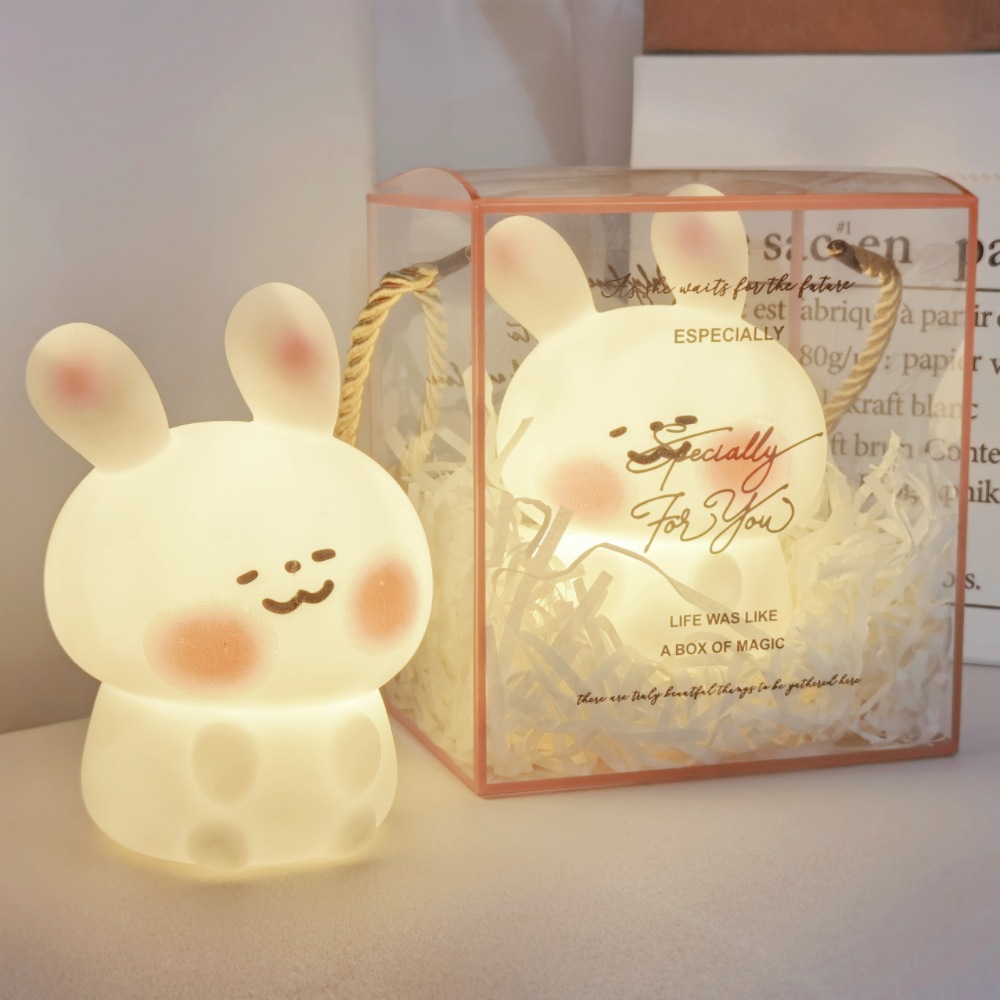
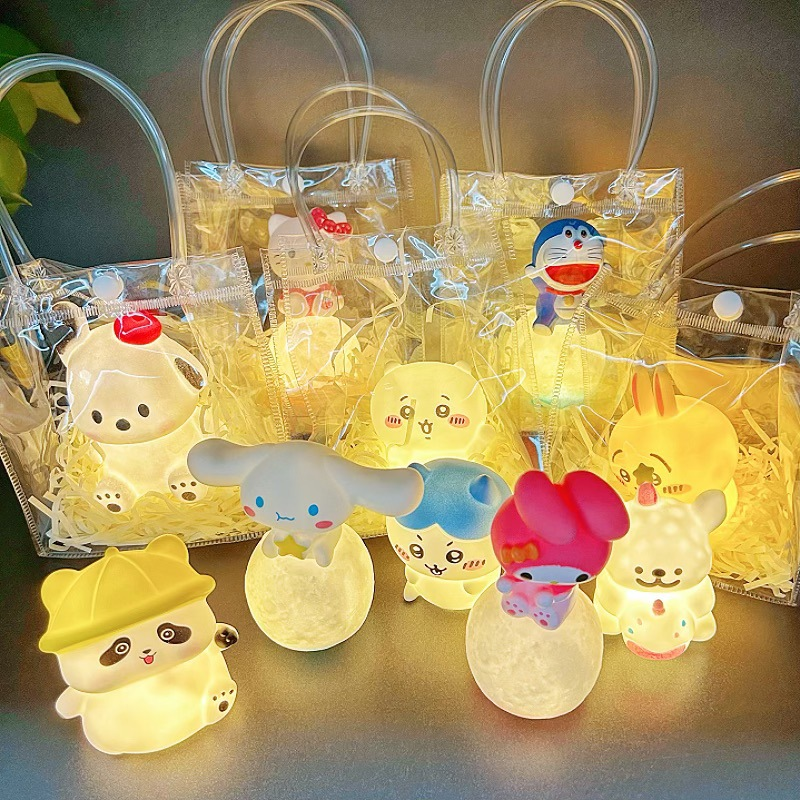
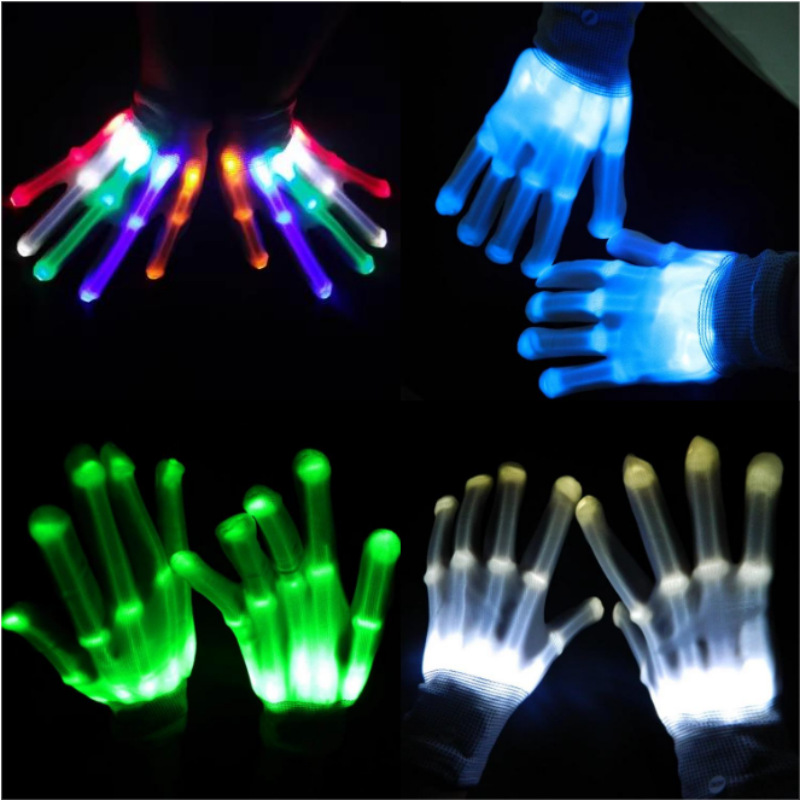
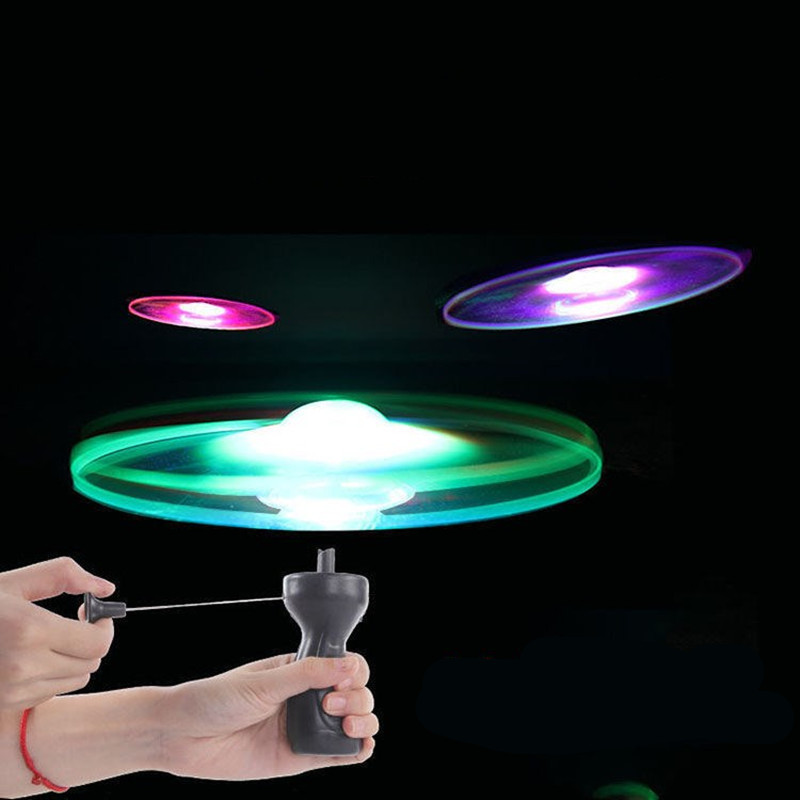
- Light-Up Toys: Stimulate visual senses and encourage cause-and-effect learning.
Safety Considerations for Young Children’s Toys
Age Appropriateness
When selecting toys for young children, it is essential to consider age appropriateness. Toys should be suitable for the child’s developmental stage to ensure safety and effectiveness. Always check the manufacturer’s age recommendations on packaging.
Small Parts
Avoid toys with small parts for children under three years old, as they pose a choking hazard. Opt for larger toys that are safe for little hands and mouths. Always supervise young children during playtime to ensure their safety.
Non-Toxic Materials
Choose toys made from non-toxic materials, especially for younger children who may put toys in their mouths. Look for certifications, such as ASTM or EN71, which indicate that the toys meet safety standards.
Durability
Select durable toys that can withstand rough play. Toys made from high-quality materials are less likely to break and pose safety risks. Regularly inspect toys for signs of wear and tear, and discard any damaged items.
Choosing the Right Toys for Your Child
Assessing Interests
Consider your child’s interests when selecting toys. If they enjoy building, opt for construction sets or blocks. If they love art, choose creative supplies that encourage their artistic expression. Engaging with your child’s interests can enhance their play experience and promote learning.
Encouraging Variety
Provide a variety of toys to stimulate different areas of development. A mix of educational, active, creative, and role-playing toys can help your child develop a well-rounded skill set. Rotate toys regularly to keep playtime fresh and exciting.
Involving Your Child
Involve your child in the toy selection process. Allow them to express their preferences and choose toys that resonate with them. This involvement can foster a sense of ownership and excitement about their playtime.
Caring for Children’s Toys
Regular Cleaning
Keeping toys clean is essential for maintaining hygiene and safety. Here are some cleaning tips:
- Washable Toys: For fabric toys, follow the manufacturer’s instructions for washing. Most can be machine washed on a gentle cycle.
- Hard Plastic Toys: Wipe down with a damp cloth and mild soap. Avoid harsh chemicals that could damage the toy.
- Disinfecting: Use child-safe disinfectant wipes or sprays to clean toys regularly, especially those that are frequently handled.
Storage Solutions
Proper storage helps keep toys organized and accessible. Here are some storage tips:
- Toy Boxes: Use toy boxes or bins to store toys when not in use. This keeps the play area tidy and prevents tripping hazards.
- Shelving Units: Consider using shelving units to display toys, making it easy for children to see and access their favorites.
- Labeling: Label storage containers to help children learn organization skills and make it easier for them to put toys away.
Conclusion
Young children’s toys are essential for promoting development, creativity, and fun. By understanding the different types of toys available, their benefits, and how to choose and care for them, parents can create a stimulating and safe play environment for their children. Investing in quality toys that align with your child’s interests and developmental needs can enhance their growth and provide countless hours of enjoyment.
How to purchase:Online B2B sourcing platform, China purchase, Chinese suppliers – LooperBuy
Frequently Asked Questions
1. What types of toys are best for young children?
The best toys for young children include educational toys, active toys, creative toys, role-playing toys, and sensory toys that promote development and engagement.
2. How do I choose age-appropriate toys for my child?
Consider your child’s age, interests, and developmental stage. Always check the manufacturer’s age recommendations on packaging to ensure safety.
3. Are there safety concerns with children’s toys?
Yes, safety concerns include small parts that pose choking hazards, non-toxic materials, and the durability of toys. Always supervise young children during playtime.
4. How can I keep my child’s toys clean?
Regularly wash fabric toys according to the manufacturer’s instructions and wipe down hard plastic toys with a damp cloth and mild soap. Use child-safe disinfectants for thorough cleaning.
5. What are some good storage solutions for children’s toys?
Use toy boxes, bins, or shelving units to keep toys organized and accessible. Labeling storage containers can help children learn organization skills.
HOT TAG: young children’s toys, educational toys, safe play, creative playtime, child development, toy care tips, organizing toys, engaging activities, role-playing toys, sensory toys.