In the world of e-commerce, drop shipping has emerged as a popular business model, allowing entrepreneurs to sell products without holding inventory. However, one of the most critical aspects of running a successful drop shipping business is understanding the pricing formula. This article will delve into the intricacies of the drop shipping pricing formula, providing insights into how to effectively set prices, manage costs, and maximize profits.
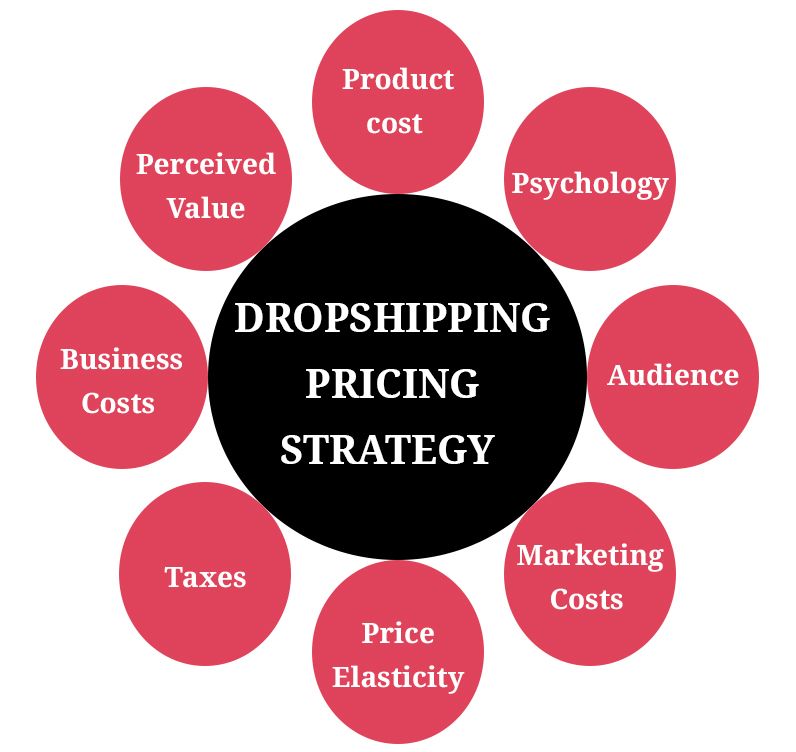
Table of Contents
The Basics of Drop Shipping
Drop shipping is a retail fulfillment method where a store doesn’t keep the products it sells in stock. Instead, when a store sells a product, it purchases the item from a third party and has it shipped directly to the customer. This model eliminates the need for inventory management and reduces overhead costs, making it an attractive option for many entrepreneurs.
How Drop Shipping Works
- Customer Places an Order: A customer visits your online store and places an order for a product.
- Order Forwarding: You receive the order and forward the details to your supplier.
- Supplier Ships the Product: The supplier packages and ships the product directly to the customer.
- Profit Margin: You keep the difference between the retail price and the wholesale price as profit.
Advantages of Drop Shipping
- Low Startup Costs: You don’t need to invest in inventory upfront.
- Flexibility: You can run your business from anywhere with an internet connection.
- Wide Product Range: You can offer a variety of products without the risk of unsold inventory.
Understanding the Drop Shipping Pricing Formula
To effectively price your products, you need to understand the drop shipping pricing formula. This formula helps you determine the right price to charge customers while ensuring you cover costs and make a profit.
Key Components of the Pricing Formula
- Cost of Goods Sold (COGS): This is the price you pay to your supplier for the product. It includes the wholesale price and any additional costs such as shipping fees.
- Operating Expenses: These are the costs associated with running your business, including website hosting, marketing, and transaction fees.
- Desired Profit Margin: This is the percentage of profit you want to make on each sale. It can vary based on your business goals and market conditions.
The Pricing Formula
The basic drop shipping pricing formula can be expressed as follows:
Retail Price = COGS + Operating Expenses + Desired Profit Margin
This formula ensures that you cover all your costs while achieving your desired profit.
Setting Your Prices: Strategies and Considerations
When setting prices for your drop shipping products, several strategies and considerations can help you optimize your pricing.
Competitive Pricing
Research your competitors to understand their pricing strategies. This will help you position your products competitively in the market. Consider offering lower prices or unique value propositions to attract customers.
Psychological Pricing
Utilize psychological pricing strategies, such as pricing products at $19.99 instead of $20. This can make your products appear more affordable and encourage customers to make a purchase.
Dynamic Pricing
Consider implementing dynamic pricing strategies that adjust prices based on demand, seasonality, and competitor pricing. This approach can help you maximize profits during peak seasons and remain competitive during slower periods.
Bundling Products
Offering product bundles can increase the perceived value and encourage customers to purchase more. By pricing bundles attractively, you can boost your average order value while providing customers with a better deal.
Seasonal Pricing Adjustments
Adjusting your prices based on seasonal trends can also be beneficial. For instance, during holidays or special events, you might increase prices slightly due to higher demand. Conversely, during off-peak seasons, consider offering discounts to stimulate sales.
Managing Costs Effectively
To ensure profitability in your drop shipping business, managing costs is crucial. Here are some tips to help you keep your expenses in check.
Negotiate with Suppliers
Building strong relationships with your suppliers can lead to better pricing and terms. Don’t hesitate to negotiate for lower prices, especially if you plan to order in bulk. Establishing a good rapport can also lead to better service and faster shipping times.
Monitor Shipping Costs
Shipping costs can significantly impact your profit margins. Consider using multiple suppliers to find the most cost-effective shipping options. Additionally, offering free shipping over a certain order amount can encourage larger purchases.
Utilize Automation Tools
Invest in automation tools to streamline your operations. These tools can help you manage inventory, process orders, and track expenses, allowing you to focus on growing your business. Automation can also reduce human error and improve efficiency.
Analyze Your Expenses Regularly
Regularly reviewing your expenses can help you identify areas where you can cut costs. Look for subscriptions or services that you no longer use and eliminate them. This practice can free up resources that can be reinvested into your business.
The Role of Product Demand in Pricing
Understanding product demand is crucial for setting effective prices in drop shipping. High demand can justify higher prices, while low demand may require you to lower prices to attract customers.
Market Research
Conducting thorough market research can help you gauge demand for specific products. Use tools like Google Trends, social media insights, and competitor analysis to understand what products are trending and how much customers are willing to pay.
Seasonal Trends
Certain products may experience seasonal demand fluctuations. For example, winter clothing may see higher sales during colder months. Adjusting your pricing strategy based on these trends can help you maximize profits.
Customer Feedback
Listening to customer feedback can provide valuable insights into pricing. If customers consistently mention that a product is too expensive, it may be worth reevaluating your pricing strategy.
The Impact of Branding on Pricing
Branding plays a significant role in how customers perceive your products and their prices. A strong brand can command higher prices due to perceived value.
Building a Strong Brand Identity
Invest in building a strong brand identity that resonates with your target audience. This includes creating a professional website, engaging in social media marketing, and providing excellent customer service. A well-established brand can justify higher prices.
Value Proposition
Clearly communicate your value proposition to customers. Explain why your products are worth the price you’re charging. This could be due to superior quality, unique features, or exceptional customer service.
Brand Loyalty
Cultivating brand loyalty can lead to repeat customers who are willing to pay a premium for your products. Implement loyalty programs, offer exclusive discounts, and engage with your customers to build lasting relationships.
Utilizing Data Analytics for Pricing Optimization
Data analytics can provide valuable insights into your pricing strategy. By analyzing sales data, customer behavior, and market trends, you can make informed decisions about pricing.
Sales Performance Analysis
Regularly analyze your sales performance to identify which products are selling well and which are not. This information can help you adjust prices accordingly, promoting high-performing products and discounting those that are underperforming.
Customer Behavior Insights
Understanding customer behavior can also inform your pricing strategy. Use analytics tools to track how customers interact with your website, including which products they view and how long they stay on your site. This data can help you identify pricing sweet spots.
A/B Testing
Consider conducting A/B testing on your pricing strategies. Test different price points for the same product to see which generates more sales. This method can provide concrete data to guide your pricing decisions.
Conclusion
Understanding the drop shipping pricing formula is essential for any entrepreneur looking to succeed in the e-commerce space. By carefully considering your costs, setting competitive prices, and managing expenses effectively, you can maximize your profits and build a sustainable drop shipping business. Remember, pricing is not just about covering costs; it’s also about positioning your brand and providing value to your customers.
As you refine your drop shipping pricing strategy, remember that offering competitive prices and unique value can significantly enhance your customers’ shopping experience. Discover a wide range of products at unbeatable prices at https://looperbuy.com/.
Related Questions & Answers
· What is drop shipping? Drop shipping is a retail fulfillment method where a store sells products without holding inventory, purchasing items from a supplier who ships directly to the customer.
· How do I calculate my profit margin in drop shipping? To calculate your profit margin, subtract the total costs (COGS and operating expenses) from the retail price, then divide by the retail price and multiply by 100 to get a percentage.
· What are the advantages of drop shipping? The advantages include low startup costs, flexibility in operations, and the ability to offer a wide range of products without inventory risk.
· How can I reduce shipping costs in drop shipping? You can reduce shipping costs by negotiating with suppliers, using multiple shipping options, and offering free shipping on larger orders to encourage higher sales.
· What pricing strategies should I use for drop shipping? Consider competitive pricing, psychological pricing, dynamic pricing, and product bundling to optimize your pricing strategy and attract customers.
Hot Tags: Drop Shipping; Pricing Strategy; E-commerce; Profit Margin; Cost Management; Wholesale Pricing; Online Retail; Business Model; Market Research