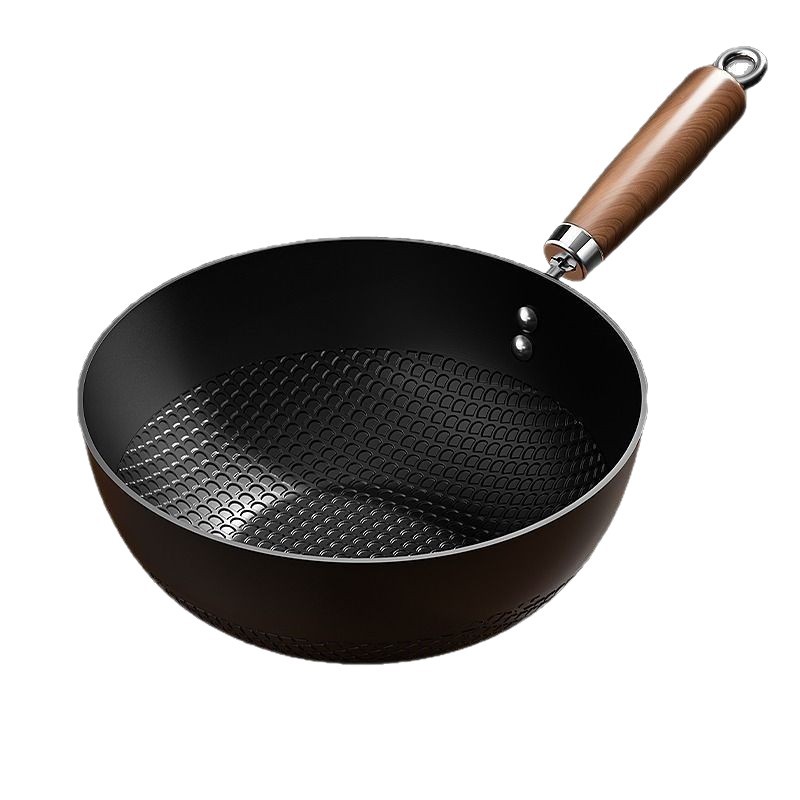
Kitchenware pots are fundamental tools in any kitchen, serving as the backbone for a wide range of cooking tasks. From boiling pasta to simmering sauces, the right pot can make all the difference in your culinary experience. In this comprehensive guide, we will explore the various types of kitchenware pots, their materials, features, and how to choose the best one for your cooking needs.
Table of Contents
Understanding Kitchenware Pots
What is a Kitchenware Pot?
A kitchenware pot is a cooking vessel typically used for boiling, simmering, or stewing food. Pots come in various sizes and materials, each designed for specific cooking methods. They usually have tall sides and a lid, allowing for even cooking and moisture retention.
Importance of Choosing the Right Pot
Selecting the right pot is crucial for achieving the best cooking results. The material, size, and shape of the pot can affect heat distribution, cooking time, and the overall flavor of your dishes. Understanding the different types of pots available will help you make informed decisions in the kitchen.

Types of Kitchenware Pots
1. Stock Pots
Stock pots are large, deep pots designed for making stocks, soups, and stews. They typically range from 6 to 12 quarts in capacity and are perfect for cooking large batches of food. Stock pots often come with a lid and are made from materials like stainless steel or aluminum for even heat distribution.
Features of Stock Pots
- Large Capacity: Ideal for cooking large quantities of food.
- Heavy-Duty Construction: Designed to withstand long cooking times.
- Versatile Use: Can be used for boiling pasta, making sauces, and preparing large meals.
2. Sauce Pots
Sauce pots, also known as saucepans, are smaller than stock pots and are typically used for making sauces, heating liquids, and cooking grains. They usually have a capacity of 1 to 4 quarts and come with a long handle for easy pouring.
Features of Sauce Pots
- Compact Size: Perfect for smaller cooking tasks.
- Easy to Handle: The long handle allows for easy maneuvering.
- Lid Included: Most sauce pots come with a lid to retain heat and moisture.
3. Dutch Ovens
Dutch ovens are heavy, thick-walled pots that can be used on the stovetop or in the oven. They are perfect for braising, stewing, and baking. Dutch ovens are often made from cast iron, which provides excellent heat retention and distribution.
Features of Dutch Ovens
- Versatile Cooking: Can be used for stovetop and oven cooking.
- Durable Material: Cast iron construction ensures longevity.
- Retains Heat: Ideal for slow-cooking and braising.
4. Sauté Pans
Sauté pans are wide, shallow pots with straight sides and a long handle. They are designed for quick cooking methods, such as sautéing and frying. The large surface area allows for even cooking and browning of ingredients.
Features of Sauté Pans
- Wide Surface Area: Perfect for cooking multiple ingredients at once.
- Straight Sides: Helps prevent splattering while cooking.
- Versatile Use: Can be used for sautéing, frying, and simmering.
5. Pressure Cookers
Pressure cookers are specialized pots that use steam pressure to cook food quickly. They are ideal for cooking tough cuts of meat, beans, and grains in a fraction of the time it would take using traditional methods.
Features of Pressure Cookers
- Fast Cooking: Reduces cooking time significantly.
- Energy Efficient: Uses less energy compared to traditional cooking methods.
- Versatile: Can be used for a variety of dishes, from soups to desserts.
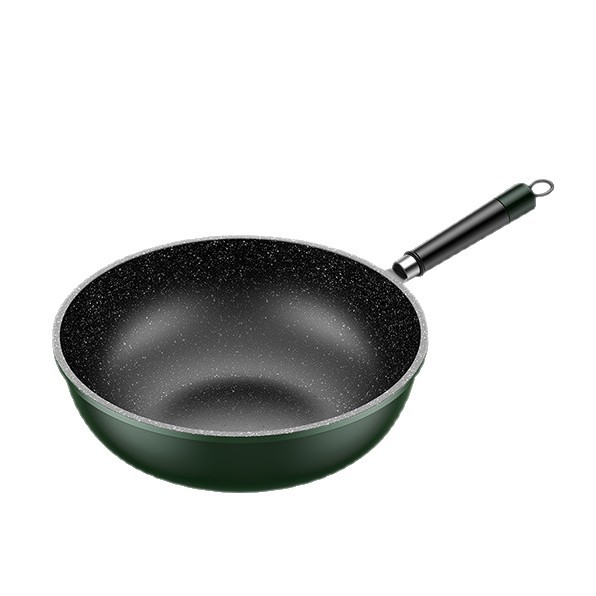
Choosing the Right Kitchenware Pot
Consider Your Cooking Style
When selecting a pot, consider your cooking style and the types of dishes you frequently prepare. If you often make large batches of soup or stock, a stock pot may be the best choice. For everyday cooking tasks, a sauce pot or sauté pan may be more suitable.
Evaluate the Material
The material of the pot can significantly impact its performance. Common materials include:
- Stainless Steel: Durable and resistant to rust and corrosion. Ideal for even heat distribution.
- Cast Iron: Excellent heat retention and distribution. Perfect for slow cooking and baking.
- Aluminum: Lightweight and heats up quickly. Often used for non-stick pots.
- Non-Stick Coatings: Easy to clean and ideal for low-fat cooking.
Check for Size and Capacity
Consider the size of the pot based on your cooking needs. If you often cook for a large family or entertain guests, a larger pot may be necessary. Conversely, if you typically cook for one or two people, a smaller pot may suffice.
Look for Additional Features
Some pots come with additional features that enhance their usability. Look for pots with:
- Lids: A tight-fitting lid helps retain heat and moisture.
- Ergonomic Handles: Comfortable handles make it easier to lift and pour.
- Oven Safety: If you plan to use the pot in the oven, ensure it is oven-safe.
Caring for Your Kitchenware Pots
Regular Cleaning
To maintain the appearance and performance of your pots, regular cleaning is essential. Follow these tips:
- Use Mild Detergents: Avoid harsh chemicals that can damage the pot’s surface.
- Hand Wash When Possible: While some pots are dishwasher safe, hand washing can help prolong their lifespan.
- Dry Thoroughly: After washing, dry your pots thoroughly to prevent water spots and rust.
Inspect for Damage
Periodically check your pots for signs of wear or damage. Look for scratches, dents, or warped surfaces. Addressing any issues promptly will help extend the life of your cookware.
Store Properly
When not in use, store your pots in a cool, dry place. Avoid stacking them without protection, as this can lead to scratches. Use pot protectors or cloths between stacked pots to prevent damage.
Conclusion
Kitchenware pots are essential tools for any home cook, providing the versatility and functionality needed for a wide range of culinary tasks. By understanding the different types of pots available, how to choose the right one, and tips for caring for them, you can enhance your cooking experience and create delicious meals for yourself and your loved ones.
How to purchase:Online B2B sourcing platform, China purchase, Chinese suppliers – LooperBuy
Frequently Asked Questions
1. What types of kitchenware pots are available?
Kitchenware pots come in various types, including stock pots, sauce pots, Dutch ovens, sauté pans, and pressure cookers, each designed for specific cooking tasks.
2. How do I choose the right size pot for my needs?
Consider the types of dishes you frequently prepare and the number of servings you typically cook. Measure your available storage space to ensure the pot fits comfortably.
3. What materials are best for kitchenware pots?
Common materials include stainless steel, cast iron, aluminum, and non-stick coatings. Each material has its advantages, so choose based on your cooking style and preferences.
4. How should I clean and maintain my kitchenware pots?
Regularly clean your pots with mild detergents, hand wash when possible, and dry thoroughly to prevent damage. Inspect for wear and store them properly to prolong their lifespan.
5. Can I use my pots in the oven?
Some pots are oven-safe, but always check the manufacturer’s guidelines to ensure they can withstand oven temperatures.
HOT TAG: kitchenware pots, cooking essentials, pot types, material guide, maintenance tips, choosing the right pot, cooking techniques, kitchen organization, culinary tools, home cooking, stainless steel vs cast iron, non-stick coatings, innovative pot designs, heat distribution, durable cookware.