In the world of cooking and culinary arts, kitchenware aprons play a crucial role in both functionality and style. Whether you are a professional chef or a home cook, a good apron can protect your clothing, provide convenience, and even enhance your cooking experience. This article will explore the various types of kitchenware aprons, their features, benefits, and tips for choosing the right one for your needs.
Table of Contents
Understanding Kitchenware Aprons
What is a Kitchenware Apron?
A kitchenware apron is a protective garment worn over the front of the body to keep clothing clean while cooking, baking, or engaging in other kitchen activities. Aprons come in various styles, materials, and designs, catering to different preferences and needs. They are essential for anyone who spends time in the kitchen, providing both protection and comfort.
The Importance of Wearing an Apron
Wearing an apron while cooking serves several important purposes. First and foremost, it protects your clothing from spills, stains, and splatters that are common in the kitchen. This is especially important when working with sauces, oils, and other messy ingredients. Additionally, aprons often feature pockets for holding utensils, recipe cards, or other small items, making them practical for busy cooks.
Types of Kitchenware Aprons
1. Bib Aprons
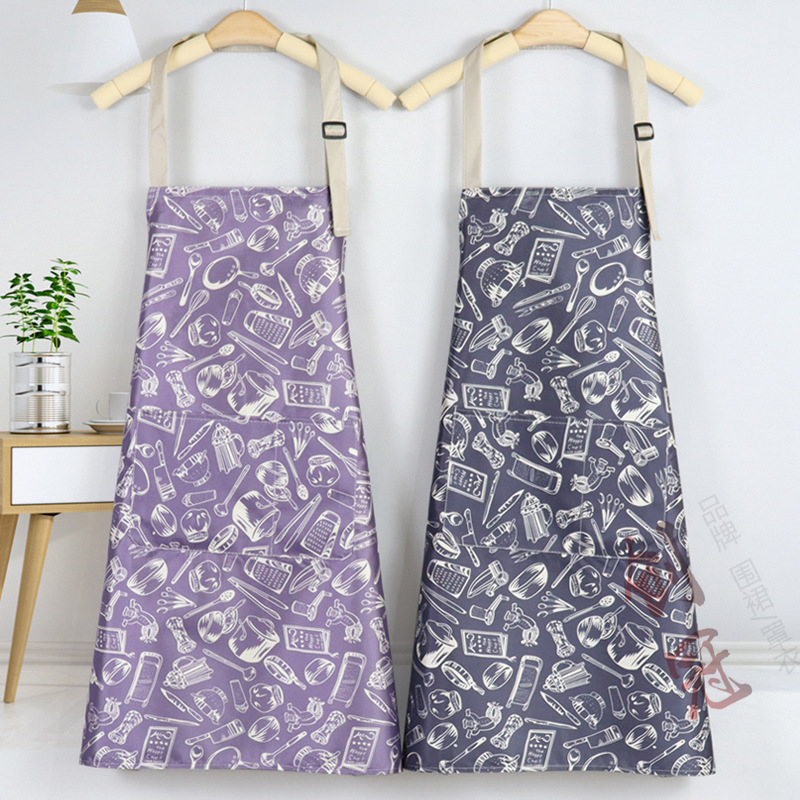
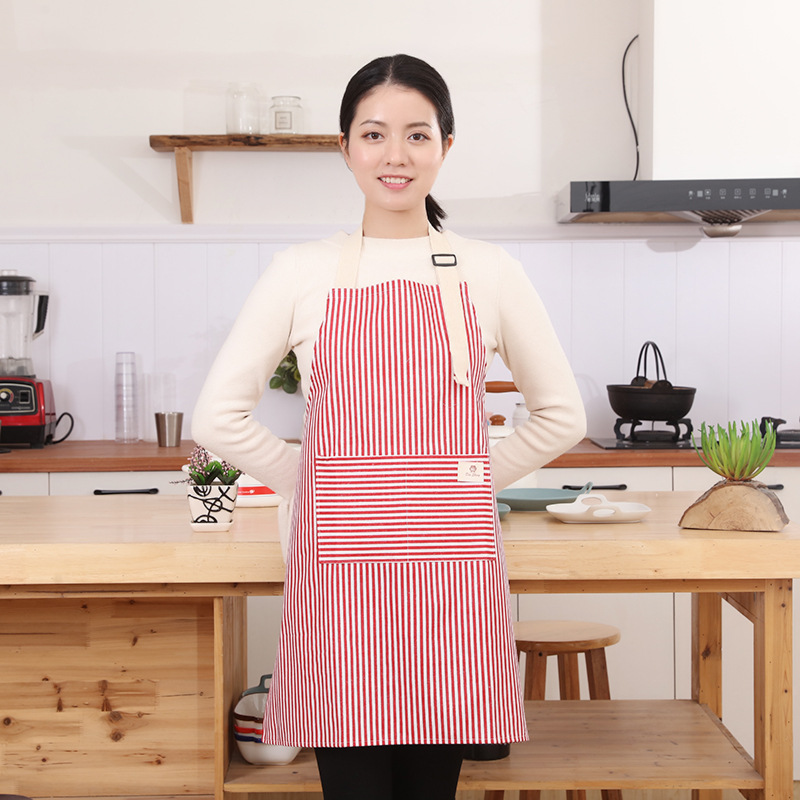
Bib aprons are the most common type of kitchen apron. They cover the front of the body from the chest down to the knees, providing ample protection. Bib aprons often feature adjustable neck straps and waist ties for a comfortable fit. They are available in various materials, including cotton, polyester, and canvas, making them versatile for different cooking styles.
2. Waist Aprons
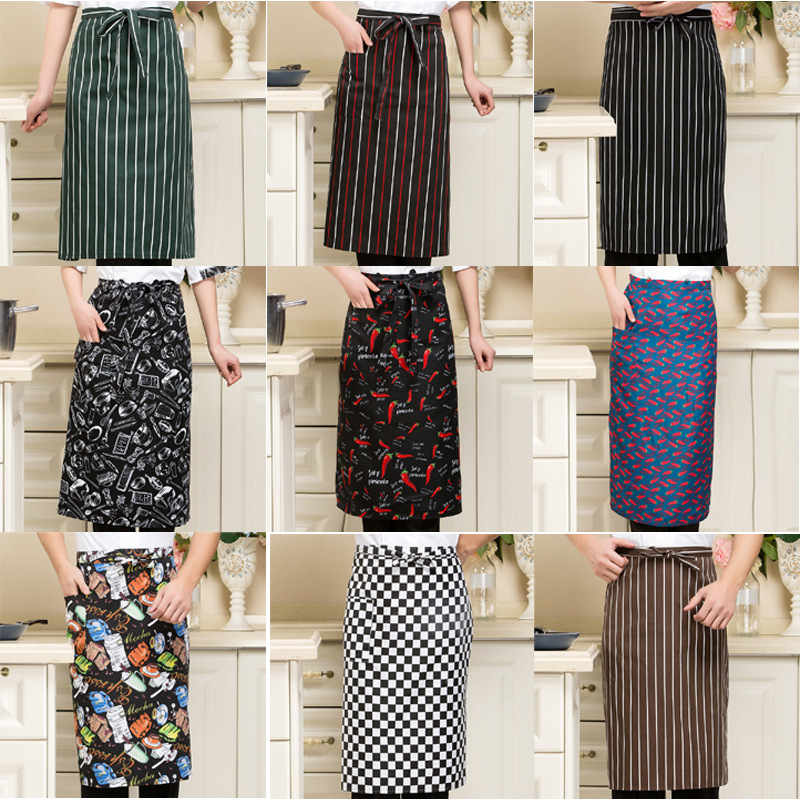
Waist aprons are shorter than bib aprons and typically cover only the lower half of the body. They are often used in professional kitchens and by servers in restaurants. Waist aprons usually have pockets for holding tools and utensils, making them practical for quick access while cooking or serving.
3. Chef Coats
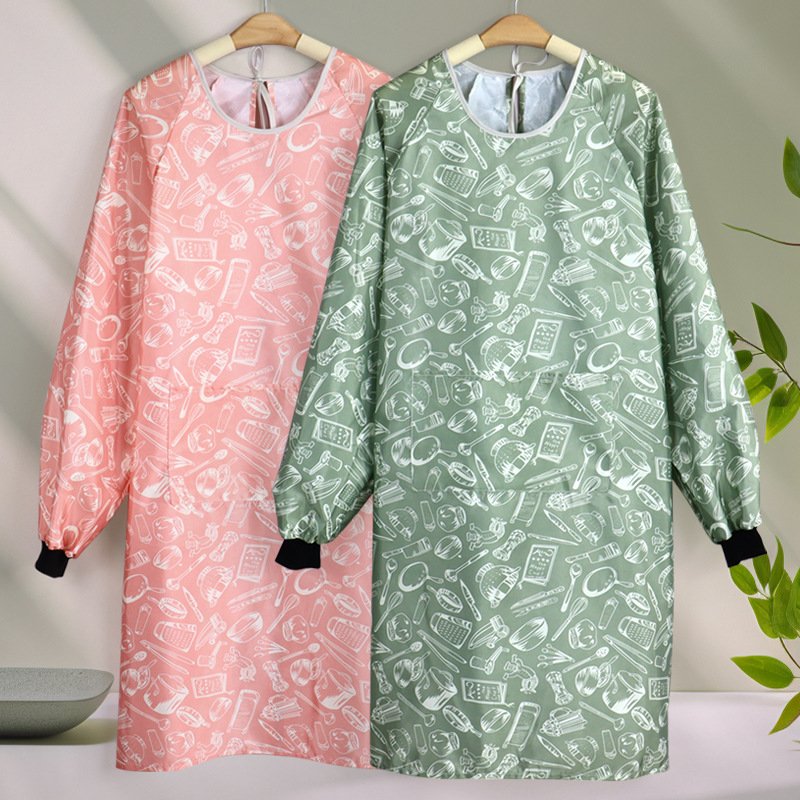
While not traditional aprons, chef coats are an essential part of a chef’s uniform. These coats are designed to provide protection while also offering a polished appearance. Chef coats are typically made from durable, heat-resistant materials and often feature long sleeves and double-breasted designs.
4. Pinafore Aprons
Pinafore aprons are a stylish option that combines functionality with a vintage aesthetic. These aprons feature a fitted bodice and a skirt-like design, often with pockets for added convenience. Pinafore aprons are popular among home cooks and bakers who want to add a touch of charm to their kitchen attire.
5. Specialty Aprons
Specialty aprons are designed for specific tasks or activities. For example, grilling aprons may feature heat-resistant materials and pockets for holding grilling tools, while baking aprons may have additional pockets for measuring cups and spoons. These aprons cater to the unique needs of different cooking styles.
Features of Kitchenware Aprons
1. Material Quality
The material used in kitchenware aprons is crucial for durability and comfort. Common materials include cotton, polyester, and canvas. Cotton aprons are soft and breathable, making them comfortable for extended wear. Polyester aprons are often more resistant to stains and wrinkles, while canvas aprons provide a rugged, durable option.
2. Adjustable Straps
Many kitchenware aprons feature adjustable neck straps and waist ties, allowing for a customizable fit. This feature is essential for ensuring comfort while cooking, as it allows the apron to be tailored to the wearer’s body shape.
3. Pockets
Pockets are a practical feature found in many kitchenware aprons. They provide convenient storage for utensils, recipe cards, and other small items, making it easier to access what you need while cooking. The number and size of pockets can vary, so consider your needs when choosing an apron.
4. Stylish Designs
Kitchenware aprons come in a wide range of designs, colors, and patterns. From classic solid colors to fun prints and patterns, there is an apron to suit every style. Choosing a stylish apron can enhance your cooking experience and make you feel good while working in the kitchen.
5. Easy to Clean
Since aprons are often exposed to spills and stains, ease of cleaning is an important consideration. Many kitchenware aprons are machine washable, making it easy to keep them fresh and clean. Look for aprons that can withstand frequent washing without losing their shape or color.
Benefits of Using Kitchenware Aprons
1. Protection from Stains
The primary benefit of wearing a kitchenware apron is protection from stains and spills. Cooking can be messy, and an apron helps keep your clothing clean, allowing you to focus on your culinary creations without worrying about ruining your outfit.
2. Convenience
Aprons with pockets provide convenient storage for utensils and tools, making it easier to access what you need while cooking. This can save time and streamline the cooking process, allowing you to work more efficiently in the kitchen.
3. Enhanced Comfort
A well-fitting apron can enhance comfort while cooking. Adjustable straps and breathable materials ensure that you can move freely without feeling restricted. This is especially important for those who spend long hours in the kitchen.
4. Style and Personal Expression
Kitchenware aprons come in a variety of styles, allowing you to express your personality and taste. Whether you prefer a classic look or a fun, modern design, wearing an apron can add a touch of style to your cooking attire.
5. Encouragement to Cook
Wearing an apron can create a sense of professionalism and encourage you to take cooking seriously. It can also make cooking feel more enjoyable and special, motivating you to spend more time in the kitchen.
Choosing the Right Kitchenware Apron
1. Assess Your Needs
Before purchasing a kitchenware apron, assess your specific needs. Consider how often you cook, the types of meals you prepare, and whether you need additional features like pockets or adjustable straps. This assessment will help you choose the right apron for your lifestyle.
2. Consider the Material
Choose an apron made from high-quality materials that suit your cooking style. If you prefer a soft and breathable option, cotton may be the best choice. For durability and stain resistance, consider polyester or canvas.
3. Check for Comfort Features
Look for aprons with adjustable straps and comfortable fits. A well-designed apron should allow for ease of movement and not cause discomfort during extended wear.
4. Explore Design Options
Consider your personal style when selecting an apron. Choose colors and patterns that resonate with you and complement your kitchen decor. A stylish apron can enhance your cooking experience and make you feel good while working in the kitchen.
5. Read Customer Reviews
Before making a purchase, read customer reviews to gain insight into the performance and durability of the apron. Reviews can provide valuable information about how well the apron holds up over time and how satisfied other customers are with their purchases.
Caring for Your Kitchenware Apron
1. Regular Cleaning
To keep your kitchenware apron in top condition, establish a regular cleaning routine. Depending on your cooking habits, you may need to wash the apron weekly or bi-weekly. Follow the manufacturer’s care instructions for the best results.
2. Spot Cleaning
In addition to regular washing, spot clean any stains or messes as soon as they occur. Use a mild detergent and a damp cloth to gently clean the affected area. This will help prevent odors and keep the apron looking fresh.
3. Store Properly
When not in use, store your apron in a cool, dry place. Avoid folding it in a way that creates creases, and consider hanging it on a hook or in a designated storage area to keep it wrinkle-free.
4. Avoid Harsh Chemicals
When cleaning your apron, avoid using harsh chemicals or bleach, as these can damage the fabric and affect the colors. Stick to gentle detergents and follow the care instructions provided by the manufacturer.
5. Inspect for Damage
Regularly inspect your apron for signs of wear and tear. Check for frayed edges, loose threads, or damaged straps. If you notice any significant damage, consider repairing or replacing the apron to ensure it remains functional.
Conclusion
Kitchenware aprons are essential accessories for anyone who enjoys cooking. With various types available, including bib aprons, waist aprons, and specialty designs, there is an option to suit every need. By understanding the features and benefits of kitchenware aprons, you can make informed decisions and enjoy a more organized and stylish cooking experience.
How to purchase:Online B2B sourcing platform, China purchase, Chinese suppliers – LooperBuy
Frequently Asked Questions
1. What types of kitchenware aprons are available?
Kitchenware aprons come in various types, including bib aprons, waist aprons, chef coats, pinafore aprons, and specialty aprons for specific tasks.
2. How do I choose the right kitchenware apron for my needs?
Consider your cooking style, the types of meals you prepare, and your personal aesthetic when selecting a kitchenware apron.
3. Can I wash my kitchenware apron at home?
Yes, most kitchenware aprons can be machine washed or hand washed. Always check the care label for specific washing instructions.
4. Are there stylish options for kitchenware aprons?
Yes, kitchenware aprons come in a variety of colors and designs, allowing you to express your style while cooking.
5. How should I store my kitchenware apron when not in use?
Store your kitchenware apron in a cool, dry place, avoiding folding it in a way that creates creases. Hanging it on a hook is a good option.
Hot Tag: Kitchenware aprons, essential cooking accessories, various styles and materials, durable options for everyday use, benefits of wearing an apron, tips for choosing the right apron, eco-friendly apron choices, enhancing cooking efficiency, stylish designs for home chefs, caring for your kitchen apron.