Table of Contents
Introduction to Global Shipping
In an era where businesses are increasingly operating on a global scale, the importance of efficient shipping solutions cannot be overstated. Global shipping serves as the backbone of international trade, facilitating the movement of goods across borders and connecting markets worldwide. This article explores the evolution of global shipping, examining the trends shaping the industry, the challenges faced by businesses, and the innovative solutions that are emerging to address these issues.

The Growing Importance of Global Shipping
As e-commerce continues to thrive and consumers demand faster delivery times, global shipping has become a critical component of business strategy. Companies are no longer limited to local markets; they can now reach customers around the world. This expansion has led to increased competition, necessitating the need for efficient and reliable shipping solutions.
Key Components of Global Shipping
Understanding the various components of global shipping is essential for businesses looking to optimize their logistics operations. These components include freight forwarding, customs clearance, shipping methods, and technology integration.
The Role of Freight Forwarding
What is Freight Forwarding?
Freight forwarding is a service that involves the coordination of the transportation of goods from one location to another. Freight forwarders act as intermediaries between shippers and carriers, managing the logistics of shipping, including documentation, customs clearance, and insurance. They play a crucial role in ensuring that goods are transported efficiently and cost-effectively.
Benefits of Using Freight Forwarders
Utilizing freight forwarders offers several advantages for businesses engaged in global shipping. They have extensive knowledge of international shipping regulations, which helps ensure compliance and avoid costly delays. Additionally, freight forwarders can negotiate better rates with carriers, providing businesses with cost savings.
Shipping Methods: Choosing the Right Option
Air Freight
Air freight is one of the fastest shipping methods available, making it ideal for time-sensitive shipments. It is particularly useful for high-value or perishable goods that require quick delivery. However, air freight can be more expensive than other methods, so businesses must weigh the benefits against the costs.
Ocean Freight
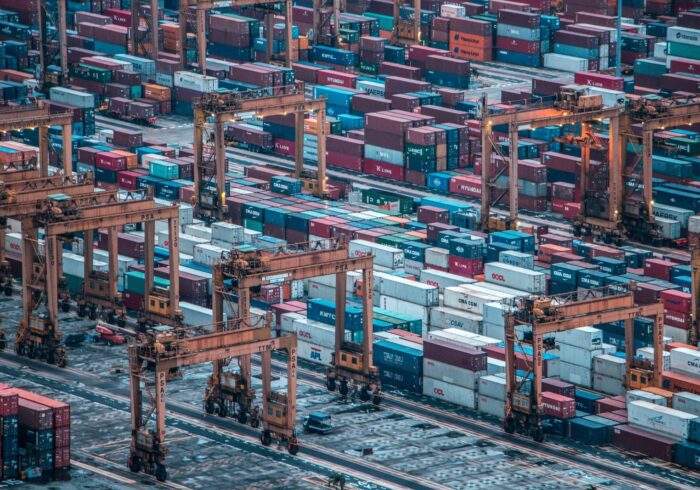
Ocean freight is the most common method for shipping large quantities of goods internationally. It is cost-effective for bulk shipments but typically takes longer than air freight. Businesses must consider factors such as transit times, shipping routes, and container availability when choosing ocean freight.
Ground Transportation
Ground transportation is essential for the final leg of the shipping process, delivering goods from ports to their final destinations. This method includes trucking and rail services, and it is often used in conjunction with air or ocean freight to provide a complete logistics solution.
Challenges in Global Shipping
Regulatory Compliance
Navigating the complex landscape of international regulations can be challenging for businesses engaged in global shipping. Each country has its own customs laws, import/export restrictions, and documentation requirements. Failure to comply with these regulations can result in delays, fines, and even confiscation of goods.
Supply Chain Disruptions
Global shipping is susceptible to various disruptions, including natural disasters, political instability, and pandemics. These events can lead to delays, increased costs, and supply chain interruptions. Businesses must develop contingency plans to mitigate the impact of such disruptions and ensure continuity in their operations.
Rising Shipping Costs
The cost of shipping has been on the rise due to factors such as fuel price fluctuations, increased demand for shipping services, and regulatory changes. Businesses must find ways to manage these costs while maintaining service quality. This may involve negotiating better rates with shipping partners, optimizing logistics, and exploring alternative shipping methods.
Innovative Solutions for Global Shipping
Technology Integration
The integration of technology into shipping operations is transforming the industry. Businesses can leverage software solutions for inventory management, order processing, and shipment tracking. Automation can reduce human error and increase efficiency, allowing businesses to focus on growth and customer satisfaction.
Sustainable Shipping Practices
As environmental concerns continue to grow, the shipping industry is under pressure to adopt more sustainable practices. Companies are exploring green logistics solutions, such as using energy-efficient vehicles, optimizing transportation routes, and implementing sustainable packaging. By adopting these practices, businesses can reduce their carbon footprint and appeal to environmentally conscious consumers.
Collaboration and Partnerships
Building strong relationships with shipping partners is essential for success in global shipping. Collaborating with freight forwarders, carriers, and logistics providers can lead to better pricing, improved service, and enhanced efficiency. Businesses should prioritize communication and transparency to foster these relationships.
The Future of Global Shipping
Trends Shaping the Industry
The global shipping industry is evolving rapidly, driven by technological advancements, changing consumer preferences, and environmental concerns. Key trends include the rise of e-commerce, increased demand for fast delivery, and a focus on sustainability. Businesses must stay informed about these trends to remain competitive in the global marketplace.
The Role of A2 Global Shipping
A2 Global Shipping is a leading player in the international shipping industry, providing comprehensive logistics solutions to businesses worldwide. With a focus on innovation and customer satisfaction, A2 Global Shipping has established itself as a trusted partner for companies looking to optimize their shipping operations.
Commitment to Sustainability
A2 Global Shipping is committed to sustainability and actively seeks to minimize the environmental impact of its operations. The company implements green logistics practices, invests in energy-efficient technologies, and collaborates with partners who share its commitment to sustainability.
Conclusion
In conclusion, global shipping is a complex but essential aspect of international trade. By understanding the key components, challenges, and innovative solutions in shipping logistics, businesses can enhance their operations and drive growth in the digital age. Partnering with reliable logistics providers like A2 Global Shipping can further optimize shipping processes and ensure success in the competitive global marketplace.
To streamline your global shipping operations and take advantage of innovative logistics solutions, consider exploring the services offered by Looperbuy. Visit https://looperbuy.com/ for more information.
Related Questions & Answers
· What are the key components of global shipping? Key components include freight forwarding, customs clearance, shipping methods, and technology integration.
· What challenges does the global shipping industry face? Challenges include regulatory compliance, supply chain disruptions, and rising shipping costs.
· How can businesses choose the right shipping partner? Businesses should evaluate potential partners based on reputation, reliability, and range of services offered.
· What role does A2 Global Shipping play in global shipping? A2 Global Shipping provides comprehensive logistics solutions, including freight forwarding and customs clearance, while focusing on innovation and sustainability.
· How can technology improve global shipping processes? Technology can streamline operations, enhance data analysis, and improve communication, leading to more efficient shipping processes.
Hot Tags: Global Shipping; Freight Forwarding; Shipping Methods; Supply Chain Management; Logistics Solutions; E-commerce Shipping; Sustainable Practices; Technology Integration; International Trade