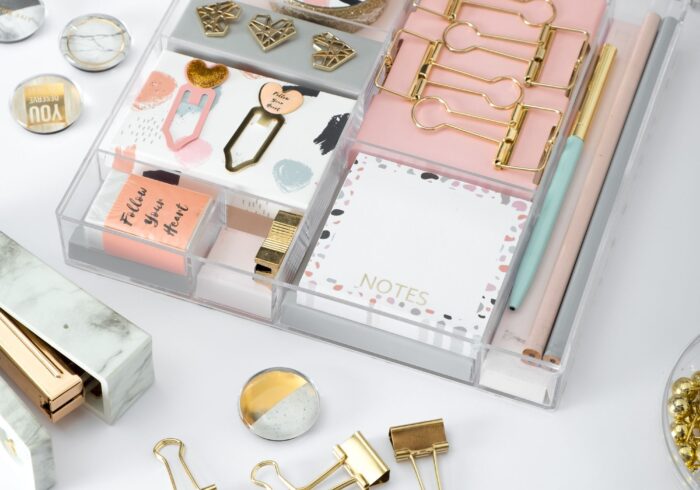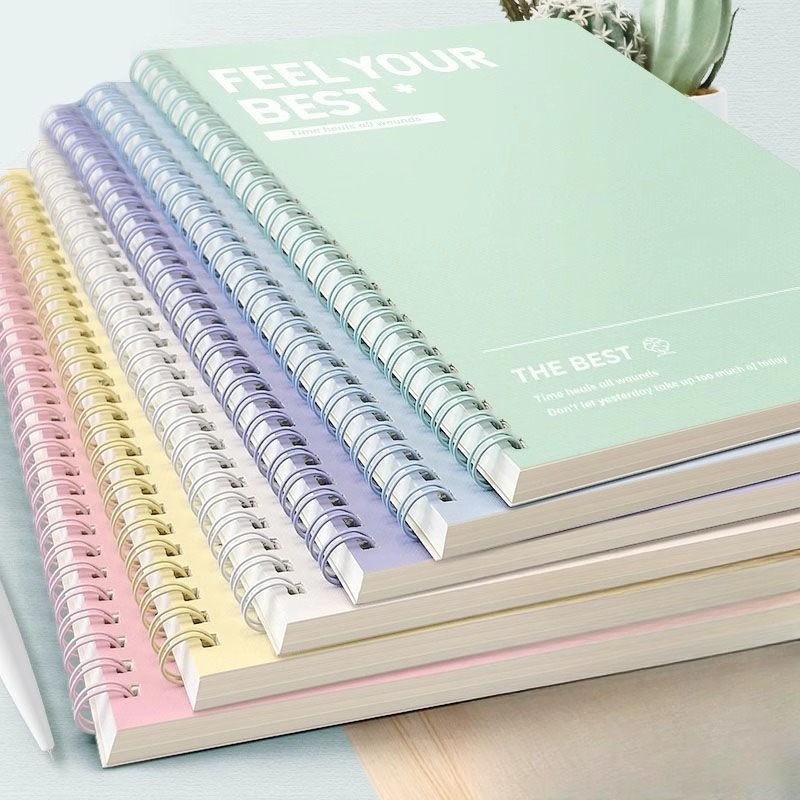
In an era dominated by digital screens and fleeting notifications, the act of putting pen to paper has become an act of intentional rebellion. Among the tools that bridge this gap between analog warmth and modern life, Midori notebooks stand out as more than just stationery—they are companions for reflection, creativity, and connection. This article delves into the world of Midori notebooks, exploring their legacy, design philosophy, and the profound role they play in fostering mindful living.
Table of Contents
The Legacy of Midori: From Craft to Cultural Icon
To understand Midori notebooks is to appreciate a story rooted in craftsmanship and cultural evolution. Founded in 1950s Japan, the brand emerged during a time when traditional craftsmanship was being redefined by modern needs. Early on, Midori recognized that notebooks were more than vessels for writing—they were extensions of the user’s identity, tools for shaping thoughts, and archives of memory.
A Humble Beginning in 1950s Japan
The brand’s origins trace back to a small stationery shop in Tokyo, where founder Mr. Minoru Midori prioritized quality over quantity. His vision was simple: create notebooks that felt personal. In post-war Japan, where rapid industrialization often prioritized speed over artistry, Minoru Midori saw an opportunity to revive the value of handmade goods. He began by sourcing paper from local mills, selecting fibers that were soft yet durable—materials that would feel gentle on the hand but withstand years of use. Early products featured hand-sewn bindings, a labor-intensive process that ensured pages stayed securely bound even after frequent use. This focus on craftsmanship laid the groundwork for Midori’s reputation as a brand that values durability and intentionality.
The Philosophy of “Kotodama” – Words as Spirit
Central to Midori’s ethos is the Japanese concept of kotodama, the belief that words carry spiritual energy. This philosophy permeates every aspect of their design, from the choice of paper to the layout of pages. For Midori, a notebook is not just a surface to write on—it is a space where thoughts take form, emotions find voice, and intentions become tangible. This mindset aligns with Japan’s rich “techo” (handbook) culture, where meticulous record-keeping and reflective journaling are deeply ingrained in daily life. To honor this, Midori’s early notebooks included subtle date lines and blank pages, inviting users to document not just events, but feelings and reflections.
What Makes Midori Notebooks Stand Out?
What sets Midori apart in a crowded market of stationery brands is their unwavering commitment to detail. Every feature, from the paper to the binding, is engineered to enhance the user experience, turning ordinary writing into a sensory delight.
The Legendary Tomoe River Paper
At the heart of every Midori notebook lies its star feature: Tomoe River paper. Renowned for its exceptional quality, this paper is crafted with a unique blend of pulp that balances thickness and softness. The pulp is sourced from sustainably managed forests, ensuring that each sheet carries a minimal environmental footprint. The paper’s surface is treated with a proprietary process that reduces friction, allowing ink to glide smoothly without feathering or bleeding. Users often describe writing on it as “effortless”—the ink glides like a whisper, leaving behind rich, vibrant lines. For those who value the tactile pleasure of writing, Tomoe River paper transforms a simple note into an indulgence.
Design That Marries Minimalism and Warmth
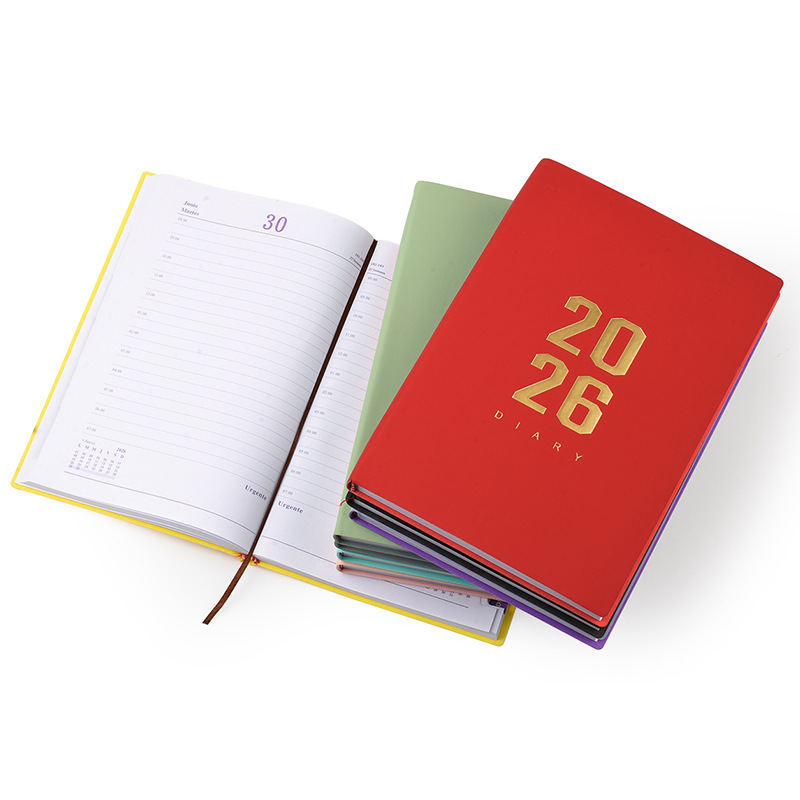
Midori’s design philosophy leans toward simplicity, but never at the cost of character. Notebooks come in a range of covers: some feature textured linen or canvas, others are wrapped in soft leather or patterned paper. The color palette leans toward earthy tones—muted greens, warm browns, and soft grays—that feel calming and timeless. Inside, pages are thoughtfully laid out: some include subtle date lines, others are left intentionally blank, inviting users to define their own structure. This balance of minimalism and warmth ensures that each notebook feels both functional and uniquely personal. For example, the “Pocket” series, with its compact size, is designed for users who need to jot down quick notes on the go, while the larger “A5” size caters to those who prefer more space for detailed journaling or sketching.
Durability Meets Portability
Midori notebooks are built to last. Many models use thread-bound construction, where pages are sewn together with strong, durable threads, preventing pages from tearing or falling out. This contrasts with glue-bound notebooks, which often lose pages over time. Additionally, Midori offers a variety of sizes to suit different lifestyles—from pocket-sized “pocket” notebooks that fit easily in a bag, to larger A5 sizes perfect for detailed journaling or sketching. This versatility makes them ideal for use at home, in the office, or on the go. For travelers, the “Travel Journal” series includes a water-resistant cover and reinforced binding, ensuring that even in wet conditions, their notes remain intact.
Beyond Writing: The Multifaceted Uses of Midori Notebooks
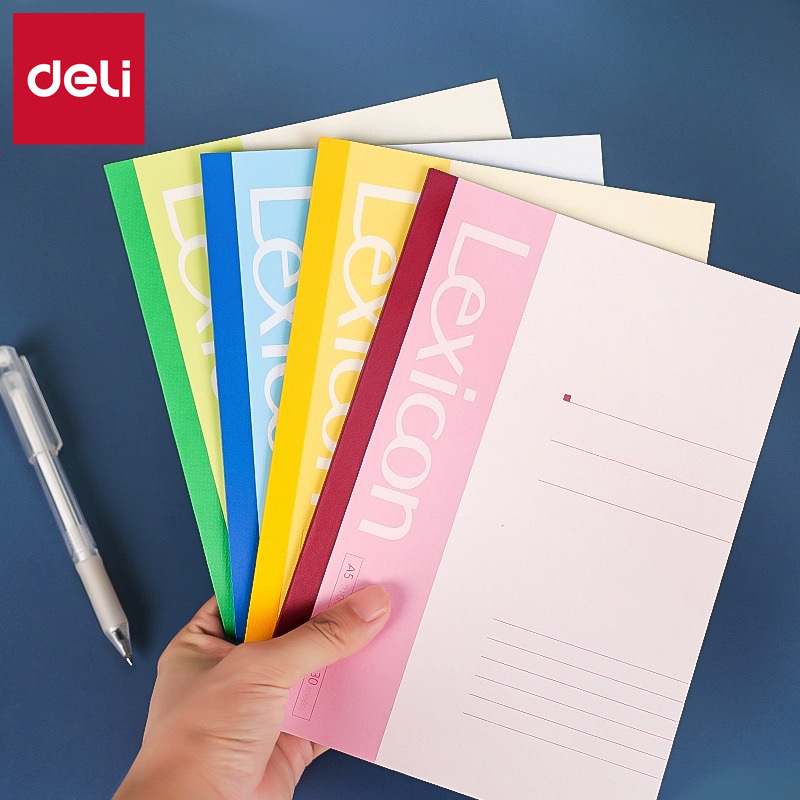
While Midori notebooks excel at their primary function—holding ink—they have evolved into versatile tools for creative and personal expression. Their adaptability has turned them into staples for artists, writers, travelers, and anyone seeking to infuse more intention into their daily lives.
Daily Reflections and Gratitude Practice
For many, a Midori notebook becomes a space for daily reflection. Some users dedicate entries to gratitude lists, jotting down three things they’re thankful for each morning. Others use them to process emotions, writing freely about challenges or joys. Research suggests that writing by hand can reduce stress and improve mental clarity, and Midori’s paper enhances this effect with its sensory appeal. The act of writing on a surface that feels substantial and satisfying amplifies the emotional impact of these practices. One user, a teacher, shared that her Midori notebook helped her manage classroom stress: “I write down my worries in the morning, and by the end of the day, I flip back to see how small they were. It’s like having a conversation with my past self.”
Creative Expression for Artists and Writers
Artists and writers often find Midori notebooks to be blank canvases for their craft. The smooth, absorbent paper works well for sketching, whether quick doodles or detailed illustrations. A local artist, Maria, uses her Midori notebook to draft ideas for her paintings: “The paper is thick enough to prevent tears when I erase, and the texture makes my pencils glide. It’s like an extension of my hand.” Writers, too, appreciate the freedom to draft ideas, poem fragments, or story outlines without worrying about the paper’s limitations. Some even use the margins for notes, turning a single page into a dynamic interplay of text and image. For creatives, Midori notebooks are less about perfection and more about exploration—encouraging experimentation and spontaneity.
Travel Journals: Capturing Moments in a Tangible Way
Traveling with a Midori notebook is a deeply immersive experience. Unlike digital photos or fleeting social media posts, a physical journal allows travelers to document their journey in real time. They might sketch a street scene, paste in a ticket stub, or write about a chance encounter with a local. These details, captured in ink and paper, create a sensory archive that feels more vivid and personal than any digital file. Years later, flipping through a travel journal can transport the user back to the sights, sounds, and emotions of their trip—an irreplaceable connection to the past. A traveler named Alex shared, “My Midori notebook from my trip to Japan is full of sketches of temples, notes on street food, and even a dried cherry blossom I pressed between pages. It’s more than a journal; it’s a time machine.”
The Cultural Significance of Midori in Modern Life
In a world increasingly dominated by digital interactions, Midori notebooks offer a counterbalance—a way to engage with the physical world and reconnect with oneself. Their role extends beyond stationery, touching on broader cultural trends that value mindfulness and intentionality.
Countering Digital Overload with Analog Warmth
Studies have shown that excessive screen time can lead to fatigue, reduced focus, and even anxiety. Midori notebooks, with their tactile pages and the ritual of writing by hand, provide a much-needed break from this cycle. The act of holding a pen, feeling the paper’s texture, and seeing ink appear on the page engages multiple senses, creating a sense of presence that digital devices rarely match. For many, using a Midori notebook is a form of self-care—a daily ritual that grounds them in the moment. A student, Lily, noted, “I used to scroll through my phone for hours before bed, but now I write in my Midori notebook instead. It helps me clear my mind and fall asleep faster.”
A Tool for Building Rituals
Rituals, even small ones, have the power to shape our lives. For users of Midori notebooks, the act of opening a notebook each morning or evening can become a meaningful ritual. It might involve setting intentions for the day, reflecting on the past, or simply scribbling down a random thought. These small acts of consistency add up, fostering a sense of stability and purpose. In this way, Midori notebooks are more than tools—they are anchors, helping users navigate the chaos of modern life with intention.
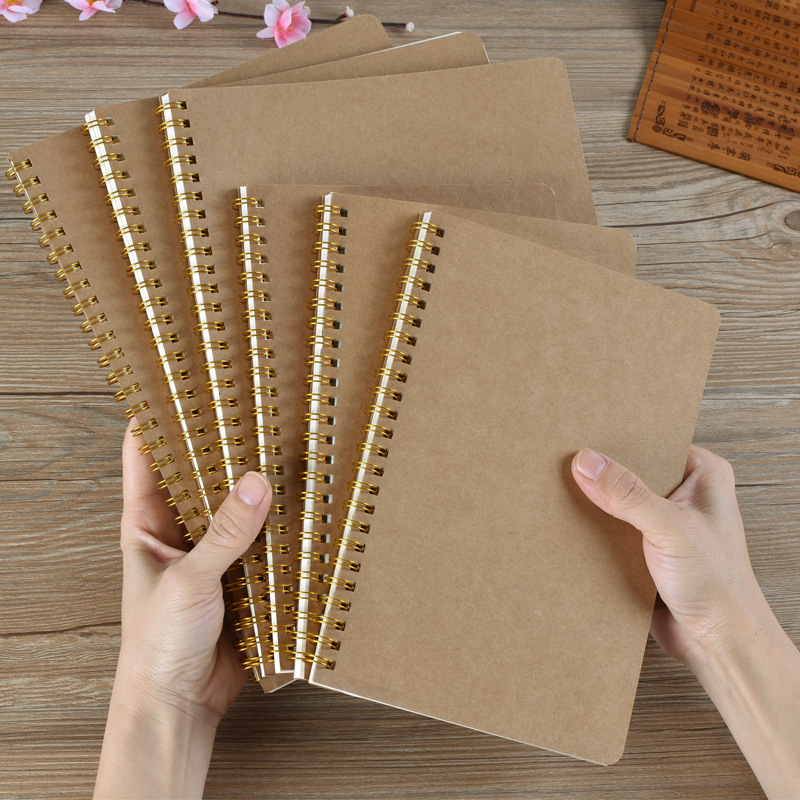
Choosing the Right Midori Notebook for Your Needs
Selecting a Midori notebook depends on your lifestyle, climate, and personal taste. Here’s what to consider:
Fit and Silhouette
- Body Type: For a streamlined look, opt for a coat that skims your curves (e.g., a trench coat for an hourglass figure). If you prefer comfort, choose an oversized style.
- Length: Ankle-length coats are elegant but may feel restrictive; knee-length or mid-calf offers a balance of warmth and mobility.
Color and Pattern
- Neutral Tones: Camel, black, gray, and cream are timeless and easy to pair with any outfit.
- Bold Colors: Burgundy, emerald, or red add drama—ideal for making a statement.
- Patterns: Plaid, houndstooth, or windowpane checks are trendy and add visual interest.
Lining and Details
- Lining: Silk or satin linings add luxury and prevent wool from itching against skin.
- Hardware: Brass or gold buttons, zippers, or buckles can elevate a coat’s sophistication.
Brand and Budget
- Luxury Brands: Designers like Burberry (trench coats), Max Mara (maxi coats), and The Row (oversized styles) offer timeless quality.
- Affordable Options: Brands like Zara, H&M, or Uniqlo provide stylish wool coats at accessible prices—perfect for budget-conscious shoppers.
Conclusion
In a digital age craving connection, Midori notebooks bridge the gap between screens and soul. Born from 1950s Japanese craftsmanship, they blend kotodama—the spirit of words—with functional beauty, offering more than paper and pens. Their legendary Tomoe River paper glides like a whisper, turning notes into tactile memories. Whether jotting gratitude, sketching sunsets, or documenting journeys, these notebooks invite presence. They’re not just tools—they’re companions, grounding us in moments that matter. In a world of speed, Midori teaches us to slow down, write intentionally, and let each page hold a piece of our story. Simple, warm, and lasting, they remind us: the best connections are written by hand.
How to purchase: https://looperbuy.com/search?keywords=midori+notebook&globalType=1688
Frequently Asked Questions
Q1: Can I use a Midori notebook for fountain pens? A: Yes, Midori’s Tomoe River paper is highly regarded for its compatibility with fountain pens. Its smooth surface and optimal absorbency prevent ink from feathering or bleeding, making it a favorite among fountain pen enthusiasts. Even with wet inks, the paper dries quickly without smudging, ensuring your writing remains crisp and clear.
Q2: How do I choose the right Midori notebook size for my needs? A: Consider your primary use: pocket-sized notebooks (around 3.5 x 5 inches) are ideal for on-the-go notes or travel journals, while A5 (5.8 x 8.3 inches) or larger sizes are better for detailed journaling, sketching, or organizing longer entries. If you prefer portability, go smaller; if you need space for creativity, opt for a larger format.
Q3: What eco-friendly practices does Midori implement? A: Midori is committed to sustainability, using recycled materials in some packaging and prioritizing eco-friendly production processes. While not all products are certified organic, the brand emphasizes reducing waste through durable, long-lasting designs—encouraging users to reuse or recycle notebooks once they’re full.
Q4: Can I customize the cover of a Midori notebook? A: Many Midori notebooks feature removable or interchangeable covers, allowing users to personalize their notebooks with stickers, washi tape, or hand-drawn designs. Some limited-edition models even offer custom cover options, letting you match the notebook to your personal style or a specific theme.
Q5: How does Midori’s design differ from other premium stationery brands? A: Midori stands out for its focus on functionality and cultural resonance. While other brands may prioritize aesthetics, Midori balances beauty with practicality—ensuring that each design element serves a purpose, whether it’s the durability of the binding or the smoothness of the paper. Additionally, its deep roots in Japanese “techo” culture give its products a unique sense of heritage and intentionality.
Hot Tags midori notebook, handmade paper journal, japanese craftsmanship, minimalist stationery, writing experience, creative tool notebook, travel journal notebook, gratitude practice journal, sustainable stationery, cultural heritage notebook