Table of Contents
Introduction: A Chair That Grows with Your Life
In a world dominated by mass-produced plastic and metal furniture, wooden folding chairs stand out as a testament to the enduring appeal of natural materials. These chairs, crafted from sustainably sourced wood, offer a unique blend of elegance, durability, and versatility—perfect for everything from cozy family dinners to rugged outdoor adventures. Whether you’re a homeowner seeking to elevate your dining space, a camper in search of lightweight gear, or a business owner aiming to enhance your café’s ambiance, wooden folding chairs deliver on both form and function. This article explores their design philosophy, material choices, practical applications, and tips for choosing and caring for these timeless pieces.
Design Philosophy: Where Nature Meets Ingenuity
Wooden folding chairs are more than just furniture—they’re a celebration of woodworking craftsmanship and user-centric design. At their core lies a philosophy that prioritizes ergonomics, sustainability, and adaptability, ensuring they meet the needs of modern lifestyles without compromising on beauty.
1. Ergonomic Structure: Comfort Without Compromise
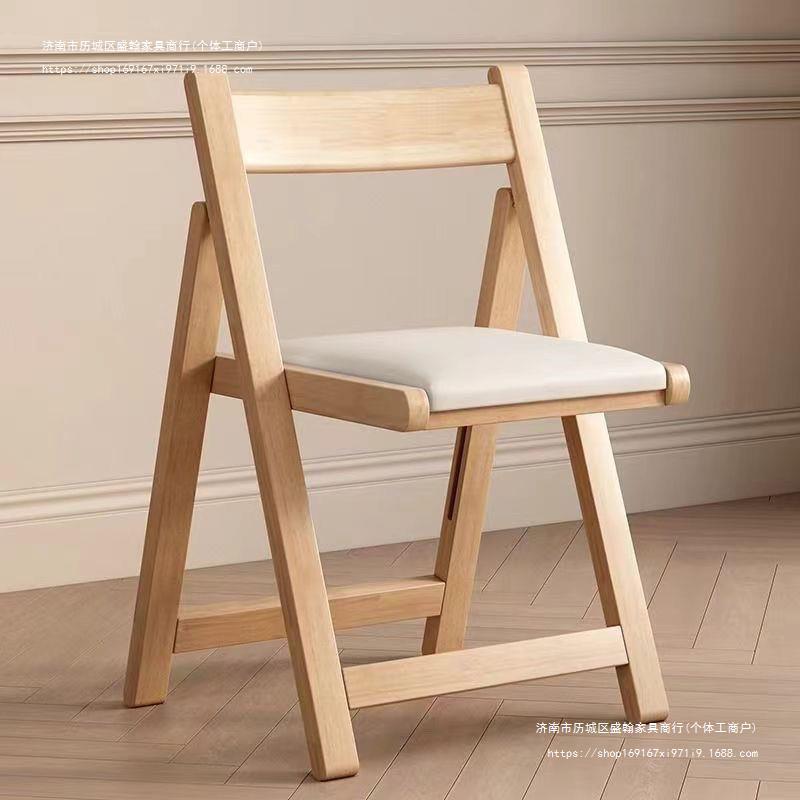
A well-designed wooden folding chair starts with its frame. Most models feature a triangular or rectangular frame made from hardwood (e.g., oak, maple) or softwood (e.g., pine), engineered to distribute weight evenly across the seat and backrest. Key ergonomic features include:
- Contoured Seats: Rounded edges and slightly curved seats reduce pressure points, making long sits more comfortable.
- Adjustable Backrests: Many chairs include a tilt mechanism (30–45°) to support the spine, mimicking the natural curve of the back.
- Sturdy Legs: Reinforced legs (often with cross-bracing) prevent wobbling, even on uneven surfaces like wooden decks or grassy lawns.
2. Folding Mechanism: Portability Redefined
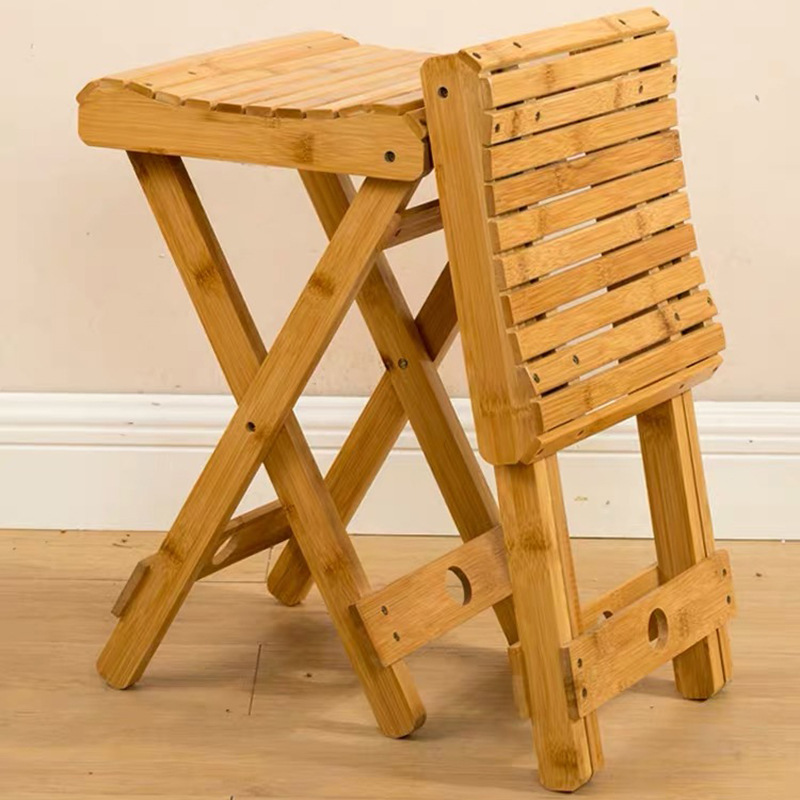
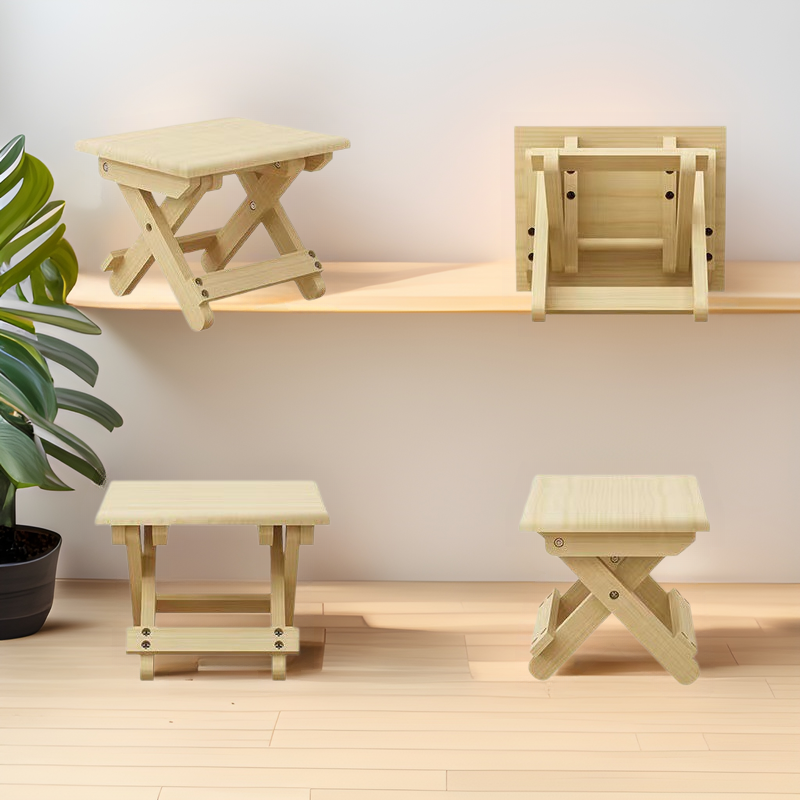
The hallmark of a folding chair is its ability to collapse into a compact size for easy storage or transport. Modern designs use piano hinge mechanisms or sliding rail systems that allow the chair to fold flat (typically to 3–4 inches thick) without compromising structural integrity. Some premium models even feature quick-release latches for one-handed folding, adding convenience to busy lifestyles.
3. Aesthetic Versatility: From Rustic to Modern
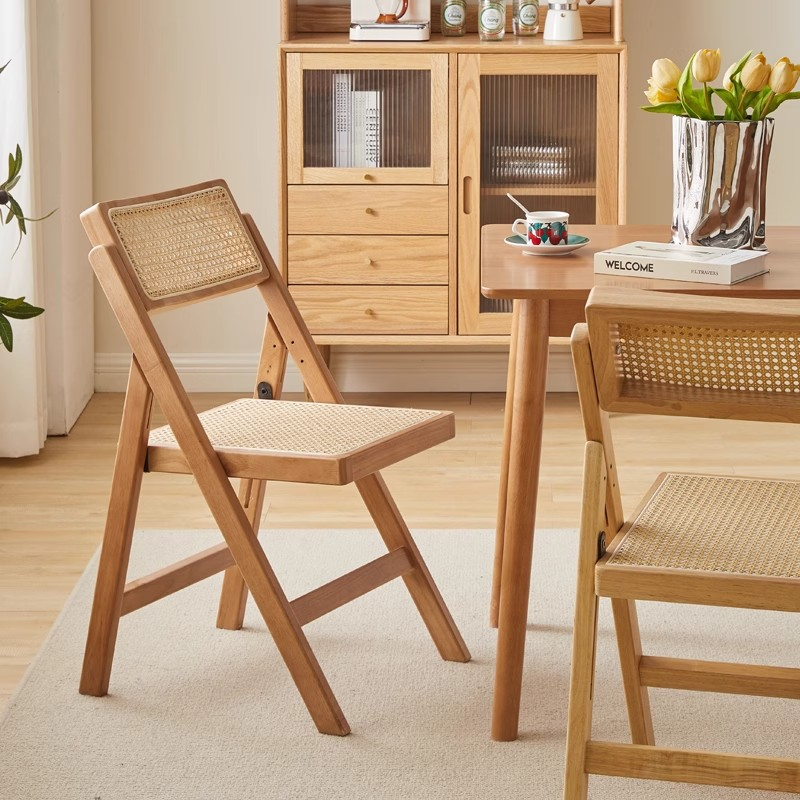
Wooden folding chairs are chameleons in the world of furniture. Their natural wood grain and warm tones make them adaptable to nearly any decor style:
- Rustic Charm: Unfinished oak or cedar chairs with a hand-rubbed oil finish add coziness to cabin kitchens or farmhouses.
- Modern Minimalism: Sanded smooth and finished with a matte varnish, maple or birch chairs complement Scandinavian or industrial interiors.
- Vintage Appeal: Distressed finishes or hand-painted details (e.g., white-washed pine) evoke a bygone era, perfect for bohemian living rooms or vintage cafes.
Materials: The Heart of the Chair
The choice of wood and finish directly impacts a folding chair’s durability, appearance, and eco-friendliness. Here’s a breakdown of the most popular options:
1. Hardwoods: Durability for High-Traffic Use
Hardwoods like oak, maple, and walnut are prized for their density and resistance to wear. They’re ideal for chairs that will see daily use (e.g., family dining chairs or commercial café seating):
- Oak: Known for its prominent grain and strength, oak chairs develop a rich patina over time, enhancing their character.
- Maple: Lighter in color with a tight grain, maple resists scratches better than oak and takes stains uniformly.
- Walnut: Luxuriously dark and oily, walnut adds elegance to high-end spaces but requires more frequent maintenance to prevent drying.
2. Softwoods: Lightweight and Budget-Friendly
Softwoods like pine, cedar, and spruce are lighter and more affordable, making them popular for casual or seasonal use:
- Pine: Soft and easy to work with, pine chairs are often used in DIY projects or as temporary outdoor seating. Look for kiln-dried pine to reduce warping.
- Cedar: Naturally rot-resistant and aromatic, cedar is a top choice for outdoor chairs (e.g., patio or garden sets). Its warm, reddish hue fades gently over time, creating a weathered look.
- Spruce: Lightweight and durable, spruce is often used in children’s furniture or as accent chairs in modern spaces.
3. Eco-Friendly Finishes: Protecting the Planet
To ensure longevity without harming the environment, many manufacturers use water-based stains, natural oils (e.g., linseed, tung oil), or non-toxic sealants. These finishes:
- Enhance Durability: Block moisture and UV rays to prevent cracking or fading.
- Preserve Wood Grain: Highlight the natural beauty of the wood without masking its texture.
- Reduce VOCs: Safe for indoor use, especially in homes with children or pets.
Application Scenarios: From Home to Adventure
Wooden folding chairs thrive in diverse environments, adapting to both everyday needs and special occasions:
1. Family Homes: Where Comfort Meets Style
In dining rooms, kitchens, or sunrooms, wooden folding chairs add warmth and versatility. A set of oak chairs with a buttery finish can anchor a rustic farm table, while maple chairs in a Scandinavian kitchen provide a sleek, modern contrast. Their foldable design also makes them easy to store during parties or when extra seating isn’t needed.
2. Outdoor Spaces: Weatherproof and Rugged
For patios, gardens, or camping trips, softwood chairs (e.g., cedar or pressure-treated pine) are ideal. Many come with weather-resistant finishes (e.g., marine-grade varnish) to withstand rain, UV rays, and insect damage. Cedar chairs, in particular, repel mold and mildew naturally, making them a low-maintenance choice for busy homeowners.
3. Commercial Venues: Elevating Guest Experiences
Cafés, bistros, and boutique hotels often use wooden folding chairs to create a welcoming atmosphere. A mix of oak and walnut chairs around a communal table fosters a sense of community, while sleek birch chairs in a modern café align with a minimalist brand aesthetic. Their portability also allows businesses to rearrange seating for events or seasonal promotions.
4. Travel & Adventure: Lightweight and Reliable
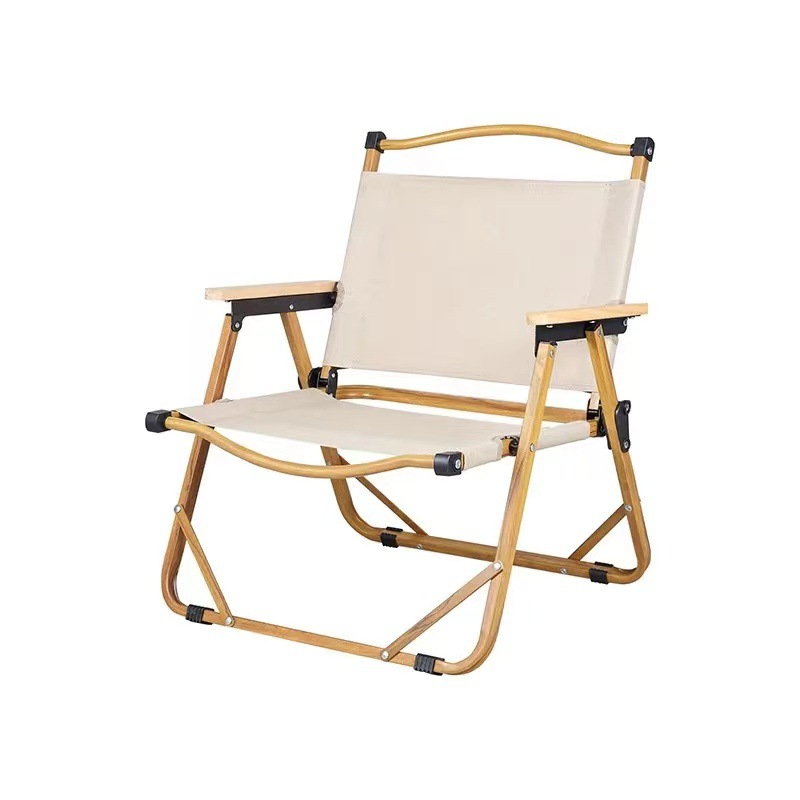
Camping, road trips, or visiting friends? Folding wooden chairs (often made from lightweight pine or bamboo) fit easily into car trunks or backpacks. Their sturdy frames and non-slip rubber feet prevent slipping on uneven terrain, while their natural look complements outdoor gear.
Buying Guide: Key Considerations
Choosing the right wooden folding chair depends on your lifestyle, budget, and intended use. Here’s what to prioritize:
1. Usage Frequency
- Daily Use: Invest in hardwood chairs (oak, maple) with reinforced frames and weather-resistant finishes.
- Occasional Use: Softwood chairs (pine, cedar) or budget-friendly composite wood options work well.
2. Environment
- Indoor: Opt for chairs with a smooth finish (e.g., lacquer or wax) to resist scuffs and stains.
- Outdoor: Choose rot-resistant softwoods (cedar) or pressure-treated lumber, and ensure the finish is labeled “exterior-grade.”
3. Comfort & Size
Measure your space to ensure the chair fits through doorways and complements your table height (standard chair height: 18–20 inches). For larger bodies, look for chairs with a 19–21-inch seat width.
4. Brand & Quality
Stick to reputable brands known for craftsmanship, such as Herman Miller (modern designs), Ballard Designs (rustic styles), or REI (outdoor-focused models). Check for warranties (3–5 years is standard) to protect against defects.
5. Sustainability
Look for certifications like FSC (Forest Stewardship Council) to ensure the wood is sourced responsibly. Avoid chairs made from endangered species or non-recyclable materials.
Conclusion: A Chair That Tells a Story
Wooden folding chairs are more than just furniture—they’re a blend of nature, craftsmanship, and practicality. Whether you’re hosting a dinner party, camping under the stars, or sprucing up your home office, these chairs offer unmatched versatility and timeless appeal. By choosing the right wood, finish, and design, you can enjoy a chair that not only meets your needs but also becomes a cherished part of your daily life.
How to purchase: https://looperbuy.com/search?keywords=wooden+folding+chair&globalType=1688
Common Questions About Wooden Folding Chairs
1. Do wooden folding chairs warp over time? With proper care, high-quality wooden chairs resist warping. Avoid placing them in direct sunlight or near heat sources (e.g., fireplaces), and use a humidifier in dry climates to maintain moisture levels.
2. Can I paint or stain my wooden folding chair? Yes—most chairs can be refinished. Sand the surface lightly first, then apply a wood stain or paint compatible with your chair’s type (e.g., oil-based stains for hardwoods).
3. Are wooden folding chairs safe for kids? Look for chairs with rounded edges and no sharp corners. Avoid chairs with small parts that could detach, and supervise young children during use.
4. How do I clean a wooden folding chair? Wipe spills immediately with a soft, dry cloth. For deeper cleaning, use a mild soap solution (dish soap + water) and a soft brush, then dry thoroughly to prevent water damage.
5. Do wooden folding chairs fold easily? Premium models feature smooth folding mechanisms, but older or budget chairs may require more effort. Avoid forcing the fold—check for obstructions like dirt or debris in the hinges.
Hot Tags: Wooden folding chair; Eco-friendly folding chair; Rustic dining chair; Outdoor folding chair; Ergonomic folding chair; Vintage folding chair; Sustainable woodworking; Hardwood vs softwood chairs; Folding chair maintenance; Modern wooden furniture