Table of Contents
Introduction: Why Your Pet Deserves a Leash Sleeve
A well-loved pet leash is more than just a tool—it’s a lifeline for your furry companion during walks, hikes, or trips to the dog park. But over time, exposure to dirt, rain, rough terrain, or even your pet’s own claws can turn that trusty leash into a frayed, tangled mess. Enter the pet leash sleeve: a protective, stylish cover designed to shield your leash from damage while keeping it clean, tangle-free, and ready for action. Whether you’re a seasoned dog parent or a new pet owner, a leash sleeve is a small investment that pays off in durability, convenience, and peace of mind. This article explores what makes these sleeves indispensable, how to choose the right one, and tips to keep both your pet and gear happy.
What Is a Pet Leash Sleeve? More Than Just a Cover
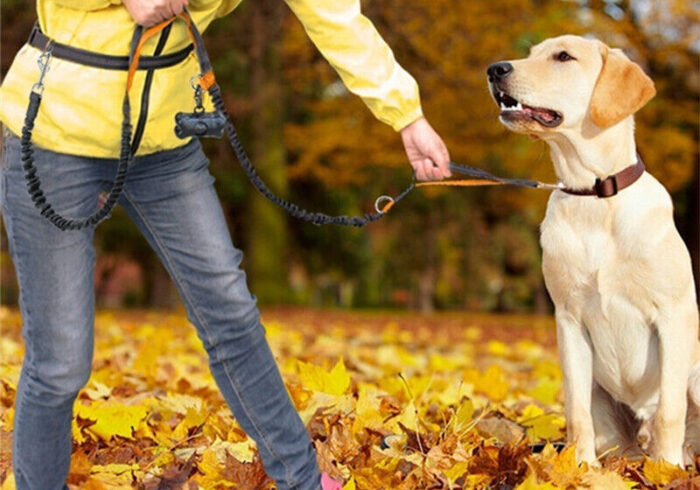
A pet leash sleeve is a cylindrical or tubular accessory that slides over your existing leash (leash, retractable lead, or even a rope) to protect it from wear, tear, and environmental damage. Think of it as a “second skin” for your leash—designed to:
- Shield against abrasion: Prevents fraying from rubbing against fences, trees, or rocky paths.
- Repel moisture: Keeps rain, snow, or puddles from seeping into the leash’s fibers.
- Reduce tangling: Smooth, slippery materials (like nylon or TPU) prevent the leash from getting knotted.
- Enhance grip: Textured exteriors make it easier to hold onto during walks, even with wet or muddy paws.
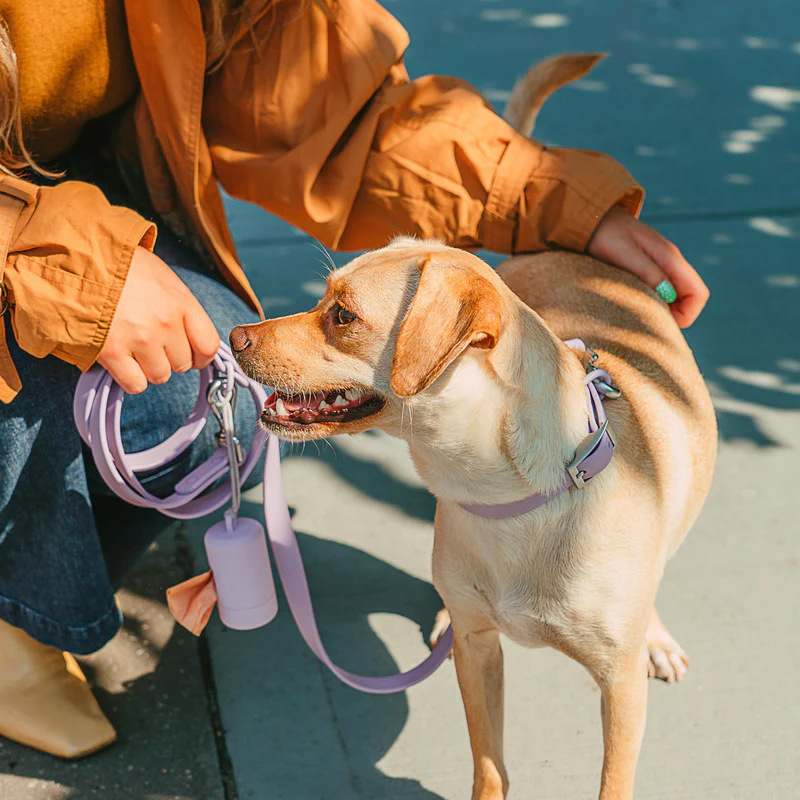
While basic sleeves are purely functional, many modern designs blend practicality with style—featuring vibrant colors, patterns, or reflective strips for visibility at night.
Design & Materials: What Makes a Great Leash Sleeve?
Not all leash sleeves are created equal. The best options balance durability, comfort, and aesthetics, with features tailored to your pet’s needs and your lifestyle. Here’s what to look for:
1. Material: Durability Meets Safety
The material of your leash sleeve determines how long it lasts and how well it protects your leash. Common options include:
- Nylon: Lightweight, water-resistant, and abrasion-resistant—ideal for daily walks. Look for reinforced stitching to prevent tears.
- TPU (Thermoplastic Polyurethane): Flexible, stretchy, and chemical-resistant. Great for retractable leashes or pets that pull aggressively.
- Neoprene: Soft, squishy, and waterproof—perfect for cold-weather walks or pets with sensitive paws (prevents cold metal clips from irritating their mouths).
- Cotton Blend: Eco-friendly and breathable, but less durable than synthetic options. Best for short walks or decorative purposes.
2. Fit: Snug but Not Too Tight
A properly fitting sleeve should slide easily over your leash without stretching or slipping. Key measurements include:
- Inner Diameter: Matches the width of your leash (most leashes are ½–1 inch wide; check your leash’s specs).
- Length: Should cover the entire length of the leash you plan to protect (standard sleeves range from 12–36 inches).
3. Safety Features: Protecting Your Pet and You
- Reflective Strips: Increase visibility during dawn/dusk walks, keeping both you and your pet safe.
- Bite-Resistant Materials: Reinforced edges prevent your pet from chewing through the sleeve (critical for teething puppies or heavy chewers).
- Non-Toxic Coatings: Ensure the sleeve is free of harmful chemicals (e.g., BPA, phthalates) that could irritate your pet’s skin.
Why Every Pet Parent Needs a Leash Sleeve
Beyond basic protection, these sleeves offer unexpected benefits that enhance your daily walks:
1. Extend the Life of Your Leash
A good sleeve can double the lifespan of your leash by shielding it from friction, moisture, and UV damage. This saves you money in the long run—no more replacing frayed leashes every few months.
2. Keep Your Leash Clean
Sleeves act as a barrier against dirt, mud, and dog hair, making post-walk cleanup a breeze. Simply wipe the sleeve with a damp cloth instead of scrubbing the entire leash.
3. Reduce Tangling and Frustration
Smooth, slippery materials prevent the leash from twisting or knotting, even during active play. This means fewer “leash wars” and more enjoyable walks for both you and your pet.
4. Elevate Your Style
Leash sleeves come in a rainbow of colors and patterns—from neon pink to camo prints—letting you express your personality while keeping your gear functional.
5. Protect Your Pet’s Mouth
For pets that bite or chew their leash, a thick, durable sleeve (like neoprene or TPU) acts as a buffer, preventing painful cuts or injuries.
How to Choose the Right Leash Sleeve for Your Pet
Selecting the perfect sleeve depends on your pet’s size, breed, and walking habits. Here’s a step-by-step guide:
1. Measure Your Leash
Check the width of your leash (most are labeled) and choose a sleeve with a matching inner diameter. If your leash is ¾ inch wide, opt for a sleeve with a ¾–1 inch inner diameter to ensure a snug fit.
2. Consider Your Pet’s Activity Level
- High-energy breeds (e.g., Border Collies, Huskies): Choose durable materials like nylon or TPU to withstand pulling and rough play.
- Small or senior pets: Opt for softer materials (neoprene or cotton) for comfort.
- Puppies or heavy chewers: Prioritize bite-resistant sleeves with reinforced edges.
3. Think About Weather and Terrain
- Rainy/snowy climates: Water-resistant materials (TPU, neoprene) are a must.
- Rocky trails: Abrasion-resistant nylon or TPU will protect against scratches.
- Urban walks: Sleeker, low-profile sleeves (nylon) reduce bulk and keep your pet comfortable.
4. Match Your Style
Leash sleeves are available in endless designs—from solid colors to patterns like zebra, galaxy, or floral. Pick one that complements your pet’s collar or your personal aesthetic.
Maintenance Tips: Keeping Your Leash Sleeve in Top Shape
Even the best sleeve needs care to last. Follow these steps to extend its lifespan:
1. Clean Regularly
Wipe the sleeve with a mild soap and water solution after muddy walks. For tough stains, use a pet-safe stain remover. Avoid harsh chemicals that could degrade the material.
2. Dry Thoroughly
After cleaning, hang the sleeve to air-dry. Avoid direct sunlight, as UV rays can fade colors over time.
3. Inspect for Damage
Check for tears, loose stitching, or worn edges before each use. Small tears can be sewn up, but severe damage may require replacing the sleeve.
4. Store Properly
Roll the sleeve loosely or fold it to prevent creasing. Store it in a dry, cool place (not in direct sunlight) to avoid mold or fading.
Conclusion: Protect Your Pet’s Gear, Elevate Your Walks
A pet leash sleeve is more than just a practical accessory—it’s a commitment to your pet’s comfort, your peace of mind, and the longevity of your gear. By shielding your leash from damage, keeping it clean, and reducing frustration, these sleeves transform ordinary walks into enjoyable adventures. Whether you’re strolling through the park, hiking a trail, or navigating busy streets, a well-chosen leash sleeve ensures you and your pet are always ready for the next outing.
How to purchase: https://looperbuy.com/search?keywords=ask+to+pet+leash+sleeve&globalType=1688
Common Questions About Pet Leash Sleeves
1. Do leash sleeves affect my pet’s ability to pull? No—most sleeves are designed to be lightweight and flexible, so they don’t restrict your pet’s movement. For heavy pullers, opt for stretchy TPU sleeves that move with your pet.
2. Can I use a leash sleeve with a retractable leash? Yes—many sleeves are designed to fit retractable leads. Look for “retractable-compatible” sleeves with a larger inner diameter to accommodate the leash’s mechanism.
3. Are leash sleeves safe for puppies? Absolutely—just choose a soft, non-toxic material (neoprene or cotton) and ensure it’s free of small parts that could be a choking hazard.
4. How do I know if the sleeve is the right size? Measure your leash’s width (in inches) and compare it to the sleeve’s inner diameter. A snug fit (no slack) is ideal—too loose and the sleeve will slip; too tight and it may tear.
5. Can I wash my leash sleeve in the washing machine? It depends on the material. Nylon and TPU sleeves are usually machine-washable (use cold water and gentle cycle). Neoprene or cotton sleeves may shrink—hand-wash instead.
Hot Tags: Pet leash sleeve; Leash protector; Dog walking gear; Leash maintenance; Pet accessories; Durable pet leash; Weather-resistant leash sleeve; Chew-resistant leash cover; Stylish pet leash; Walk-friendly pet gear