Plastic furniture covers are an essential accessory for anyone looking to protect their furniture from dust, spills, and wear. These covers are particularly popular among homeowners who want to maintain the appearance and longevity of their furniture. In this article, we will explore the various aspects of plastic furniture covers, including their benefits, types, and tips for choosing the right cover for your needs.
Table of Contents
Understanding Plastic Furniture Covers
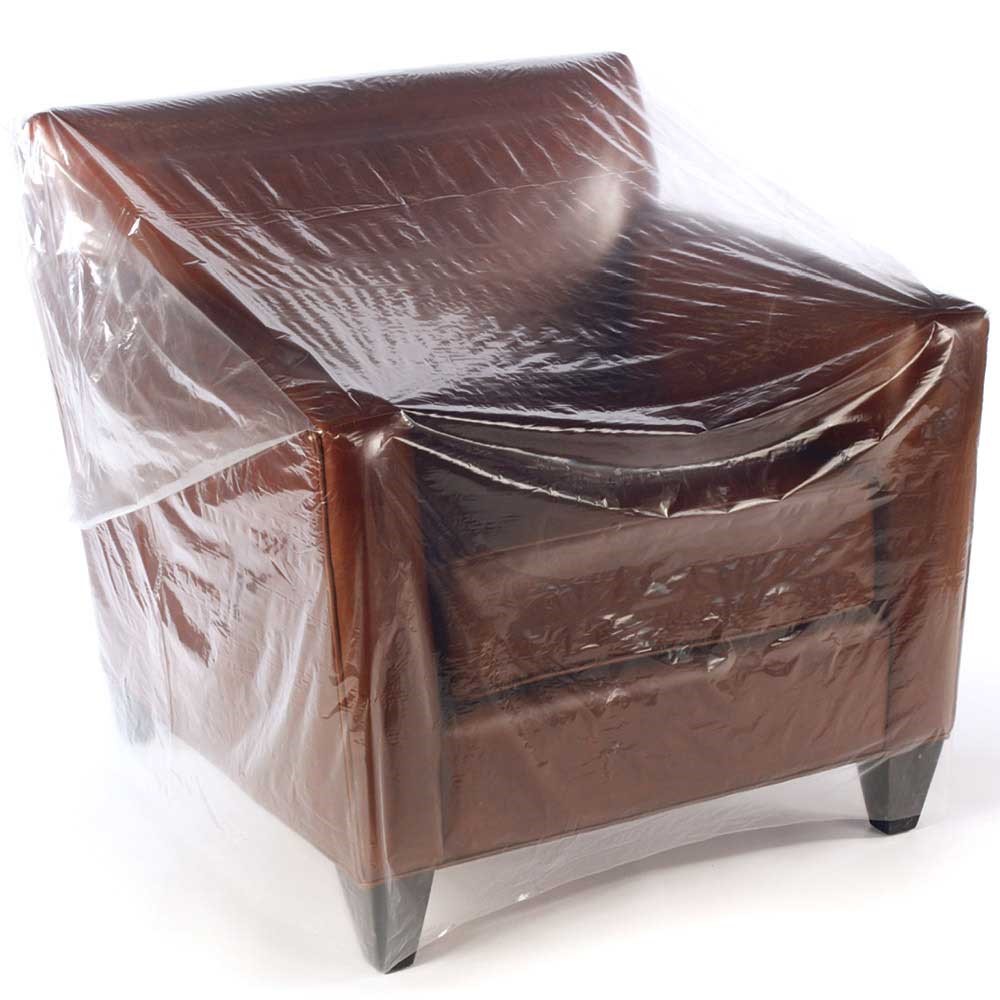
Plastic furniture covers are protective sheets made from various types of plastic materials. They are designed to fit over furniture items such as sofas, chairs, tables, and more. The primary purpose of these covers is to shield furniture from damage caused by dust, moisture, pets, and everyday wear and tear. By creating a barrier between your furniture and potential hazards, these covers help to keep your items looking new and extend their lifespan.
In addition to their protective qualities, plastic furniture covers can also be a stylish addition to your home decor. Many modern covers are designed with aesthetics in mind, offering a sleek and polished look that complements various interior styles. This means you can protect your furniture without sacrificing style, making them a practical choice for any home.
Benefits of Using Plastic Furniture Covers
One of the main advantages of using plastic furniture covers is their ability to protect your furniture from spills and stains. Whether you have children, pets, or simply enjoy entertaining guests, accidents can happen. A plastic cover acts as a barrier, preventing liquids from soaking into the fabric or wood of your furniture. This is particularly important for upholstered items, where stains can be difficult to remove and may lead to permanent damage.
Another significant benefit is the ease of cleaning. Most plastic covers can be wiped down with a damp cloth, making maintenance simple and quick. This is especially useful for families with young children or pets, where messes are more likely to occur. Instead of worrying about deep cleaning your furniture after every spill, you can simply remove the cover, clean it, and put it back in place.
Additionally, plastic furniture covers can help preserve the color and texture of your furniture. Over time, exposure to sunlight can cause fabrics to fade. By using a cover, you can protect your furniture from UV rays, extending its lifespan and keeping it looking new. This is particularly beneficial for outdoor furniture, which is often exposed to harsh weather conditions and sunlight.

Types of Plastic Furniture Covers
There are several types of plastic furniture covers available on the market, each designed for specific furniture pieces and purposes. Understanding the different types can help you make an informed decision when selecting covers for your home.
1. Sofa Covers
Sofa covers are designed to fit over couches and sectionals. They come in various sizes and styles, ensuring a snug fit. Many sofa covers are transparent, allowing the original fabric to show through while providing protection. This is ideal for those who want to maintain the aesthetic appeal of their furniture while still safeguarding it from potential damage.
In addition to standard sizes, some manufacturers offer custom options, allowing you to get a cover that perfectly fits your unique sofa shape. This ensures that every corner is protected, and the cover stays in place, even with regular use.
2. Chair Covers
Chair covers are available for different types of chairs, including dining chairs, armchairs, and recliners. These covers can be fitted or loose, depending on the design of the chair. They are particularly useful in dining areas where spills are common. A well-fitted chair cover can prevent food and drink stains, making cleanup after meals much easier.
Moreover, chair covers can also add a layer of comfort. Some covers are padded or lined, providing extra cushioning for your seating. This can enhance the overall sitting experience, making your chairs more enjoyable to use.
3. Table Covers
Table covers protect dining tables and coffee tables from scratches and spills. They are often thicker than sofa and chair covers, providing a more robust layer of protection. Many table covers are designed to be easy to clean, allowing you to simply wipe them down after use.
In addition to protection, table covers can also serve as decorative elements. Many come in various colors and patterns, allowing you to choose a cover that complements your home decor. This way, you can protect your table while also enhancing the overall look of your space.
4. Outdoor Furniture Covers
Outdoor plastic furniture covers are designed to withstand the elements. These covers are typically made from heavier-duty plastic and are waterproof, ensuring that your outdoor furniture remains protected from rain, snow, and UV rays. Investing in high-quality outdoor covers can significantly extend the life of your patio furniture, saving you money in the long run.
These covers often come with features such as ventilation to prevent moisture buildup and straps to secure them against wind. This ensures that your furniture remains protected even in harsh weather conditions, allowing you to enjoy your outdoor space without worry.
Choosing the Right Plastic Furniture Cover
When selecting a plastic furniture cover, there are several factors to consider to ensure you choose the right one for your needs. Taking the time to evaluate these aspects can help you make a more informed decision.
Size and Fit
The first step is to measure your furniture accurately. Covers that are too small will not provide adequate protection, while those that are too large may look unsightly and can be easily displaced. Always refer to the manufacturer’s sizing guide to find the best fit. A well-fitted cover will not only look better but will also provide better protection against dust and spills.
If you have custom or unique furniture shapes, consider looking for brands that offer tailored options. This can ensure that every piece of furniture in your home is adequately protected.
Material Quality
Not all plastic covers are created equal. Look for covers made from high-quality, durable plastic that can withstand wear and tear. Thicker materials tend to offer better protection and are less likely to tear or puncture. Additionally, consider covers that are resistant to UV rays, especially for outdoor furniture, to ensure they maintain their integrity over time.
Reading customer reviews can also provide insight into the durability and quality of the covers you are considering. Look for feedback on how well the covers hold up over time and under various conditions.
Transparency
If you want to maintain the aesthetic of your furniture, opt for transparent covers. These allow the original fabric or finish to show through while still providing protection. However, if you prefer a more uniform look, consider opaque covers. Some covers even come in decorative patterns, allowing you to add a touch of style while protecting your furniture.
Ease of Use
Consider how easy the cover is to put on and take off. Some covers come with elastic edges or straps to keep them securely in place, while others may require more effort to fit properly. Choose a design that suits your lifestyle and preferences. If you plan to remove the covers frequently, look for options that are lightweight and easy to handle.
Maintenance Tips for Plastic Furniture Covers
To ensure your plastic furniture covers last as long as possible, proper maintenance is essential. Regular care can help you avoid the need for frequent replacements and keep your furniture looking great.
Regular Cleaning
Wipe down your covers regularly with a damp cloth to remove dust and spills. For tougher stains, a mild soap solution can be used. Avoid harsh chemicals that could damage the plastic. Regular cleaning not only keeps your covers looking fresh but also prevents the buildup of dirt and grime that can lead to discoloration.
If your covers are machine washable, follow the manufacturer’s instructions for washing and drying to maintain their quality. This can save you time and effort in the long run.
Avoid Direct Sunlight
While many plastic covers are UV resistant, prolonged exposure to direct sunlight can still cause them to become brittle over time. If possible, position your furniture in a way that minimizes sun exposure or use curtains to block sunlight. This is especially important for outdoor furniture, where the sun can cause significant wear and tear.
Store Properly
When not in use, store your plastic covers in a cool, dry place. Avoid folding them in a way that could create creases, as this may weaken the material over time. Proper storage can help extend the life of your covers, ensuring they remain effective when you need them.
Conclusion
Plastic furniture covers are a practical solution for protecting your furniture from damage. With various types available, you can find the perfect cover for your needs, whether for indoor or outdoor use. By choosing high-quality materials and maintaining your covers properly, you can extend the life of your furniture and keep it looking great for years to come. Investing in plastic furniture covers is not just about protection; it’s about preserving the beauty and functionality of your home.
How to purchase:https://looperbuy.com/search?keywords=Plastic+Furniture+Covers
Frequently Asked Questions
1. Are plastic furniture covers waterproof?
Yes, many plastic furniture covers are designed to be waterproof, making them ideal for protecting against spills and moisture. This feature is particularly beneficial for outdoor furniture, where rain and humidity can cause significant damage.
2. Can I use plastic covers on outdoor furniture?
Absolutely! There are specific plastic covers designed for outdoor furniture that are durable and weather-resistant. These covers are made to withstand the elements, ensuring your furniture remains protected from rain, snow, and UV rays.
3. How do I clean plastic furniture covers?
Most plastic covers can be wiped down with a damp cloth. For tougher stains, a mild soap solution can be used. If the covers are machine washable, follow the manufacturer’s instructions for washing and drying to maintain their quality.
4. Will plastic covers make my furniture look unattractive?
Transparent plastic covers allow the original fabric to show through, maintaining the aesthetic of your furniture. Opaque covers can provide a uniform look, and many come in decorative patterns, allowing you to protect your furniture while enhancing your decor.
5. How do I know what size cover to buy?
Measure your furniture accurately and refer to the manufacturer’s sizing guide to ensure a proper fit. A well-fitted cover will not only look better but will also provide better protection against dust and spills.