Table of Contents
Introduction
When it comes to shipping or storing televisions, having the right TV packing box is absolutely essential. A proper TV packing box not only protects your valuable electronic device from damage during transit but also offers peace of mind. Whether you’re moving to a new home, relocating your office, or shipping a TV as a gift, understanding the ins and outs of TV packing boxes can make all the difference. In this comprehensive guide, we will delve into everything you need to know about TV packing boxes, from their features and materials to how to choose the right one for your specific needs.
What is a TV Packing Box?
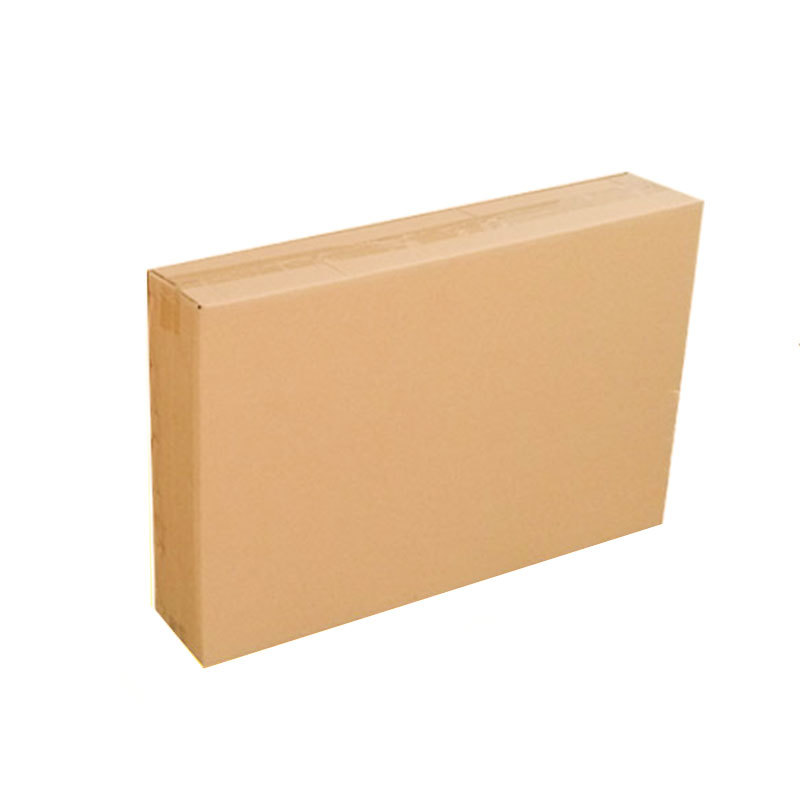
A TV packing box is a specially designed container intended to safely house and protect television sets during transportation or storage. These boxes are engineered to provide adequate cushioning, secure fitting, and durability to withstand the rigors of handling and moving. Unlike regular cardboard boxes, TV packing boxes are tailored to meet the unique requirements of TV shipping, ensuring minimal risk of damage to your screen and components.
Why Use a TV Packing Box?
Using a dedicated TV packing box offers several critical benefits that can safeguard your investment:
- Protection from Physical Damage: TVs, especially modern flat-screen models, are highly susceptible to scratches, cracks, and impacts. A well-constructed packing box with proper cushioning materials can absorb shocks and prevent physical harm to the screen and body.
- Security During Transit: When shipping or moving, TVs need to stay in place and avoid unnecessary movement within the box. TV packing boxes are designed with secure fitting mechanisms to keep the TV stable during transportation.
- Climate Control: Some high-quality TV packing boxes come with features that help regulate temperature and humidity, protecting your TV from condensation and temperature extremes that could affect its performance.
- Ease of Handling: A proper TV packing box often includes handles or reinforced edges, making it easier for movers or shipping personnel to handle the box without risking damage to the TV or injury to themselves.
Materials Used in TV Packing Boxes
The effectiveness of a TV packing box largely depends on the materials used in its construction. Understanding these materials can help you make a more informed decision when selecting a box for your TV.
Corrugated Cardboard
Corrugated cardboard is the most common material used for TV packing boxes. It consists of a fluted (wave-shaped) paper layer sandwiched between two flat liners. The fluting provides strength and cushioning, making it an excellent material for absorbing impacts. The thickness and quality of the corrugated cardboard can vary, with higher-quality boxes offering better protection.
Single-Wall vs. Double-Wall Corrugated Cardboard
- Single-Wall Corrugated Cardboard: This is the standard material for many TV packing boxes. It provides decent protection for smaller TVs and general shipping purposes. However, it may not be sufficient for very large or heavy TVs.
- Double-Wall Corrugated Cardboard: Featuring two layers of fluting, double-wall cardboard offers enhanced strength and cushioning. It is highly recommended for larger TVs (50 inches and above) and situations where extra protection is necessary, such as long-distance shipping.
Foam Padding and Cushioning
To further protect your TV within the packing box, foam padding materials are often used. These materials provide additional cushioning around the screen and edges, absorbing shocks and preventing movement.
- Polystyrene Foam (Styrofoam): This lightweight and rigid foam is commonly used for corner protection and as insert pads. However, it can be brittle and may not provide sufficient cushioning for high-impact situations.
- Polyethylene Foam: A more flexible and durable option, polyethylene foam conforms to the shape of your TV, offering excellent cushioning and protection. It is often used as edge protectors and填充 material within the box.
- Bubble Wrap: While not typically part of the packing box itself, bubble wrap is frequently used in conjunction with TV packing boxes. It provides an extra layer of cushioning around the TV screen and components.
Plastic Components
Some TV packing boxes incorporate plastic elements to enhance security and protection.
- Plastic Corner Protectors: These reinforced corner caps protect the vulnerable corners of your TV from impacts during handling.
- Strapping and Buckles: Heavy-duty plastic strapping with Buckles can be used to secure the TV tightly within the box, preventing movement during transit.
Key Features of High-Quality TV Packing Boxes
Not all TV packing boxes are created equal. When searching for the perfect box for your TV, look for these key features that indicate a high-quality product:
Custom-Fit Design
A high-quality TV packing box should be specifically designed to fit your TV’s dimensions. TVs come in various sizes, from small 24-inch models to massive 85-inch displays. A custom-fit box ensures that your TV sits securely with minimal movement. Some boxes even offer adjustable compartments or inserts to accommodate different TV sizes within the same box.
Reinforced Edges and Corners
The edges and corners of a TV packing box are particularly susceptible to impacts during shipping and handling. Reinforced edges and corners, often made with additional layers of corrugated cardboard or plastic corner protectors, provide extra defense against bumps and drops.
Cushioning System
An effective cushioning system is crucial for protecting your TV. Look for boxes that include built-in foam padding, air columns, or other cushioning materials that surround your TV and absorb shocks. The cushioning should be sufficient to prevent the TV from touching the sides of the box.
Secure Closing Mechanism
The box should have a reliable closing mechanism that keeps it sealed during transit. This can include strong adhesive tape, heavy-duty strapping, or built-in locking tabs. A secure closure prevents the box from opening accidentally and ensures your TV remains protected.
Moisture-Resistant Properties
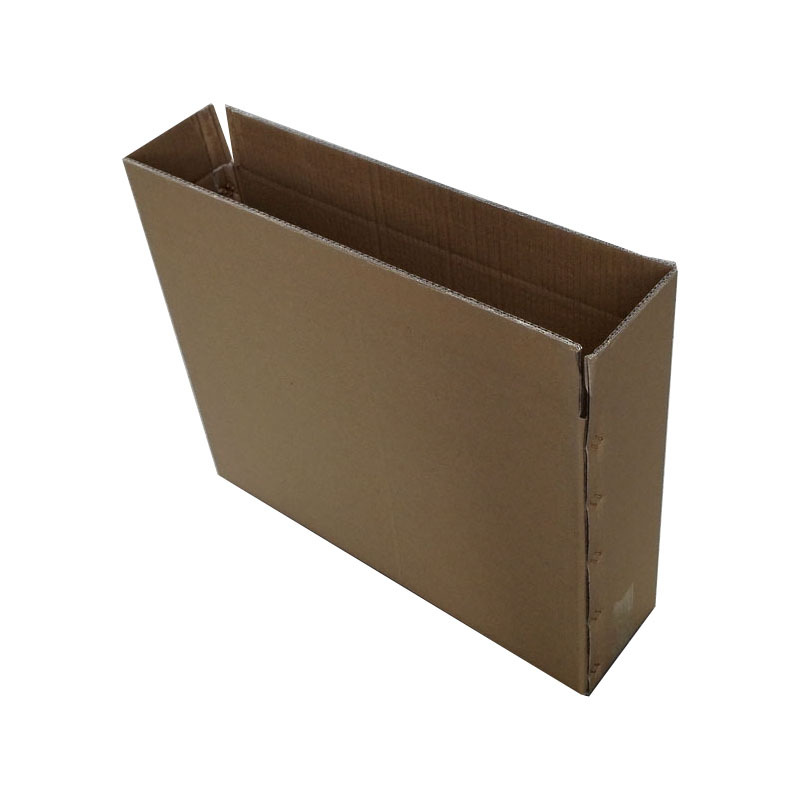
Exposure to moisture can damage both the TV packing box and the television inside. High-quality boxes may have moisture-resistant coatings or treatments that help protect against humidity and water damage, especially useful in damp environments or during inclement weather.
Clear Labeling and Identification
The box should have designated areas for labeling and identification. Clear labeling helps handlers recognize that the box contains a fragile TV and should be handled with care. Some boxes also include pre-printed warnings or handling instructions to minimize the risk of mishandling.
How to Choose the Right TV Packing Box
Selecting the appropriate TV packing box involves considering several factors to ensure your TV is adequately protected. Here’s a step-by-step guide to help you make the right choice:
Determine Your TV Size and Weight
The first step is to measure your TV’s dimensions (width, height, and depth) and note its weight. This information will help you find a packing box that can accommodate your TV comfortably. As a general rule, the box should be slightly larger than your TV to allow for cushioning materials.
Consider the Shipping Method
The method of shipping can influence the type of packing box you need. For example, air shipping may require a lighter but well-cushioned box, while ground shipping might necessitate a more robust box due to potential rough handling.
Assess the Distance and Transit Time
Longer shipping distances and extended transit times increase the risk of damage. For such cases, opt for a higher-quality box with superior cushioning and reinforcement. If your TV will be in transit for several days, additional climate control features may also be beneficial.
Check for Special TV Features
Some TVs have unique features like curved screens, ultra-thin bezels, or detachable stands. Consider these features when selecting a packing box. Curved TVs, for instance, may require a specially shaped box to provide adequate support and protection.
Evaluate Your Budget
TV packing boxes come in a range of prices depending on their quality and features. Determine your budget beforehand but remember that investing in a good-quality box can save you from costly repairs or replacements if your TV gets damaged.
Top TV Packing Box Manufacturers to Consider
Several reputable manufacturers specialize in producing high-quality TV packing boxes. Here are some of the top brands worth considering:
Amazon Basics
Amazon Basics offers a range of TV packaging boxes designed for different TV sizes. Their products are known for good value, featuring reinforced construction and adequate cushioning. They often come with helpful accessories like corner protectors and strapping.
Electronics Moving Supplies
This brand focuses on specialized moving supplies for electronic devices, including TVs. Their TV packing boxes are highly regarded for their durability, custom-fit designs, and comprehensive cushioning systems. They provide detailed instructions for proper packing, making them user-friendly even for first-time shippers.
ShipNowTV
ShipNowTV specializes exclusively in TV shipping solutions. Their boxes are meticulously engineered to fit various TV sizes securely. They utilize high-quality materials and innovative cushioning technologies to ensure your TV arrives in perfect condition. Their customer service is also praised for being knowledgeable and responsive.
Packlane
Packlane offers customizable TV packing box options, allowing you to select the features and materials that best suit your needs. They provide sturdy boxes with options for added protection like extra foam padding and reinforced edges. Their online ordering process is straightforward, and they offer quick shipping.
TV Moving Box
As suggested by their name, TV Moving Box specializes in moving solutions for televisions. Their packing boxes are designed with both protection and ease of use in mind. They include convenient handles, secure closure systems, and sufficient cushioning. Customer reviews often highlight their reliability and effectiveness in preventing TV damage during moves.
How to Properly Pack Your TV for Shipping or Storage
Having the right TV packing box is just the first step. Proper packing technique is equally important to ensure your TV remains safe. Follow these steps for effective TV packing:
Prepare Your TV
Before placing your TV in the packing box, prepare it for shipping:
- Unplug all cables and accessories: Disconnect power cords, HDMI cables, USB devices, and any other peripherals. Securely wrap cables and place them in a labeled Ziploc bag to avoid tangling.
- Clean the screen and surfaces: Use a microfiber cloth to gently clean the TV screen and surfaces, removing any dust or fingerprints that could potentially scratch the screen during transit.
- Remove the stand or wall mount: If your TV has a detachable stand or wall mount, remove it and pack it separately. This prevents the stand from taking up unnecessary space and reduces the risk of damage to the TV’s base.
Assemble the Packing Box
If your TV packing box requires assembly, follow the manufacturer’s instructions carefully. Ensure all edges are properly reinforced, and the box is put together securely.
Place Cushioning Materials
Add cushioning materials to the bottom of the box. This can include foam padding, bubble wrap, or air pillows. The cushioning should be thick enough to prevent the TV from touching the bottom of the box.
Position Your TV
Gently lower your TV into the packing box, ensuring it is centered and properly aligned. The TV should sit flat, with the screen facing upwards or towards the side, depending on the box design. Avoid placing the TV in a vertical position unless specifically recommended by the manufacturer.
Add Additional Cushioning
Surround your TV with cushioning materials, making sure to fill any gaps between the TV and the box walls. Pay extra attention to the edges and corners, as these are the most vulnerable parts. Use foam corner protectors if included with your packing box.
Secure the TV in Place
Use packing tape or the box’s built-in strapping system to secure the TV within the box. This prevents movement during transit. Avoid overtightening, as this could put unnecessary pressure on the TV screen.
Close and Seal the Box
Close the packing box flaps and seal them securely with heavy-duty packing tape. Ensure all seams and edges are properly taped to prevent the box from opening during handling.
Label the Box
Clearly label the box on all sides, indicating that it contains a fragile TV. Include arrows showing the correct upright position and any relevant handling instructions, such as “this side up” or “fragile – handle with care.” Also, attach your shipping label with the recipient’s address and tracking information if applicable.
Moving Your TV Safely with the Right Packing Box
If you’re moving your TV to a new location rather than shipping it, using a proper TV packing box can still be incredibly beneficial. Here are some additional tips for a safe TV move:
Hire Professional Movers
Consider hiring professional movers who specialize in handling electronics. They have the expertise and equipment to move your TV safely, minimizing the risk of accidents.
Use a Moving Dolly
For larger TVs, a moving dolly can be invaluable. Place the packed TV box on the dolly and secure it with straps. This makes transporting the TV from your old home to the moving truck much easier and reduces the chance of dropping or tipping.
Avoid Stacking Heavy Items on Top
When loading your moving truck, never stack heavy boxes or furniture on top of your TV packing box. Even a high-quality box can only provide so much protection, and excessive weight could crush your TV.
Keep the TV Upright During Transit
Whenever possible, keep your TV in an upright position during the move. Laying it flat can put unnecessary pressure on the screen and internal components.
Storing Your TV in a Packing Box
If you need to store your TV for an extended period, using a TV packing box is an excellent way to protect it. Here are some storage-specific tips:
Choose a Suitable Storage Location
Store your TV in a cool, dry place away from direct sunlight and extreme temperatures. Basements, garages, or climate-controlled storage units are good options. Avoid areas prone to humidity or water leaks.
Protect Against Dust and Pests
Seal the packing box completely to prevent dust from entering. If storing in a location accessible to pests, consider adding a desiccant packet inside the box to absorb moisture and deter pests. However, ensure the desiccant is safely enclosed and does not come into direct contact with the TV.
Regularly Check on Your TV
Periodically inspect your stored TV to ensure the box remains intact and there are no signs of damage or pests. This allows you to address any issues promptly before they become serious problems.

Conclusion
Selecting and using the right TV packing box is a crucial step in protecting your valuable television during shipping, moving, or storage. By understanding the materials, features, and proper packing techniques, you can significantly reduce the risk of damage and ensure your TV arrives or remains in perfect condition. Investing in a high-quality TV packing box from a reputable manufacturer is a small price to pay for the peace of mind it provides and the potential savings on costly repairs or replacements.
How to Purchase:https://looperbuy.com/search?keywords=tv+packing+box
Frequently Asked Questions
Q: What is the difference between a regular cardboard box and a TV packing box?
A: A TV packing box is specifically designed with features like reinforced edges, custom-fit inserts, and cushioning systems to protect the unique and fragile nature of TVs. Regular cardboard boxes lack these specialized protections, making them less suitable for safely shipping or storing televisions.
Q: Can I reuse the original TV box for shipping?
A: While the original TV box may seem convenient, it’s often not recommended for shipping unless it’s in perfect condition and has all its original cushioning materials. The original box may have weakened from previous use, and without the proper cushioning, your TV could be at risk of damage during transit. A new, high-quality TV packing box is a safer option.
Q: How much does a good TV packing box cost?
A: Prices can vary depending on the size and quality of the box. Generally, a reliable TV packing box for a standard-sized TV (32-55 inches) can range from $15 to $40. Larger or more reinforced boxes may cost more, but they offer the necessary protection for your investment.
Q: What should I do if my TV arrives damaged despite using a packing box?
A: If your TV arrives damaged, first document the damage with photos. Contact the shipping carrier immediately to file a claim. Also, reach out to the seller or manufacturer to discuss the situation. Having proper insurance on your shipment can facilitate the claims process and help cover repair or replacement costs.
Q: Are there eco-friendly TV packing box options available?
A: Yes, several manufacturers now offer eco-friendly TV packing boxes made from recycled materials or designed for recyclability. Look for boxes labeled as sustainable or environmentally friendly if reducing your environmental impact is important to you.
Hot Tags: Tv Packing Box; Tv Shipping Supplies; Electronics Moving Boxes; Flat Screen Tv Packaging; Tv Storage Containers; Durable Tv Boxes; Custom Fit Tv Boxes; Reinforced Packing Boxes; Safe Tv Transportation; Tv Moving Accessories