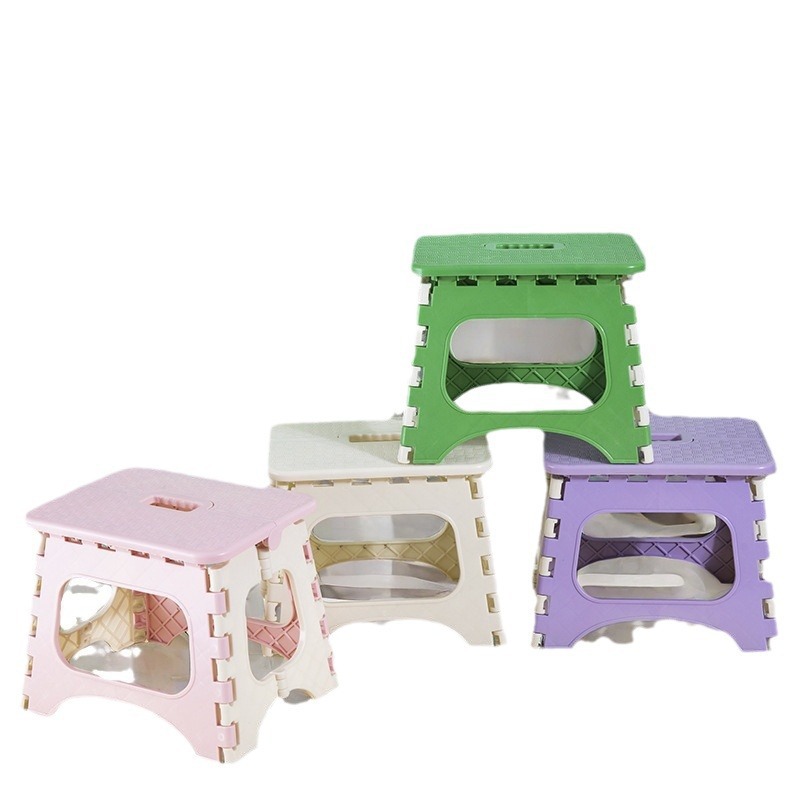
Plastic has revolutionized the furniture industry, offering a versatile and practical alternative to traditional materials like wood and metal. Its wide – ranging applications and numerous advantages have made it a popular choice for both indoor and outdoor furniture. This article delves into the various types of plastic used in furniture making, their unique properties, and how they enhance the functionality and aesthetics of furniture pieces.
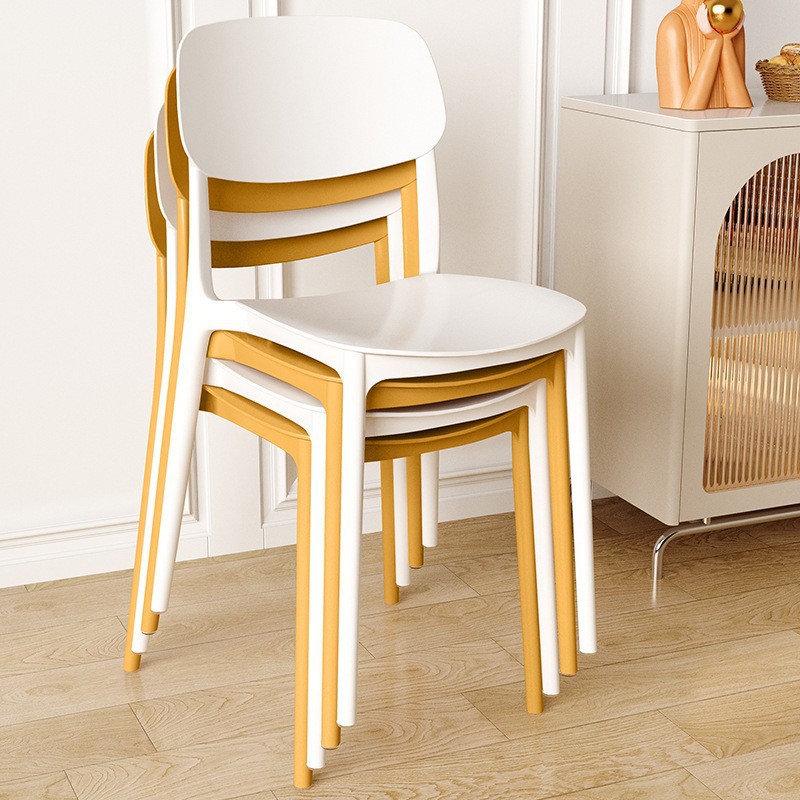
Table of Contents
The Prominence of Plastic in Modern Furniture
Plastic’s role in the furniture industry has grown significantly since the mid – 20th century. Designers were drawn to its potential for innovative designs and functional improvements over conventional materials. The 1960s and 70s witnessed a surge in plastic furniture, exemplified by iconic designs like Verner Panton’s chair.
Advantages of Plastic Furniture
Plastic furniture boasts several benefits that contribute to its popularity. It is highly durable and resistant to moisture, making it suitable for diverse environments. The flexibility of plastic when heated allows for intricate and unique designs that are difficult to achieve with other materials. Additionally, plastic furniture is cost – effective, lightweight, and easy to maintain, requiring minimal effort for cleaning and upkeep.
Common Types of Plastic Used in Furniture
Polypropylene (PP)
Polypropylene is a tough and flexible plastic that is widely used in indoor furniture. Its ability to withstand wear and tear makes it ideal for chairs, tables, and storage solutions. PP is also used in outdoor furniture due to its weather – resistant properties.
Acrylonitrile Butadiene Styrene (ABS)
ABS is known for its high impact resistance, making it suitable for durable furniture in high – use areas such as offices and schools. It is also resistant to heat, allowing it to be used in both indoor and outdoor settings. However, ABS is not as environmentally friendly as some other plastics due to its limited recyclability.
Polyvinyl Chloride (PVC)
PVC is a versatile plastic that is waterproof and fire – resistant. It is commonly used in upholstery and inflatable furniture items. Its durability and resistance to environmental factors make it a popular choice for various furniture applications.
Polycarbonate (PC)
Polycarbonate is a strong and transparent plastic that offers a glass – like appearance without the fragility. It is highly impact – resistant and can withstand heavy use in commercial settings such as cafes and bars. PC is also used in creating elegant furniture for events and weddings due to its transparency and strength.
High – Density Polyethylene (HDPE)
HDPE is a weather – resistant and low – maintenance plastic that is perfect for outdoor furniture. It is highly resistant to impacts, chemicals, and extreme weather conditions. HDPE is also an eco – friendly option as it is frequently recycled.
Applications of Plastic in Furniture
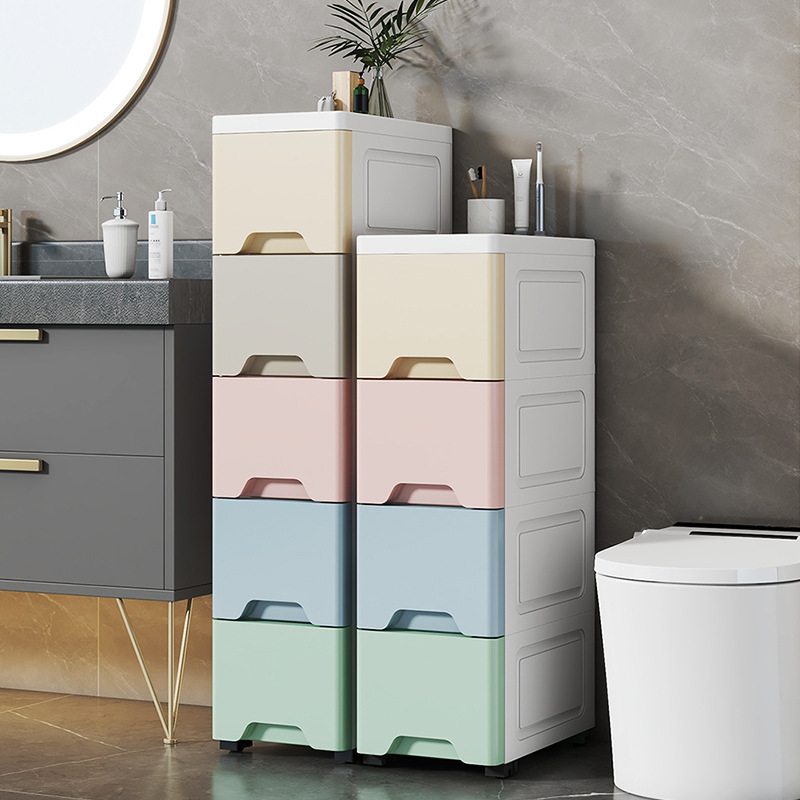
Plastic furniture finds its place in various settings. In outdoor areas such as gardens and pool sides, plastic furniture provides weather – resistant and easy – to – clean options. Plastic chairs and tables are popular for outdoor dining, while loungers and planters add functionality and decoration to outdoor spaces. Indoors, plastic furniture offers affordable and stylish solutions for living rooms, dining areas, and offices.
Environmental Considerations and Sustainability
While plastic furniture has numerous advantages, environmental concerns related to plastic production and disposal cannot be ignored. However, the increasing availability of eco – friendly plastic options, such as those made from recycled materials, is addressing these issues. Consumers can now choose sustainable plastic furniture that aligns with their environmental values.
Conclusion
Plastic has become an integral part of furniture manufacturing, offering a wide range of benefits and applications. From its durability and design flexibility to its cost – effectiveness and versatility, plastic furniture caters to diverse needs and preferences. As the industry continues to innovate and prioritize sustainability, plastic furniture is likely to remain a popular and practical choice for both residential and commercial settings.
How to Purchase:https://looperbuy.com/search?keywords=plastic+for+furniture
Frequently Asked Questions
Q:How do I clean plastic furniture effectively?
Cleaning plastic furniture is generally straightforward. For most types of plastic furniture, a simple wipe – down with a damp cloth or sponge and mild soap is sufficient. For stubborn stains, you can use a specialized plastic cleaner. Avoid using abrasive materials that may scratch the surface. For outdoor plastic furniture, it’s important to clean it regularly to prevent the buildup of dirt and grime, which can affect its appearance and longevity.
Q:Are there any health risks associated with plastic furniture?
Plastic furniture itself is generally considered safe for use. However, some types of plastics may release harmful chemicals, especially when exposed to high temperatures or over extended periods. To minimize potential risks, choose plastic furniture made from food – grade or non – toxic materials. Proper ventilation in areas where plastic furniture is used can also help reduce any potential health concerns.
Q:Can plastic furniture be repaired if damaged?
Yes, plastic furniture can often be repaired depending on the type of damage. Minor scratches or cracks may be addressed with plastic repair kits or adhesives designed for plastics. In some cases, damaged parts can be replaced. However, severe damage may require professional repair or replacement of the entire piece. It’s important to follow the manufacturer’s guidelines for repair and maintenance.
Q:How long does plastic furniture typically last?
The lifespan of plastic furniture varies depending on the type of plastic used, the quality of the product, and how well it is maintained. High – quality plastic furniture can last for many years, often a decade or more, especially when properly cared for. Factors such as exposure to sunlight, weather conditions, and frequency of use can affect its longevity. To extend its life, store plastic furniture indoors or cover it when not in use, and clean it regularly.
Q:What are the best practices for storing plastic furniture?
When storing plastic furniture, it’s best to keep it in a cool, dry place away from direct sunlight to prevent faded colors or weakened materials. If storing outdoors, use a sturdy cover to protect it from the elements. Ensure that the furniture is clean and dry before storage to prevent mold and mildew growth. Stack chairs and other stackable furniture to save space, but avoid overloading to prevent damage.
Hot Tags: Plastic For Furniture; Plastic Furniture Applications; Types Of Plastic For Furniture; Polypropylene Furniture; Acrylonitrile Butadiene Styrene Furniture; Polyvinyl Chloride Furniture; Polycarbonate Furniture; High – Density Polyethylene Furniture; Eco – Friendly Plastic Furniture; Plastic Garden Furniture