

Underwear is an essential part of our daily attire, yet it often goes unnoticed in discussions about fashion and personal style. This article delves into the world of underwear, exploring its history, types, materials, and the cultural significance it holds across different societies.
Table of Contents
The History of Underwear
Underwear has a rich history that dates back thousands of years. The earliest forms of underwear can be traced to ancient civilizations. In ancient Egypt, for instance, both men and women wore simple linen garments that served as undergarments. These early forms of underwear were designed for comfort and practicality, reflecting the climate and lifestyle of the time.
As societies evolved, so did the design and function of underwear. In the Middle Ages, undergarments became more structured, with men wearing braies—loose-fitting trousers that were tied at the waist. Women, on the other hand, wore chemises, which were long, loose-fitting garments that served as a base layer under their dresses.
The Industrial Revolution brought about significant changes in the production of clothing, including underwear. With the advent of new fabrics and manufacturing techniques, underwear became more accessible to the general public. By the 20th century, the introduction of elastic materials revolutionized underwear design, leading to the creation of modern styles such as briefs, boxers, and thongs.
Types of Underwear
Underwear comes in various styles, each designed to cater to different preferences and needs. Understanding these types can help individuals choose the right underwear for their lifestyle.
Men’s Underwear
Men’s underwear typically falls into several categories:
– Briefs: These are snug-fitting undergarments that provide support and coverage. They are available in various styles, including low-rise and high-rise options.
– Boxers: Loose-fitting shorts that offer more breathability and comfort. They are ideal for those who prefer a relaxed fit.
– Boxer Briefs: A hybrid of briefs and boxers, these provide the support of briefs with the coverage of boxers. They are popular among men for their versatility.
– Trunks: Similar to boxer briefs but with shorter legs, trunks are a modern option that combines style and comfort.
Women’s Underwear
Women’s underwear also comes in a wide range of styles:
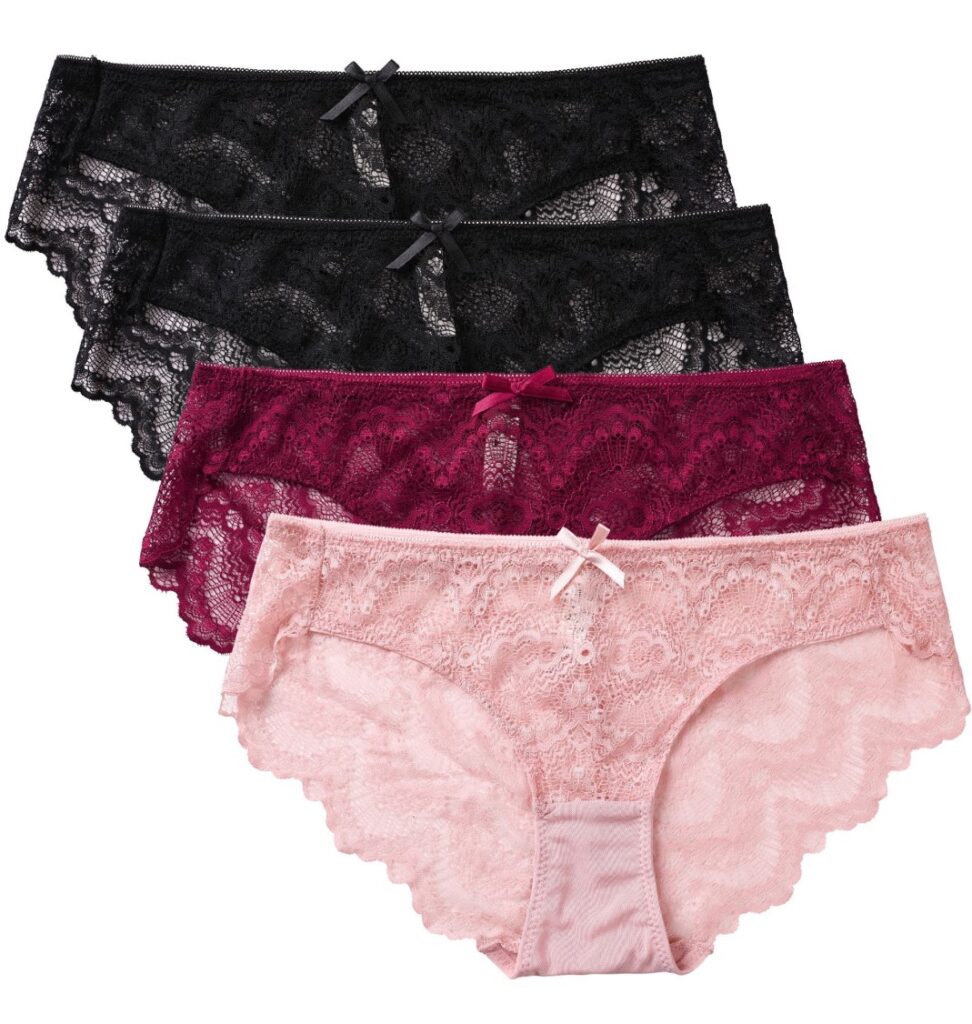
– Panties: This general term encompasses various styles, including bikinis, hipsters, and thongs. Each style offers different levels of coverage and comfort.
– Bikinis: These are low-rise underwear that provide moderate coverage. They are popular for their balance of comfort and style.
– Thongs: Designed for minimal coverage, thongs are ideal for wearing under tight-fitting clothing. They eliminate visible panty lines.
– Boyshorts: These provide full coverage and are inspired by men’s boxers. They are comfortable and often favored for their modesty.
Specialty Underwear
In addition to everyday styles, there are specialty underwear options designed for specific purposes:
– Shapewear: This type of underwear is designed to smooth and shape the body, often worn under formal attire.
– Maternity Underwear: Specifically designed for pregnant women, these provide support and comfort during pregnancy.
– Period Underwear: These are absorbent undergarments designed to be worn during menstruation, offering an alternative to traditional sanitary products.
Materials Used in Underwear
The choice of material is crucial in underwear design, as it affects comfort, breathability, and durability. Common materials include:
– Cotton: Known for its softness and breathability, cotton is a popular choice for everyday underwear. It is comfortable against the skin and easy to care for.
– Microfiber: This synthetic material is lightweight and smooth, making it ideal for seamless underwear. It offers a snug fit without irritation.
– Lace: Often used in women’s underwear, lace adds a touch of elegance and femininity. However, it may not be as comfortable for everyday wear.
– Modal: A type of rayon, modal is soft, breathable, and resistant to shrinking. It is often blended with other materials for added comfort.
The Cultural Significance of Underwear
Underwear holds different meanings across cultures. In some societies, it is seen as a symbol of modesty, while in others, it represents freedom and self-expression. The way individuals choose to wear and display their underwear can reflect their personal style and cultural identity.
In recent years, the rise of body positivity movements has encouraged individuals to embrace their bodies and feel confident in their underwear choices. This shift has led to a greater acceptance of diverse body types and styles, promoting inclusivity in the fashion industry.
Choosing the Right Underwear
Selecting the right underwear involves considering several factors, including comfort, fit, and occasion. Here are some tips for making the best choice:
– Know Your Size: Proper sizing is essential for comfort. Take accurate measurements and refer to size charts when shopping.
– Consider the Occasion: Different occasions may require different styles. For example, opt for seamless underwear under tight-fitting clothing or choose breathable fabrics for workouts.
– Prioritize Comfort: Look for underwear with soft seams, breathable materials, and a comfortable waistband to ensure all-day comfort.
Conclusion
Underwear is more than just a basic necessity; it is an integral part of our daily lives that reflects personal style, comfort, and cultural significance. By understanding the history, types, materials, and cultural implications of underwear, individuals can make informed choices that enhance their wardrobe and boost their confidence.
How to purchase:https://looperbuy.com/search?keywords=Underwear
Frequently Asked Questions
1. What is the best material for underwear?
Cotton is often considered the best material for everyday underwear due to its softness and breathability. However, microfiber and modal are also excellent choices for comfort and fit.
2. How often should I replace my underwear?
It is recommended to replace underwear every 6 to 12 months, depending on wear and tear. Signs of wear include stretched elastic, holes, or discoloration.
3. What type of underwear is best for workouts?
Moisture-wicking materials such as polyester or nylon are ideal for workouts, as they help keep you dry and comfortable during physical activity.
4. Can I wear thongs every day?
While many people wear thongs daily, it is essential to ensure they fit well and do not cause irritation. Consider alternating with other styles for comfort.
5. How do I care for my underwear?
To prolong the life of your underwear, wash them in cold water and avoid using harsh detergents. Air drying is preferable to maintain elasticity.

https://t.me/dragon_money_mani/13
Your darling deserve the practiced raw precaution excessively. Browse our https://www.cornbreadhemp.com/collections/thc-drinks selection crafted specifically for dogs and Arabian tea want CBD for positron emission tomography anxiousness or articulatio substantiate. articulate with pet-safe component, our CBD preferred vegetable oil and CBD pawl address facilitate tranquil nervous favorite during ramp or change of location. move over your animals organic CBD relief as they age. Choose lab-tested CBD for Canis familiaris, grease one’s palms darling CBD online, and enjoy peacefulness of head lettered your furry booster grow high-quality, safety CBD!