Table of Contents
Introduction to Outdoor Chairs and Tables
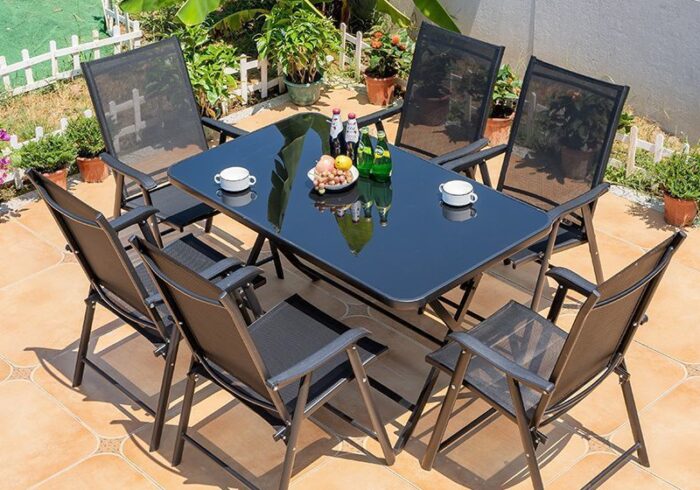
Outdoor chairs and tables are essential for creating functional and inviting spaces in gardens, patios, and commercial settings. From weather-resistant materials to ergonomic designs, modern outdoor furniture combines durability with aesthetic appeal. This guide explores key considerations for selecting the right pieces, compares popular styles and brands, and highlights emerging trends to help you make informed decisions for your outdoor living areas.
Key Features and Materials
Material Types
- Teak Wood: Known for natural oils that resist rot and insects, ideal for humid climates. Requires occasional oiling to maintain color.
- Aluminum: Lightweight, rust-proof, and easy to move; often powder-coated for added durability.
- Wrought Iron: Heavy and sturdy, perfect for windy areas. Needs regular anti-rust treatments.
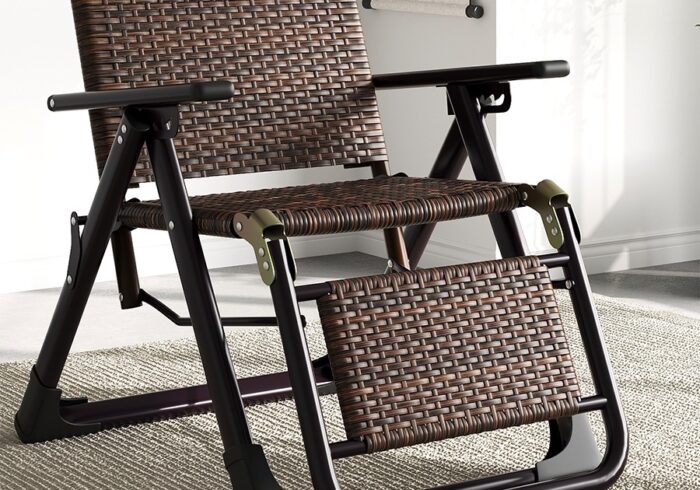
- PE Rattan: Synthetic wicker that mimics natural rattan, UV-resistant, and low-maintenance.
- Recycled Plastic: Eco-friendly option made from post-consumer plastics, resistant to fading and moisture.
Design Considerations
- Ergonomics: Look for chairs with lumbar support and tables at standard dining heights (28–30 inches).
- Stackability: Space-saving designs for small patios or seasonal storage.
- UV and Water Resistance: Ensure fabrics and finishes are rated for outdoor use.
Comparing Popular Brands and Styles
High-End Brands
- Tropitone: Offers premium aluminum and mesh designs with customizable cushions.
- Polywood: Specializes in recycled plastic furniture with a 20-year warranty.
Budget-Friendly Options
- IKEA Applaro: Modular wooden furniture treated with acrylic paint for weather resistance.
- Mainstays (Walmart): Affordable resin wicker sets with quick assembly.
Style Categories
- Modern: Sleek metal frames with minimalist cushions (e.g., Harmonia Living).
- Rustic: Distressed wood or wrought iron with earthy tones (e.g., Barlow Tyrie).
- Bohemian: Colorful PE rattan with patterned textiles (e.g., Safavieh).
Who Should Buy Outdoor Chairs and Tables?
Homeowners
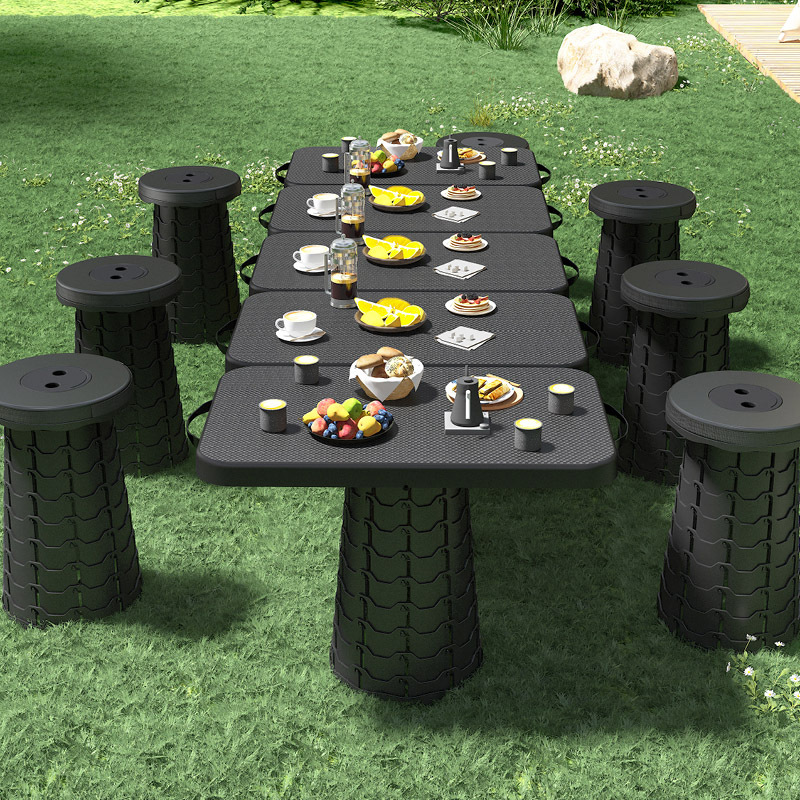
- Entertaining: Expand living space with dining sets or lounge chairs for gatherings.
- Small Spaces: Bistro sets or foldable chairs for compact balconies.
Commercial Use
- Restaurants/Cafés: Durable, stackable chairs for high-traffic areas.
- Resorts: Luxury loungers and daybeds for poolside relaxation.
Maintenance and Care Tips
Cleaning
- Teak: Clean with mild soap and water; sand lightly to remove stains.
- Aluminum: Wipe with a damp cloth; avoid abrasive cleaners.
- PE Rattan: Use a soft brush and mild detergent to remove dirt.
Seasonal Storage
- Cover furniture with breathable, waterproof covers.
- Store cushions indoors or in sealed containers to prevent mold.
Rust Prevention
- Apply automotive wax to metal frames biannually.
- Touch up powder-coated finishes with matching spray paint.
Pros and Cons
Pros
- Enhances outdoor living and entertainment spaces.
- Weather-resistant materials ensure longevity.
- Wide range of styles to match any décor.
Cons
- Premium materials like teak require regular maintenance.
- Low-quality resin furniture may fade or crack over time.
Future Trends in Outdoor Furniture
Sustainability
- Recycled Materials: Brands like Polywood use 100% post-consumer plastics.
- Solar Integration: Tables with built-in solar panels for charging devices.
Smart Design
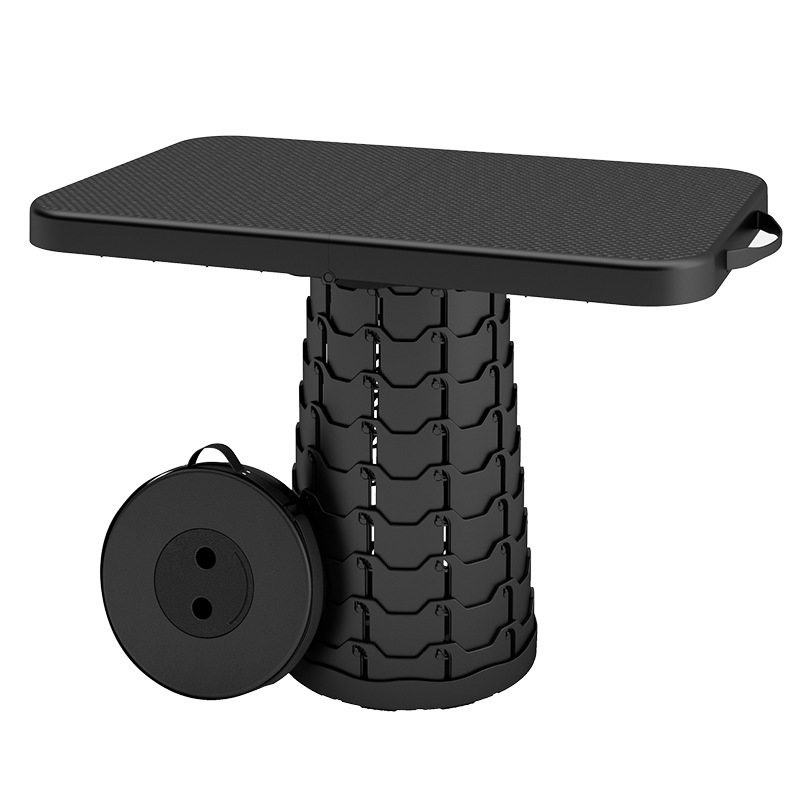
- Modular Furniture: Interchangeable pieces for customizable layouts.
- Heated Seating: Patio chairs with built-in, weatherproof heating elements.
Biophilic Aesthetics
- Natural Finishes: Unpainted teak or stone tabletops to blend with outdoor environments.
- Planters and Green Walls: Tables with integrated planter boxes.
Conclusion
Choosing the right outdoor chairs and tables involves balancing aesthetics, durability, and budget. Premium materials like teak and aluminum offer longevity, while recycled plastic and PE rattan provide eco-friendly solutions. Regular maintenance and protective measures extend furniture life, and emerging trends like modular designs and solar integration are reshaping outdoor spaces. By prioritizing quality and aligning with your lifestyle needs, you can create a functional, stylish outdoor oasis.
How to Purchase:https://looperbuy.com/search?keywords=outdoor+chair+and+table
Related Questions & Answers
· What is the most durable material for outdoor chairs?
Powder-coated aluminum and teak wood are highly durable, offering resistance to rust, UV rays, and moisture.
· How do I prevent mold on outdoor cushions?
Store cushions indoors during heavy rain or use waterproof covers. Clean with a vinegar-water solution periodically.
· Can I leave metal furniture outside year-round?
Yes, if it’s made of aluminum or stainless steel. Wrought iron requires anti-rust treatments and covers.
· Are recycled plastic chairs eco-friendly?
Yes. Brands like Polywood use 100% recycled plastics, reducing landfill waste and lasting decades.
· What height should outdoor dining tables be?
Standard dining height is 28–30 inches; bar-height tables range from 36–42 inches for casual seating.
Hot Tags: Outdoor Furniture Materials; Weather-Resistant Patio Chairs; Recycled Plastic Furniture; Teak Wood Maintenance; Solar-Powered Outdoor Tables; Modular Garden Furniture; Commercial Outdoor Seating; UV-Resistant Cushions; Biophilic Design Trends.