Table of Contents
Understanding France’s Small Electrical Appliances Market
Market Overview and Consumer Trends
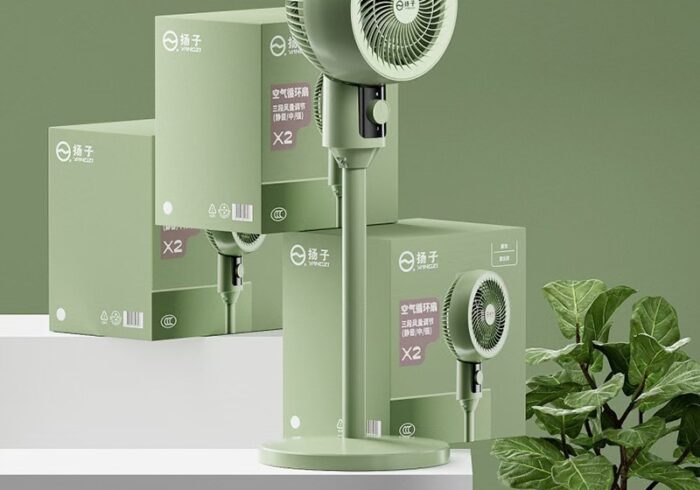
France’s small electrical appliances sector is valued at €4.2 billion, driven by demand for energy-efficient kitchen gadgets, smart home devices, and professional-grade tools. Key growth categories include air fryers, espresso machines, and IoT-enabled vacuums. Paris, Lyon, and Marseille are major hubs for B2B buyers, with wholesalers catering to retailers, hospitality chains, and e-commerce platforms.
Types of B2B Suppliers in France
- Manufacturer-Direct Suppliers: Brands like SEB Group (Tefal, Moulinex) offer bulk pricing for commercial buyers.
- Specialized Distributors: Companies such as Rexel France focus on professional tools like industrial-grade blenders.
- Import-Export Wholesalers: Platforms like Fnac Pro and Manutan provide EU-compliant appliances sourced globally.
Advantages of Sourcing in France
Compliance with EU Regulations
French suppliers ensure products meet CE certification, RoHS directives, and energy efficiency labels (e.g., A+++). This reduces legal risks for buyers targeting EU markets.
High-Quality Standards
French manufacturers prioritize durability and safety. For example, De’Longhi’s commercial coffee machines undergo 200+ quality checks before distribution.
Localized Logistics
Domestic suppliers offer 24-48 hour delivery across France via carriers like Chronopost, minimizing customs delays.
Challenges in B2B Sourcing
Regulatory Complexity
- REACH Compliance: Strict chemical safety laws require documentation for materials like plastics and coatings.
- EPR (Extended Producer Responsibility): Buyers must register for eco-taxes on appliances like microwaves and toasters.
Supplier Verification Risks
Fraudulent suppliers may falsify CE marks. Mitigation strategies:
- Use France’s INPI database to verify business registrations.
- Request third-party test reports from labs like Bureau Veritas.
Tariffs and Import Costs
Non-EU sourced appliances face up to 12% tariffs. Solutions: Partner with French wholesalers offering DDP (Delivered Duty Paid) terms.
Best Practices for Successful Sourcing
Supplier Vetting Process
- Step 1: Check certifications (ISO 9001, CE) and financial stability via platforms like Infogreffe.
- Step 2: Conduct onsite audits or virtual factory tours to inspect production lines.
- Step 3: Negotiate sample orders to test product durability and packaging.
Negotiation Tactics
- Volume Discounts: Suppliers like Groupe SEB offer 15-20% discounts for orders exceeding €50,000.
- Payment Terms: Opt for 30% deposit with 70% balance upon delivery. Escrow services like Escrow.com add security.
Sustainability Integration
Prioritize suppliers with EcoVadis ratings or recycled material usage. For example, Le Creuset’s enamel-coated appliances use 30% recycled steel.
Future Trends in French B2B Sourcing
Smart Appliance Dominance
IoT-enabled devices like connected air purifiers will grow at 18% CAGR, per Xerfi. Suppliers are integrating AI for predictive maintenance.
Circular Economy Models
France’s Anti-Waste Law (AGEC) pushes suppliers to offer repair services and refurbished appliances. Brands like Boulanger Pro lead in certified refurbished sales.
Conclusion
Sourcing small electrical appliances in France combines regulatory rigor with high-quality opportunities. By partnering with certified suppliers, optimizing logistics, and aligning with sustainability mandates, B2B buyers can secure competitive advantages in both French and EU markets.
How to Purchase:https://looperbuy.com/search?keywords=France+small+electrical+appliances+B2B+sourcing
Q&A Section
· How do I verify a French supplier’s certifications?
Cross-check CE marks with the EU’s NANDO database and request test reports from accredited labs like LNE or Intertek.
· What are common payment terms for French B2B suppliers?
Standard terms include 30% advance via bank transfer, 70% upon delivery. Some accept Letters of Credit (LCs) for orders over €100,000.
· How can I avoid customs delays when importing to France?
Work with suppliers providing pre-filled EU customs declarations (DAU forms) and HS codes (e.g., 8509.80 for vacuum cleaners).
· What are the top mistakes to avoid in B2B negotiations?
Avoid vague MOQ agreements; define exact quantities and delivery schedules. Never skip sample testing for electrical safety.
· What trends are shaping France’s small appliance market ?
Demand for energy-efficient devices (e.g., air fryers using 40% less power) and commercial-grade smart kitchen tools for hotels.
Hot Tags:France Electrical Suppliers; B2B Sourcing Strategies; CE Certification Compliance; Smart Home Appliances; EcoVadis Sustainability; Industrial Kitchen Tools; EU Customs Regulations; French Wholesale Distributors; Energy-Efficient Appliances