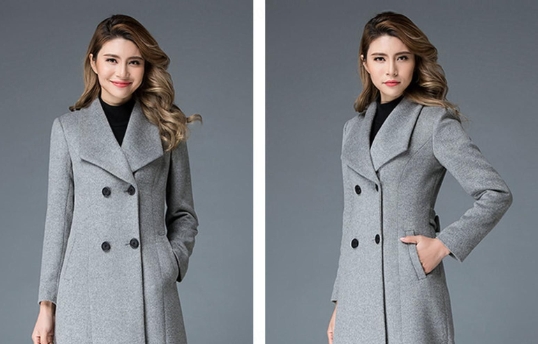
Wool coats have long been a cornerstone of women’s winter wardrobes, offering warmth, elegance, and versatility. From the tailored sophistication of a classic pea coat to the cozy embrace of a wool-blend parka, these garments bridge practicality and high fashion. However, the modern consumer seeks more than just aesthetics—durability, ethical sourcing, and ease of maintenance are equally critical. This guide explores the evolution of women’s wool coats, decoding fabric quality, styling trends, and sustainable innovations to help you make informed choices.
Table of Contents
The Anatomy of a Wool Coat: Materials and Craftsmanship
Types of Wool and Blends
· “Merino Wool”: Prized for its softness and moisture-wicking properties, merino is ideal for lightweight coats that resist wrinkles and odors.
· “Cashmere Blends”: Combining wool with cashmere adds luxury and insulation, though it requires delicate care.
· “Recycled Wool”: Eco-conscious brands now use post-consumer wool or industrial scraps, reducing waste without compromising warmth.
Traditional vs. Modern Manufacturing
· “Handcrafted Techniques”: Heritage brands often employ hand-stitched linings and bone buttons, ensuring longevity.
· “Tech-Enhanced Fabrics”: Innovations like water-resistant coatings or temperature-regulating weaves cater to urban lifestyles.
Popular Styles of Women’s Wool Coats
Classic Silhouettes
· “Pea Coats”: Double-breasted designs with naval origins, perfect for structured, polished looks.
· “Wrap Coats”: Belted styles that flatter all body types, offering adjustable warmth and a timeless aesthetic.
Contemporary Trends
· “Oversized Cocoon Coats”: Roomy, minimalist designs emphasize comfort and modern elegance.
· “Wool-Blend Parkas”: Hybrid styles merge wool’s warmth with technical fabrics, featuring hoods and insulated linings for harsh climates.
Seasonal Adaptations
· “Lightweight Wool Trench Coats”: Transitional pieces for autumn, often blended with silk or linen for breathability.
· “Quilted Wool Jackets”: Channel-stitched designs add texture and extra insulation without bulk.
How to Choose the Perfect Wool Coat
Prioritizing Fit and Function
· “Climate Considerations”: Opt for thicker, longer coats in sub-zero temperatures; mid-weight wool suits milder winters.
· “Tailoring Adjustments”: Look for adjustable cuffs, removable hoods, or cinched waists to personalize fit.
Color and Pattern Guidance
· “Neutral Tones”: Black, camel, and gray offer maximum versatility, pairing effortlessly with casual or formal outfits.
· “Bold Statements”: Plaid, houndstooth, or jewel-toned coats elevate simple ensembles while reflecting personal style.
Ethical and Sustainable Brand Practices
· “Certifications”: Look for labels like Responsible Wool Standard (RWS) or Global Recycled Standard (GRS).
· “Transparency”: Brands disclosing supply chains and fair labor practices prioritize ethical production.
Caring for Your Wool Coat: Maintenance Tips
Daily Wear and Storage
· “Avoid Overwashing”: Spot-clean minor stains and air out coats between wears to preserve fibers.
· “Proper Hanging”: Use padded hangers to maintain shape; store in breathable garment bags during off-seasons.
Cleaning Best Practices
· “Professional Dry Cleaning”: Recommended for coats with intricate linings or blended fabrics.
· “Handwashing Guidelines”: For 100% wool coats, use lukewarm water and mild detergent, then lay flat to dry.
Repair and Longevity
· “Reviving Pilling”: Use a fabric shaver to remove fuzz; reinforce loose buttons or seams promptly.
· “Seasonal Refreshing”: Steam or lightly iron to eliminate wrinkles and restore crispness.
Sustainability in Wool Coat Production
The Shift Toward Circular Fashion
· “Rental and Resale Platforms”: Companies like Rent the Runway or ThredUp extend garment lifecycles.
· “Recycling Programs”: Brands like Patagonia accept old coats to repurpose fibers into new products.
Low-Impact Dyeing and Processing
· “Natural Dyes”: Plant-based or non-toxic dyes reduce water pollution.
· “Energy-Efficient Factories”: Solar-powered mills and closed-loop water systems minimize carbon footprints.
Conclusion
A women’s wool coat is an investment in style and sustainability. By understanding fabric quality, embracing versatile designs, and adopting mindful care practices, you can enjoy a garment that lasts decades while aligning with eco-conscious values. As the fashion industry evolves, prioritizing ethical brands and circular economy principles ensures your wardrobe choices contribute to a greener future.
How to Purchase:https://looperbuy.com/search?keywords=womens+wool+coats
Related Questions & Answers
· How can I tell if a wool coat is high quality?
Check the fabric density (higher grams per square meter indicates warmth), seams for double stitching, and lining materials like Bemberg cupro for durability.
· Are wool coats suitable for wet climates?
Pure wool absorbs moisture, but blends with water-resistant synthetics (e.g., polyester) or treatments like lanolin coatings improve rain resistance.
· Can wool coats be worn in spring or autumn?
Lightweight merino or wool-cotton blends in shorter lengths (e.g., car coats) work well for transitional weather.
· How do I remove moth damage from a wool coat?
Freeze the coat for 72 hours to kill larvae, then mend holes with matching thread or consult a professional tailor for rewoven repairs.
· What are eco-friendly alternatives to traditional wool coats?
Look for coats made with recycled wool, organic alpaca blends, or plant-based insulation like Tencel.