Table of Contents
Introduction
Plastic furniture covers have become an essential tool for protecting and preserving furniture in various situations, from moving to long-term storage and everyday use. In this comprehensive guide, we’ll explore the different types of plastic furniture covers, their uses, benefits, and how to choose the right one for your needs.
What Are Plastic Furniture Covers?
Definition and Purpose
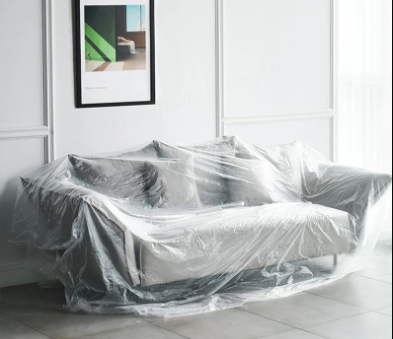
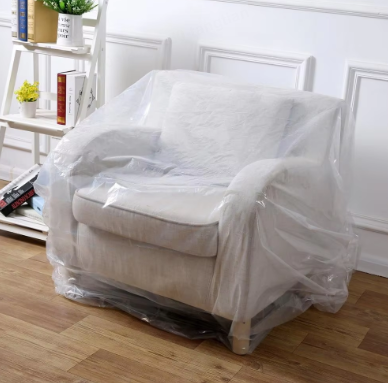
Plastic furniture covers are protective sheets or films made from various plastic materials. They are designed to shield furniture from dirt, dust, moisture, scratches, and other potential damage. These covers serve as a barrier between the furniture and its surroundings, ensuring the furniture remains in good condition.
Common Materials Used
- Polyethylene (PE): A lightweight, flexible plastic that is resistant to moisture and chemicals. It is commonly used for general-purpose furniture covers.
- Polyvinyl Chloride (PVC): A durable and weather-resistant plastic. PVC covers are ideal for outdoor furniture protection due to their ability to withstand harsh weather conditions.
- Polyethylene Vinyl Acetate (PEVA): Combines the flexibility of polyethylene with the durability of PVC. It is often used for furniture covers that require a balance of strength and flexibility.
Types of Plastic Furniture Covers
Moving and Storage Covers
These covers are designed to protect furniture during relocation or long-term storage. They typically feature thick plastic material to provide robust protection against impacts and scratches. Some moving covers also include padding for added cushioning.
Dust and Moisture Covers
Ideal for protecting furniture in environments where dust and humidity are concerns. These covers are usually made from breathable plastic materials that prevent moisture buildup while keeping dust at bay.
Outdoor Furniture Covers
Specifically crafted to withstand outdoor elements such as rain, snow, and UV radiation. Outdoor plastic furniture covers are usually water-resistant and feature ventilation to prevent mold and mildew growth.
Benefits of Using Plastic Furniture Covers
Protection from Elements
Plastic furniture covers effectively shield furniture from weather conditions, including rain, snow, wind, and sunlight. This protection helps maintain the furniture’s appearance and structural integrity over time.
Prevention of Damage
During moving or in high-traffic areas, furniture is susceptible to scratches, dents, and other physical damage. Plastic covers act as a barrier, reducing the risk of such damage.
Easy Maintenance
Plastic covers are generally easy to clean. They can be wiped down with a damp cloth to remove dust and dirt, saving time and effort in maintaining the furniture’s cleanliness.
Cost-Effective
Compared to the cost of repairing or replacing damaged furniture, plastic furniture covers offer a cost-effective solution for protection. They provide long-term savings by extending the furniture’s lifespan.
How to Choose the Right Plastic Furniture Cover
Consider the Furniture Type
Different types of furniture require different levels of protection. For example, delicate wooden furniture may need a cover with cushioning, while patio furniture would benefit from a weather-resistant cover.
Size and Fit
Ensure the plastic cover is appropriately sized to fit your furniture snugly. A cover that is too small will leave parts of the furniture exposed, while one that is too large may not provide adequate protection and could be cumbersome.
Material Quality
Opt for high-quality plastic materials that offer durability and the necessary resistance to elements like UV rays or moisture. Check product reviews and specifications to assess the material’s suitability for your specific needs.
Ventilation Features
For long-term storage or outdoor use, covers with ventilation allow air circulation, reducing the risk of mold and mildew formation. This is particularly important for furniture stored in damp environments.
Applications of Plastic Furniture Covers
Moving and Relocation
When moving house or office, plastic furniture covers are invaluable. They protect furniture from scratches, spills, and damage during transit. Professional moving companies often use specialized plastic covers to ensure safe transportation of furniture.
Storage Solutions
Whether storing furniture in a garage, attic, or storage unit, plastic covers keep the furniture clean and protected from dust and moisture. This is especially useful for seasonal furniture or items not in regular use.
Outdoor Protection
For patio sets, garden furniture, and other outdoor pieces, plastic covers protect against weather damage. They help maintain the furniture’s appearance and prevent deterioration from exposure to the elements.
Everyday Use
In homes with pets or children, plastic furniture covers can protect upholstery from scratches, stains, and wear. They provide an easy-to-clean surface that preserves the furniture’s condition.
How to Properly Install Plastic Furniture Covers
Preparation
Before applying a plastic cover, clean the furniture thoroughly to remove any dust, dirt, or debris. A clean surface ensures better adhesion and prevents the trapping of particles under the cover, which could cause scratches.
Measurement and Cutting
Measure the furniture dimensions and cut the plastic cover to size, allowing a bit of extra material for a secure fit. Use scissors or a utility knife to trim the cover accurately.
Application Techniques
- Smooth Application: Starting from one corner, gradually smooth the plastic cover over the furniture, working out any air bubbles as you go. For larger furniture, having an assistant can help ensure proper coverage.
- Securing the Cover: Use adhesive strips, Velcro, or furniture straps to secure the plastic cover in place. This prevents the cover from shifting and ensures comprehensive protection.
Maintenance and Care Tips
Regular Cleaning
Periodically clean the plastic cover by wiping it with a mild detergent solution and a soft cloth. This removes accumulated dust and dirt, maintaining the cover’s effectiveness.
Inspection
Regularly inspect the plastic cover for signs of wear, tears, or degradation. Replace the cover if it becomes damaged to continue providing adequate protection to the furniture.
Storage of Covers
When not in use, store plastic furniture covers in a cool, dry place away from direct sunlight. This helps preserve the plastic material and extends the cover’s lifespan.
Advantages and Disadvantages of Plastic Furniture Covers
Advantages
- Affordability: Plastic covers are generally inexpensive, making them accessible for most people.
- Versatility: They can be used for various types of furniture and in different scenarios.
- Ease of Use: Most plastic covers are easy to install and remove, requiring minimal tools or expertise.
Disadvantages
- Aesthetic Impact: Plastic covers may not be visually appealing and can detract from the furniture’s appearance.
- **有限的透气性:Some plastic materials may trap moisture if not properly ventilated, potentially leading to mold or mildew issues.
- Environmental Concerns: Plastic waste from discarded covers can have environmental implications if not properly recycled.
Alternatives to Plastic Furniture Covers
Cloth Covers
Fabric covers, such as cotton or polyester, offer breathability and a more attractive appearance. They are suitable for indoor use and can complement home decor while providing protection.
Custom-Fitted Covers
For high-value or uniquely shaped furniture, custom-fitted covers made from specialized materials can provide precise protection and a tailored look.
Furniture Protectors
Items like arm protectors or seat cushions can target specific areas of furniture that are prone to wear, offering an alternative to full plastic covers.
Conclusion
Plastic furniture covers are a practical and versatile solution for protecting furniture in numerous situations. By understanding the different types, materials, and applications, you can make informed choices to safeguard your furniture effectively. Proper installation, maintenance, and considering alternatives when appropriate will help you achieve the best protection for your investment.
How to Purchase:https://looperbuy.com/search?keywords=plastic+to+cover+furniture
Q: Are plastic furniture covers suitable for outdoor use?
Yes, certain types of plastic furniture covers, particularly those made from PVC or specialized weather-resistant materials, are designed for outdoor use. They protect patio furniture from rain, snow, and UV damage when properly secured and ventilated.
Q: Can plastic covers be reused?
Yes, plastic furniture covers can often be reused if they are cared for properly. After removing the cover, inspect it for damage. If it’s in good condition, store it properly for future use, which makes them a cost-effective and environmentally friendly option.
Q: How do I prevent condensation under the plastic cover?
To prevent condensation, choose plastic covers with ventilation features or use breathable plastic materials. Ensure the furniture is completely dry before covering and, if possible, place a moisture-absorbing packet inside the cover.
Q: What is the lifespan of a plastic furniture cover?
The lifespan varies based on material quality and usage. High-quality plastic covers can last several years with proper care. However, covers exposed to harsh conditions or frequent use may need replacement sooner.
Q: Can I use any plastic sheet as a furniture cover?
While technically possible, not all plastic sheets are suitable. Some may lack necessary features like UV resistance or proper thickness, leading to inadequate protection. It’s best to use plastic covers specifically designed for furniture protection.