Table of Contents
Introduction to Wool Coats
Wool coats are timeless wardrobe essentials that have been cherished by people for centuries. Made from natural wool fibers, these coats not only provide excellent warmth but also exude sophistication and versatility. Whether it’s a classic overcoat or a trendy wool-blend jacket, wool coats have become a symbol of winter fashion and practicality.
History and Cultural Background
The history of wool coats dates back to ancient times when humans discovered the warmth and durability of wool. As early as the Neolithic period, people began using animal skins and wool to make simple garments to protect themselves from the cold. By the Middle Ages, woolen clothing had become popular in Europe, with wool coats being a common winter staple. In the 18th and 19th centuries, with advancements in textile manufacturing, wool coats underwent significant development and gradually became more refined and diversified. During the Industrial Revolution, large-scale production of wool coats made them accessible to the general public. Over time, wool coats evolved from simple protective clothing into a symbol of fashion and status. In contemporary society, wool coats remain an essential winter item, with designers continuously introducing new styles and materials to meet the diverse needs of consumers.
Popularity Factors
The enduring popularity of wool coats can be attributed to several factors. First, wool is a natural fiber with exceptional warmth properties. Its porous structure allows it to retain heat effectively, keeping the body warm in cold weather. Second, wool coats are highly versatile. They can be paired with various outfits, such as formal attire or casual wear, making them suitable for different occasions. Third, wool is a renewable and environmentally friendly material, aligning with modern consumers’ emphasis on sustainability. Finally, the durability of wool coats means they can be worn for many years with proper care.
Styles and Types of Wool Coats
Wool coats come in a wide variety of styles and types to cater to different aesthetic preferences and usage scenarios.
Traditional Wool Coats
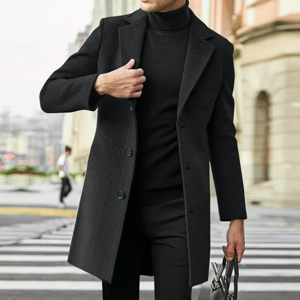
- Overcoats: These are the most classic wool coat style, typically featuring a straight silhouette with a length extending to the knees or below. They are often designed with notched lapels, front buttons, and side pockets. Overcoats are suitable for formal occasions and exude elegance and professionalism. For example, the J.Crew Daphne Topcoat is crafted from Italian boiled wool, offering a refined design and slim fit. It is ideal for layering over both casual and formal outfits during transitional seasons.
- Topcoats: Similar to overcoats but usually shorter in length, typically ending above the knees. They are characterized by their streamlined design and lighter weight, making them practical for urban commuting. The Theory Outlet Robe Coat in Double-Face Wool-Cashmere is a topcoat with a robe-like structure. It is soft, elegant, and available in seven luxurious colors. Its relaxed fit and below-the-knee length make it a cozy yet stylish choice for winter.
Modern Wool Coats
- Wool-Blend Coats: To enhance functionality and reduce costs, many wool coats incorporate blends of wool with other fibers such as cashmere, alpaca, polyester, nylon, or acrylic. Wool-cashmere blends, for instance, combine the warmth of wool with the softness and luxury of cashmere. The Curated The Classic Coat is made from 90% merino wool and 10% royal cashmere. Its minimalist design is both chic and versatile, making it a must-have for a winter capsule wardrobe.
- Wool Wrap Coats: Inspired by the wrap dress design, these coats feature a V-neckline and a belt to cinch the waist, creating a flattering silhouette. They offer a feminine and elegant aesthetic while providing ample warmth. The Mackage Mai Wool Long Wrap Coat is crafted from Italian double-face wool. It is soft, cozy, and elegantly designed. Available in several chic colors, including standout two-tone options, it is a luxury piece worth investing in.
- Wool Duffle Coats: Recognizable by their oversized collars, toggle fastenings, and hooded designs, wool duffle coats exude a casual and youthful vibe. They are ideal for cold weather and are often lined for added warmth. The COS Hooded Wool Duffle Coat is a modern take on the classic duffle coat. Its clean, minimalist design feels fresh and contemporary. The coat is fully lined, offering ample warmth and protection against the wind with its hood.

How to Choose a Wool Coat
Selecting the right wool coat requires careful consideration of several factors to ensure it meets your needs and preferences.
Cut and Silhouette
Wool coats come in various cuts and silhouettes, such as oversized, relaxed, tailored, and cropped. When choosing, consider how you plan to style the coat. For instance, if you intend to layer it over thick sweaters or blazers, an oversized or relaxed silhouette may be more comfortable. If you prefer a polished look, a tailored silhouette with defined shoulders and waist would be a better choice. As Meredith Shaw, a style expert and co-host of Canada’s Breakfast Television, suggests, “Will it be over a thick sweater? A blazer? Will you layer a long textured scarf on top? All these style scenarios will indicate what silhouette is right for you.”
Fit and Sizing
A well-fitting wool coat should sit comfortably on your frame, showcasing your shape without pulling at the shoulders or back. If you are between sizes, opt for the size that fits your back and shoulders. Donovan Anthony McClenton, a fashion stylist and costume designer specializing in luxury apparel, advises that coats can generally be sized up and altered if needed, such as adjusting the waist or shortening the sleeves. It is also important to try on the coat to ensure ease of movement and that it complements your body type.
Quality and Material Blend
Most wool coats are made from a blend of natural wool and other fibers. While pure wool coats offer superior quality, wool blends can enhance durability, reduce costs, and improve performance. When selecting a wool coat, pay attention to the quality of the wool and the proportion of natural fibers in the blend. Maristella González, a Brooklyn-based designer and art director, recommends looking for high-quality wool and avoiding blends with excessive synthetic materials. Additionally, check the lining material, which should be smooth and easy to put on, such as silk or satin.
Color
Wool coats are available in a wide range of colors. Neutral shades like black, brown, camel, gray, and navy are the most versatile and easy to pair with other items. However, if you prefer a bold statement, consider vibrant colors or patterned designs. Meredith Shaw encourages experimenting with colors that excite you, “Go for a color that makes your soul sing.” A bright red wool coat, for example, can add a lively touch to your winter wardrobe.
Caring for Wool Coats
Proper care and maintenance are essential to extend the lifespan of wool coats and maintain their appearance.
Cleaning
Wool coats should be cleaned regularly to remove dirt and odors. Follow the care instructions on the label. Most wool coats require dry cleaning to preserve the fibers and prevent damage. If the label allows for hand washing, use gentle detergents specifically designed for wool and avoid wringing or twisting the fabric. After washing, lay the coat flat to dry and reshape it while damp to maintain its form.
Storage
When not in use, store wool coats in a cool, dry place away from direct sunlight to prevent moth damage and yellowing. Use a breathable garment bag or cover to protect the coat from dust and pests. Ideally, store the coat on a wide, padded hanger to avoid shoulder distortion. Avoid compressing the coat in small spaces to prevent creasing.
Maintenance
Regularly inspect wool coats for signs of wear and tear, such as pilling or fraying. Gently remove pills with a fabric shaver or lint roller. Store the coat in a cedar-lined closet or use moth repellent sachets to deter pests. If the coat develops mold or mildew, address it promptly by airing it out in a well-ventilated area. For stubborn stains or damage, consult a professional cleaner for assistance.
Market Trends for Wool Coats
The wool coat market is continuously evolving, influenced by fashion trends and consumer demands.
Sustainability Trends
With growing environmental awareness, sustainable wool coats are gaining popularity. Consumers are increasingly favoring products made from responsibly sourced wool and eco-friendly production processes. Brands like Maison Lener emphasize using 100% virgin wool and eco-conscious manufacturing methods to meet consumer expectations for sustainability.
Versatility and Functionality
Modern consumers demand more versatile and functional wool coats. In addition to traditional warmth and style, features such as water resistance, windproofing, and breathability are becoming important selling points. For example, the Sam Edelman Wool Wrap Coat is woven from wool, polyester, and rayon, offering both structure and strength. Its traditional collar and below-the-knee length are complemented by contemporary patch pockets and a tie belt, making it a practical yet fashionable choice for winter.
Online Shopping Growth
The rise of e-commerce has made it easier for consumers to purchase wool coats online. Major fashion brands and retailers now offer extensive collections of wool coats on their websites, allowing shoppers to browse and buy from anywhere. Online platforms also provide detailed product descriptions, high-quality images, and customer reviews, helping consumers make informed purchasing decisions. Additionally, online shopping offers greater convenience with features like home delivery and hassle-free returns.
Conclusion
Wool coats are indispensable winter wardrobe staples, combining warmth, style, and versatility. From classic overcoats to trendy wool-blend jackets, there is a wide range of styles to suit different tastes and needs. By understanding the history and cultural significance of wool coats, considering factors like style, fit, quality, and color when selecting a coat, and properly caring for them, you can enjoy the timeless appeal and practical benefits of wool coats for years to come. Whether you prefer traditional designs or modern interpretations, a well-chosen wool coat will elevate your winter style and keep you warm in cold weather.
How to Purchase:https://looperbuy.com/search?keywords=wool+coats
Q&A
Q1: What is the primary material of wool coats?
A1: Wool coats are primarily made from natural wool fibers. Some coats also incorporate blends of wool with other fibers such as cashmere, alpaca, polyester, nylon, or acrylic to enhance functionality and reduce costs.
Q2: How should wool coats be cleaned?
A2: Most wool coats require dry cleaning to preserve the fibers and prevent damage. If hand washing is permitted, use gentle detergents designed for wool and avoid wringing or twisting the fabric. Lay the coat flat to dry and reshape it while damp to maintain its form.
Q3: What are the key considerations when purchasing a wool coat?
A3: When buying a wool coat, consider the cut and silhouette, fit and sizing, quality and material blend, and color. Think about how you will style the coat and choose a design that suits your body type and lifestyle. Pay attention to the wool content and quality, and select a color that aligns with your preferences and wardrobe needs.
Q4: How can wool coats be stored during the off-season?
A4: Store wool coats in a cool, dry place away from direct sunlight to prevent moth damage and yellowing. Use a breathable garment bag or cover to protect the coat from dust and pests. Ideally, store it on a wide, padded hanger to avoid shoulder distortion. Avoid compressing the coat in small spaces to prevent creasing.
Q5: What are the current trends in wool coat design?
A5: Current wool coat design trends focus on sustainability, versatility, and functionality. Sustainable wool coats made from responsibly sourced wool and eco-friendly production methods are gaining traction. Consumers also seek coats with practical features like water resistance, windproofing, and breathability. Additionally, online shopping for wool coats is growing, offering consumers more choices and convenience.