Muslim clothing for men is not just about modesty; it reflects cultural heritage, personal style, and religious beliefs. This article explores the various types of Muslim attire available for men, their significance, and how they can be styled for different occasions. The diversity in styles and fabrics allows Muslim men to express their individuality while adhering to the principles of modesty that are central to their faith.
Table of Contents
Understanding Muslim Clothing
Muslim clothing is designed to adhere to the principles of modesty outlined in Islamic teachings. This means that garments should cover the body adequately while allowing for personal expression. The styles and types of clothing can vary significantly based on cultural backgrounds, regional practices, and personal preferences. Understanding these variations is essential for appreciating the rich tapestry of Muslim fashion.
The Importance of Modesty
Modesty in clothing is a fundamental aspect of Islamic teachings. For men, this often means wearing loose-fitting garments that do not reveal the shape of the body. The concept of modesty extends beyond clothing to behavior and attitude, promoting a lifestyle that respects oneself and others. This principle encourages Muslim men to dress in a way that reflects their values and beliefs, fostering a sense of dignity and respect in their interactions with others.
Cultural Influences on Muslim Attire
Muslim clothing is influenced by various cultures around the world. For instance, the traditional thobe or jubba is prevalent in the Middle East, while the shalwar kameez is common in South Asia. Each of these garments carries its own cultural significance and style, reflecting the diversity within the Muslim community. The blending of different cultural elements in clothing allows for a unique expression of identity, showcasing how tradition can coexist with modernity.
Types of Muslim Clothes for Men
There are several key types of clothing that are commonly worn by Muslim men. Each type serves different purposes and occasions, from daily wear to formal events. Understanding these garments helps in selecting the right attire for various situations.
Thobe
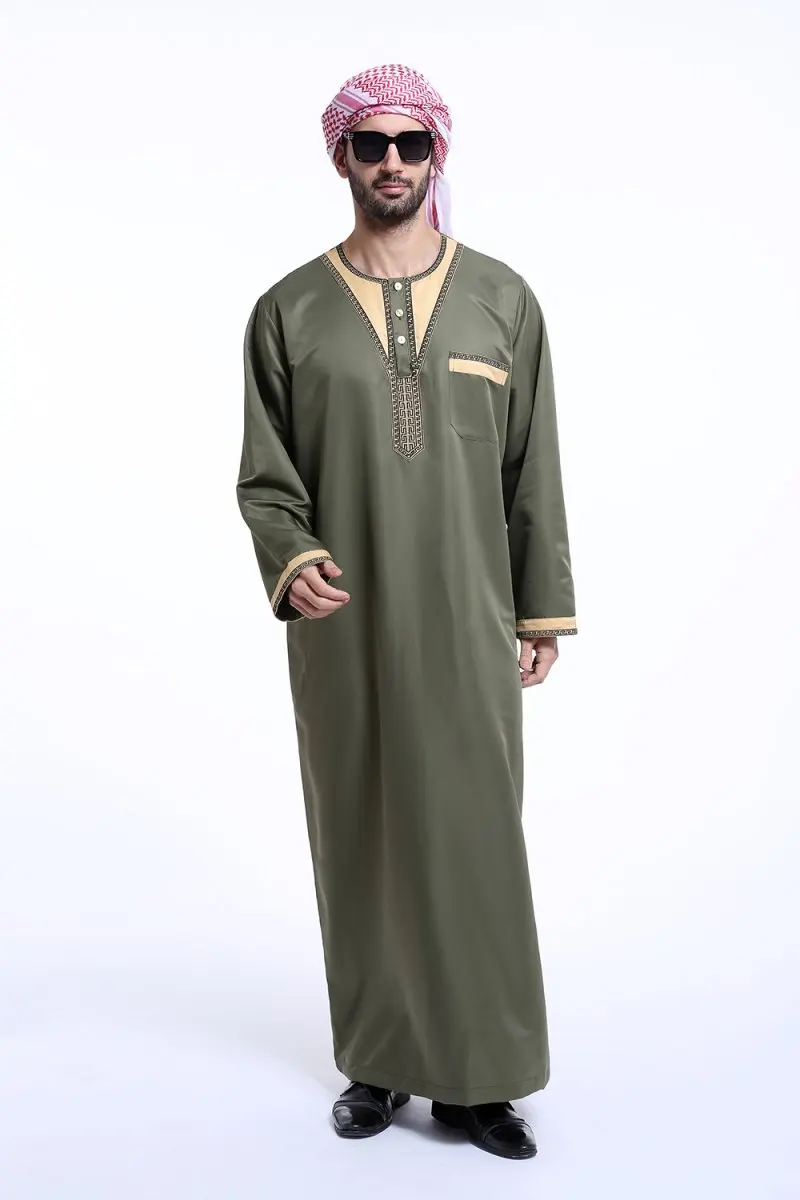
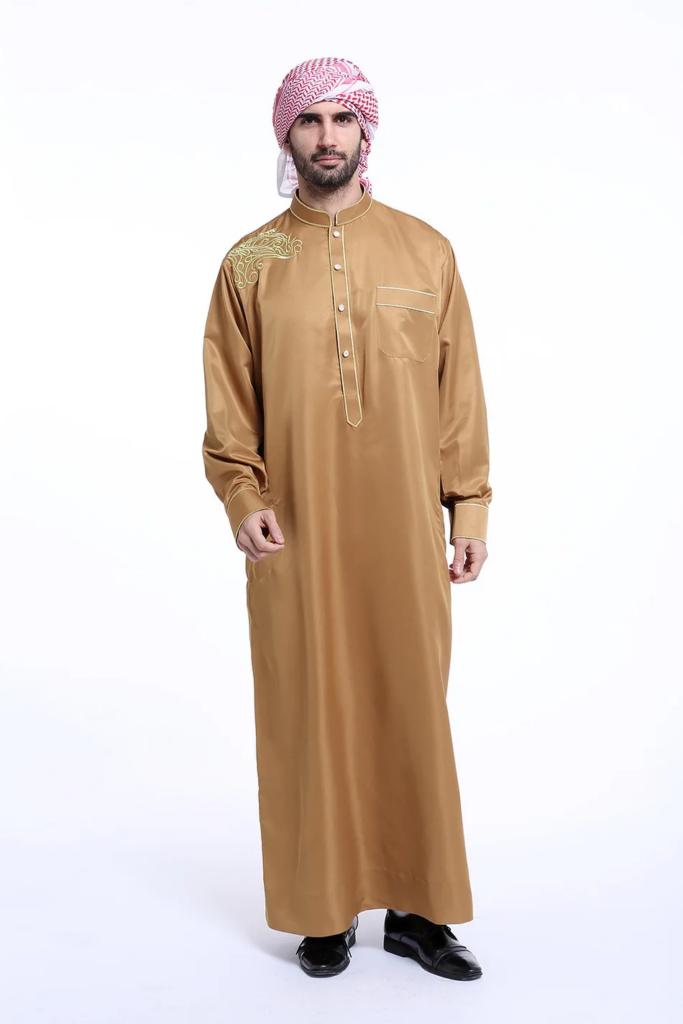
The thobe, also known as a dishdasha or kandura, is a long, flowing garment typically worn in the Middle East. It is usually made from lightweight fabric, making it comfortable in hot climates. Thobes come in various colors and styles, often featuring intricate embroidery or patterns. They are suitable for both casual and formal occasions, making them a versatile addition to any wardrobe. The thobe is often associated with cultural pride and is worn during significant events, such as weddings and religious celebrations.
Jubba
Similar to the thobe, the jubba is a long robe that is often worn during religious ceremonies or special occasions. It is usually more ornate than a standard thobe, often made from luxurious fabrics and adorned with decorative elements. The jubba is a symbol of respect and is commonly worn during prayers and celebrations. Its elegant design and rich materials make it a favored choice for formal gatherings, allowing men to showcase their faith and cultural heritage.
Shalwar Kameez
The shalwar kameez is a traditional outfit from South Asia, consisting of a long tunic (kameez) paired with loose-fitting trousers (shalwar). This outfit is versatile and can be worn for both casual and formal events. It is available in a wide range of fabrics, colors, and designs, making it a popular choice among Muslim men. The shalwar kameez is not only comfortable but also allows for personal expression through various styles and embellishments, reflecting the wearer’s personality and taste.
Kurta
The kurta is a shorter tunic that can be worn with trousers or jeans. It is a comfortable and stylish option for everyday wear. Kurtas can be plain or embellished, and they are often made from breathable fabrics, making them ideal for warmer weather. This garment is particularly popular during festive occasions and family gatherings, where comfort and style are equally important. The kurta’s adaptability makes it a staple in many Muslim men’s wardrobes.
Kufi
The kufi is a traditional cap worn by Muslim men, often during prayers or religious gatherings. It symbolizes faith and respect. Kufis come in various designs and materials, from simple cotton to more elaborate embroidered versions. Wearing a kufi is a way for men to express their devotion and cultural identity, and it often complements other traditional attire, enhancing the overall look.
Styling Muslim Clothes for Men
Muslim clothing can be styled in numerous ways to reflect personal taste while adhering to modesty guidelines. Here are some tips on how to style these garments effectively, ensuring that each outfit is both fashionable and respectful.
Choosing the Right Fabric
The choice of fabric is crucial for comfort and style. Lightweight materials like cotton and linen are ideal for hot climates, while wool and heavier fabrics are suitable for cooler weather. Consider the occasion when selecting fabric; formal events may call for more luxurious materials. Additionally, the right fabric can enhance the overall aesthetic of the outfit, allowing for a polished and sophisticated appearance.
Accessorizing
Accessories can enhance the overall look of Muslim attire. A well-chosen scarf, belt, or watch can add a touch of elegance. For formal occasions, consider wearing a tailored waistcoat over a thobe or jubba to elevate the outfit. Accessories not only serve a functional purpose but also allow for personal expression, enabling men to showcase their unique style while adhering to modesty.
Footwear
Footwear plays a significant role in completing the look. Traditional sandals or loafers are popular choices that complement Muslim attire. Ensure that the shoes are comfortable, especially if attending events that require standing for long periods. The right footwear can tie the entire outfit together, providing a cohesive and stylish appearance.
Layering
Layering can add depth to an outfit. For instance, wearing a long cardigan or jacket over a kurta can create a stylish look while providing additional warmth. Experiment with different lengths and styles to find what works best. Layering not only enhances the visual appeal of the outfit but also allows for versatility, making it suitable for various weather conditions and occasions.
The Role of Muslim Clothing in Modern Society
In contemporary society, Muslim clothing has evolved to incorporate modern fashion trends while maintaining traditional values. Many designers are now creating stylish, modest clothing that appeals to younger generations. This fusion of tradition and modernity allows Muslim men to express their identity confidently, bridging the gap between cultural heritage and contemporary fashion.
Fashion Trends
The rise of modest fashion has led to an increase in the availability of stylish Muslim clothing for men. Designers are experimenting with colors, patterns, and cuts, making it easier for men to find fashionable options that align with their beliefs. Social media platforms have also played a significant role in promoting modest fashion, showcasing diverse styles and inspiring new trends. This growing movement encourages creativity and innovation within the realm of Muslim fashion, allowing for a broader representation of styles.
Global Influence
Muslim clothing is gaining recognition on global fashion platforms. Fashion weeks and events now feature collections that celebrate modesty, attracting attention from a broader audience. This shift is helping to break stereotypes and promote understanding of Muslim culture. As more designers and brands embrace modest fashion, the influence of Muslim attire continues to expand, fostering a greater appreciation for its beauty and significance.
Conclusion
Muslim clothes for men encompass a wide range of styles and designs that reflect cultural heritage and personal expression. From traditional thobes and jubbas to modern kurtas and shalwar kameez, these garments play a significant role in the lives of Muslim men. As fashion continues to evolve, the importance of modesty remains at the forefront, allowing men to express their identity while adhering to their beliefs. The ongoing dialogue between tradition and modernity in Muslim fashion enriches the cultural landscape, making it a vibrant and dynamic field.
How to purchase:https://looperbuy.com/search?keywords=muslim+clothes+for+men
Frequently Asked Questions
1.What is the difference between a thobe and a jubba?
The thobe is a long, loose-fitting garment typically worn in everyday settings, while the jubba is often more ornate and reserved for special occasions or religious ceremonies.
2.Can Muslim men wear shorts?
While shorts are generally considered less modest, some Muslim men may wear them in private or during sports activities, provided they are not too revealing.
3.What types of fabrics are best for Muslim clothing?
Lightweight fabrics like cotton and linen are ideal for hot climates, while wool and heavier materials are suitable for cooler weather.
4.Are there specific colors that are preferred in Muslim clothing?
There are no strict rules regarding colors, but many prefer neutral or earth tones. Bright colors and patterns are also popular, especially for festive occasions.
5.How can I style a kurta for a formal event?
To style a kurta for a formal event, consider pairing it with tailored trousers and a waistcoat. Opt for luxurious fabrics and add elegant accessories to enhance the overall look.